
Hit enter to search or ESC to close
Construction framing brackets represent a crucial element in modern construction, offering innovative solutions for building efficiency, stability, and cost-effectiveness. These brackets, often manufactured from high-strength steel, are specifically designed to connect and reinforce structural framing members – wood, steel, or engineered lumber – creating robust and reliable building frameworks. Their growing adoption is fueled by a global demand for faster, more sustainable, and more resilient construction practices.
The global construction industry is experiencing a surge in demand, particularly in emerging economies, driving innovation in building technologies. Traditional construction methods can be time-consuming, labor-intensive, and generate significant waste. Construction framing brackets address these challenges by providing a quicker, more precise, and less wasteful alternative. According to a report by the UN, sustainable building practices are vital for achieving Sustainable Development Goal 11 (Sustainable Cities and Communities), and construction framing brackets play a key role in that transition.
The increasing frequency of natural disasters further underscores the importance of robust building frameworks. Framing brackets enhance structural integrity, improving a building's ability to withstand seismic activity, high winds, and other extreme weather events. This makes them invaluable in regions prone to such disasters, and increasingly essential for building codes worldwide.
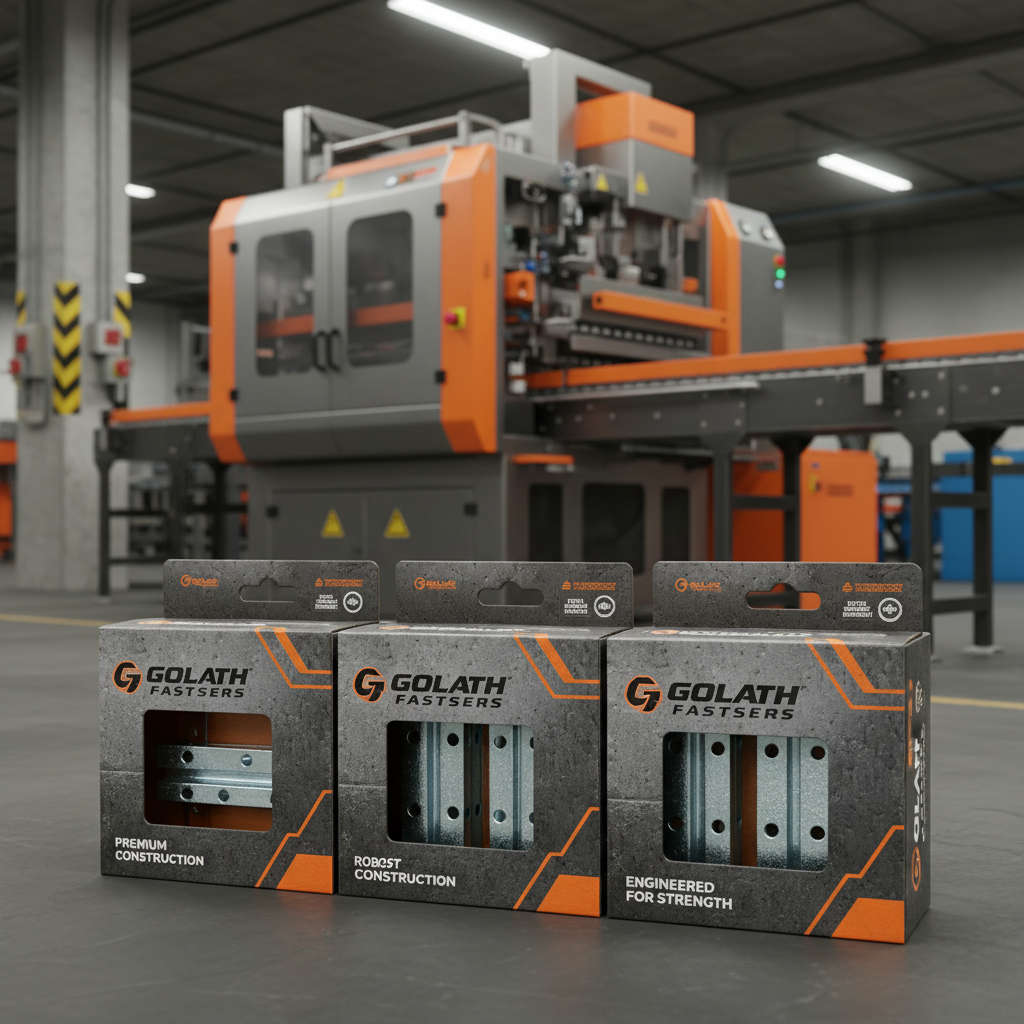
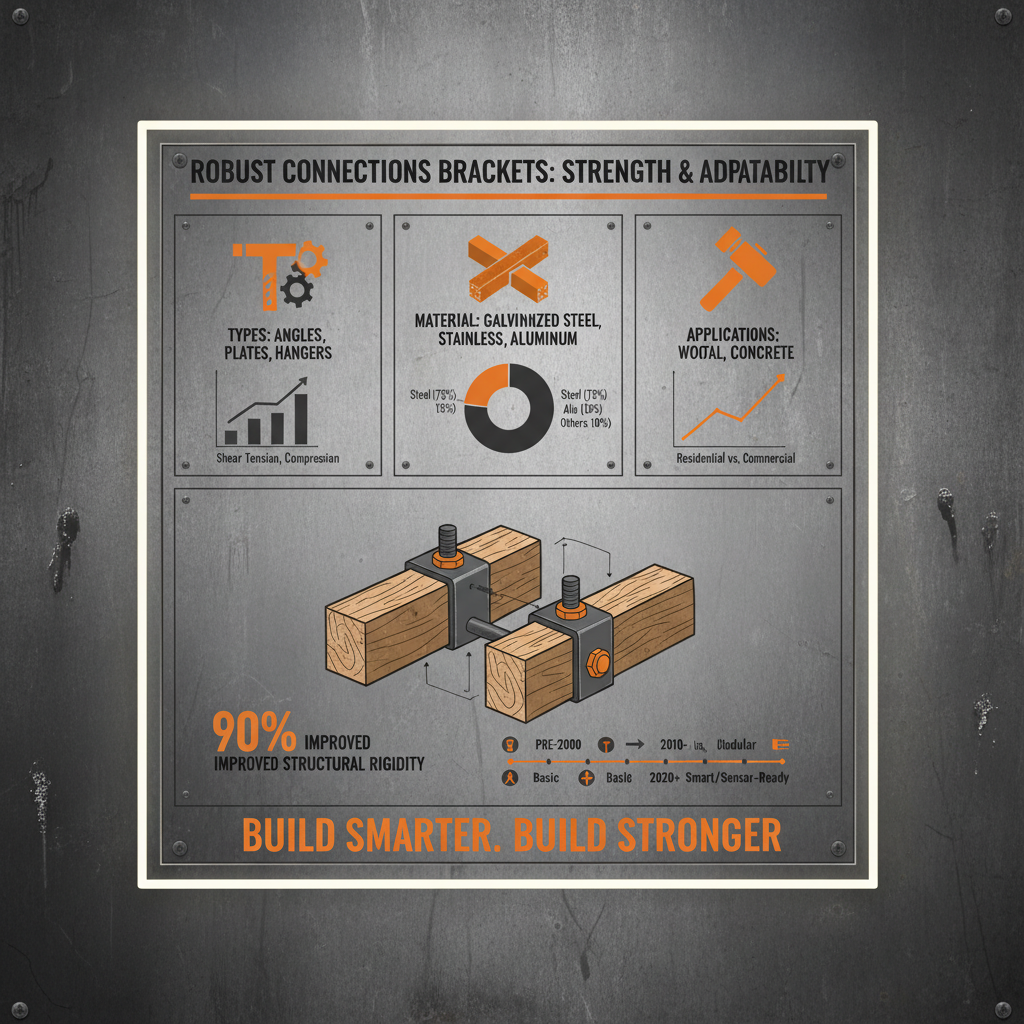
Construction framing brackets are versatile connectors crucial for building robust and durable structures. They facilitate faster assembly, reduce material waste, and enhance structural integrity compared to traditional connection methods. Their role extends beyond simple joining – they actively contribute to a building’s ability to withstand environmental stressors and meet stringent safety standards.
The application of construction framing brackets is expanding rapidly across diverse construction sectors. From residential housing and commercial buildings to industrial facilities and infrastructure projects, these brackets provide a reliable and efficient solution for connecting framing members, improving overall construction quality and efficiency.
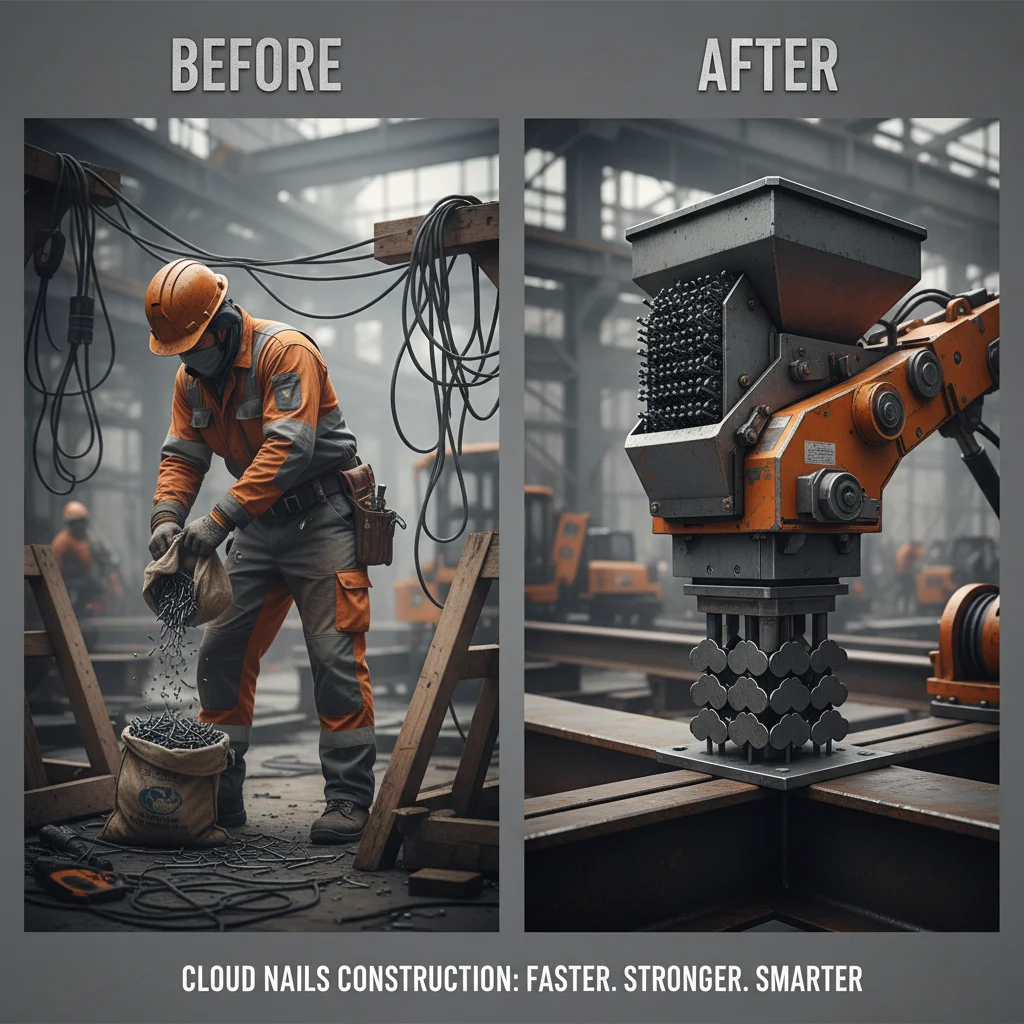
Framing brackets offer significantly higher load capacity and connection strength compared to traditional nailing. They also reduce reliance on skilled labor, speed up the construction process, and minimize material waste. They provide more consistent and reliable connections, reducing the risk of structural failure. Overall they result in a more durable and safer structure.
Yes, specifically designed construction framing brackets are crucial for buildings in seismic zones. These brackets provide enhanced resistance to lateral forces and help to prevent structural collapse during earthquakes. Their ability to distribute stress and maintain connection integrity is vital in these applications. Consult with structural engineers to ensure proper bracket selection and installation.
Construction framing brackets are most commonly made of galvanized steel, known for its strength, durability, and corrosion resistance. Other materials, such as stainless steel, are used in environments with higher corrosion risks. The choice of material depends on the specific application and environmental conditions.
Proper installation is critical for optimal performance. Always follow the manufacturer’s instructions carefully. Use the correct type and size of fasteners, and ensure they are properly driven. Regular inspections during installation can help identify and correct any issues promptly. Professional installation is highly recommended, especially for complex connections.
Yes, the type of wood and its properties (density, strength) influence the bracket selection. Some brackets are specifically designed for softwood, while others are suitable for hardwood. The fastener type and size also need to be adjusted based on the wood species. Always consult product specifications and structural engineers.
Framing brackets reduce material waste through precise connections and efficient use of resources. They contribute to longer-lasting structures, reducing the need for frequent repairs or replacements. The reduced labor requirements also lower the overall environmental footprint of construction projects. Furthermore, the potential for using recycled materials in bracket manufacturing adds to their sustainability benefits.
In conclusion, construction framing brackets represent a transformative technology in the building industry. Their ability to enhance structural integrity, reduce construction time and costs, and promote sustainable practices makes them an indispensable component of modern construction. From residential projects to large-scale infrastructure developments, construction framing brackets provide a reliable and efficient solution for connecting and reinforcing structural framing members.
Looking ahead, continued innovation in materials, design, and digital integration will further expand the capabilities of these brackets. Embracing these advancements and prioritizing proper installation techniques will be crucial for maximizing their benefits and ensuring the long-term safety and resilience of buildings worldwide. Investing in high-quality framing brackets is an investment in the future of construction.

JOIN OUR NEWSLETTER