
Hit enter to search or ESC to close
When deciding between galvanized and stainless steel nails, it is important to consider the environment, application, and the level of corrosion resistance required. Both types of nails are designed to prevent rust, but they do so in different ways and have unique advantages depending on the construction conditions.
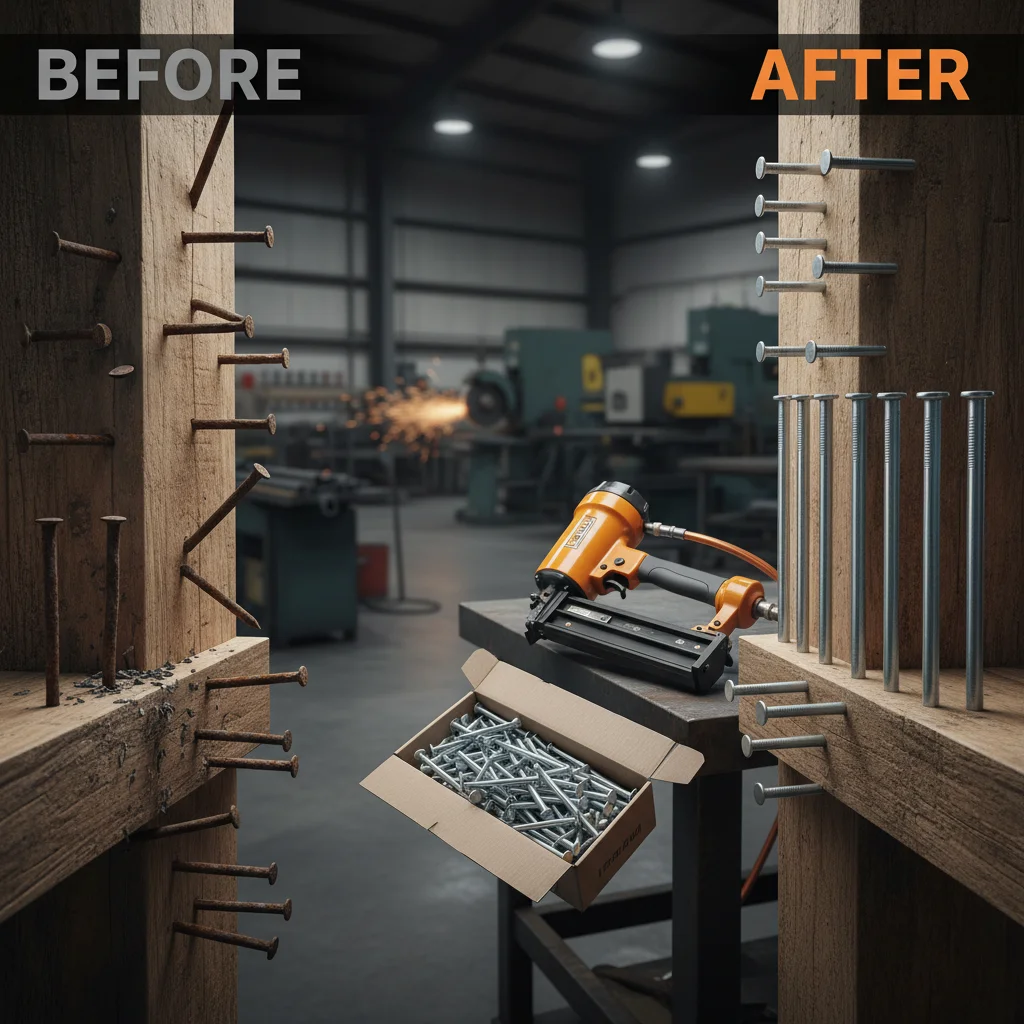
Galvanized nails are coated with a layer of zinc that protects the steel core from rust and corrosion. This sacrificial coating reacts with the environment to slow down corrosion, even if the surface layer is slightly scratched. Galvanized nails are widely used in general construction, including framing, decking, fencing, and interior or exterior woodworking projects. Hot-dipped galvanized nails provide superior corrosion resistance compared to electro-galvanized nails, making them suitable for environments with moderate moisture exposure. They are strong, reliable, and cost-effective, which makes them the preferred choice for most construction projects.
Stainless steel nails, on the other hand, are made entirely from stainless steel, which naturally resists rust and corrosion without relying on an additional coating. They are highly durable and particularly suitable for harsh or extreme environments, such as coastal areas, marine construction, or outdoor structures exposed to high humidity or saltwater. Stainless steel nails maintain their appearance over time and are ideal for high-end projects where long-term reliability and aesthetics are important. While they are more expensive than galvanized nails, their longevity often justifies the cost in challenging conditions.
In terms of strength, both galvanized and stainless steel nails are adequate for most construction purposes. However, stainless steel nails can be slightly softer, which may make them less ideal for extremely hard materials but still very effective for wood, decking, and masonry applications.
For general construction projects with moderate exposure to moisture, galvanized nails offer a cost-effective and reliable solution. For environments with high corrosion risk or for projects requiring long-term durability and appearance, stainless steel nails are the superior choice. Selecting the right type ensures the safety, strength, and longevity of your construction work.
1 Common Nails
2 Box Nails
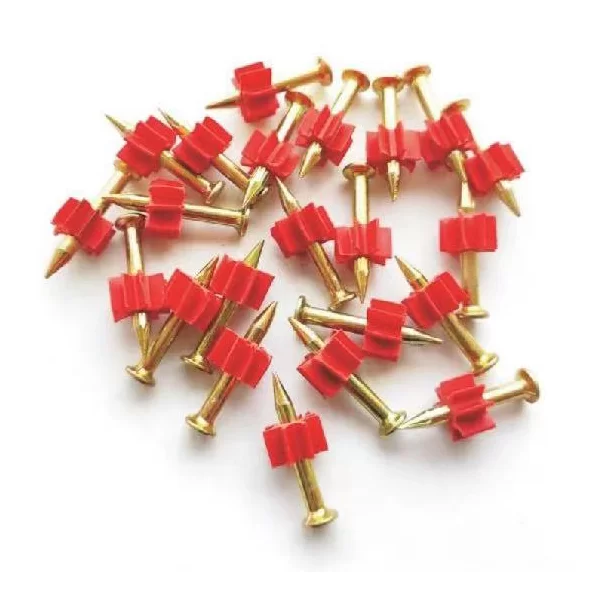
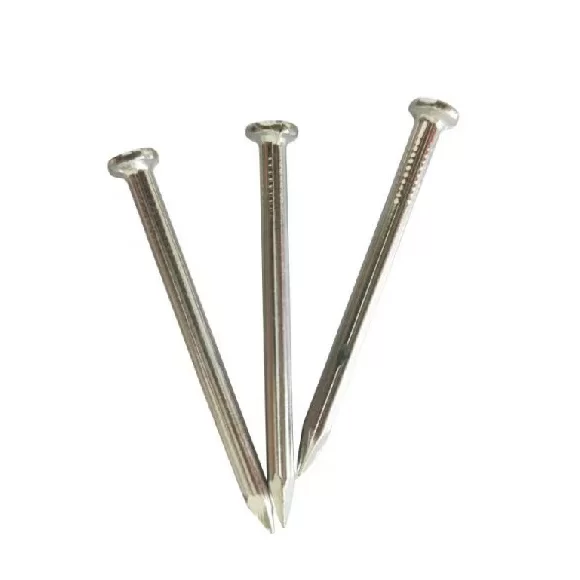
3 Concrete Nails
4 Finishing Nails
5 Roofing Nails
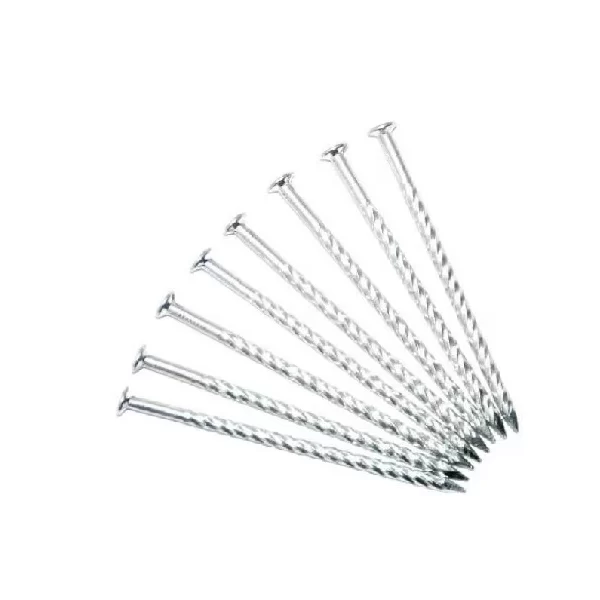
6 Spiral or Screw Shank Nails
JOIN OUR NEWSLETTER


If you are interested in our products, you can choose to leave your information here, and we will be in touch with you shortly.