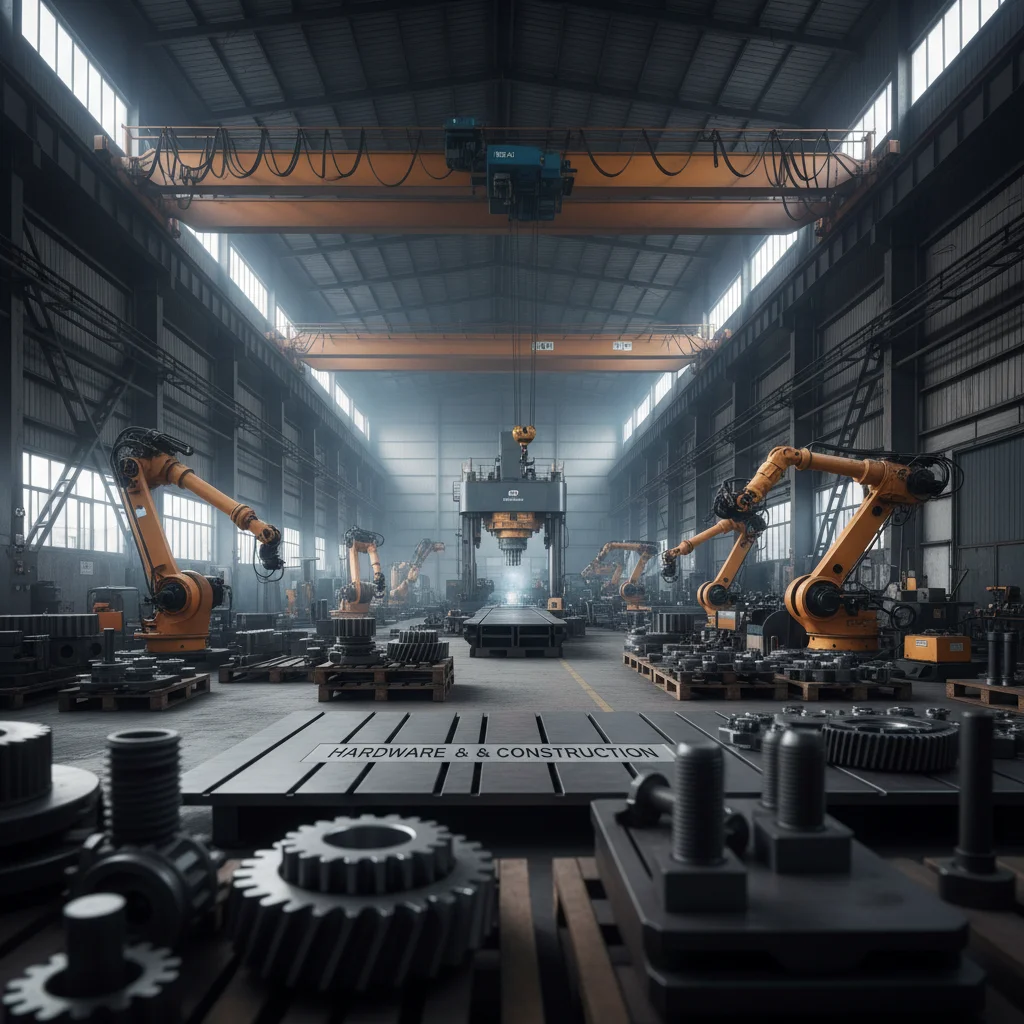
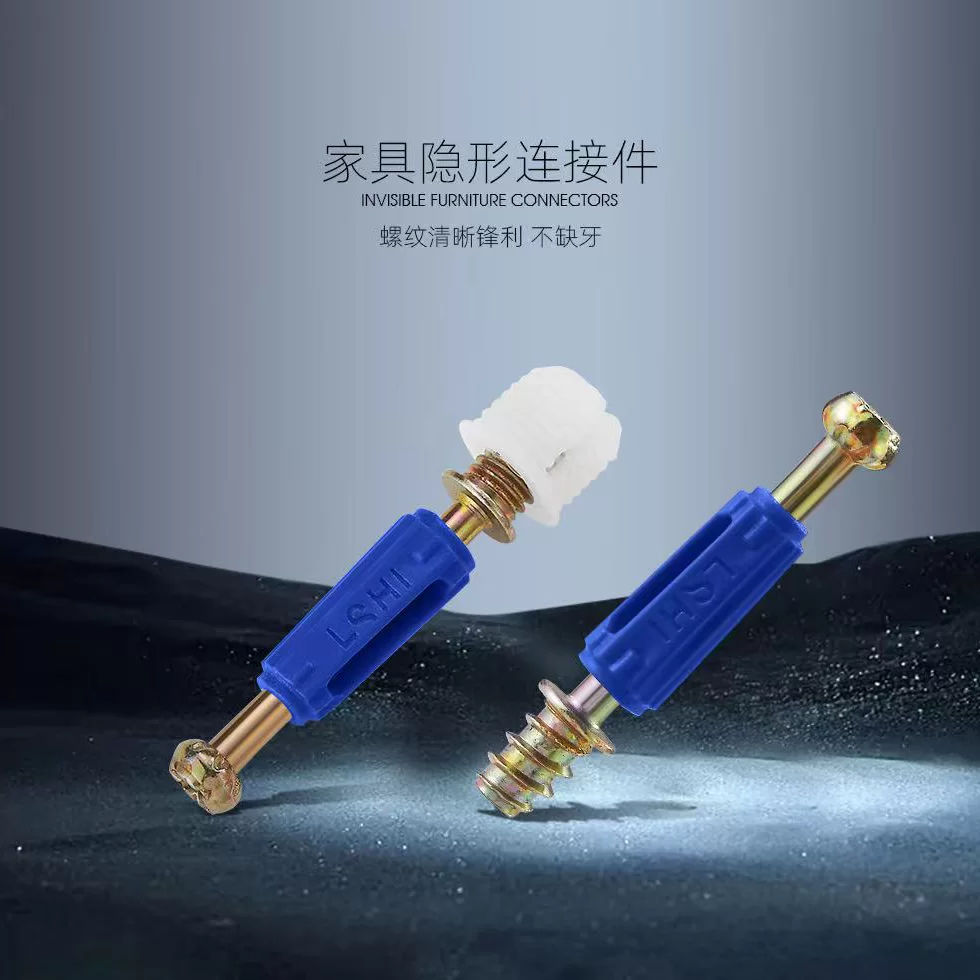
In the evolving landscape of modern architectural fastening, cloud nails construction represents a pivotal shift toward high-efficiency, high-precision assembly. By integrating advanced metallurgical properties with innovative design, this approach ensures that structural integrity is maintained without compromising the aesthetic fluidity of the build. Whether in residential furniture or large-scale architectural frameworks, the adoption of these specialized fasteners is redefining how we perceive stability and speed in the construction process.
Globally, the demand for rapid urbanization and sustainable building practices has placed an immense burden on traditional fastening methods. Current industry data suggests that a significant percentage of structural failures in lightweight constructions stem from improper nail selection or fastener fatigue. The emergence of cloud nails construction addresses these vulnerabilities by providing a superior grip-to-tension ratio, significantly reducing the risk of joint slippage in high-stress environments.
Understanding the nuances of this construction methodology allows developers and manufacturers to optimize their supply chains and reduce material waste. By shifting toward these high-performance solutions, the industry can move away from cumbersome traditional techniques toward a streamlined, modular approach. This guide explores the technical foundations, global applications, and future trajectories of cloud nails construction to provide a comprehensive roadmap for industry professionals.
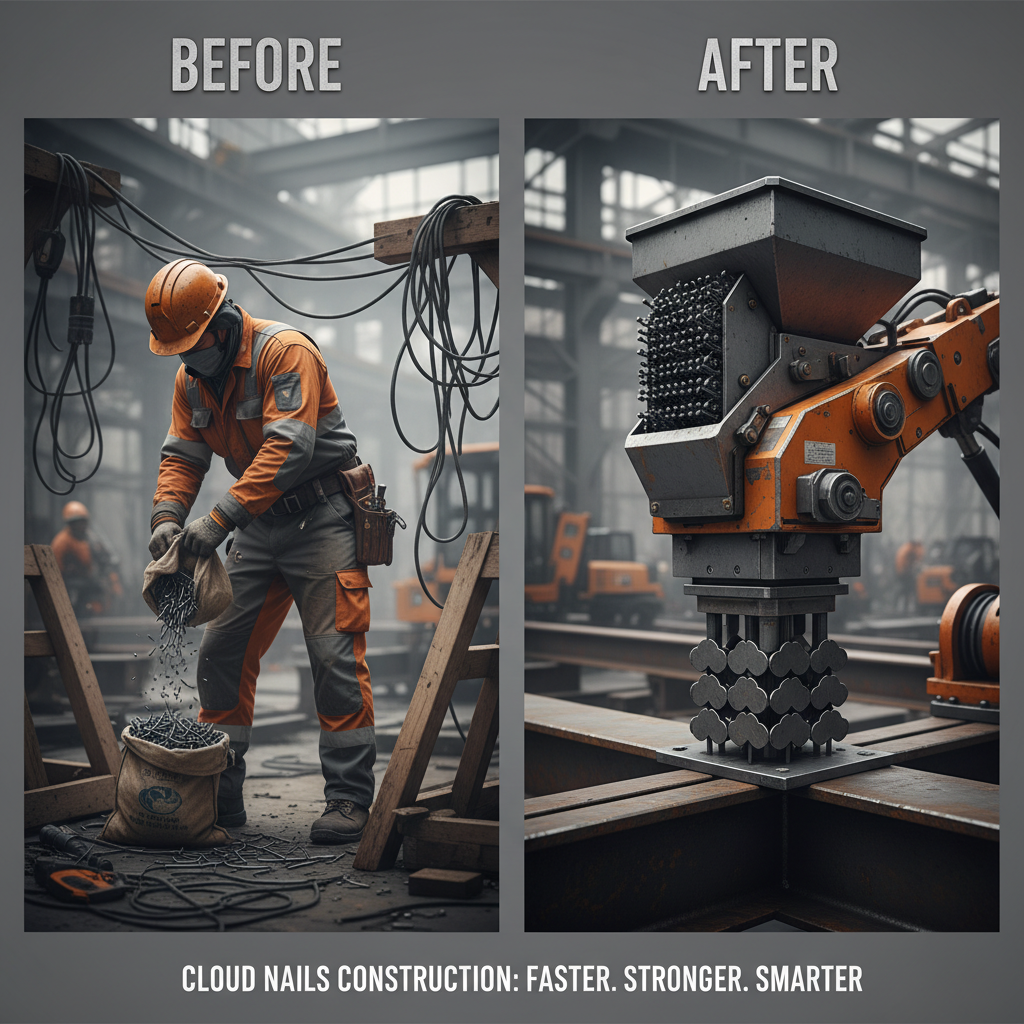
The Technical Foundation of Cloud Nails Construction
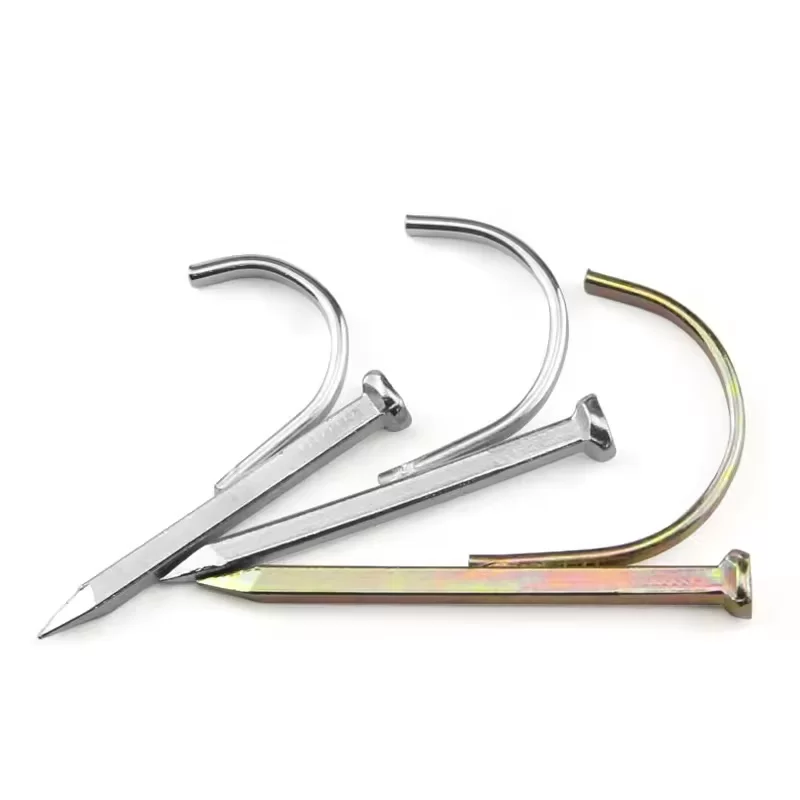
At its core, cloud nails construction utilizes a specialized geometry and alloy composition that differs from standard steel nails. This method focuses on a "distributed load" principle, where the fastener is designed to disperse stress across a wider surface area within the substrate, preventing the wood or metal from splitting under extreme pressure.
The engineering behind these fasteners involves precise heat treatment and galvanization processes. This ensures that the nails possess the requisite hardness to penetrate dense materials while maintaining enough ductility to resist snapping during seismic shifts or thermal expansion, making them indispensable for modern furniture and architectural hardware.
Global Industry Standards and Relevance
In the global marketplace, the shift toward cloud nails construction is driven by the need for standardization. Organizations like ISO and various national building codes are increasingly emphasizing the importance of "certified fastening systems" to ensure public safety. In regions with high humidity or coastal salt spray, the corrosion resistance of these specialized nails becomes a critical factor in maintaining the lifespan of the structure.
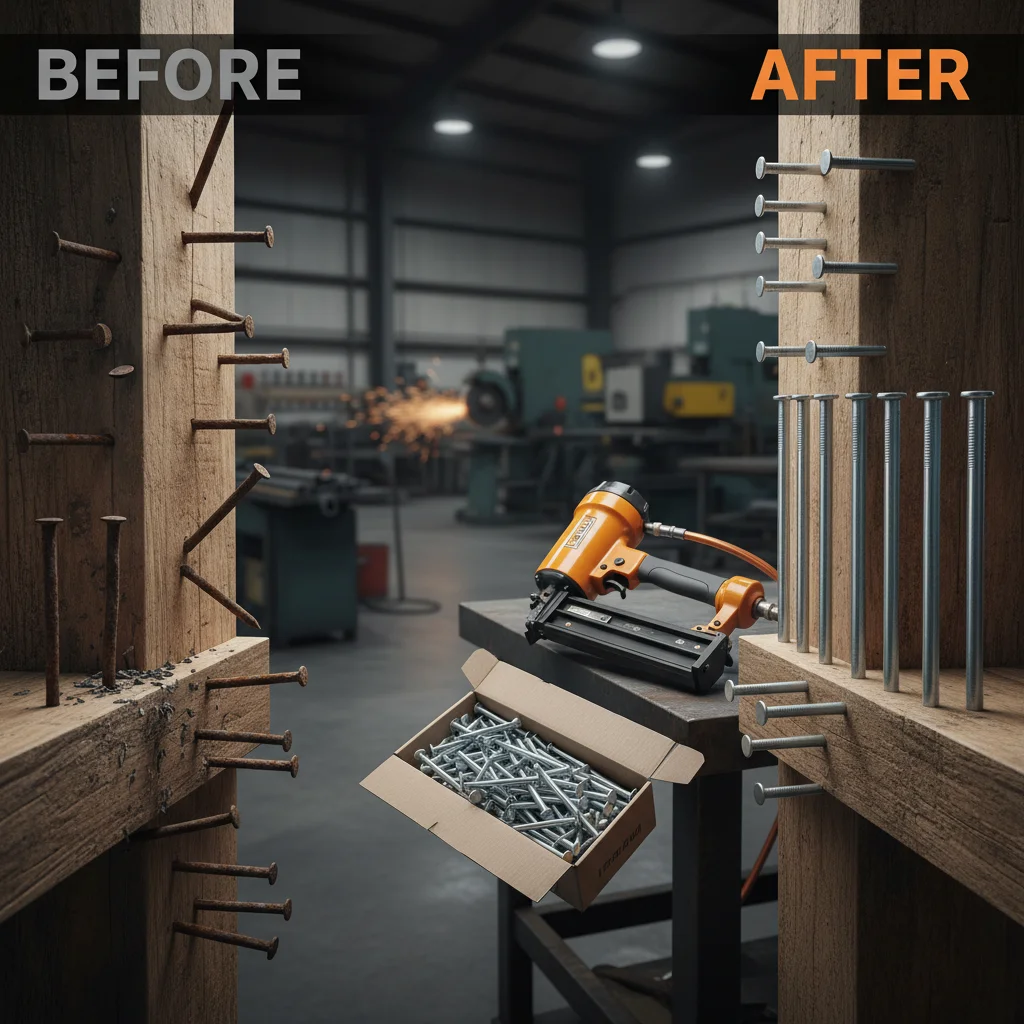
The economic impact of upgrading to this construction method is substantial. By reducing the failure rate of joints in prefabricated furniture and architectural panels, manufacturers can significantly lower warranty claims and maintenance costs. This reliability is particularly vital for the export market, where products must survive long-distance shipping and variable environmental conditions without losing structural integrity.
Furthermore, the integration of cloud nails construction aligns with the "Green Building" movement. Because these fasteners provide a more secure and lasting hold, they reduce the need for frequent replacements and the associated waste of timber and metal. This synergy between technical performance and sustainability makes it a preferred choice for eco-conscious developers worldwide.
Core Components of High-Performance Fastening
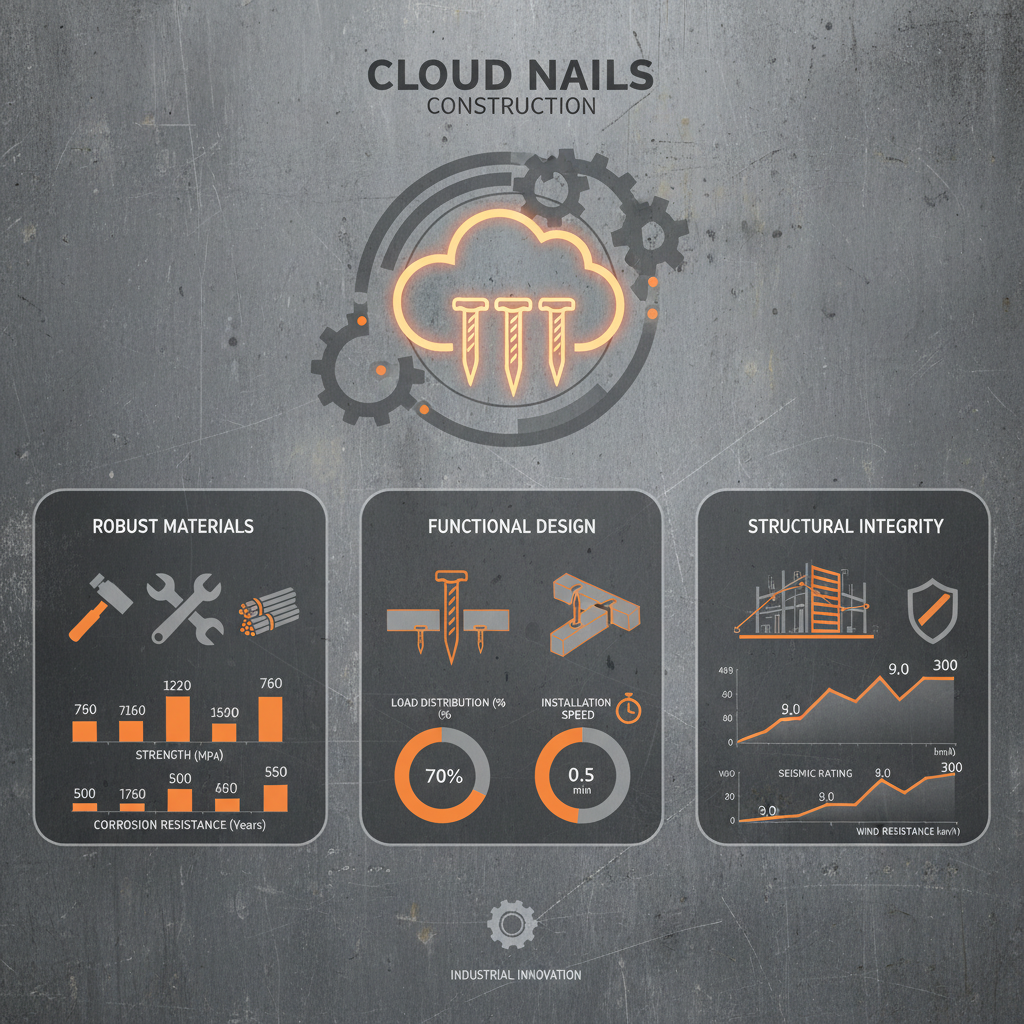
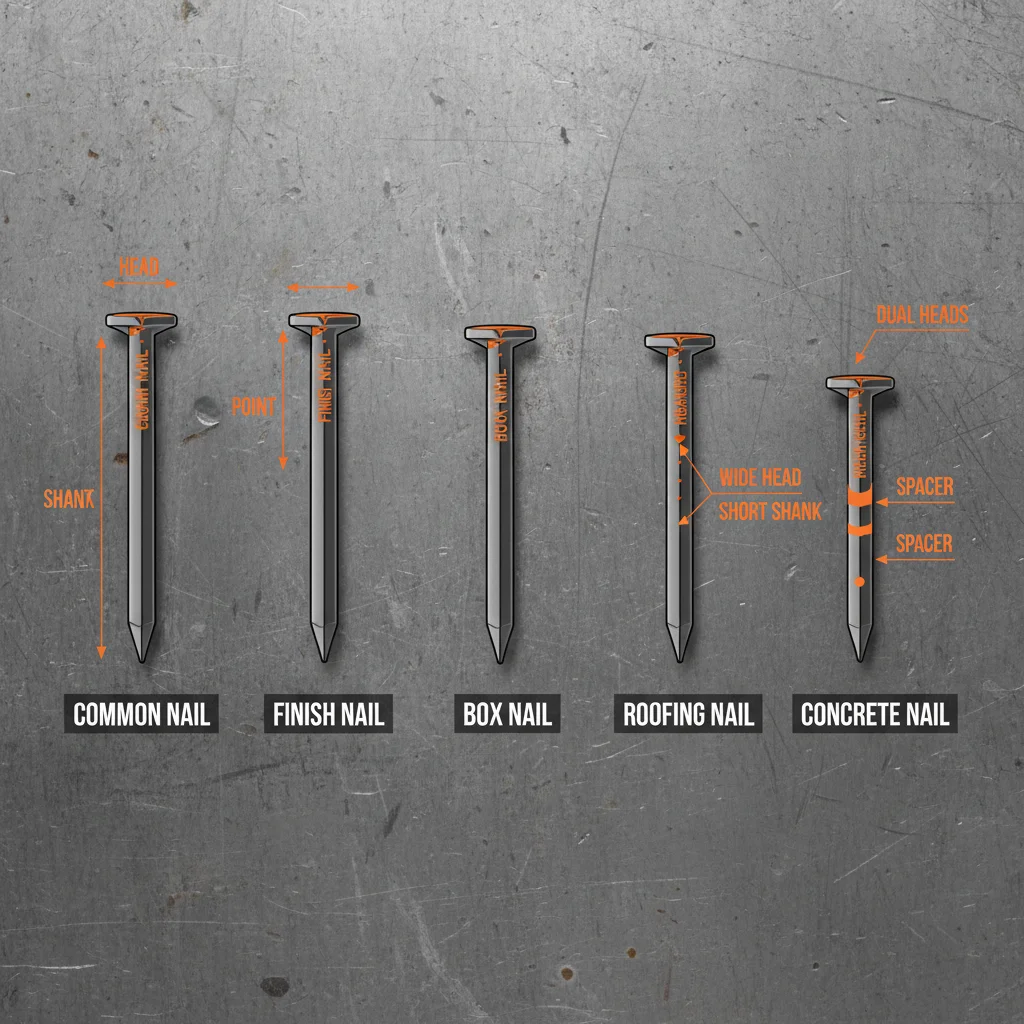
The success of cloud nails construction relies on several critical engineering factors, primarily the material purity and the precision of the thread or shank design. High-carbon steel tempered to specific Rockwell hardness levels allows these nails to pierce through treated lumber and hard metals without bending.
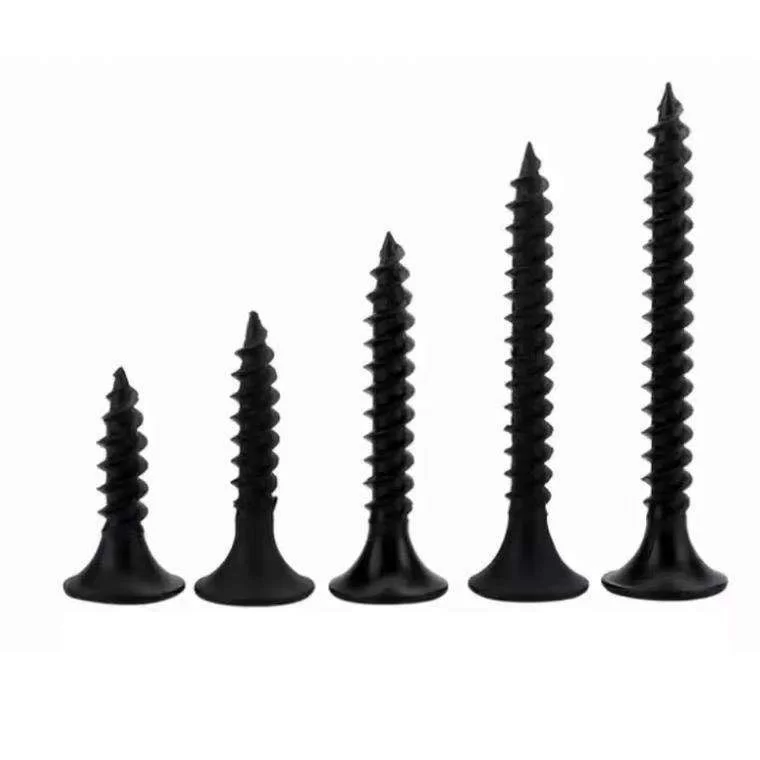
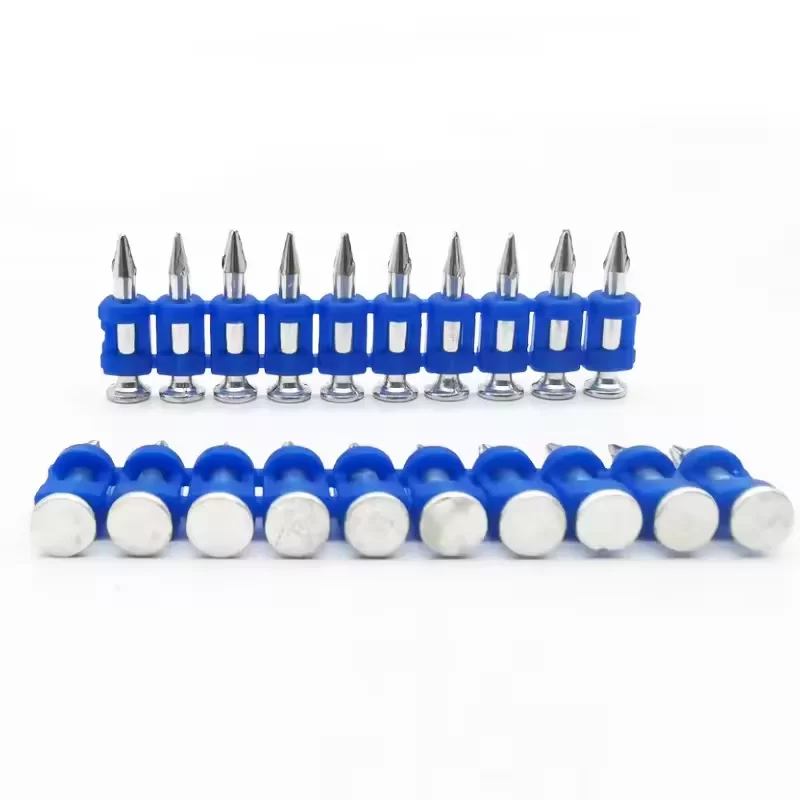
Scalability is another pillar of cloud nails construction. Because the system is designed for compatibility with automated shooting nail equipment and tapping screws, it can be scaled from a small artisan workshop to a massive industrial production line without losing the precision of the individual fastening point.
Finally, cost efficiency is achieved not through the cheapest materials, but through the reduction of labor time. The ease of deployment associated with cloud nails construction means that assembly times are slashed, allowing for faster project turnaround and lower overhead costs for construction firms.
Performance Metrics in Practical Application
When evaluating the efficacy of cloud nails construction, we must look at quantitative data regarding shear strength and withdrawal resistance. In comparative tests, these fasteners consistently outperform traditional nails in "pull-out" tests, which is essential for ceiling-mounted decorative hardware and heavy-duty furniture.
The application of these metrics allows engineers to calculate the exact number of fasteners needed for a specific load, eliminating the "over-nailing" practice that often damages the material. This precision ensures a cleaner finish and a more professional result in architectural decorative hardware.
Efficiency Comparison of Cloud Nails Construction Methods
Real-World Use Cases and Regional Adoption
In the realm of household hardware, cloud nails construction is extensively used in the assembly of modular cabinetry and high-end furniture. In Northern Europe, where sustainable forestry and precision engineering intersect, this method is the gold standard for ensuring that furniture can be disassembled and reassembled without compromising the joints.
Beyond the home, we see this technology applied in remote industrial zones for the rapid deployment of temporary housing and site offices. In these contexts, the speed of cloud nails construction allows for the creation of safe, weather-tight structures in a fraction of the time required for traditional bolted frameworks.
Long-Term Economic and Structural Value
The long-term value of investing in cloud nails construction extends far beyond the initial installation. By utilizing materials that resist oxidation and fatigue, the lifecycle cost of a building or a piece of furniture is drastically reduced. This longevity translates to higher asset value and lower depreciation for the end consumer.
From a psychological perspective, the reliability of these fasteners fosters trust between the manufacturer and the client. When a customer knows that the architectural decorative hardware in their home is secured by industry-leading technology, it enhances their perception of quality and safety.
Moreover, the ability to maintain structural integrity over decades means that the carbon footprint of the product is lowered. cloud nails construction effectively combats the "throwaway culture" by creating products that are built to last, thereby promoting a circular economy within the furniture and construction industries.
Future Innovations in Fastening Technology
Looking ahead, the future of cloud nails construction is intrinsically linked to digital transformation and automation. We are seeing the rise of "Smart Fasteners" that can be tracked via RFID to monitor the tension and health of a structure in real-time, allowing for predictive maintenance before a failure occurs.
Material science is also evolving, with the introduction of nano-coatings that provide near-total immunity to saltwater corrosion. These innovations will expand the use of cloud nails construction into more extreme environments, such as offshore wind turbine platforms and deep-sea research stations.
Sustainability will remain the driving force, with a move toward biodegradable alloys or recycled steel that maintains the same high-performance specs. The goal is a fully closed-loop system where cloud nails construction provides the strength of steel with the environmental impact of organic materials.
Comparative Analysis of Fastening Technology for Cloud Nails Construction
|
Fastener Type
|
Installation Speed
|
Shear Strength
|
Corrosion Resistance
|
| Standard Steel Nail |
Medium |
Moderate |
Low |
| Cloud Nail (Standard) |
Fast |
High |
Medium |
| Cloud Nail (Galvanized) |
Fast |
High |
Very High |
| Industrial Tapping Screw |
Slow |
Very High |
Medium |
| Pneumatic Cloud Fastener |
Instant |
High |
Medium |
| Advanced Alloy Cloud Nail |
Fast |
Extreme |
Extreme |
FAQS
Cloud nails construction utilizes an engineered nail geometry and high-grade alloy composition designed to distribute stress more evenly across the joint. Unlike traditional nails, which can cause splitting in hardwoods or slip under heavy loads, cloud nails provide superior grip and shear resistance, making them ideal for both furniture and architectural hardware.
Yes, absolutely. When specified with galvanized or specialized alloy coatings, cloud nails offer exceptional resistance to moisture and salt-air corrosion. This makes them an excellent choice for outdoor decorative hardware and structural components in coastal regions where standard steel would fail rapidly.
It significantly increases speed. Because cloud nails are designed for high-precision penetration and are compatible with pneumatic shooting equipment, the assembly time per unit can be reduced by up to 30-50% compared to traditional screw-and-glue methods, without sacrificing the strength of the bond.
Yes, one of the primary advantages of cloud nails construction is its scalability. They are engineered to meet tight tolerances, ensuring they feed smoothly through automated nailers and tapping machines, which reduces downtime caused by jams and ensures consistent quality across thousands of units.
While the per-unit cost may be slightly higher than basic steel nails, the total cost of ownership is lower. This is due to reduced labor hours, fewer material failures (splitting), and a significant decrease in long-term maintenance and warranty claims.
Depending on the specific application, they can be installed with standard hammers; however, to maximize the efficiency of cloud nails construction, the use of pneumatic nail guns or specialized tapping drivers is highly recommended for industrial-scale projects.
Conclusion
In summary, cloud nails construction is more than just a fastening technique; it is a comprehensive approach to structural reliability and production efficiency. By balancing material science with geometric innovation, it solves the age-old conflict between speed of assembly and long-term durability. From the precision required in household furniture to the robustness needed in architectural hardware, this methodology ensures that every joint is a point of strength rather than a potential failure.
As the industry moves toward an era of smart manufacturing and sustainable building, the adoption of these advanced fastening solutions will be a key differentiator for successful brands. We encourage manufacturers and architects to transition toward these high-performance standards to enhance their product lifespan and operational efficiency. To explore the full range of our professional fastening solutions, visit our website: www.lianshiwjnail.com.