
Hit enter to search or ESC to close
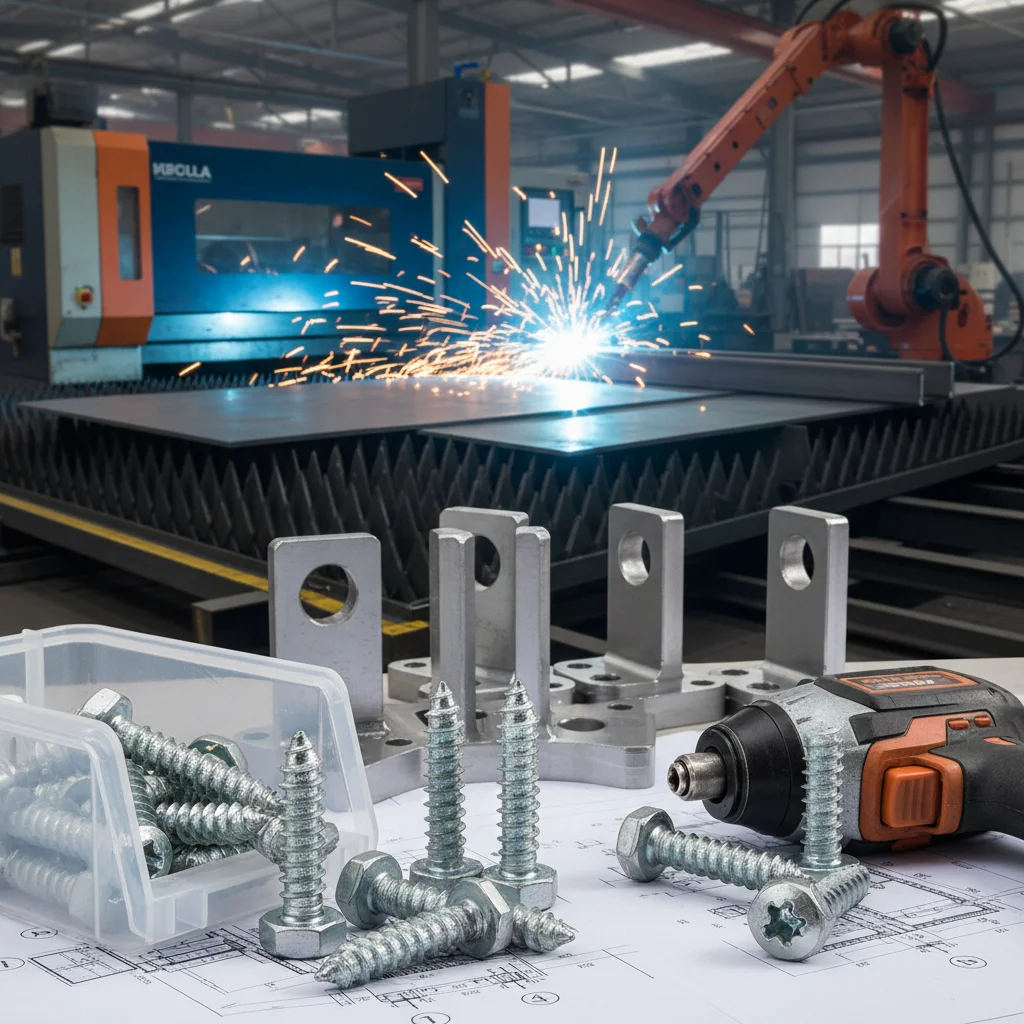
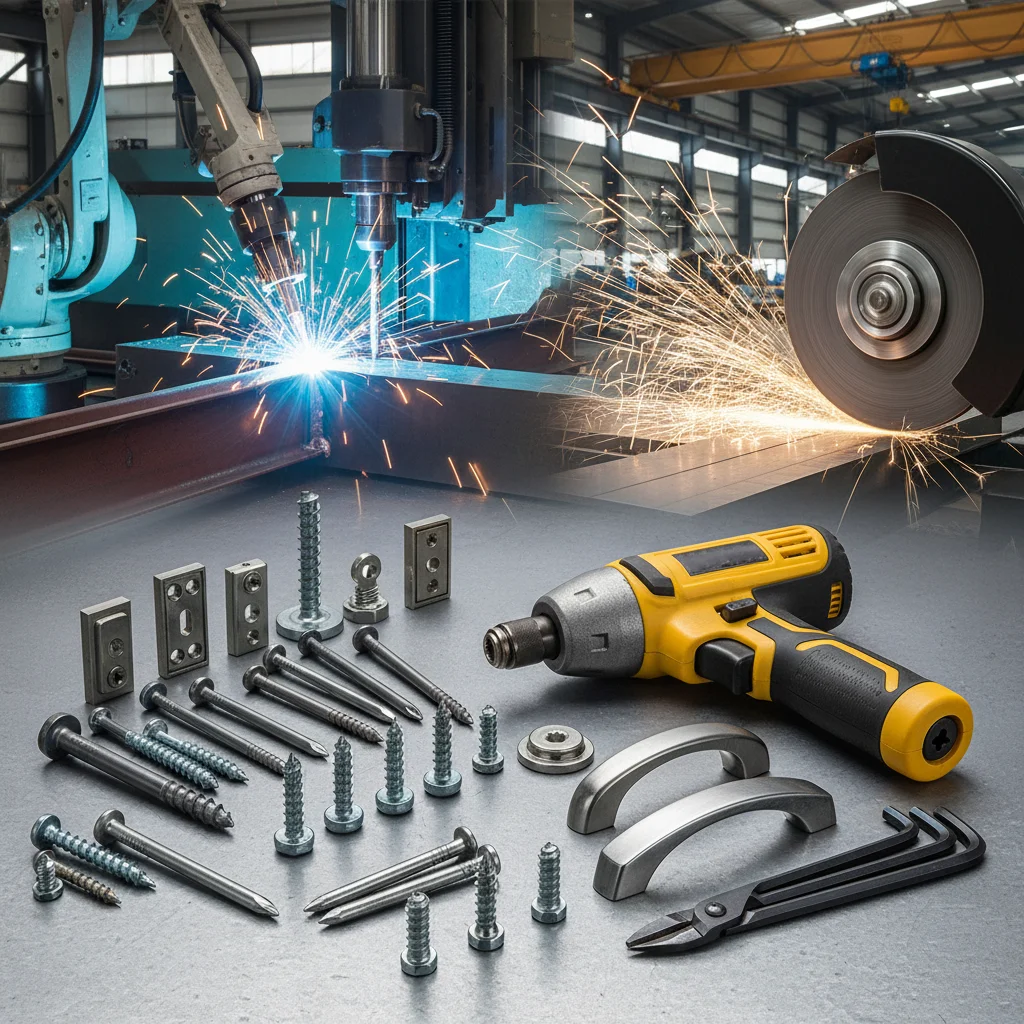
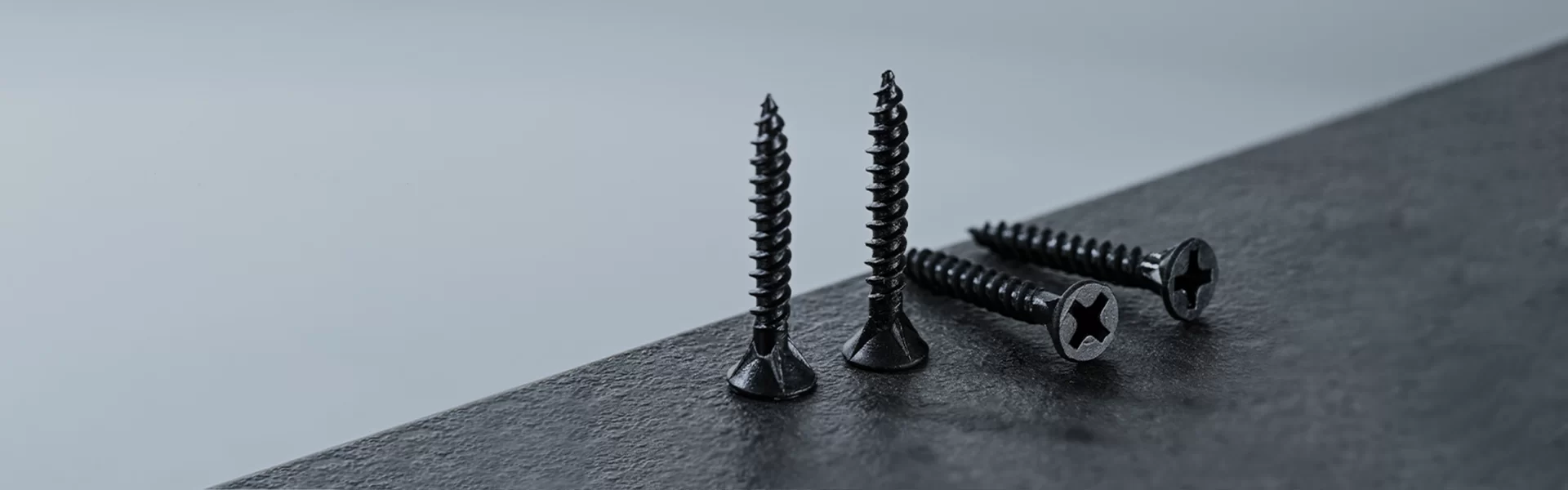
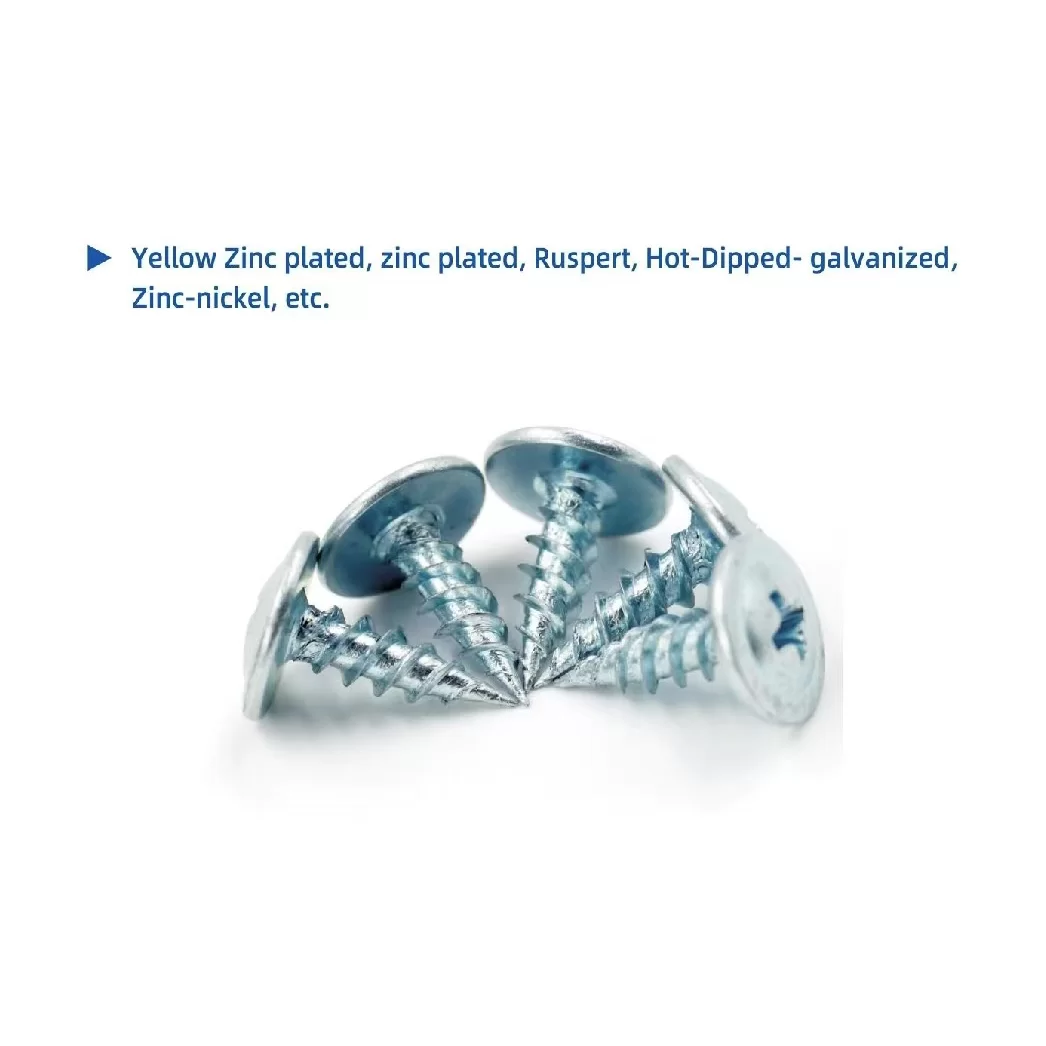
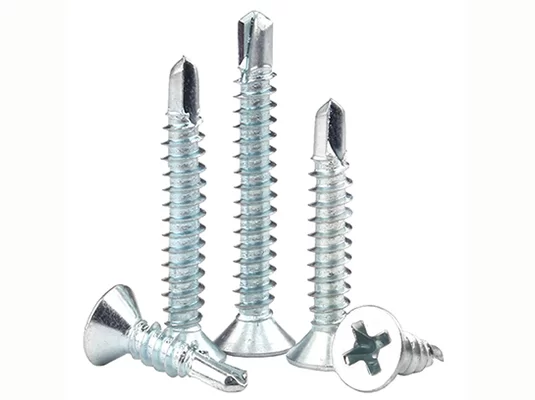
A self-tapping screw is a type of fastener that is designed to create its own threads as it is driven into a material. Unlike standard screws, which usually require a pre-tapped or pre-drilled hole, self-tapping screws can cut into softer materials like wood, plastic, or thin sheet metal, forming a secure connection without the need for additional tools. This feature significantly improves efficiency in construction, manufacturing, and DIY projects, as it reduces the steps and tools required for assembly.
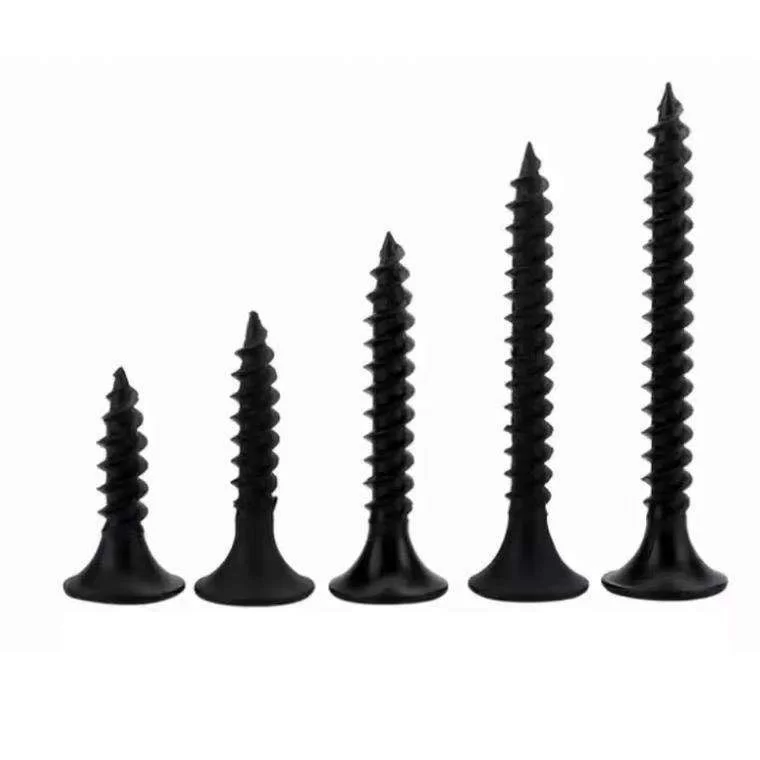
The main function of a self-tapping screw is to form threads inside the material, creating a tight grip that prevents loosening over time. The screw’s pointed tip and sharp, closely spaced threads allow it to pierce the surface, displace material, and create an internal thread that matches its own profile. This ensures a secure hold that can withstand shear and tensile forces, making self-tapping screws ideal for applications where a strong, permanent connection is required.
Self-tapping screws come in various types, including wood screws, metal screws, and plastic screws, each designed to work with specific materials. For instance, in sheet metal applications, self-tapping screws cut threads directly into thin metal sheets, eliminating the need for pre-drilling and reducing assembly time. In woodworking, they can secure boards or panels without splitting the material, thanks to their carefully designed threads.
Beyond their practical application, self-tapping screws also improve ease of use and accuracy. Because they form threads while being installed, they reduce the risk of misalignment and provide consistent holding strength. This makes them highly versatile, suitable for furniture assembly, construction projects, electrical enclosures, automotive repairs, and industrial manufacturing.
In summary, a self-tapping screw’s primary purpose is to create its own internal threads and securely fasten materials together, saving time, improving efficiency, and providing reliable mechanical strength. Their ability to adapt to different materials while maintaining a tight grip makes them an essential fastener in both professional and DIY projects.
1 Primary Function
2 Tip Design
3 Pilot Hole Requirement
4 Material Application
5 Point Styles
6 Process Efficiency
JOIN OUR NEWSLETTER


If you are interested in our products, you can choose to leave your information here, and we will be in touch with you shortly.