Selecting the right construction screws for subfloor is a critical decision that determines the long-term structural integrity and acoustic quality of any building project. A subfloor serves as the foundation for all finish flooring, and using substandard fasteners often leads to the dreaded "squeaky floor" syndrome, which can diminish property value and frustrate homeowners. By understanding the mechanics of load distribution and material expansion, builders can ensure a rock-solid base that withstands decades of foot traffic.
Globally, the shift toward engineered wood and composite materials has necessitated a change in how we approach fastening. Traditional nails often lack the pull-down strength required to keep modern plywood or OSB (Oriented Strand Board) tight against the joists. This is where high-performance construction screws for subfloor come into play, offering superior grip and torque resistance that prevents the panels from lifting over time.
Investing in professional-grade fasteners is not merely about convenience; it is about adhering to modern building codes and sustainability standards. When a subfloor is secured correctly, it reduces material waste from repairs and improves the energy efficiency of the home by eliminating gaps where drafts can enter. This comprehensive guide explores everything from technical specifications to global application trends to help you make an informed procurement choice.
Global Industry Context of Subfloor Fastening
In the current global construction landscape, the demand for rapid urbanization and sustainable housing has placed immense pressure on structural components. According to industry standards aligned with ISO guidelines, the stability of a building's internal framework is heavily reliant on the quality of its joinery. The transition from traditional timber framing to hybrid systems has highlighted a recurring problem: the instability of subfloor attachments under varying humidity levels, which can cause warping and structural noise.
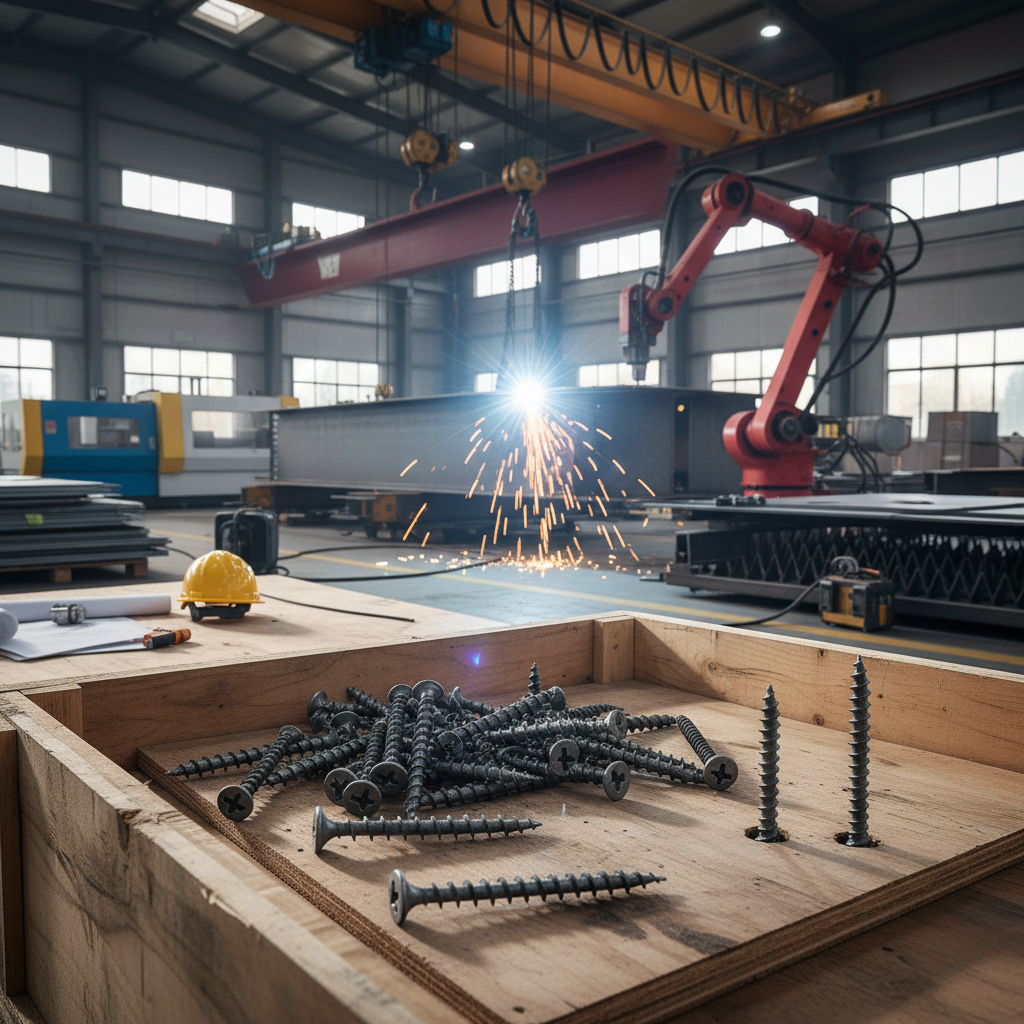
To address these challenges, the industry has pivoted toward specialized construction screws for subfloor. These aren't standard multipurpose screws; they are engineered to handle the specific shear forces and compression needs of flooring systems. In regions with extreme weather fluctuations, such as North America and Northern Europe, the use of high-torque, corrosion-resistant screws has become the gold standard for preventing floor failure.
Defining Professional Construction Screws for Subfloor
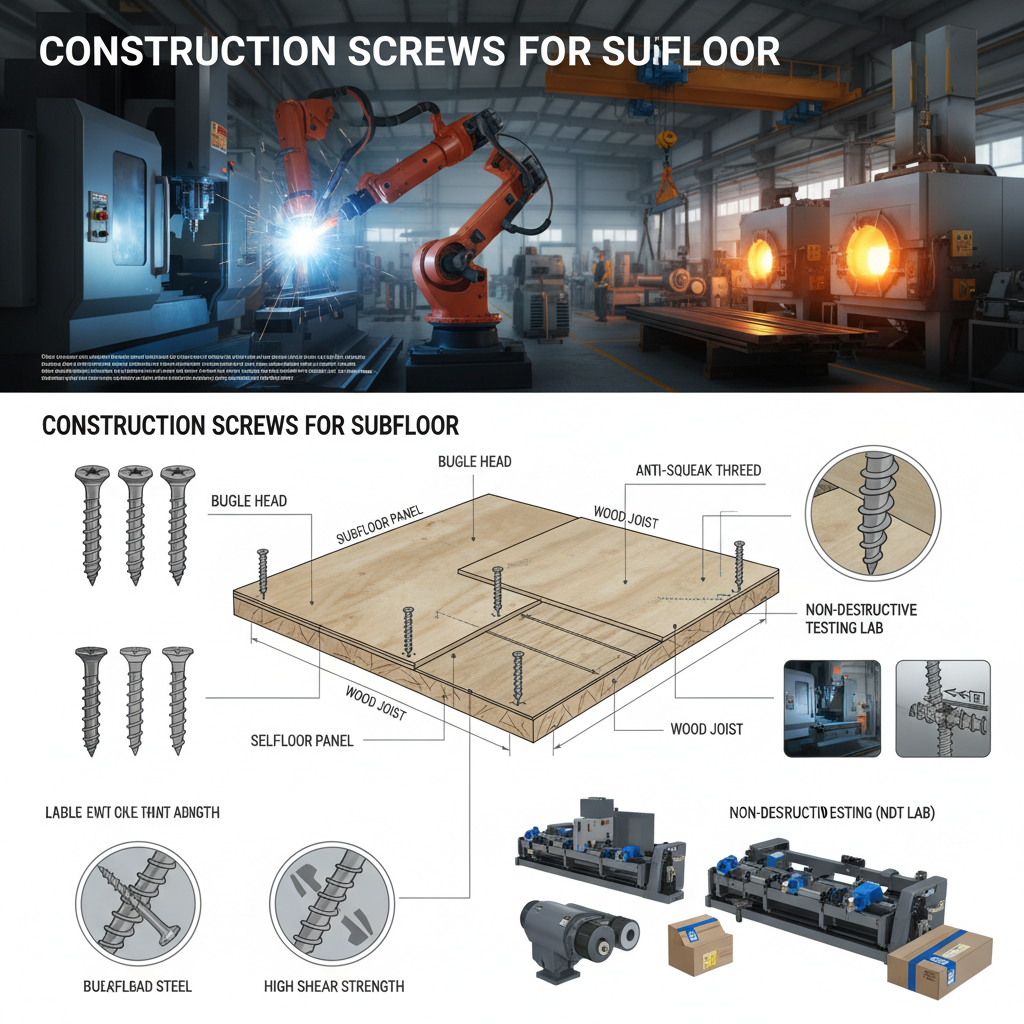
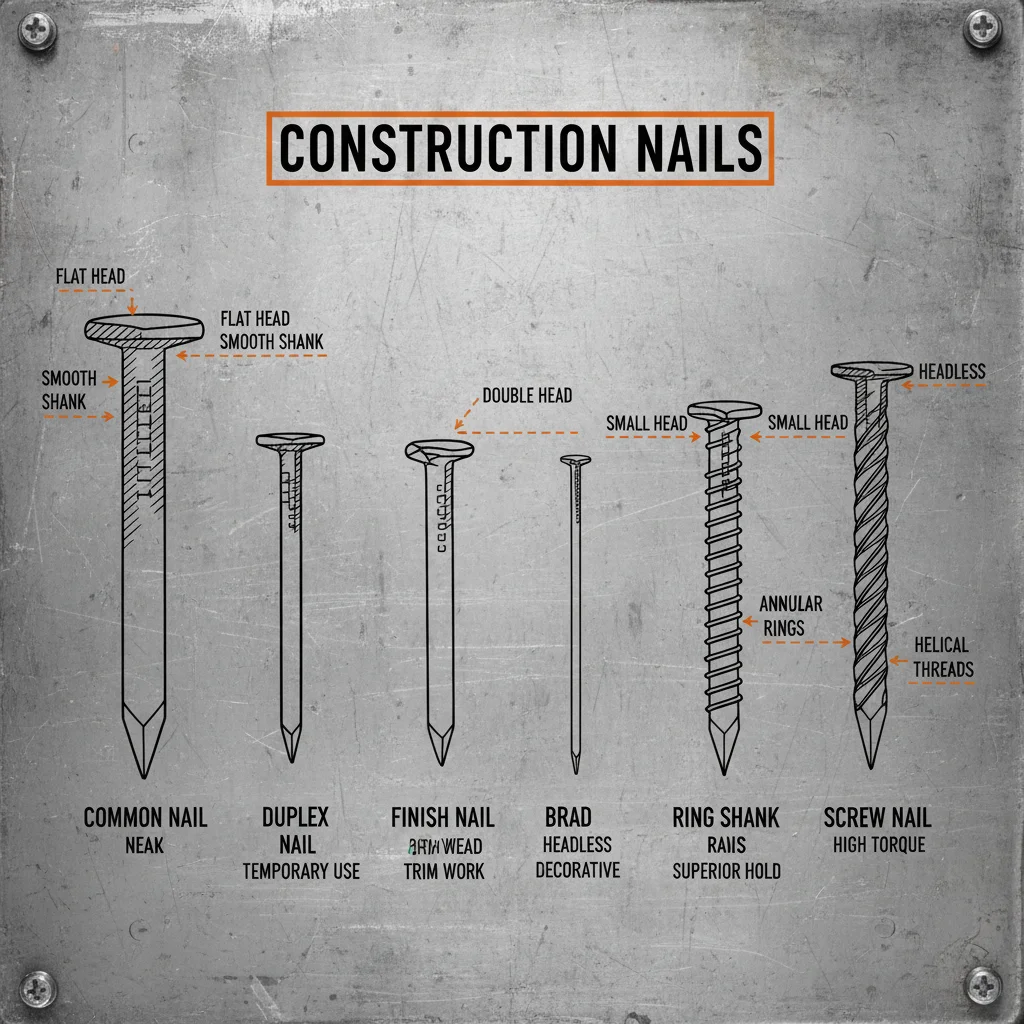
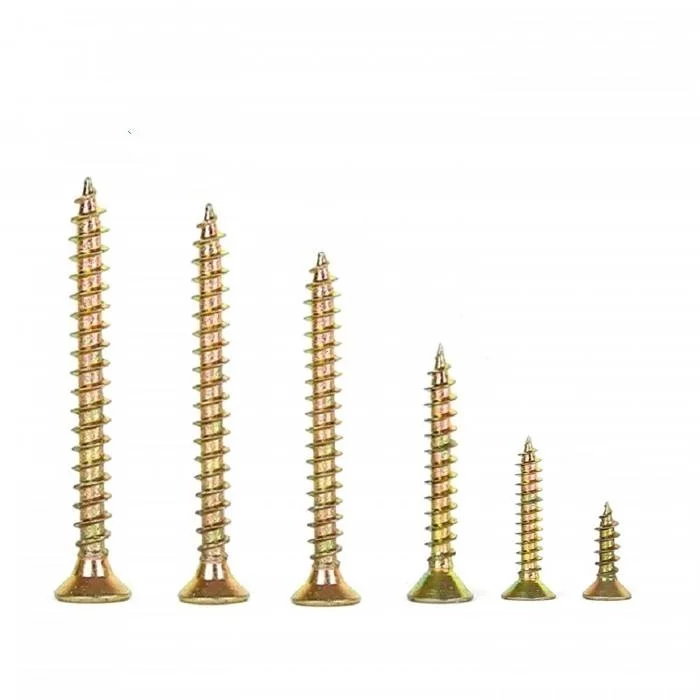
At its simplest, construction screws for subfloor are heavy-duty fasteners designed to secure subfloor panels (like plywood or OSB) to floor joists. Unlike nails, which rely on friction and can "creep" or pull out over time, these screws utilize a threaded shank that bites into the wood fibers, creating a permanent mechanical lock that resists uplifting forces.
From an industrial perspective, these fasteners are a bridge between raw material strength and architectural longevity. They are often characterized by a coarse thread for maximum grip in softwoods and a specialized head design—such as a Torx or Square drive—to prevent "cam-out," ensuring that the screw is driven flush with the surface without stripping the head.
The humanitarian and economic need for these tools is evident in the rise of modular and prefabricated housing. By using standardized, high-strength screws, builders can assemble flooring systems faster and with greater precision, reducing the cost of labor and ensuring that affordable housing remains safe and durable for the inhabitants.
Core Components of High-Performance Fasteners
Durability is the foremost requirement for any construction screws for subfloor. This involves not just the hardness of the steel, but the coating applied to the surface. Zinc-plated or ceramic-coated finishes prevent oxidation in damp crawlspaces or basements, ensuring that the fastener does not rust and compromise the structural integrity of the wood.
Tensile and Shear Strength are the technical pillars that prevent floor failure. A high-quality screw must resist the lateral force (shear) as people walk across the floor and the vertical force (tensile) as the wood expands and contracts. The use of heat-treated carbon steel allows these screws to bend slightly under extreme stress without snapping, providing a safety margin in seismic zones.
Drive Efficiency and Head Geometry are often overlooked but are vital for professional installation. A flat-bottomed head ensures the subfloor is pulled tight against the joist, eliminating gaps. When combined with an aggressive thread pitch, construction screws for subfloor reduce the need for pre-drilling, significantly accelerating the construction timeline.
Comparative Analysis of Fastening Efficiency
When comparing different methods of securing a subfloor, the data consistently points toward specialized screws as the superior choice. Traditional nailing is faster during the initial installation phase but fails significantly in long-term maintenance. Screws provide a consistent clamping force that nails simply cannot replicate, leading to a dramatic reduction in "floor squeaks" over a five-year period.
The efficiency of construction screws for subfloor is measured by their pull-out resistance and the speed of installation when paired with modern impact drivers. Below is a performance breakdown comparing various fastener types used in modern flooring.
Performance Rating of Subfloor Fastening Methods
Global Applications and Regional Use Cases
In North American residential construction, construction screws for subfloor are the primary choice for high-end custom homes and multi-family complexes. The emphasis here is on acoustic luxury; the goal is to create a silent floor that doesn't echo or creak, which directly impacts the perceived quality of the build and the satisfaction of the homeowner.
In other contexts, such as rapid industrialization zones in Southeast Asia or post-disaster reconstruction efforts in the Caribbean, these fasteners enable the use of modular "flat-pack" flooring systems. Because they can be easily driven and, if necessary, removed for structural adjustments, they offer a flexibility that nails cannot provide, allowing NGOs and commercial contractors to deploy housing solutions in record time.
Long-Term Value and Structural Advantages
The logical argument for utilizing premium construction screws for subfloor centers on the reduction of lifecycle costs. While the initial cost per unit is higher than a nail, the elimination of future floor repairs, the avoidance of peeling finish flooring (like LVP or hardwood), and the increased stability of the joists create a net positive financial outcome over ten to twenty years.
Beyond the numbers, there is an emotional component: trust and safety. A floor that feels solid underfoot provides a sense of security and dignity for the occupants. In commercial settings, such as hotels or hospitals, the reliability of the subfloor prevents hazardous gaps or uneven surfaces, reducing liability and enhancing the user experience.
Furthermore, the use of high-quality screws supports sustainability. By preventing the premature failure of subfloor panels, we reduce the amount of demolition waste that ends up in landfills during renovations. Precision fastening means fewer replaced panels and a smaller carbon footprint for the building's maintenance cycle.
Future Trends in Subfloor Fastening Technology
The future of construction screws for subfloor is leaning heavily toward "Smart Materials" and automation. We are seeing the development of self-adaptive coatings that can seal the puncture hole as the screw enters, preventing moisture from seeping into the joists. This integration of chemistry and metallurgy will further extend the life of timber frames.
Additionally, the rise of robotic assembly in the construction industry requires fasteners with extremely consistent tolerances. Automation-ready screws with specialized guida-tips are being developed to allow robotic arms to drive fasteners with micron-level precision, eliminating human error and ensuring every single joist is perfectly secured.
Sustainability is also driving a shift toward recycled alloy steels and biodegradable coatings. The industry is moving toward a circular economy where the fasteners themselves are sourced from recycled scrap without sacrificing the tensile strength required for heavy-duty structural work.
Technical Comparison of Future-Ready Subfloor Fastening Specifications
| Material Grade |
Coating Technology |
Installation Speed |
Eco-Impact Score (1-10) |
| Carbon Steel C1022 |
Clear Zinc Plated |
Standard |
6 |
| Hardened Alloy Steel |
Ceramic Polymer |
Fast |
8 |
| Stainless Steel 304 |
None (Natural) |
Moderate |
9 |
| High-Tensile Recycled Steel |
Eco-Phosphate |
Fast |
10 |
| Heat-Treated Carbon |
Black Oxide |
Standard |
7 |
| Case-Hardened Alloy |
Nano-Ceramic |
Ultra-Fast |
8 |
FAQS
Screws provide a far superior mechanical bond compared to nails. While nails can pull loose as wood dries and shrinks—causing floors to squeak—screws have threads that lock into the joist, maintaining a tight connection regardless of moisture changes. This prevents the subfloor from lifting and ensures a silent, stable walking surface for the life of the building.
Most modern high-performance construction screws for subfloor feature a self-tapping tip or a "type 17" point that cuts through wood fibers as it is driven. This eliminates the need for pre-drilling in most softwoods and engineered panels, significantly speeding up the installation process without increasing the risk of splitting the wood.
For subfloor applications, Torx (Star) or Square drives are highly recommended over Phillips heads. Because subfloor screws require significant torque to pull the panel tight against the joist, Phillips heads often "cam out" or strip. Torx drives provide a more secure fit and allow for faster, more consistent driving with impact tools.
While they share similar strengths, you must check the coating. Subfloor screws are often designed for indoor, low-moisture environments. For outdoor decking, you need screws specifically rated for exterior use with hot-dipped galvanized or 305/316 stainless steel finishes to prevent corrosion from rain and soil contact.
The gauge (thickness) of the screw determines its shear strength. A thicker gauge provides more stability against lateral movement but can be more prone to splitting thin panels. The ideal subfloor screw balances diameter with thread depth to ensure maximum grip without compromising the integrity of the plywood or OSB.
Yes, most local building codes specify a maximum distance between fasteners—typically 6 to 12 inches along the edges and every 8 to 12 inches in the field. Using high-strength construction screws allows you to meet these codes with confidence, ensuring the floor can handle the rated live load of the occupancy type.
Conclusion
In summary, the transition to specialized construction screws for subfloor is a fundamental upgrade for any modern builder. By prioritizing tensile strength, corrosion resistance, and drive efficiency, these fasteners solve the age-old problem of unstable, noisy flooring. From the precision of the head geometry to the resilience of the alloy steel, every detail is designed to ensure that the foundation of the home remains undisturbed for generations.
As the industry moves toward more sustainable materials and automated construction, the role of the fastener will only become more critical. We recommend that contractors and architects move away from legacy nailing methods and embrace high-torque screw systems to guarantee structural longevity and client satisfaction. For the highest quality industrial fasteners, visit our website: www.lianshiwjnail.com.