In the modern construction landscape, the integrity of any structure—from sprawling commercial complexes to bespoke residential furniture—rests upon the invisible strength of its connections. High-quality building fasteners serve as the skeletal ligaments of the built environment, ensuring that diverse materials like steel, wood, and composite panels remain securely bonded under immense pressure and environmental stress.
The global demand for precision-engineered fastening solutions has surged as architectural designs become more complex and the push for sustainable, modular building increases. Understanding the nuances of different fastener types, from tapping screws to specialized architectural decorative hardware, is no longer just a technical requirement for engineers but a critical factor in ensuring long-term structural safety and operational efficiency.
By focusing on material science and rigorous manufacturing standards, the industry is shifting toward fasteners that offer not only superior load-bearing capacities but also enhanced corrosion resistance. This guide explores the multifaceted world of building fasteners, providing professional insights into their selection, application, and the innovative trends shaping the future of the metal products industry.
Global Industry Context of Building Fasteners
On a global scale, the fasteners market is an indispensable pillar of the industrial economy. According to ISO standards and global trade data, the transition toward prefabricated and modular construction has exponentially increased the reliance on specialized building fasteners. These components are no longer viewed as simple commodities but as engineered products that must meet stringent safety codes to prevent structural failures in high-density urban environments.
One of the primary challenges facing the industry is the volatility of raw material costs and the increasing requirement for carbon-neutral manufacturing processes. As cities in Asia and Africa undergo rapid urbanization, the need for fasteners that can be deployed quickly without sacrificing structural integrity—such as high-efficiency tapping screws and shooting nails—has become a priority for government infrastructure projects and private developers alike.
Defining Building Fasteners in Modern Construction
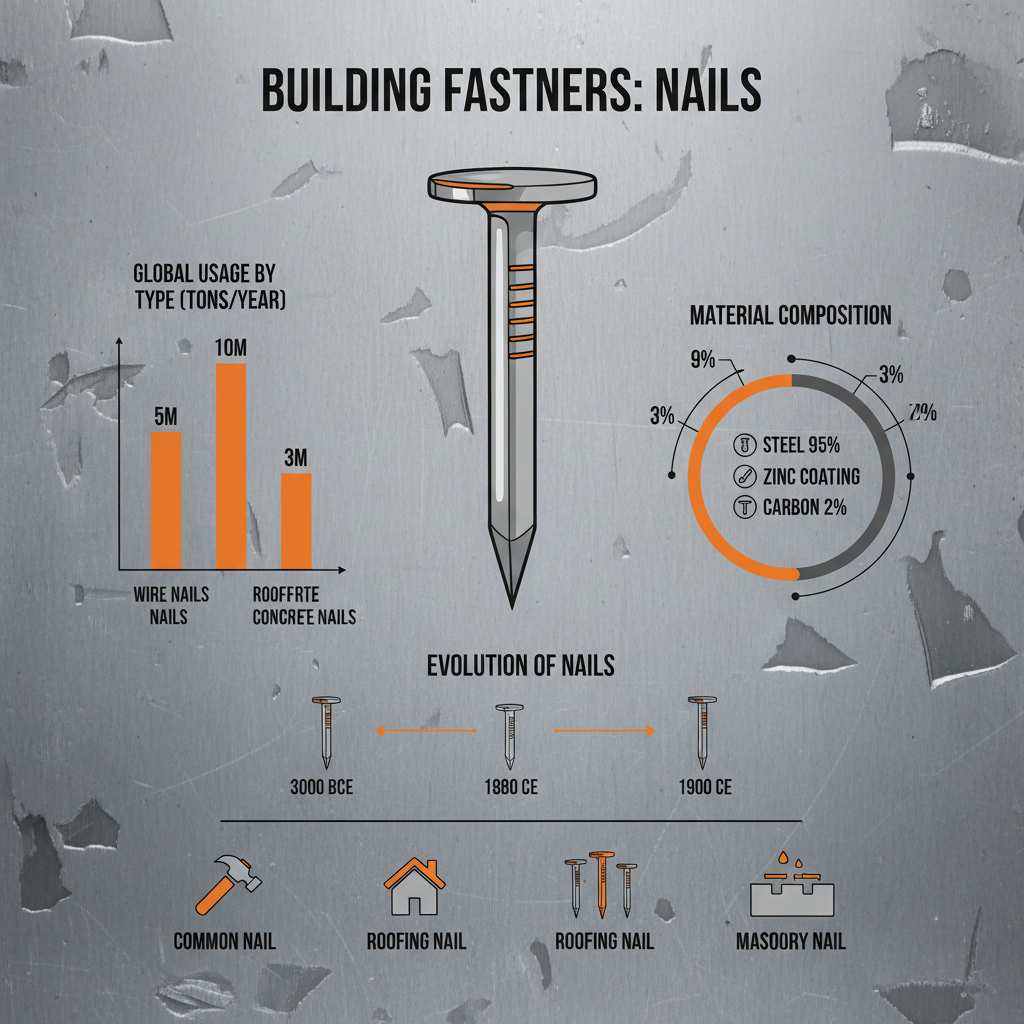
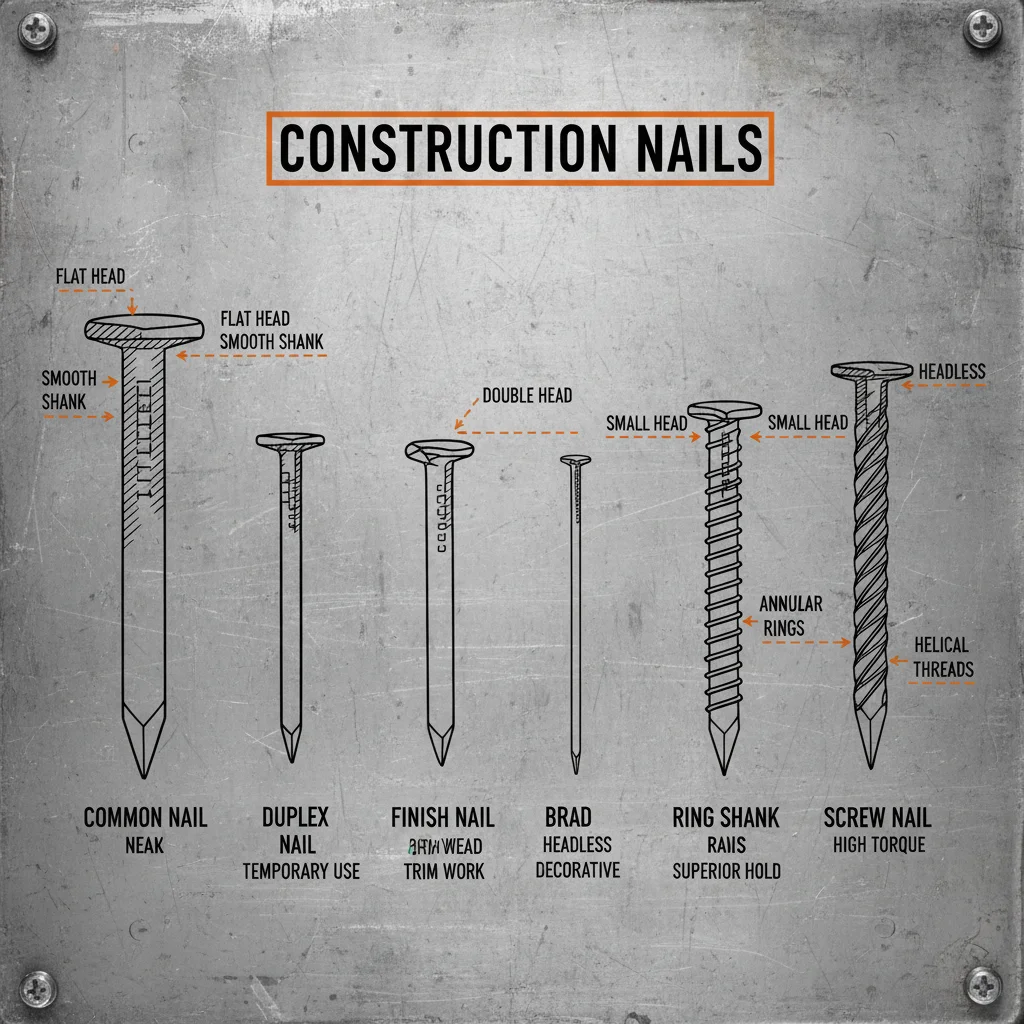
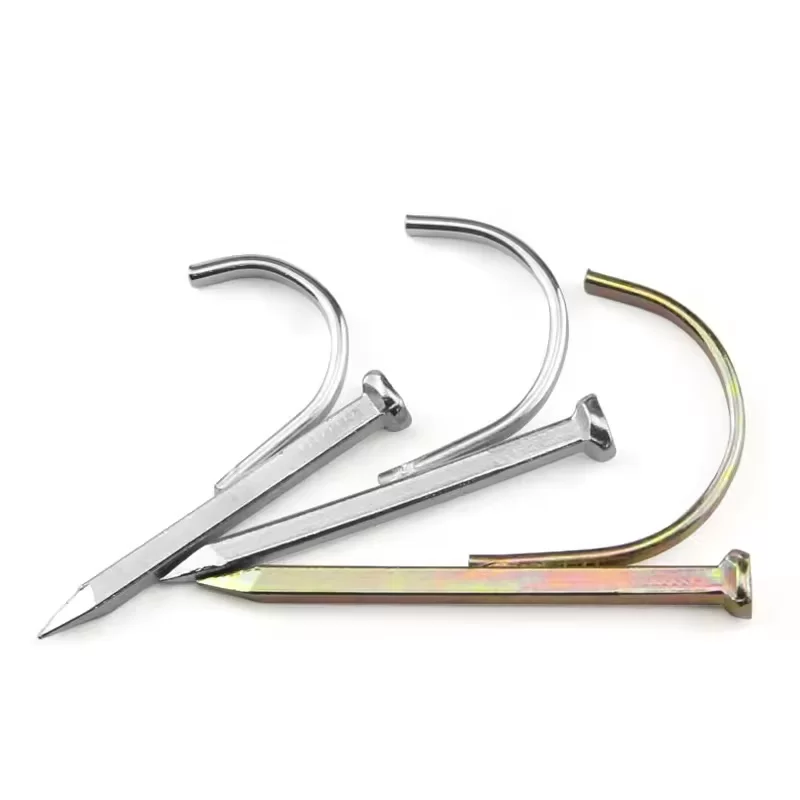
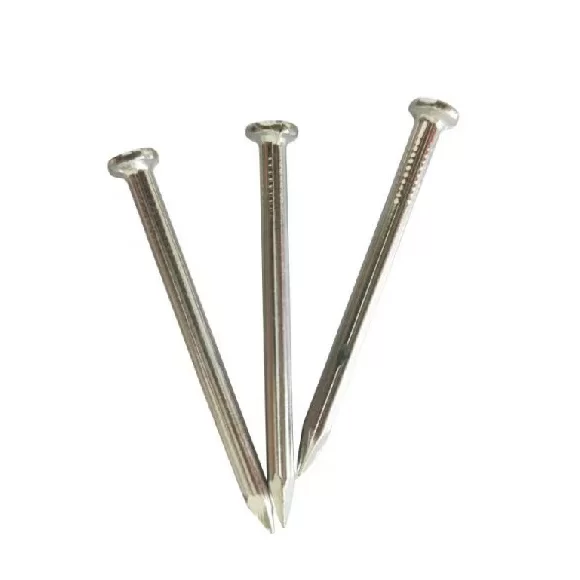
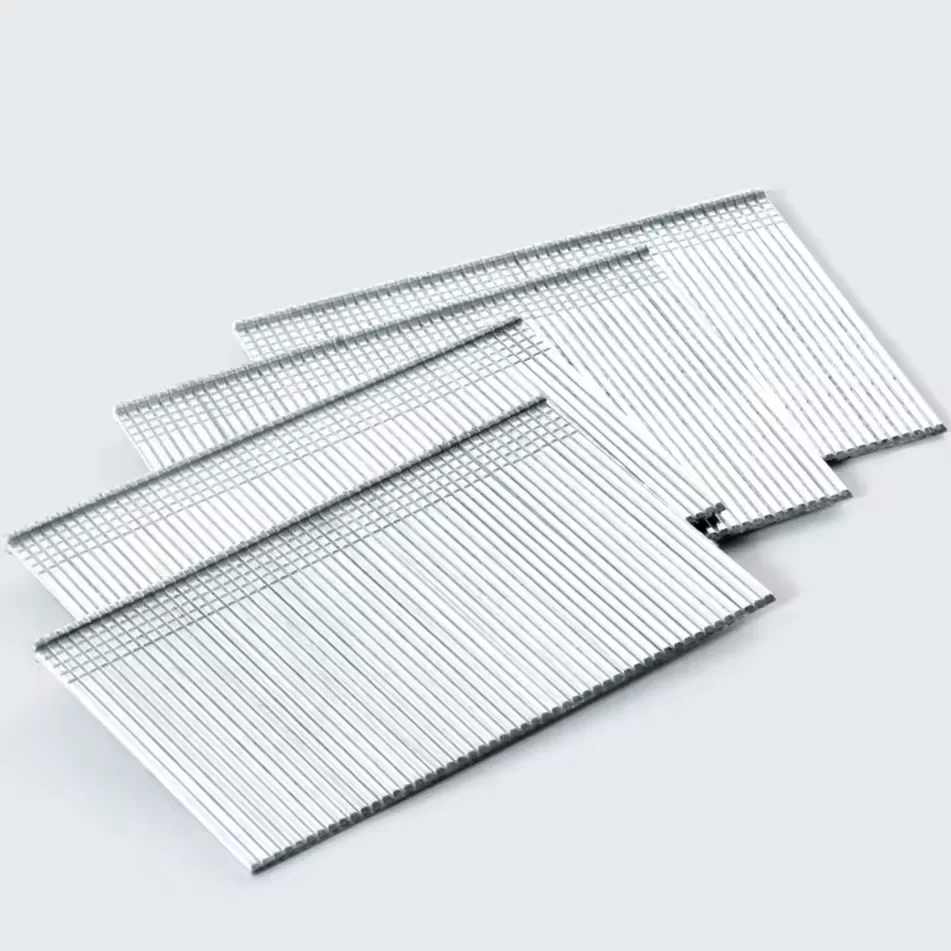
In simple terms, building fasteners are hardware devices that mechanically join two or more objects together. While the concept is ancient, modern building fasteners encompass a vast array of products, including Architectural Decorative Hardware for aesthetics, Household Hardware for interior utility, and high-strength Steel Nail Shooting Nails for heavy-duty framing.
The connection to modern industry lies in the precision of their manufacture. Today's fasteners are designed using CAD and FEA (Finite Element Analysis) to ensure they can withstand specific shear and tensile loads. This evolution has enabled the creation of skyscrapers and complex furniture systems that are both lightweight and incredibly strong, bridging the gap between architectural ambition and physical reality.
Beyond the technical specifications, these components address humanitarian needs by enabling the rapid assembly of emergency shelters and affordable housing. When disaster relief operations require immediate infrastructure, the availability of reliable, easy-to-install fastening systems can mean the difference between a secure shelter and a hazardous structure, highlighting the social impact of industrial hardware.
Core Components of High-Performance Fasteners
Durability is the cornerstone of any fastening solution. For building fasteners used in exterior cladding or coastal regions, corrosion resistance is achieved through advanced coatings such as galvanization, zinc-plating, or stainless steel alloys. This ensures that the structural bond does not degrade over decades of exposure to moisture and pollutants.
Load-bearing capacity and scalability are equally vital. Engineers must calculate the exact torque and tension requirements for different materials. Whether it is a tapping screw for light-gauge steel or a heavy-duty anchor for concrete, the fastener must scale its performance to match the load of the building, preventing "creep" or loosening over time.
Cost-efficiency is often balanced with material quality. By optimizing the manufacturing process—such as utilizing cold-heading technology for bulk production—manufacturers can provide high-strength building fasteners that remain affordable for large-scale projects without compromising on the safety margins required by international building codes.
Global Applications and Real-World Use Cases
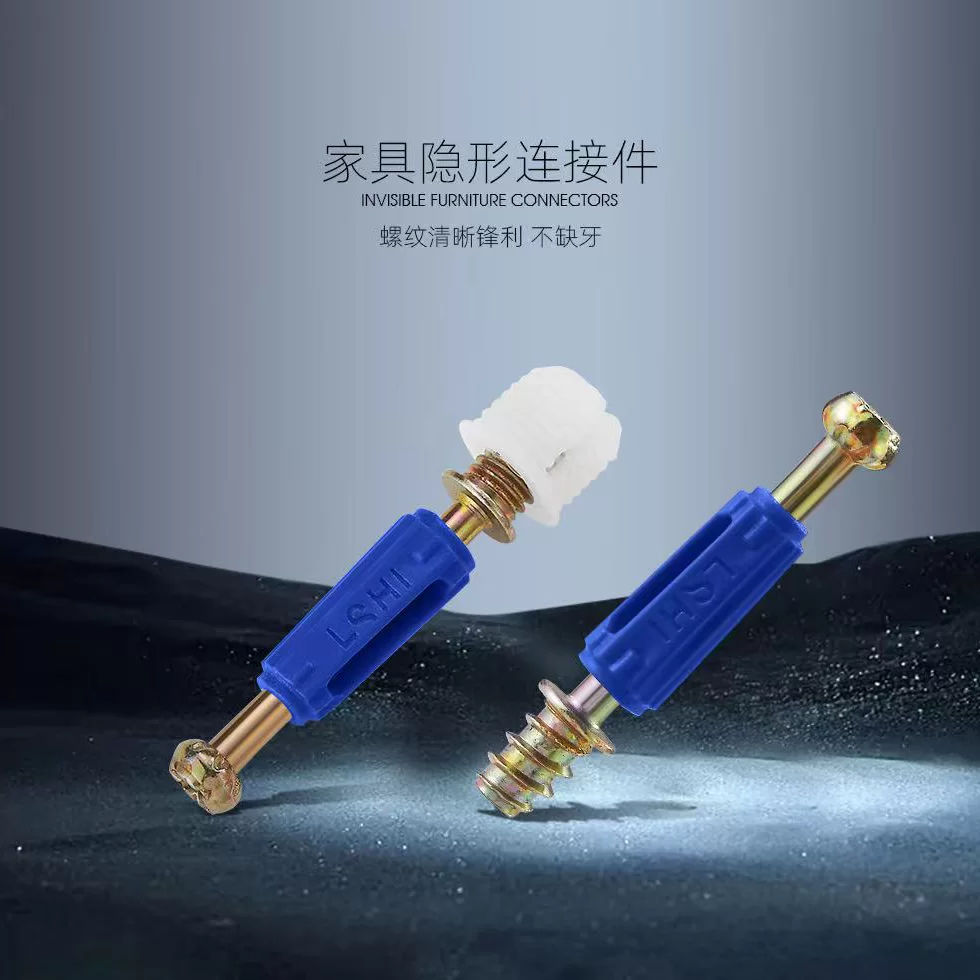
The practical application of building fasteners varies wildly across different sectors. In the commercial sector, Architectural Decorative Hardware is used to blend structural necessity with visual appeal in luxury hotels and corporate headquarters. Meanwhile, in the residential sector, household hardware and tapping screws are the primary drivers for the assembly of flat-pack furniture and modular cabinetry.
In more extreme contexts, such as post-disaster relief in seismic zones, the use of specialized shooting nails allows for the near-instantaneous erection of temporary wooden frames. In remote industrial zones, such as mining camps in Northern Canada or oil rigs in the North Sea, fasteners must be specifically engineered to handle extreme thermal contraction and expansion without failing.
Performance Comparison of Fastening Methods
Long-Term Value and Reliability Advantages
Investing in premium building fasteners yields tangible long-term economic benefits. While lower-grade fasteners may reduce initial procurement costs, they often lead to expensive maintenance cycles, premature oxidation, and potential structural repairs. High-quality components reduce the Total Cost of Ownership (TCO) by extending the lifespan of the entire assembly.
Beyond the financial aspect, there is a profound emotional and logical value rooted in safety and trust. When a building is secured with certified, high-performance fasteners, it provides occupants with peace of mind and dignity. Innovation in this field isn't just about strength; it's about the reliability that allows architects to push boundaries while knowing the foundation is secure.
Future Innovations in Fastening Technology
The future of building fasteners is being driven by the "Green Building" movement. We are seeing a shift toward bio-composite coatings and recyclable alloys that reduce the environmental footprint of construction. Digital transformation is also playing a role, with "smart fasteners" equipped with sensors that can alert facility managers to tension loss or structural fatigue in real-time.
Automation in manufacturing, particularly the use of AI-driven quality control, is eliminating human error in the production of tapping screws and shooting nails. This ensures that every single piece meets a micron-level tolerance, which is essential for the next generation of robotic assembly in modular housing.
Furthermore, the integration of 3D printing (additive manufacturing) allows for the creation of custom-shaped fasteners for highly complex architectural joints. This capability enables the creation of organic structural shapes that were previously impossible to secure using traditional off-the-shelf hardware.
Overcoming Common Challenges in Fastener Selection
One of the most common failures in construction is the "incorrect fastener for the material" error. Using a standard screw in a high-corrosion environment or a low-torque fastener in a high-vibration area can lead to catastrophic results. The solution lies in an educational approach to procurement, where material compatibility charts are used to match the fastener to the substrate.
Another challenge is the proliferation of counterfeit or sub-standard hardware in global supply chains. Expert insight suggests implementing a strict certification process, requiring ISO or ASTM documentation for all building fasteners used in load-bearing applications. This ensures that the theoretical strength of the design matches the actual strength of the installed hardware.
Finally, the industry is addressing the challenge of installation speed versus quality. By developing self-drilling and self-tapping technologies, manufacturers are reducing the need for pre-piloting holes, thereby accelerating the construction timeline without compromising the grip or the integrity of the joint.
Technical Analysis of Building Fastener Material Performance
| Material Type |
Corrosion Resistance |
Tensile Strength |
Ideal Application |
| Carbon Steel (Zinc Plated) |
Moderate (4/10) |
High (8/10) |
Indoor Drywall/Furniture |
| Stainless Steel 304 |
Very High (9/10) |
Moderate (7/10) |
Outdoor Decorative Hardware |
| Galvanized Steel |
High (7/10) |
High (9/10) |
Heavy Framing/Outdoor Decks |
| Alloy Steel (Heat Treated) |
Low (3/10) |
Extreme (10/10) |
Industrial Machinery/Steel Beams |
| Brass/Bronze |
High (8/10) |
Low (4/10) |
Architectural Accents |
| Titanium Alloys |
Extreme (10/10) |
High (9/10) |
Aerospace/High-End Marine |
FAQS
Tapping screws are designed to create their own thread as they are driven into a material, making them ideal for precise assembly in metal or plastic. Shooting nails, on the other hand, are propelled by pneumatic or powder-actuated tools for high-speed framing and heavy-duty attachment. Tapping screws offer a removable, high-torque connection, while shooting nails are designed for permanent, rapid fixation.
Selection depends on the environment. For interior dry areas, zinc plating is sufficient. For exterior residential use, hot-dip galvanization is recommended. For coastal or high-humidity environments, stainless steel (304 or 316 grade) is essential to prevent rust and structural degradation. Always consult the environment's salinity and moisture levels before specifying the coating.
Not necessarily. Architectural Decorative Hardware is primarily designed for aesthetics and moderate loads. While they are durable, they typically lack the high tensile and shear strength of industrial structural fasteners like alloy steel bolts or heavy-duty anchors. For load-bearing walls or roofs, always use fasteners specifically rated for structural support.
Yes, metal fasteners can conduct heat, creating "thermal bridges" that reduce the energy efficiency of an insulated wall. To solve this, the industry is moving toward using fasteners with thermal breaks or choosing specific materials and spacing that minimize heat transfer without compromising the structural integrity of the building.
Check for three things: uniform coating (no flakes or gaps), consistent thread pitch (no burrs or irregularities), and certification marks. High-quality building fasteners will have consistent head dimensions and a smooth finish. Furthermore, reputable manufacturers provide batch test reports (MTRs) confirming the material's chemical composition.
It depends on the type. Tapping screws and bolts are designed for disassembly and can often be reused if the threads remain intact. However, shooting nails and standard wood screws often damage the substrate during removal, making them unsuitable for reuse. For modular designs intended for relocation, we recommend using bolting systems or specialized removable hardware.
Conclusion
In summary, the role of building fasteners extends far beyond simple joining; they are the critical intersection of safety, durability, and architectural innovation. From the precision of tapping screws to the rapid deployment of shooting nails and the elegance of decorative hardware, these components ensure that our physical world remains stable and sustainable. By prioritizing material science and adhering to rigorous global standards, the industry continues to enable safer and more efficient construction practices.
As we move toward a future of smart cities and sustainable building, the importance of selecting the right fastening solutions will only increase. We encourage architects, engineers, and contractors to move beyond a commodity-based mindset and view fasteners as engineered systems. Investing in quality today prevents failure tomorrow. For professional-grade solutions and expert guidance on the best hardware for your next project, visit our website: www.lianshiwjnail.com.