
Hit enter to search or ESC to close
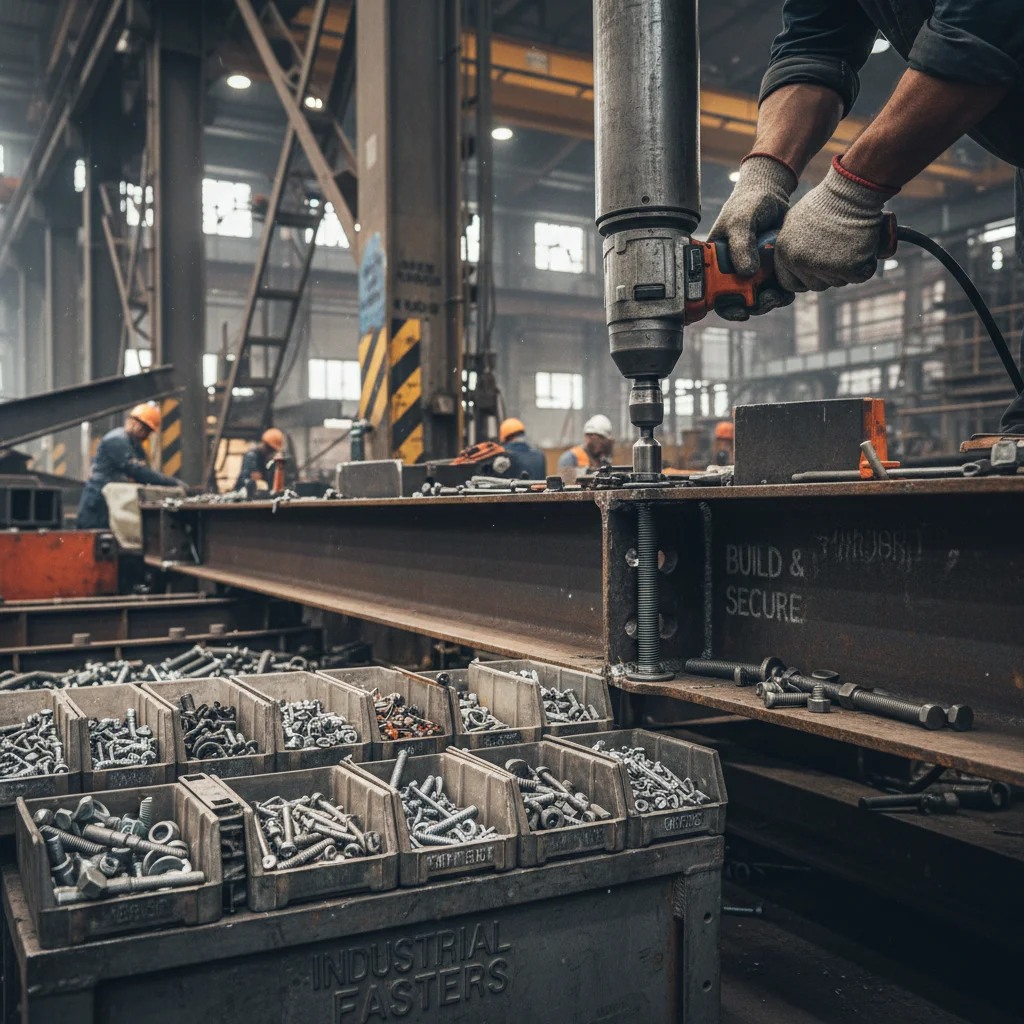
You know, I’ve been running around construction sites for fifteen years now, breathing in dust and dealing with…well, everything. Building hardware manufacturers, that’s what we’re talking about. Seems simple enough, right? But honestly, it’s a world of headaches and little victories. Lately, everyone’s obsessed with modular construction, prefabrication. Speed, efficiency, less waste… that's the mantra. But it's not just slapping together some pre-made panels. It’s about the connections, the details, the stuff that really matters when the wind's howling and you’re trying to get a roof over someone's head.
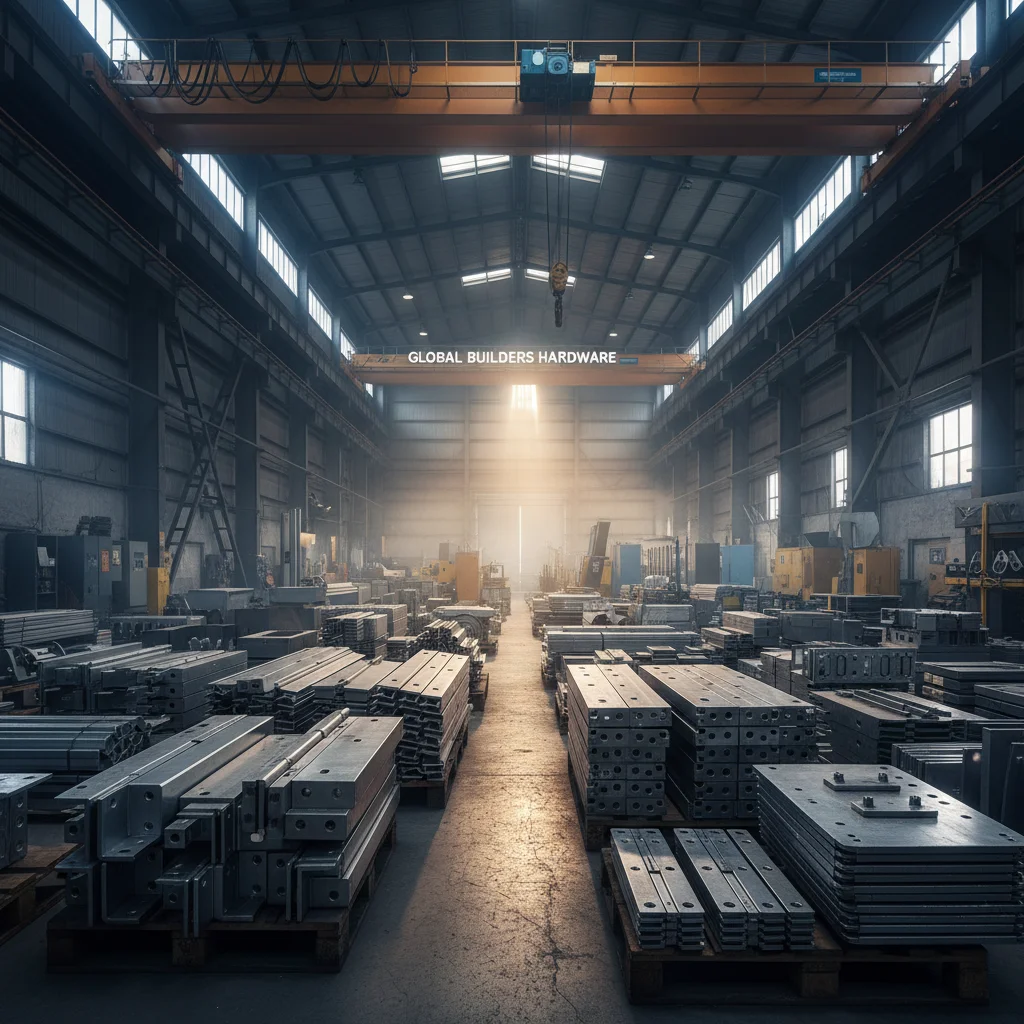
And it's a global thing. I was in Dubai last year, massive projects, but the supply chains… a nightmare. Everything's coming from somewhere, and when something goes wrong, it goes wrong big. ISO standards are important, sure, but they don’t account for a stubborn foreman who’s convinced his way is the only way. To be honest, it's about trust. If a manufacturer can't deliver consistently, all the certifications in the world won't save them.
It all boils down to getting things built, and built right. Simple as that. People forget that. They get lost in the marketing fluff, the fancy materials… but at the end of the day, it’s about a solid connection, a secure structure, and knowing it's going to stand.


Have you noticed how many smaller manufacturers are popping up, specializing in niche connectors and fasteners? It's good in a way – more competition, potentially lower prices. But it also means quality control is all over the place. You're seeing a lot of stuff coming out of Asia, and while some of it is excellent, a lot of it... isn’t. The big boys, they're consolidating, buying up these smaller companies, trying to control the market. Which, frankly, is a bit scary.
Strangely, the demand for old-fashioned stuff is holding strong too. I was at a restoration project in Boston last year, and they needed specific wrought iron brackets that hadn't been made in decades. Turns out, there's still a market for that traditional craftsmanship. You can't automate everything, you know?
Lead times vary wildly. For standard stuff, maybe a week or two. But for custom designs, especially with unique materials or complex geometries, you’re looking at 6-8 weeks, sometimes longer. It depends on the manufacturer's capacity, the material availability, and the complexity of the job. We always recommend placing orders well in advance to avoid delays, especially during peak construction season. I once had a client who needed a specific bracket for a stadium, and he didn't order it until the last minute. It delayed the entire project by a month!
That’s a good question. Always ask the manufacturer for documentation demonstrating compliance with relevant building codes. Look for certifications like ASTM, ISO, and UL. And don’t just rely on their word for it – verify the certifications with the issuing agency. Furthermore, local codes vary significantly, so it’s crucial to confirm compatibility with your specific location. I’ve seen projects stalled because the hardware didn’t meet local fire safety regulations.
Corrosion is a huge issue, especially in coastal areas or industrial settings. The best approach is to choose materials that are inherently corrosion-resistant, like stainless steel or galvanized steel. But even then, proper coatings and regular maintenance are essential. We recommend applying a protective sealant or paint to exposed surfaces. And, of course, avoid using dissimilar metals in contact with each other, as this can accelerate corrosion. I learned that the hard way on a project in Florida.
Each fastener has its strengths and weaknesses. Bolts are strong and reusable, but require more space and time to install. Screws are easier to install, but generally less strong. Rivets are permanent and vibration-resistant, but can't be easily removed. The choice depends on the application. For structural connections, bolts are usually the best choice. For lighter-duty applications, screws or rivets may be sufficient. It's about choosing the right tool for the job.
Yes, absolutely. Most metal building hardware can be recycled. Steel, aluminum, and stainless steel are all highly recyclable materials. However, it’s important to separate the hardware from other construction waste. Many recycling facilities will accept clean metal scrap. Reducing waste and promoting sustainability is becoming increasingly important in the construction industry.
We're seeing a lot of innovation in smart hardware – sensors embedded in fasteners, self-tightening bolts, and corrosion-resistant coatings. There's also a growing trend towards modular construction, which is driving demand for standardized, easily connectable hardware. And, of course, 3D printing is starting to play a role, allowing for the creation of custom hardware on demand. It's a rapidly evolving field, and it's exciting to see what's coming next.
So, building hardware manufacturers – it’s more than just nuts and bolts. It’s about quality, reliability, and understanding the real-world challenges faced by the people who actually build things. It's about navigating a complex global market, adapting to changing regulations, and embracing new technologies. It's a messy business, but it’s a crucial one.
The industry is constantly evolving, and staying ahead requires a combination of technical expertise, practical experience, and a healthy dose of skepticism. Ultimately, whether this thing works or not, the worker will know the moment he tightens the screw. Visit our website to find out more about our range of high-quality building hardware solutions.

JOIN OUR NEWSLETTER