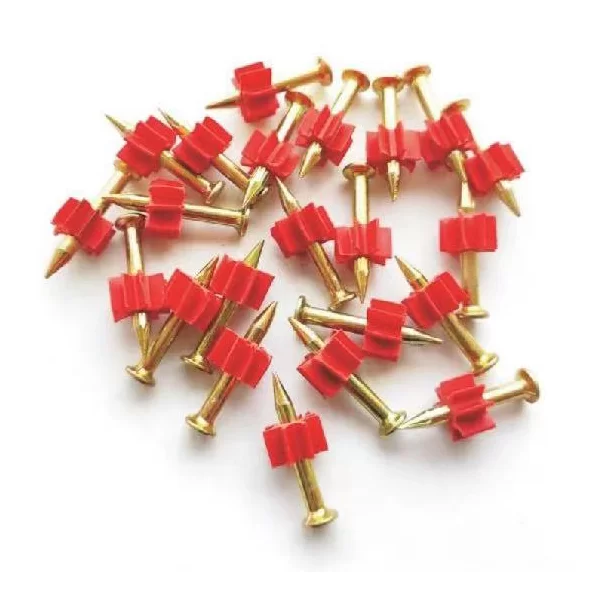
Look, after running around construction sites all year, you start to notice patterns. Lately, everyone's obsessed with prefabrication, modular builds… basically, anything that saves time and labor. It's not just a trend, it's necessity. Labor's getting expensive, skilled tradespeople are harder to find. Everyone wants speed, right? But speed at what cost, that’s the real question.
To be honest, I've seen a lot of designs that look good on paper, but fall apart the second you try to actually build them. Things like assuming everything is perfectly level, or designing connections that are impossible to reach with a standard wrench. Have you noticed how architects love to specify these crazy angles? It looks good in the rendering, but on-site it’s just a nightmare. It's always the details, the little things that trip you up.
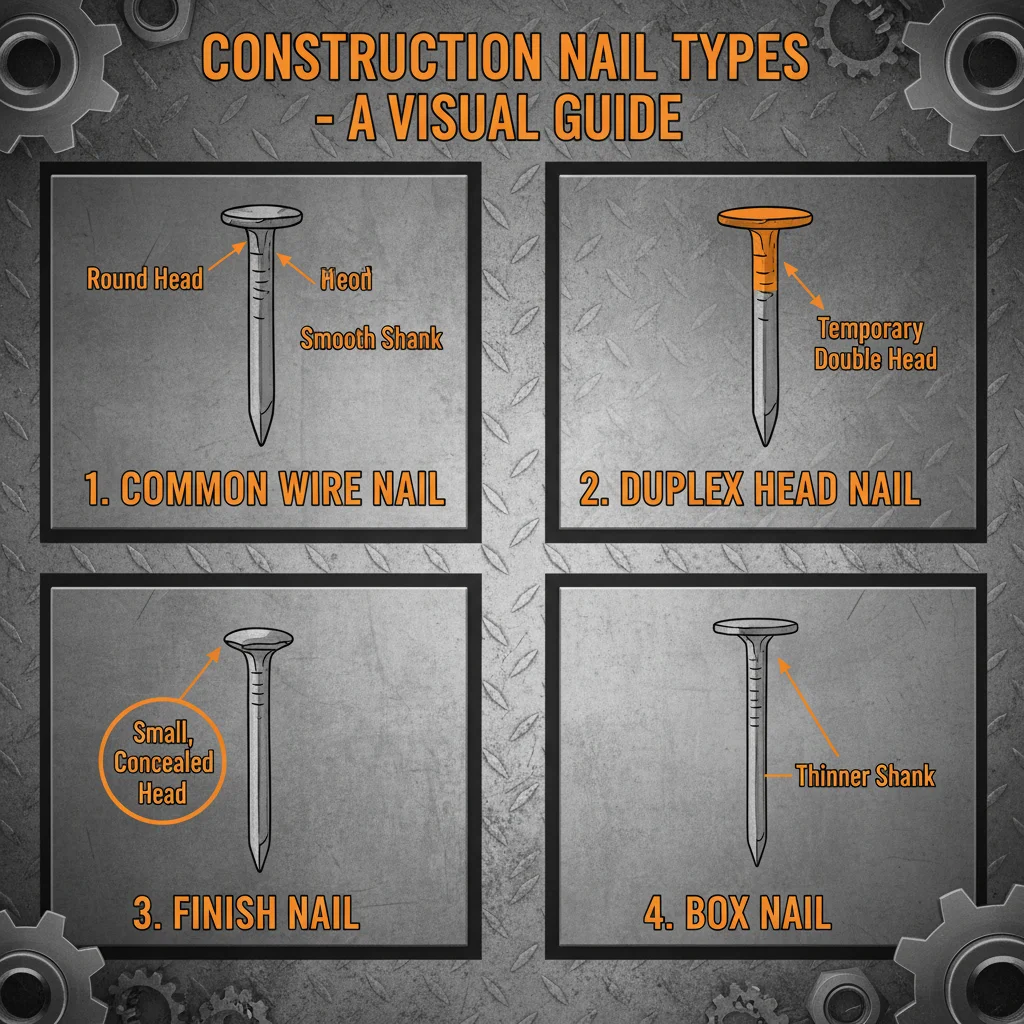
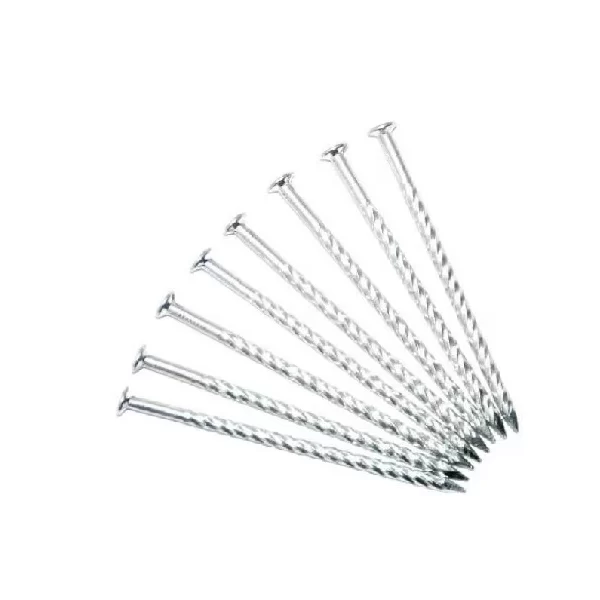
We specialize in fasteners, mostly. Nails, screws, bolts, the whole shebang. It’s surprisingly interesting, actually. It’s not just about metal anymore. We're seeing a huge push for stainless steel, of course, corrosion resistance is key, especially near the coast. But even within stainless, there are grades. 304 is good, 316 is better, especially for marine applications. You can smell the difference too, almost a… cleaner scent. And the newer zinc alloys? Forget about it, they feel almost plastic-like until you put some force on them. We handle a lot of carbon steel too, obviously, but the coatings are becoming more and more critical.
Industry Trends and Design Pitfalls
Strangely enough, the biggest trend right now isn't a new material, it's smart logistics. Everyone's trying to figure out how to get materials to the site faster and with less waste. Pre-kitted packages, just-in-time delivery… it's all about streamlining. And honestly, it's about time. The amount of stuff I’ve seen sitting in the rain because the schedule got messed up… it’s criminal.
But design-wise, I'm seeing a lot of over-engineering. Engineers trying to be clever, using these super-complex connection details that require specialized tools and training. It’s supposed to save money in the long run, but usually, it just adds to the cost and delays. Simple is often better. Trust me.
Material Selection and Handling
The feel of a good screw, you know? It’s got weight, the threads are sharp, the head is perfectly formed. It just feels… solid. A cheap screw feels flimsy, the threads strip easily. It's subtle, but you can tell. We deal with a lot of hardened steel screws too - those are a pain to handle, they'll chew up your drill bits if you're not careful. I encountered this at a factory in Ningbo last time, they were using these ridiculously hard screws for attaching the cladding, and the guys were going through drill bits like crazy.
We’re also seeing a rise in composite materials, obviously. Fiberglass, carbon fiber… lightweight, strong, but expensive. And they can be brittle. You have to be careful not to overtighten the fasteners, or you’ll crack the material. We’ve had clients ask for titanium fasteners, too. Titanium! For a shed. I mean, come on.
Anyway, I think the key is understanding the environment. Salt air, extreme temperatures, constant vibration… these all affect material performance. You can't just pick the cheapest option and hope for the best.
Testing and Real-World Applications
Lab tests are fine, but they don't tell the whole story. I’ve seen fasteners pass all the lab tests and still fail miserably on site. The real test is seeing how they hold up under actual construction conditions. We do a lot of pull-out tests ourselves, just to be sure. We take samples from each batch and put them through the wringer.
We've also started doing more field testing. We go to construction sites and install fasteners ourselves, then monitor them over time. It's more expensive, but it gives us a much better understanding of how our products perform in the real world. It's also a good way to get feedback from the guys on the ground. They're the ones who are actually using the stuff, after all.
And what about how people actually use them? It's not always what you expect. We found out a lot of carpenters are just using impact drivers with crazy high torque settings, stripping screws left and right. They're all about speed, they don't care about precision.
Advantages, Disadvantages and Customization
The biggest advantage of our fasteners is reliability. We don't sell cheap junk. We source high-quality materials and we have strict quality control. That’s something you just don’t see enough of these days. We've also got a wide range of sizes and finishes.
The disadvantage? Price. We're not the cheapest option, but we offer value. You get what you pay for, and with fasteners, skimping can cost you a lot more in the long run. We do offer customization, though. Last year, a client building high-end homes wanted screws with a specific head shape to match the trim. It was a pain to set up, but we did it. We can also do custom coatings and packaging.
Fastener Performance Metrics
A Customer Story from Shenzhen
Last month, this small boss in Shenzhen who makes smart home devices – real go-getter, always pushing the limits – insisted on changing the interface to for the enclosure screws. Said it was for a "premium look." He wanted tiny, perfectly flush USB screws to secure the housing. I tried to talk him out of it. I said, "Look, it's a screw, not a fashion statement." But he wouldn't listen.
He got a batch made, and the result was… a disaster. The screws were too fragile, the heads stripped easily, and the assembly line ground to a halt. He ended up having to switch back to standard screws, and he lost a week of production. I felt bad for him, but honestly, he brought it on himself. Sometimes, you just have to stick with what works.
Practical Data and Specifications
We keep a pretty detailed spec sheet on everything, but it’s mostly for the engineers. Most of the guys on site just care about what size wrench they need. Here's a quick rundown of some common materials and their properties: Stainless Steel 304: Tensile strength around 70-80 kN/mm², good corrosion resistance. Carbon Steel: Tensile strength 60-70 kN/mm², needs a protective coating. Zinc Alloy: Tensile strength around 40-50 kN/mm², cheap but prone to corrosion.
And don’t get me started on thread types. Metric, Imperial, coarse, fine… it’s a mess. We try to stick with metric whenever possible, it’s just easier to deal with. We also keep a stock of specialized fasteners, like self-tapping screws for metal roofing and concrete anchors for heavy-duty applications. It’s about having the right tool for the job, right?
We focus on maintaining consistent dimensions. It sounds basic, but a slight variation in diameter can cause big problems during assembly.
Key Material Properties for Building Hardware Wholesale Suppliers
| Material Type |
Tensile Strength (kN/mm²) |
Corrosion Resistance (1-10) |
Typical Applications |
| Stainless Steel 316 |
75-90 |
9 |
Marine environments, chemical processing |
| Carbon Steel (Zinc Plated) |
60-75 |
6 |
General construction, indoor applications |
| Aluminum Alloy |
40-55 |
7 |
Lightweight structures, aircraft components |
| Brass |
50-65 |
8 |
Plumbing, decorative hardware |
| Nylon |
30-45 |
10 |
Electrical insulation, low-stress applications |
| Titanium |
90-110 |
10 |
Aerospace, high-performance applications |
FAQS
Honestly, it’s not thinking about corrosion. People see “stainless steel” and assume it’s good to go. But there are different grades, and some are better suited for harsh environments than others. You need to consider the salt air, the humidity, the exposure to chemicals. A cheap stainless screw will rust faster than a properly coated carbon steel one in the right conditions.
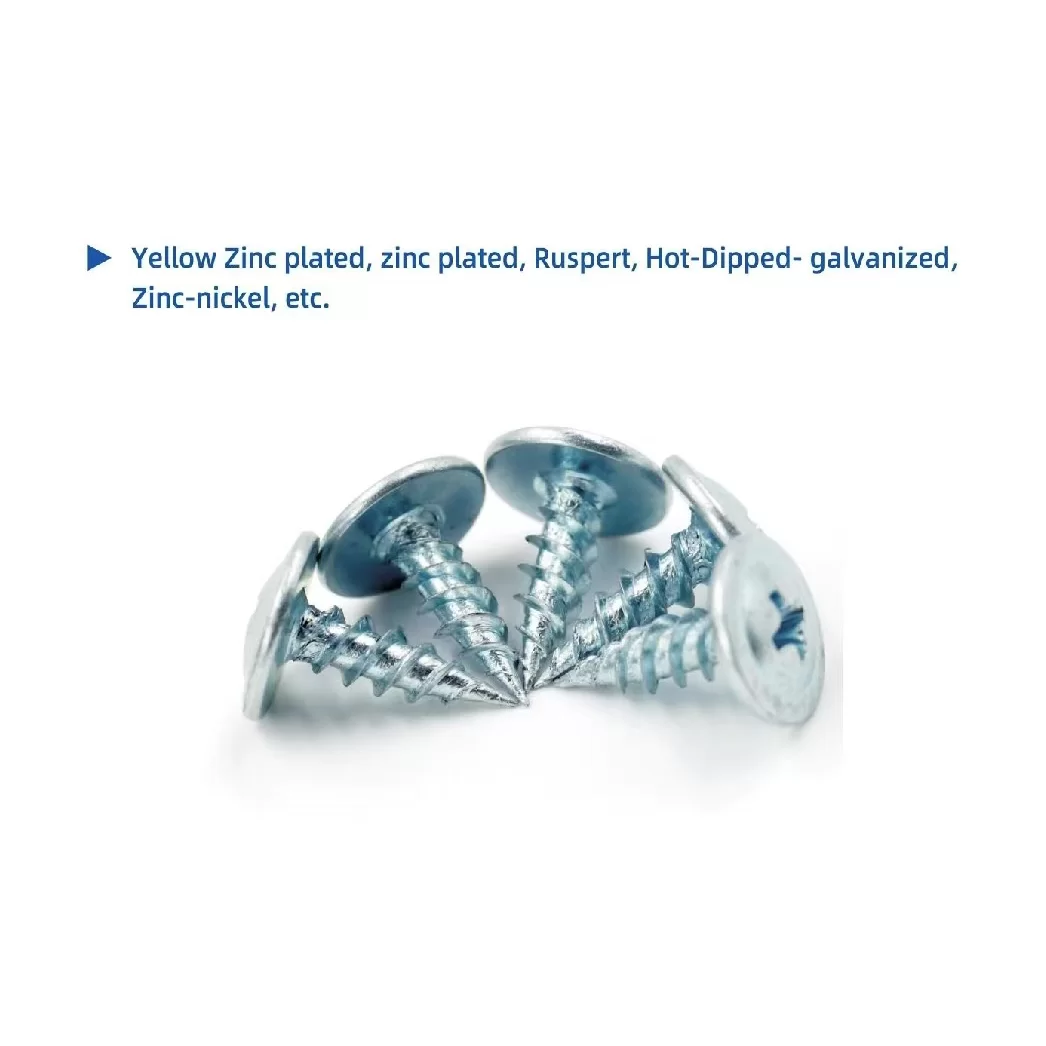
Huge. The coating is the first line of defense against corrosion. A good coating will protect the screw for years, even in harsh conditions. A bad coating will fail quickly, leading to rust and ultimately, failure. Look for coatings that are specifically designed for outdoor use, like hot-dip galvanizing or ceramic coatings.
Square drive (Robertson) screws are much better. They allow you to apply more torque without stripping the head. Phillips heads are prone to cam-out, which means the driver slips out of the screw head. It's frustrating and can damage the screw. Plus, square drive screws are easier to install with one hand.
Stainless steel 316 is your best bet. It’s specifically designed for marine environments. Make sure the fasteners are fully passivated, which means they’ve been treated to remove any surface contaminants that could cause corrosion. And avoid using dissimilar metals, like steel and aluminum, as they can cause galvanic corrosion.
It depends. If the fasteners are in good condition and haven't been damaged, you can reuse them. But if they're rusty or stripped, you should replace them. It's always better to be safe than sorry. A failed fastener can cause a lot of damage.
Absolutely. That’s a big consideration when designing structures. If you use materials with different coefficients of thermal expansion, they will expand and contract at different rates when exposed to temperature changes. This can create stress and potentially lead to failure. You need to account for this in your design.
Conclusion
So, what have we learned? It’s not just about picking a screw or a nail. It's about understanding the materials, the environment, the application, and the people who are actually going to be using them. It’s about paying attention to the details, and not getting caught up in the hype.
Ultimately, whether this thing works or not, the worker will know the moment he tightens the screw. If it feels right, it probably is. And if it feels wrong? Well, you better change it before it causes a problem. That’s all there is to it, really. Visit our website for more information: www.lianshiwjnail.com