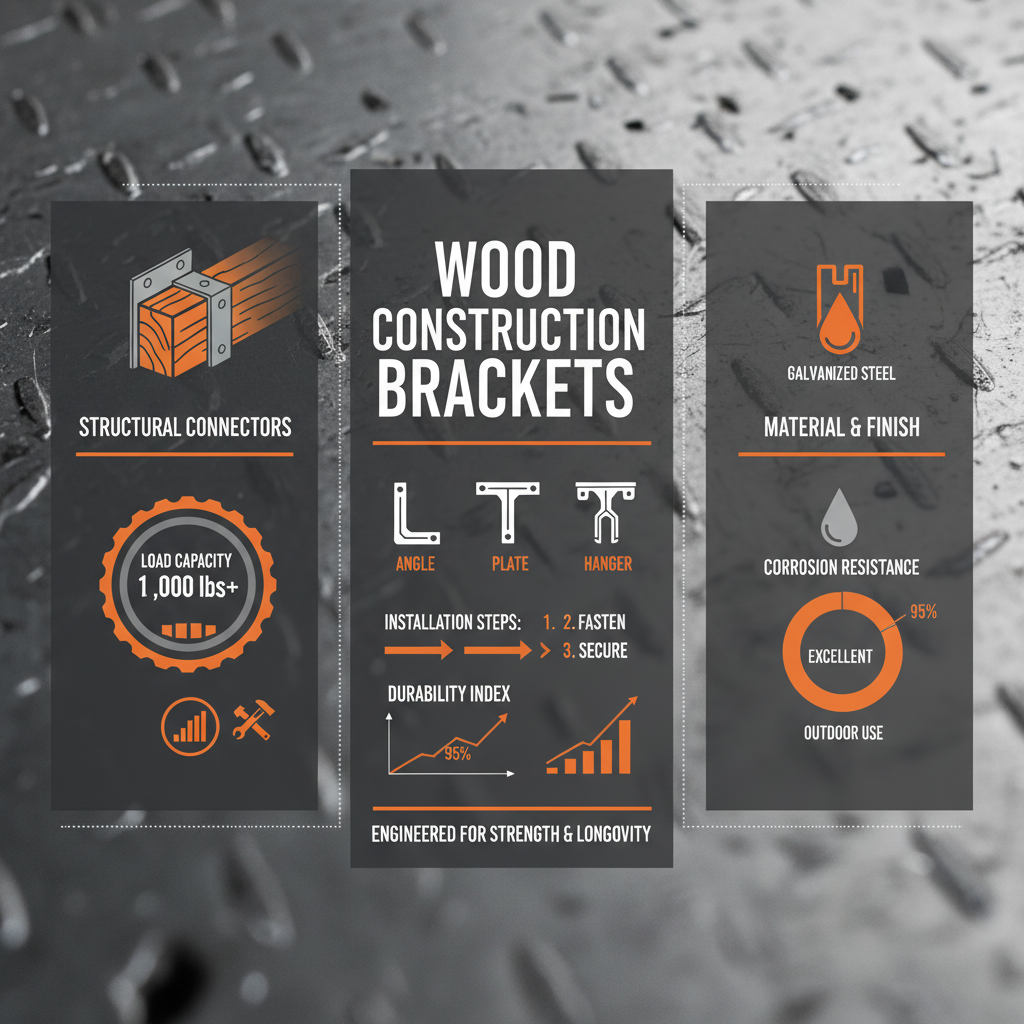
Metal brackets for wood construction are essential components in modern building practices, offering robust and reliable connections for a diverse range of applications. These brackets, typically crafted from steel or stainless steel, significantly enhance the structural integrity of wooden frameworks, ensuring safety and longevity in everything from residential homes to large-scale commercial projects. Understanding their function, types, and proper application is crucial for builders, engineers, and anyone involved in wood-based construction.
The global demand for efficient and durable building materials is constantly increasing, driven by factors like population growth, urbanization, and a growing emphasis on sustainable construction practices. Metal brackets for wood construction directly address this demand by providing a cost-effective and readily available solution for strengthening wood structures. Their adaptability and ease of installation make them a preferred choice for projects worldwide, contributing to safer and more resilient infrastructure.
Furthermore, advancements in metal alloy technology and manufacturing processes are continually improving the performance and versatility of metal brackets. This leads to innovative designs, increased load-bearing capacities, and enhanced corrosion resistance, making them suitable for even the most challenging environmental conditions. The integration of these brackets into prefabrication and modular construction techniques is further streamlining building processes and reducing construction time.
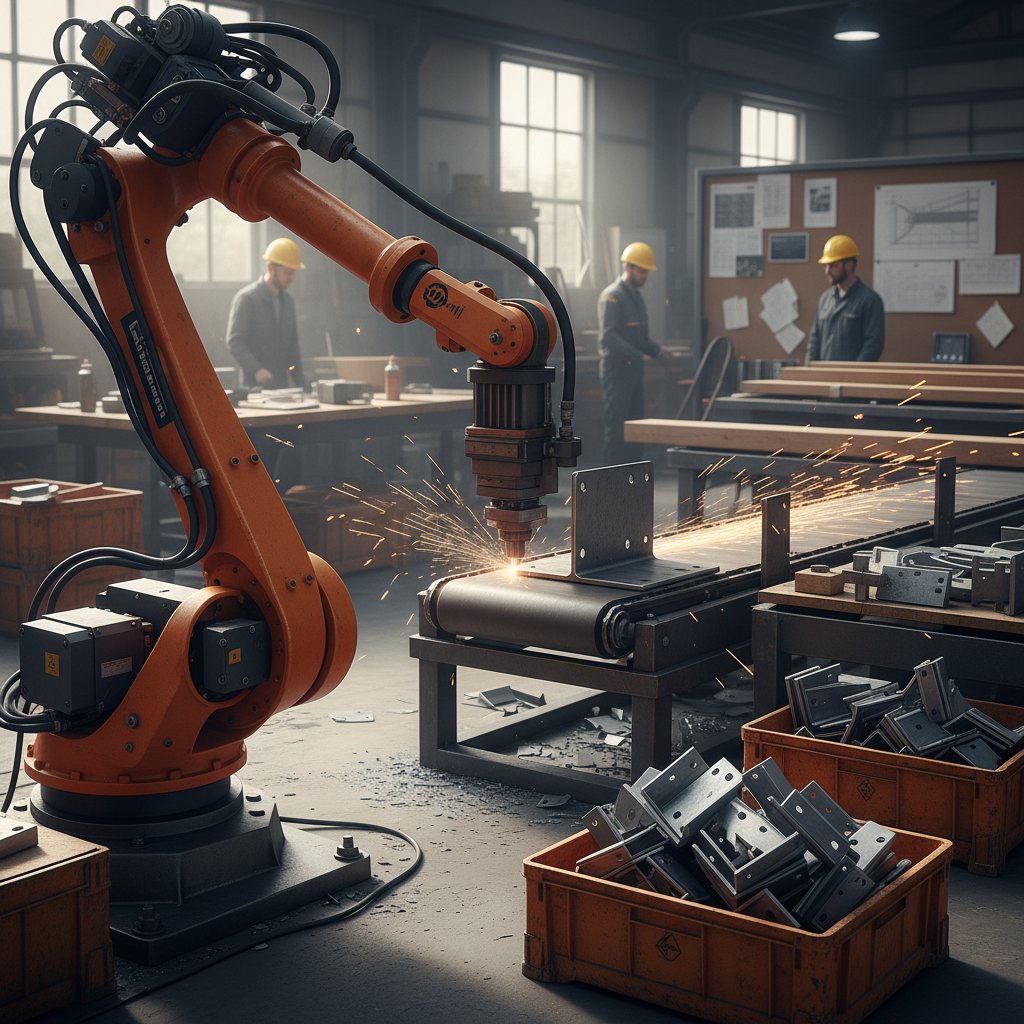
Introduction to metal brackets for wood construction
Metal brackets for wood construction are integral to ensuring the stability and safety of structures built with wood. Their primary function is to reinforce joints and connections, distributing loads effectively and preventing structural failure. The use of these brackets simplifies construction, reduces reliance on complex joinery techniques, and ultimately leads to more durable and resilient buildings.
Choosing the right type of bracket is crucial for success. Factors such as load requirements, wood species, environmental conditions, and aesthetic considerations all play a role in the selection process. A thorough understanding of the different bracket types – including angle brackets, joist hangers, and post bases – is essential for any construction professional working with wood.
Global Relevance and Industry Context
The construction industry is a major contributor to global economic output, accounting for approximately 6-8% of global GDP, as reported by the World Bank. Within this industry, wood remains a significant building material, particularly in residential construction. Metal brackets for wood construction are therefore essential for supporting this vast sector, and their demand is closely tied to global construction trends. The use of timber-frame construction is also gaining traction worldwide due to its sustainability and efficiency.
Increasingly stringent building codes and safety regulations are driving the adoption of metal brackets. International standards organizations like ISO are actively developing and promoting standards for timber connections, further emphasizing the importance of reliable and tested bracket systems. This demand is particularly pronounced in regions prone to natural disasters like earthquakes and hurricanes, where robust structural connections are vital for building resilience.
The rise of prefabrication and modular construction techniques also fuels the demand for metal brackets. These methods rely on precise and efficient connections, and metal brackets provide a fast and dependable solution for assembling modular components, reducing on-site construction time and labor costs.
Defining Metal Brackets for Wood Construction
Metal brackets for wood construction are connecting hardware pieces, typically made of steel, stainless steel, or aluminum, designed to join two or more pieces of wood together. They’re used to reinforce connections, transfer loads, and increase the overall structural stability of wooden structures. Unlike traditional wood joinery techniques that rely on complex cuts and adhesives, metal brackets offer a more straightforward and consistent method of connecting wood members.
The connection between metal brackets and wood relies on mechanical fasteners, such as screws or nails, to create a secure bond. Proper fastener selection and installation are critical for achieving the bracket’s rated load capacity. The brackets come in a wide array of shapes and sizes, each designed for specific applications, from simple corner bracing to complex roof framing.
These brackets play a vital role in modern construction, not just for new builds but also for renovation and repair projects. Their ability to quickly and easily reinforce existing wood structures makes them an indispensable tool for contractors and homeowners alike. They represent a fundamental aspect of ensuring the longevity and safety of wood-based buildings.
Key Factors and Core Components
Durability: Metal brackets for wood construction are known for their exceptional durability. Steel and stainless steel are resistant to corrosion, rot, and insect damage, ensuring long-lasting performance even in harsh environments. This longevity reduces the need for frequent repairs and replacements, leading to cost savings over the lifespan of the structure.
Load Capacity: The load capacity of a bracket is a critical factor in determining its suitability for a specific application. Brackets are engineered to withstand specific tensile, shear, and compressive forces. Choosing a bracket with an appropriate load rating is essential for maintaining structural integrity and preventing failures.
Load Capacity Variations in Metal Brackets for Wood Construction
Global Applications & Use Cases
Metal brackets for wood construction are employed in a vast array of projects worldwide. In residential building, they are commonly used for deck framing, roof truss connections, and securing ledger boards for siding. Commercial construction utilizes them extensively in timber-frame structures, warehouses, and industrial buildings requiring high load-bearing capacities.
In post-disaster relief operations, prefabricated shelters often rely heavily on metal brackets for rapid assembly and structural stability. Their ease of installation and ability to create secure connections make them ideal for quickly providing safe and reliable housing in emergency situations. Similarly, in remote industrial zones where access to skilled labor is limited, metal brackets simplify construction and ensure consistent quality.
Agricultural applications also benefit from their use, such as constructing barns, sheds, and livestock enclosures. The durability of the brackets ensures that these structures can withstand harsh weather conditions and the demands of agricultural operations. The adaptability of metal brackets makes them a versatile solution for diverse building needs across the globe.
Advantages and Long-Term Value
The advantages of using metal brackets for wood construction extend beyond immediate structural benefits. Cost efficiency is a significant factor, as brackets can reduce labor costs and material waste compared to traditional joinery methods. Their standardized designs and readily available supply chains contribute to project predictability and budget control.
Sustainability is another key advantage. Wood is a renewable resource, and using metal brackets to enhance its structural performance promotes sustainable building practices. The longevity of the brackets also minimizes the need for replacements, reducing waste and conserving resources. Furthermore, the improved structural integrity offered by these brackets contributes to safer and more resilient buildings, ultimately safeguarding lives and property.
Future Trends & Innovations
The future of metal brackets for wood construction is closely tied to advancements in materials science and digital fabrication. Researchers are exploring the use of high-strength, lightweight alloys, such as aluminum-lithium alloys, to create brackets with even greater load-bearing capacities and reduced weight. The integration of smart sensors into brackets is also a growing trend, allowing for real-time monitoring of structural health and early detection of potential failures.
Automation and robotic installation systems are poised to revolutionize the construction process. Robots equipped with precision placement tools can install brackets quickly and accurately, improving efficiency and reducing labor costs. Building Information Modeling (BIM) software is also playing a crucial role, allowing engineers and architects to design structures with optimized bracket placement for maximum performance and efficiency.
Challenges & Solutions
One of the main challenges associated with metal brackets for wood construction is ensuring proper installation. Incorrectly installed brackets can significantly reduce their load-bearing capacity and compromise structural integrity. Providing comprehensive training and certification programs for installers is crucial for addressing this issue.
Another challenge is corrosion, particularly in coastal environments or areas with high humidity. Using corrosion-resistant materials, such as stainless steel or galvanized steel, and applying protective coatings can mitigate this risk. Regular inspections and maintenance are also essential for identifying and addressing corrosion before it becomes a structural concern.
Finally, ensuring compatibility between different bracket types and wood species can be complex. Manufacturers are developing standardized bracket systems and providing detailed compatibility charts to simplify the selection process and ensure optimal performance.
Summary of Challenges and Solutions Related to Metal Brackets for Wood Construction
| Challenge |
Severity |
Potential Impact |
Proposed Solution |
| Improper Installation |
High |
Reduced Load Capacity, Structural Failure |
Installer Certification Programs, Quality Control |
| Corrosion |
Medium to High |
Weakened Bracket Integrity, Reduced Lifespan |
Corrosion-Resistant Materials, Protective Coatings |
| Material Compatibility |
Medium |
Reduced Connection Strength, Wood Damage |
Standardized Systems, Detailed Compatibility Charts |
| Bracket Selection |
Medium |
Under or Over-Engineering, Cost Inefficiency |
Detailed Load Calculations, Expert Consultation |
| Lack of Standardization |
Low to Medium |
Interoperability Issues, Increased Complexity |
Industry-Wide Standards Adoption, Component Interfacing |
| Limited Awareness |
Low |
Underutilization, Suboptimal Design |
Educational Programs, Marketing Campaigns |
FAQS
The most common types include angle brackets for reinforcing corners, joist hangers for supporting floor joists, post bases for anchoring posts to foundations, and hurricane ties for resisting wind uplift. Each bracket is designed for a specific application and load requirement, and selecting the correct type is crucial for structural integrity. Proper installation using appropriate fasteners is equally important.
Determining the correct load capacity requires considering several factors, including the weight of the materials being supported, the anticipated dynamic loads (e.g., wind, snow, seismic activity), and the spacing between brackets. Building codes often provide specific guidelines for load calculations. Consult with a structural engineer for complex projects or if you’re unsure about the appropriate load capacity.
Metal brackets are commonly made from steel, stainless steel, and aluminum. While steel is the most affordable option, it's susceptible to corrosion. Stainless steel offers excellent corrosion resistance, making it ideal for coastal environments or high-humidity areas. Aluminum is lightweight and corrosion-resistant but generally has lower load-bearing capacity compared to steel and stainless steel.
The best fasteners depend on the bracket type, wood species, and load requirements. Typically, galvanized or stainless steel screws or nails are recommended to prevent corrosion and ensure a strong connection. Using the correct fastener size and ensuring proper penetration into the wood are crucial. Always refer to the bracket manufacturer's specifications for fastener recommendations.
Regular inspections are vital for maintaining structural integrity. Inspect brackets at least annually, and more frequently in harsh environments. Look for signs of corrosion, rust, cracks, or loose fasteners. Address any issues promptly to prevent further damage and potential structural failure. Document the inspection findings for future reference.
Detailed information about building codes can be found on the websites of your local building department or through organizations like the International Code Council (ICC). These codes often specify requirements for bracket type, size, installation, and load capacity based on the specific application and geographic location. Always comply with local building codes to ensure safety and compliance.
Conclusion
Metal brackets for wood construction represent a cornerstone of modern building practices, offering a blend of durability, efficiency, and cost-effectiveness. Their versatility allows them to be applied across a wide spectrum of projects, from residential homes to critical infrastructure. Understanding the principles of bracket selection, installation, and maintenance is paramount for ensuring the long-term safety and structural integrity of any wood-based building.
Looking ahead, continued innovation in materials science, coupled with the integration of smart technologies, promises to further enhance the performance and reliability of metal brackets. Embracing these advancements and adhering to best practices will be crucial for building a more resilient and sustainable future. Visit our website at www.lianshiwjnail.com to explore our comprehensive range of metal brackets and solutions for your next construction project.