Architectural decorative hardware encompasses the visible elements that enhance the aesthetic appeal and functionality of buildings. From ornate door handles and hinges to intricate railings and lighting fixtures, these components play a crucial role in shaping a building's character and creating inviting spaces. Understanding the nuances of architectural decorative hardware is essential for architects, designers, builders, and homeowners alike, as it directly impacts the overall quality and value of a project.
The global market for architectural decorative hardware is substantial and growing, driven by increased construction activity, rising disposable incomes, and a growing emphasis on interior and exterior design. According to industry reports, the global architectural hardware market was valued at over $180 billion in 2023 and is projected to reach $250 billion by 2030. This growth is particularly prominent in emerging economies, where rapid urbanization and infrastructure development are fueling demand.
Investing in quality architectural decorative hardware offers significant benefits. It not only elevates the aesthetic appeal of a space but also contributes to its security, durability, and long-term value. Properly selected and installed hardware can enhance a building's energy efficiency, improve accessibility, and create a positive user experience. Ultimately, architectural decorative hardware is an integral part of creating sustainable, functional, and beautiful built environments.
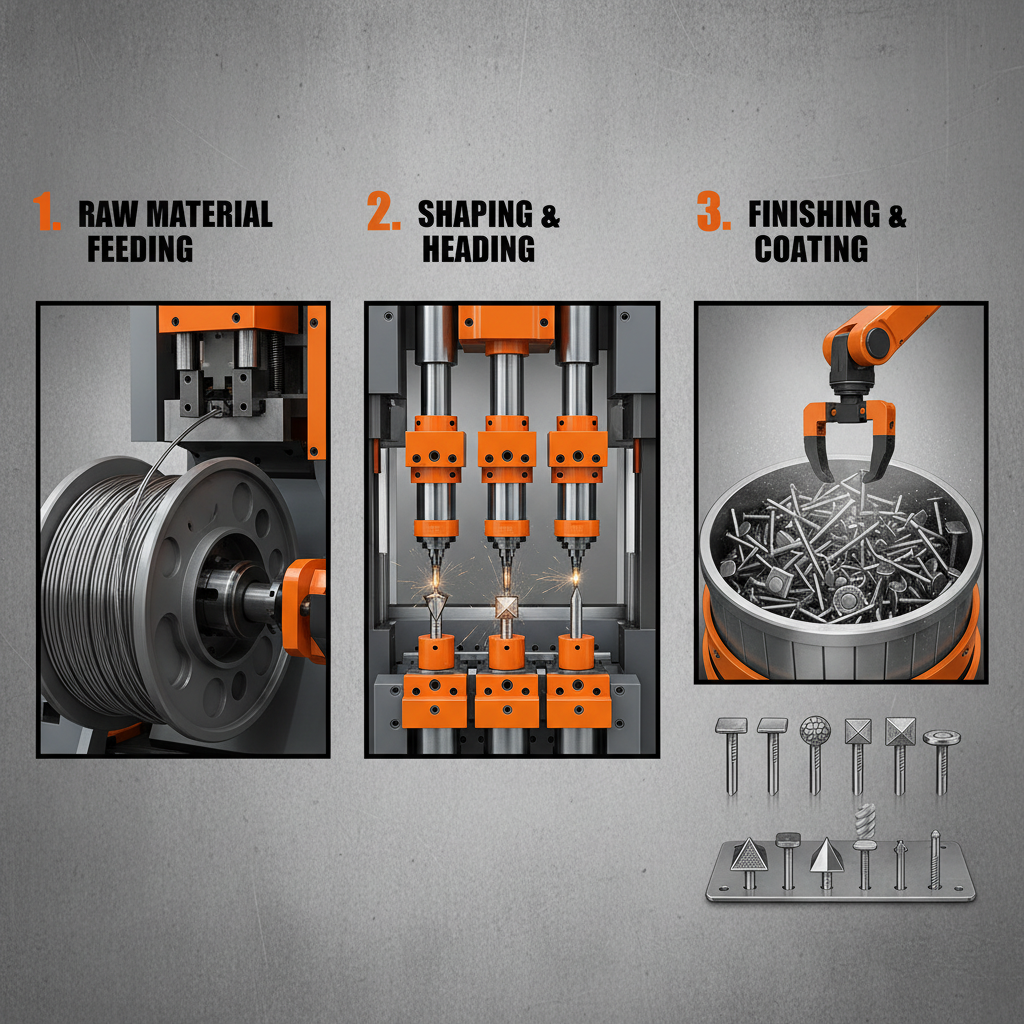
Introduction: The Essence of Architectural Decorative Hardware
Architectural decorative hardware isn't merely about functionality; it’s about making a statement. It's the subtle, yet powerful, element that transforms a structure from being simply built to being beautifully designed. These details reflect a commitment to quality, aesthetics, and the overall user experience. From grand entrances adorned with imposing handles to sleek, modern interiors accented with minimalist fixtures, the right hardware choices can elevate a space and enhance its value.
The selection of architectural decorative hardware should be considered a critical part of the design process, alongside materials and finishes. Its impact extends beyond visual appeal, contributing to the building’s security, durability, and even its operational efficiency. A comprehensive understanding of available materials, finishes, and installation techniques is essential to ensure a lasting and aesthetically pleasing result.
Global Relevance and Industry Context
The demand for architectural decorative hardware is intrinsically linked to global construction trends and economic growth. Rapid urbanization in developing countries, particularly in Asia and Africa, is driving a surge in demand for both residential and commercial buildings, subsequently increasing the need for high-quality hardware. Furthermore, the increasing focus on sustainable building practices is influencing the types of materials and finishes preferred in the market.
According to the United Nations, the global population is projected to reach 9.7 billion by 2050, with a significant proportion of this growth occurring in urban areas. This necessitates massive investment in infrastructure and housing, creating a consistent demand for architectural decorative hardware. The World Bank estimates that over $1 trillion will be invested in infrastructure projects globally over the next decade, further fueling market growth.
A key challenge lies in balancing the demand for aesthetically pleasing hardware with the need for sustainable and ethically sourced materials. The industry is facing increasing scrutiny regarding its environmental impact and labor practices, prompting a shift towards eco-friendly materials, responsible manufacturing processes, and greater transparency in supply chains.
Defining Architectural Decorative Hardware
Architectural decorative hardware broadly encompasses all the non-structural metal components used to enhance the functionality and aesthetic appearance of buildings. This includes items such as door handles, hinges, locksets, cabinet pulls, railings, lighting fixtures, bathroom accessories, and various decorative metal elements. While often overlooked, these components are integral to the overall design and user experience of a space.
Its connection to modern industry is significant. Advancements in materials science and manufacturing techniques have led to the creation of innovative hardware solutions that offer enhanced security, durability, and design flexibility. The integration of smart technology, such as electronic access control systems, is also blurring the lines between traditional hardware and building automation.
In terms of humanitarian needs, robust and reliable hardware is vital in creating safe and secure shelters, especially in disaster-prone regions or refugee camps. Properly designed door locks, window latches, and structural supports can significantly improve the safety and security of vulnerable populations, offering a sense of dignity and protection.
Core Components and Key Factors
Several key factors underpin the quality and performance of architectural decorative hardware. These include durability, measured by the materials used and their resistance to wear and tear; aesthetics, encompassing design style, finish, and overall visual appeal; security, determined by the robustness of locking mechanisms and overall resistance to forced entry; and ease of installation and maintenance, contributing to long-term cost-effectiveness.
These aspects directly influence practical applications. For instance, in high-traffic commercial buildings, durable hardware is essential to withstand constant use. In residential settings, security features are paramount. In historical renovations, maintaining the original aesthetic requires careful selection of hardware that matches the building's period style. architectural decorative hardware choices directly impact the usability and longevity of any project.
Comparative Durability Ratings of Hardware Materials
Global Applications and Real-World Use Cases
Architectural decorative hardware finds applications in a diverse range of projects, from large-scale commercial developments and luxury hotels to residential homes and historic restorations. In regions like Europe and North America, there’s a strong emphasis on high-end, designer hardware that reflects architectural style and sophistication. In rapidly developing nations, the focus is often on providing affordable, durable, and secure hardware solutions for mass housing projects.
Consider the restoration of historical buildings. Sourcing authentic or reproduction hardware that matches the original design is crucial for preserving the building's character and historical integrity. In post-disaster relief operations, durable and secure hardware can be used to quickly construct temporary shelters or reinforce existing structures.
The hospitality industry relies heavily on high-quality hardware to create a positive guest experience and maintain a luxurious ambiance. Hotels often invest in premium door handles, bathroom fixtures, and lighting accessories to enhance the overall aesthetic and functionality of their properties.
Advantages and Long-Term Value Proposition
The advantages of investing in quality architectural decorative hardware are multifaceted. Tangible benefits include reduced maintenance costs due to increased durability, enhanced security protecting assets and occupants, and improved energy efficiency through properly sealed and insulated components. The increased property value associated with aesthetically pleasing and well-maintained hardware contributes to a strong return on investment.
Beyond the practical aspects, there’s an emotional dimension to consider. Well-chosen hardware can evoke a sense of safety, comfort, and pride of ownership. It reflects a commitment to quality and attention to detail, fostering a positive perception of the building and its occupants. The trust and confidence instilled by reliable hardware solutions contribute to a more secure and inviting environment.
Future Trends and Innovations in Hardware
The future of architectural decorative hardware is poised for innovation. We’re seeing a growing trend towards smart hardware, incorporating features like biometric access control, remote monitoring, and integrated lighting systems. The use of sustainable materials, such as recycled metals and bio-based polymers, is also gaining traction. Digital fabrication techniques, like 3D printing, are enabling the creation of custom hardware designs with greater precision and efficiency.
The integration of Building Information Modeling (BIM) is streamlining the design and specification process, allowing architects and designers to visualize hardware components in a virtual environment and ensure seamless integration with other building systems. Furthermore, the demand for antimicrobial hardware is increasing in healthcare settings and public spaces, driven by a growing awareness of hygiene and infection control.
Challenges and Solutions
One significant challenge facing the architectural decorative hardware industry is the prevalence of counterfeit products. These inferior imitations often lack the durability and security features of genuine hardware, posing a risk to safety and property. Another challenge is the complexity of global supply chains, which can lead to delays, increased costs, and ethical concerns.
Solutions include stricter quality control measures, enhanced traceability systems, and increased collaboration between manufacturers, distributors, and regulatory agencies. Investing in advanced materials and manufacturing technologies can also help to reduce reliance on vulnerable supply chains and promote greater sustainability. The promotion of ethical sourcing practices and transparent supply chains is crucial for building trust and ensuring responsible production.
Addressing these challenges proactively will ensure the long-term viability and sustainability of the architectural decorative hardware industry, allowing it to continue delivering value and enhancing the built environment.
Key Considerations for Selecting Architectural Decorative Hardware
| Material Composition |
Security Level |
Aesthetic Compatibility |
Cost-Effectiveness |
| Stainless Steel |
High (8/10) |
Versatile (7/10) |
Medium (6/10) |
| Brass |
Medium (6/10) |
High (9/10) |
High (8/10) |
| Aluminum |
Low (4/10) |
Medium (6/10) |
Low (3/10) |
| Zinc Alloy |
Medium (5/10) |
Medium (5/10) |
Low (4/10) |
| Carbon Steel |
High (7/10) |
Medium (6/10) |
Medium (5/10) |
| Titanium |
Very High (10/10) |
High (8/10) |
Very High (9/10) |
FAQS
High-quality architectural decorative hardware, particularly those made from materials like stainless steel or brass, can last for several decades, even with regular use. Factors influencing lifespan include the material’s corrosion resistance, the quality of the finish, and the frequency of maintenance. With proper care and occasional replacement of worn parts, well-made hardware can easily last 25-50 years or more, often exceeding the lifespan of the building's other components.
Selecting the right finish depends on the environment and aesthetic desired. Polished chrome offers a bright, modern look, but requires frequent cleaning to maintain its shine. Brushed nickel provides a softer, more subtle appearance and is more resistant to fingerprints. Oil-rubbed bronze offers a classic, antique feel. Consider the level of traffic, exposure to moisture, and overall design style when choosing a finish. PVD finishes offer increased durability and resistance to wear.
When selecting door hardware for security, prioritize locksets with high security ratings (ANSI Grade 1 is the highest). Look for features like pick resistance, drill resistance, and bump resistance. Deadbolt locks are essential for exterior doors. Consider the type of keyway – restricted keyways offer greater security by limiting key duplication. Reinforcing door frames and using strike plates with longer screws can also significantly improve security.
Yes, architectural decorative hardware is often subject to building codes and regulations, particularly related to fire safety, accessibility, and security. For example, exit devices (panic bars) on fire doors must meet specific standards. Hardware used on accessible doors must comply with ADA (Americans with Disabilities Act) guidelines, requiring lever handles that are easy to operate. It’s crucial to verify that all hardware meets local building codes and regulations.
Look for hardware made from recycled materials, such as recycled stainless steel or aluminum. Choose manufacturers committed to sustainable manufacturing practices, including reducing waste and conserving energy. Consider finishes that are low-VOC (volatile organic compounds) to minimize environmental impact. Selecting durable hardware that requires less frequent replacement also contributes to sustainability.
Lead times for custom architectural hardware can vary significantly depending on the complexity of the design, the material used, and the manufacturer’s workload. Typically, lead times range from 8 to 16 weeks for custom-designed items. It’s essential to discuss lead times with the manufacturer during the design phase and factor them into the project schedule. Complex designs or specialized materials may require longer lead times.
Conclusion
In conclusion, architectural decorative hardware is far more than a mere aesthetic addition to buildings; it's a critical element that impacts functionality, security, sustainability, and long-term value. From the choice of materials and finishes to the consideration of building codes and accessibility standards, careful attention to detail is essential. Investing in quality hardware not only enhances the visual appeal of a space but also contributes to a safer, more comfortable, and more enduring built environment.
Looking ahead, the industry is poised for continued innovation, driven by advancements in materials science, smart technology, and sustainable manufacturing practices. By embracing these trends and prioritizing responsible sourcing and design, we can ensure that architectural decorative hardware continues to play a vital role in shaping the future of our built world. Visit our website at www.lianshiwjnail.com to explore our extensive range of architectural decorative hardware solutions.