0%

Table of Contents

Metal brackets for construction are vital components in modern building practices, offering robust support and connection solutions across a wide range of applications. Their versatility and strength make them essential for everything from residential housing and commercial infrastructure to industrial facilities and emergency shelters. Understanding the nuances of these brackets—materials, design, and appropriate usage—is crucial for ensuring structural integrity, safety, and cost-effectiveness in any construction project.

Globally, the demand for efficient and reliable construction materials is constantly rising, driven by urbanization, population growth, and the need for resilient infrastructure. Metal brackets for construction directly address this demand by providing standardized, high-performance connectors that simplify assembly, reduce labor costs, and enhance overall building quality. The availability and adaptability of these brackets make them particularly valuable in rapidly developing nations and disaster-prone areas where speed and affordability are paramount.

Furthermore, advancements in materials science and manufacturing processes continually improve the capabilities of metal brackets for construction. Innovations like corrosion-resistant coatings and high-strength alloys are extending their lifespan and broadening their applications. As the construction industry moves towards more sustainable and prefabricated building methods, the role of metal brackets in enabling these innovations will only continue to grow.
metal brackets for construction

Introduction to metal brackets for construction

metal brackets for construction

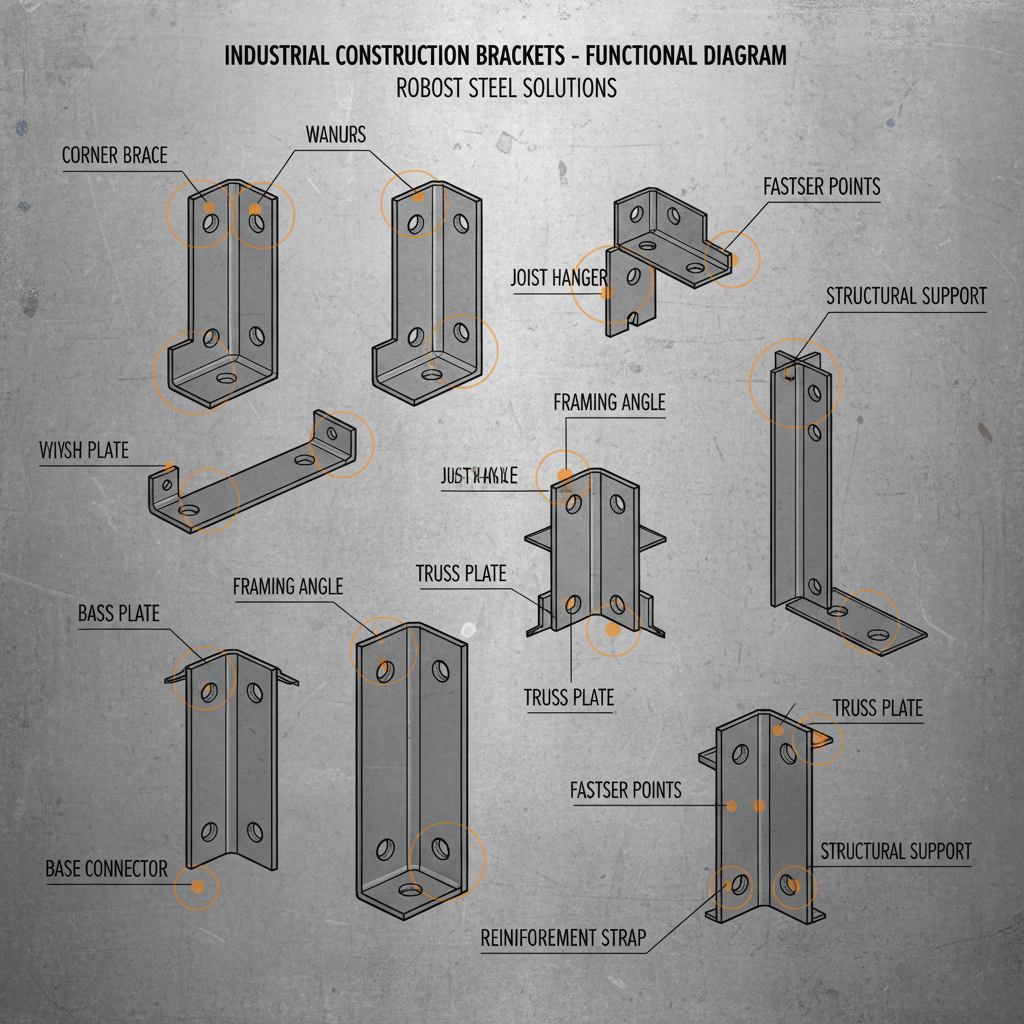
Metal brackets for construction are engineered connectors used to securely join various building materials—primarily wood, steel, and concrete—providing structural support and stability. They come in a vast array of shapes and sizes, each designed for specific applications such as beam-to-column connections, roof truss support, and framing assembly. The selection of the appropriate bracket depends on the load requirements, materials being joined, and environmental conditions.

These connectors are a critical component in ensuring the safety and longevity of structures, offering a more reliable and consistent connection compared to traditional fastening methods like nails or screws, particularly when dealing with significant structural loads. The use of metal brackets for construction promotes efficient assembly, reduces construction time, and minimizes the risk of structural failure, making them an indispensable element in modern building projects.

Global Relevance and Industry Context

The construction industry is a cornerstone of global economic development, contributing significantly to infrastructure growth and providing shelter for a growing population. According to the UN, over half the world’s population now lives in urban areas, a figure projected to rise to 68% by 2050, necessitating rapid and sustainable construction solutions. Metal brackets for construction play a crucial role in meeting this demand by enabling faster, more efficient building processes.

The World Bank estimates that investments in infrastructure will need to reach $1.5 trillion per year by 2030 to address the global infrastructure gap. The use of prefabricated and modular construction techniques, heavily reliant on metal brackets, is becoming increasingly prevalent as a way to overcome labor shortages, reduce construction time, and minimize environmental impact. These techniques are particularly vital in disaster-affected regions where rapid deployment of housing is essential.

International standards organizations like ISO are continuously developing and refining standards for construction materials and connectors, ensuring quality, safety, and interoperability. Adherence to these standards is essential for manufacturers and builders to maintain credibility and meet the increasingly stringent requirements of the global construction market, driving the demand for high-quality metal brackets for construction.

Defining metal brackets for construction

Metal brackets for construction are pre-fabricated metal connectors specifically designed to facilitate the joining of structural elements in a building. They are typically manufactured from steel, stainless steel, or aluminum, and are often coated with protective finishes to resist corrosion and enhance durability. These connectors are not simply generic metal pieces; they are precisely engineered to transfer loads effectively and maintain structural integrity.

The connection between metal brackets for construction and modern industry stems from the need for standardization and efficiency in building processes. Before their widespread adoption, construction relied heavily on skilled carpentry and custom-fabricated connections. Brackets offered a consistent, reliable alternative, reducing labor costs and improving build quality. They are intrinsically linked to the growth of prefabricated building components, allowing for off-site manufacturing and faster on-site assembly.

In the context of humanitarian needs, metal brackets for construction are invaluable in creating rapid-deployment shelters and emergency housing. Their ease of assembly and structural strength make them ideal for providing safe and secure housing in disaster-stricken areas, supporting both immediate relief efforts and long-term reconstruction initiatives. Their modularity also simplifies logistics and transportation in challenging environments.

Key Factors in metal bracket Performance

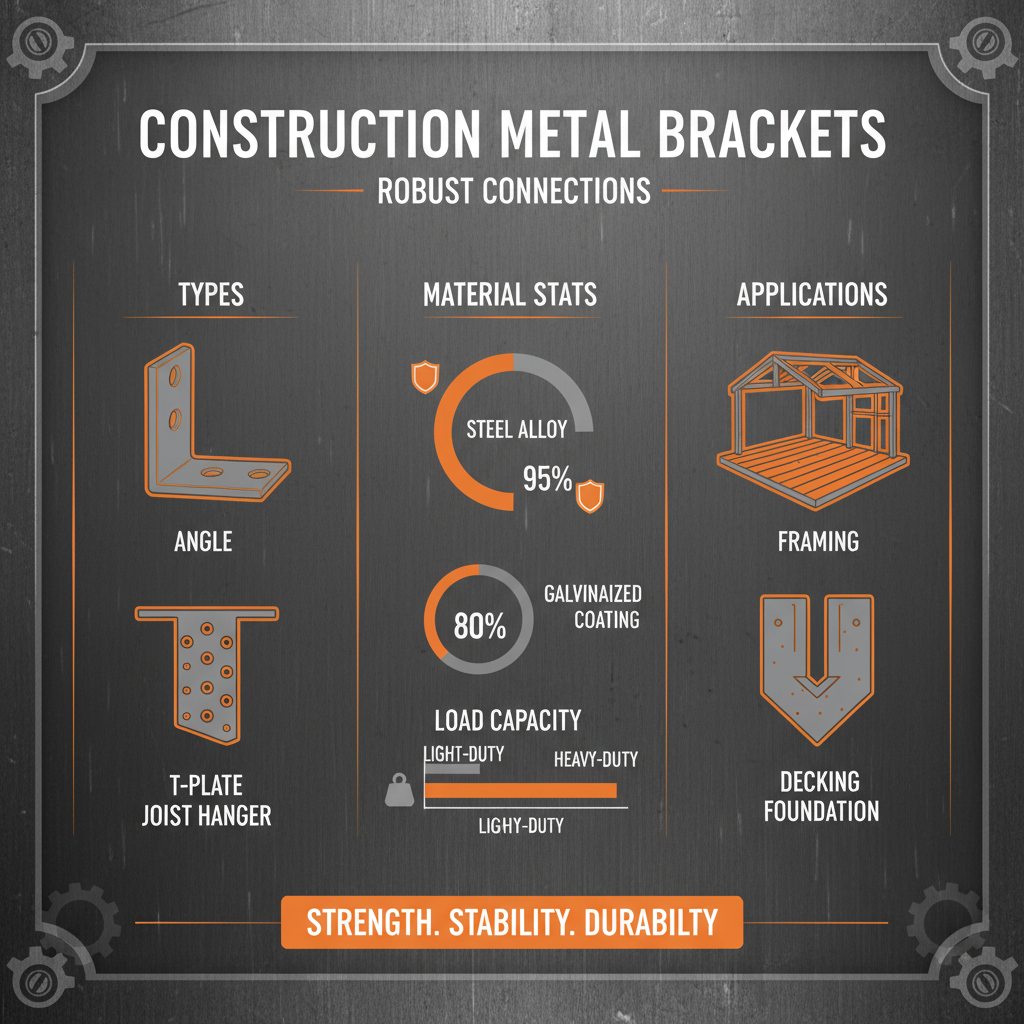
The effectiveness of metal brackets for construction hinges on several key factors. Durability is paramount, as brackets must withstand environmental stressors like corrosion, temperature fluctuations, and seismic activity. High-quality materials and protective coatings are essential for longevity.

Load Capacity defines the maximum weight or force a bracket can safely support. This is determined by the bracket’s design, material strength, and the type of connection it provides. Proper selection based on structural calculations is crucial for safety.

Metal Bracket Performance by Factor

Global Applications and Use Cases

Metal brackets for construction are indispensable in diverse construction projects worldwide. In residential building, they secure roof trusses, support floor joists, and connect wall framing, ensuring structural stability. In commercial construction, they are critical for erecting steel-frame buildings, supporting heavy loads, and creating open-span spaces.

In post-disaster relief operations, rapid-deployment housing utilizes metal brackets for construction to quickly assemble shelters. These brackets allow for efficient construction with minimal specialized tools and labor. Similarly, in remote industrial zones, where access to skilled labor and traditional construction materials is limited, metal brackets facilitate self-assembly structures.

Advantages and Long-Term Value

The advantages of utilizing metal brackets for construction are manifold. Cost Efficiency arises from reduced labor requirements, faster construction times, and minimized material waste. Their standardized design and ease of installation translate into substantial savings for builders and developers.

Sustainability is enhanced through the use of recyclable materials and the support of prefabricated construction methods, which reduce on-site environmental impact. The long lifespan and durability of metal brackets also minimize the need for frequent replacements, further reducing environmental strain.

Future Trends and Innovations

The future of metal brackets for construction is intertwined with broader trends in the industry. The adoption of Building Information Modeling (BIM) is driving the need for more sophisticated bracket designs optimized for digital fabrication and integration with virtual construction models. This ensures greater precision and reduces the potential for errors during the building process.

Further developments in smart materials and sensor technology promise to create “intelligent” brackets that can monitor structural health and provide early warnings of potential failures. The use of advanced coatings, incorporating self-healing properties or enhanced corrosion resistance, is also expected to extend the lifespan and reduce maintenance requirements for these critical components.

Automation in manufacturing and robotic installation techniques will also play a significant role, reducing production costs and increasing installation speed and accuracy, solidifying metal brackets for construction as a cornerstone of efficient and resilient building practices.

FAQS

What are the most common materials used in metal brackets for construction?

The most prevalent materials are carbon steel, stainless steel, and aluminum. Carbon steel offers high strength at a lower cost, while stainless steel provides superior corrosion resistance. Aluminum is lightweight and ideal for applications where weight is a concern. The choice depends on the specific project requirements and environmental factors. Galvanization and powder coating are also commonly used to enhance corrosion protection for steel brackets.

How do I select the right metal bracket for a specific load?

Selecting the correct bracket requires a thorough understanding of the applied loads (tension, compression, shear, and bending). Consult structural engineering calculations to determine the required load capacity. Always refer to the manufacturer's specifications and load tables for each bracket. Ensure the bracket is compatible with the materials being joined and meets relevant building codes and standards. Overestimation of load capacity is always recommended for safety.

Are metal brackets for construction suitable for use in coastal environments?

Coastal environments present unique challenges due to saltwater corrosion. For such applications, stainless steel brackets are strongly recommended due to their superior corrosion resistance. Alternatively, carbon steel brackets can be used, but they must be coated with a robust corrosion-resistant finish, such as hot-dip galvanization or specialized marine-grade coatings. Regular inspection and maintenance are also crucial in coastal areas.

What are the key considerations for installing metal brackets correctly?

Correct installation is vital for ensuring the bracket performs as designed. Ensure the surfaces being joined are clean, dry, and free of debris. Use the appropriate fasteners (nails, screws, bolts) as specified by the manufacturer. Apply proper torque to fasteners to avoid over-tightening or under-tightening. Always follow the manufacturer’s installation guidelines and adhere to relevant building codes. Proper alignment and plumbness are also essential.

Can metal brackets for construction be used with engineered wood products like LVL or glulam?

Yes, metal brackets for construction are commonly used with engineered wood products like LVL (Laminated Veneer Lumber) and glulam (Glued Laminated Timber). However, it’s crucial to select brackets specifically designed and tested for use with these materials. Engineered wood products have different strength and fastening characteristics than solid lumber, so compatibility must be verified. Consult with the bracket manufacturer and a structural engineer to ensure proper selection and installation.

What are the typical lifespan expectations for metal brackets in a standard residential application?

The lifespan of metal brackets in a standard residential application typically ranges from 50 to 100 years, assuming proper material selection (stainless steel or appropriately coated steel) and correct installation. Regular inspections can help identify any signs of corrosion or damage. Factors affecting lifespan include environmental conditions, maintenance practices, and the quality of the bracket itself. High-quality brackets, properly installed, should provide decades of reliable performance.

Conclusion

In summary, metal brackets for construction are fundamental components in modern building practices, offering a combination of strength, efficiency, and cost-effectiveness. Their versatility allows for application in diverse construction projects, from residential housing to large-scale infrastructure. As we look towards a future of increasingly sustainable and resilient building practices, metal brackets will continue to play a critical role in enabling innovation and meeting the evolving needs of a growing global population.

Investing in high-quality metal brackets and ensuring proper installation are paramount for long-term structural integrity and safety. By embracing advancements in materials science and design, and integrating these components into broader digital construction workflows, the industry can unlock even greater efficiencies and build a more sustainable future. For reliable and innovative metal bracket solutions, visit our website: metal brackets for construction.

Michael Davis

Michael Davis

Michael Davis serves as a Senior R&D Engineer at Hebei Lianshi Furniture Hardware. He leads the development of new hardware solutions, focusing on innovative designs and improved functionality. Michael’s background is rooted in a practical understanding of user needs and a drive to address challenges in furniture manufacturing. He’s currently spearheading a project to enhance the durability of our connecting rods and is exploring new materials to improve the performance of our damping hinges. Michael believes in ‘accelerating product innovation’ and actively seeks feedback from customers to refine our product offerings. He holds a degree in Mechanical Engineering and is a registered patent holder.
Previous Essential Hardware for Construction Projects and Industry Advancements
Next Essential Metal Brackets for Wood Construction Ensuring Structural Integrity

JOIN OUR NEWSLETTER

If you are interested in our products, you can choose to leave your information here, and we will be in touch with you shortly.