Architectural Decorative Hardware

What are construction wood screws commonly used for?

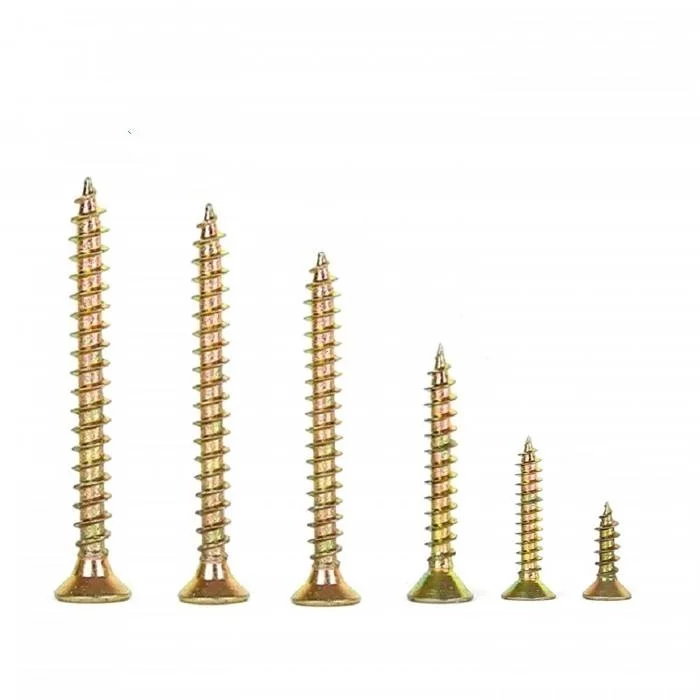
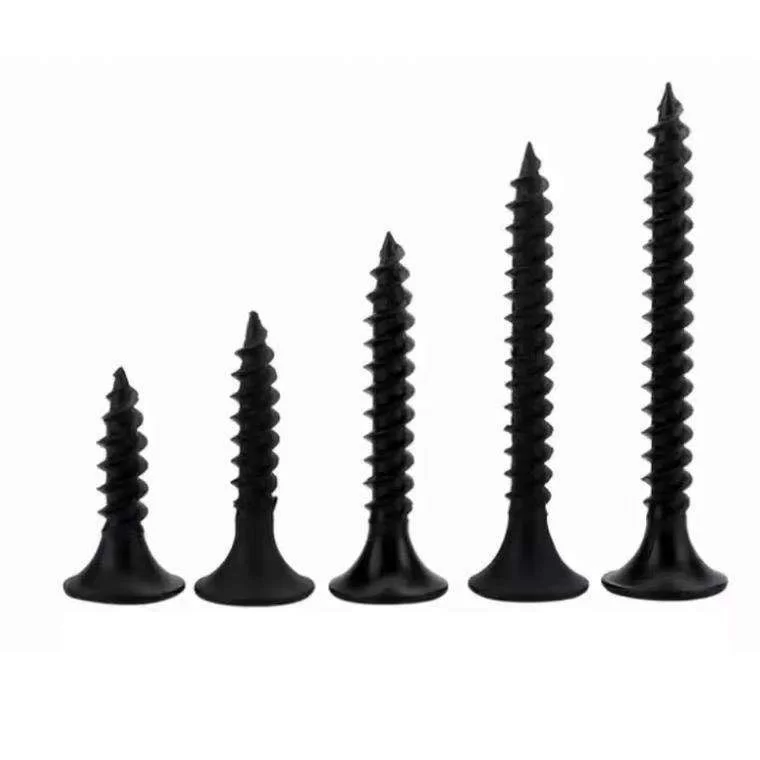
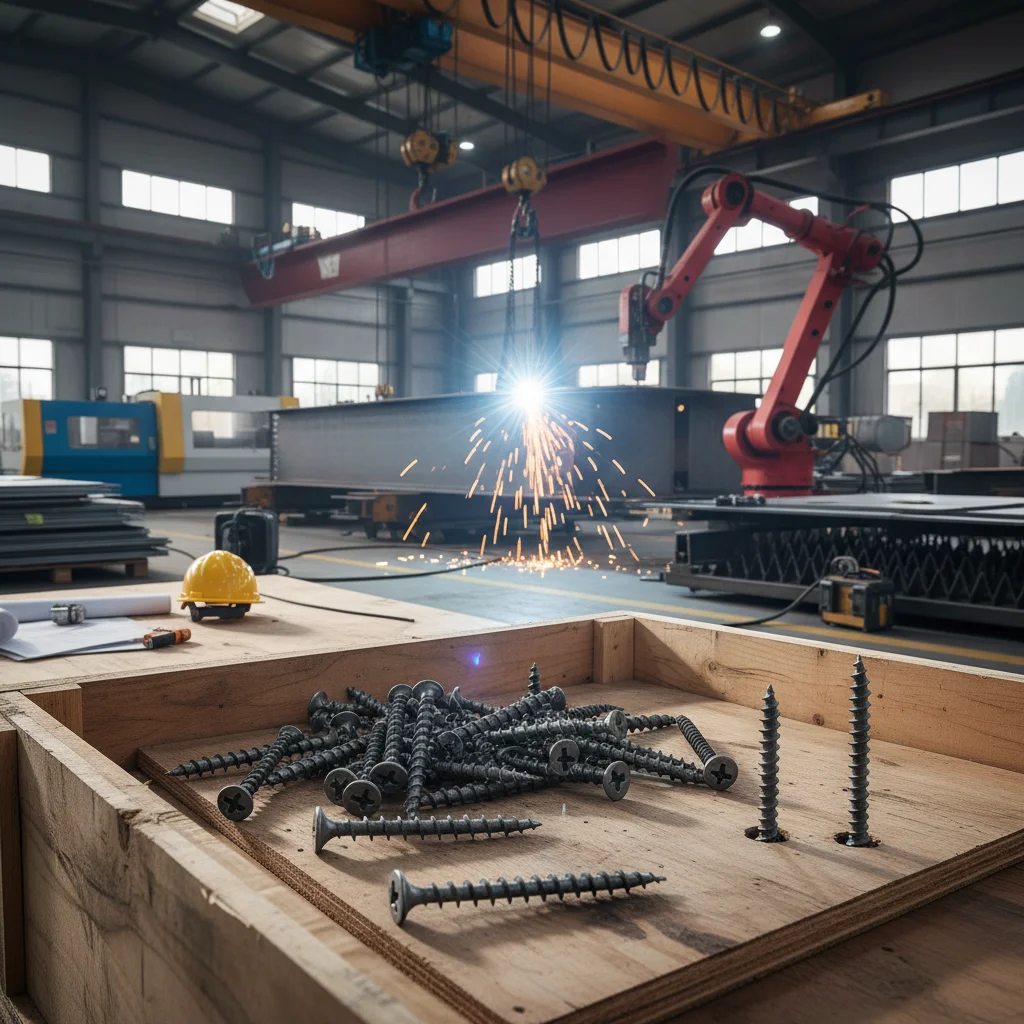
Construction wood screws are specially designed fasteners used in woodworking and building projects that require secure and long-lasting joints. Unlike ordinary screws, they are manufactured from strong steel and often coated for corrosion resistance, making them reliable for both indoor and outdoor applications. Their design typically features a sharp point and deep, coarse threads that grip wood fibers tightly, preventing loosening and ensuring stability over time.


One of the most common uses of construction wood screws is in framing and structural work. They are used to connect studs, beams, and joists in residential and commercial wooden structures. Their holding power often makes them a preferred choice over nails, especially when additional strength and resistance to pull-out are needed.


Another major application is in decking and outdoor projects. Construction wood screws are ideal for fastening decking boards, fences, and wooden pergolas. Because they resist corrosion, they maintain durability even in environments exposed to rain, humidity, and sunlight.


They are also widely used in furniture assembly, cabinetry, and flooring installation, where precision and strong joints are essential. Their partially unthreaded shank design allows two pieces of wood to be pulled tightly together, creating a secure bond that enhances both strength and appearance.


In addition, construction wood screws are commonly used for renovations, repairs, and DIY projects, as they can be installed and removed easily with standard tools, making them versatile for various tasks.


In summary, construction wood screws are essential in framing, decking, cabinetry, flooring, and general woodworking. Their strength, ease of use, and ability to create reliable joints make them one of the most versatile fasteners in construction.
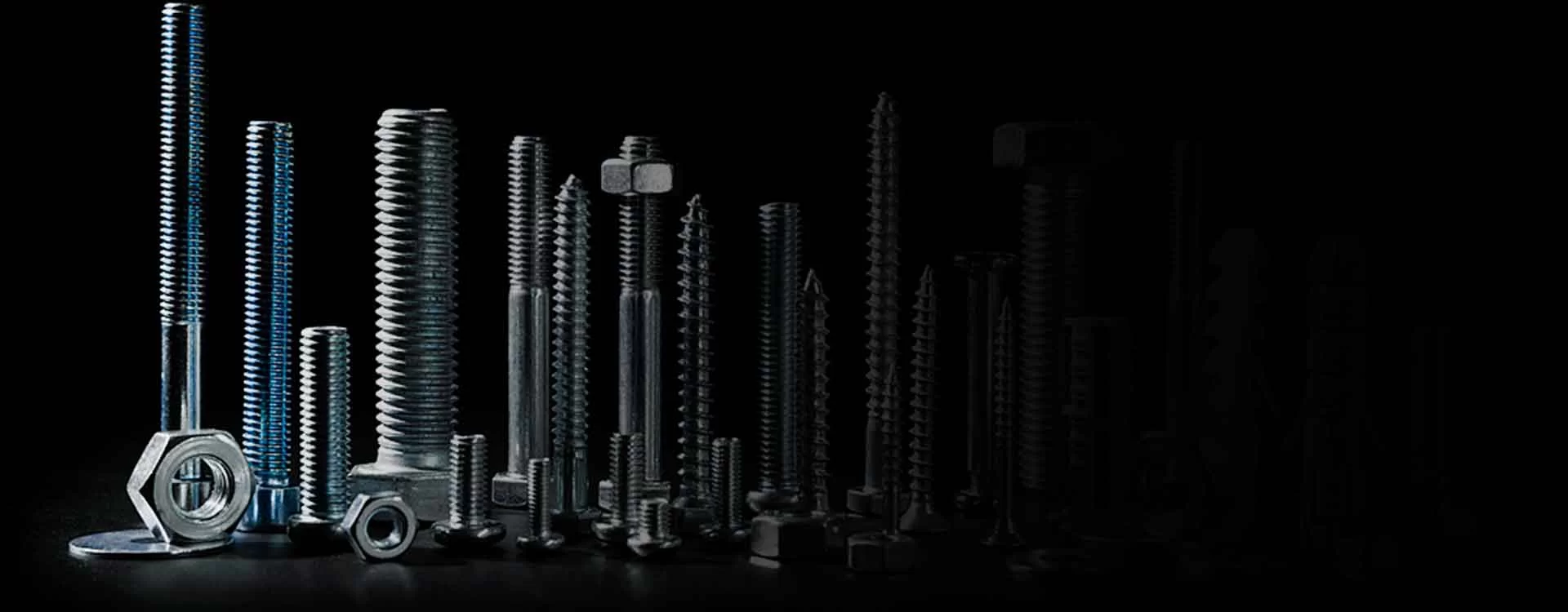
builders hardware products
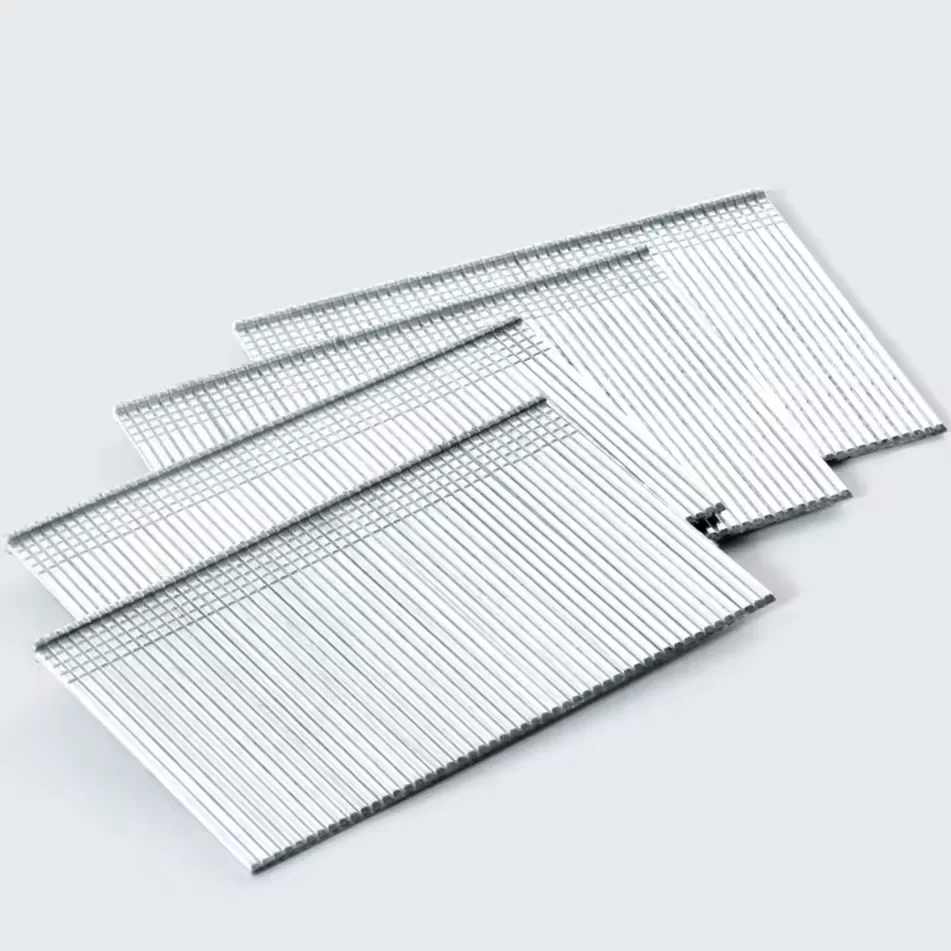
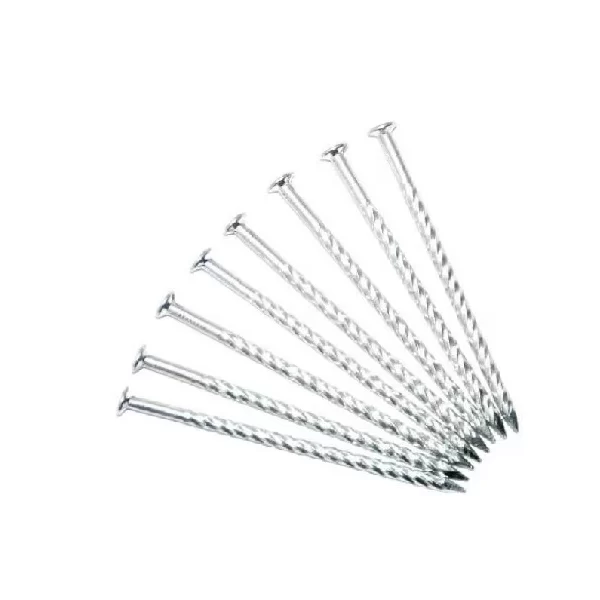
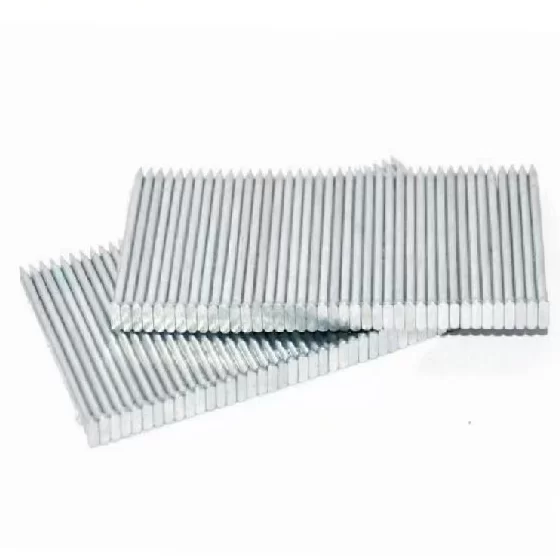
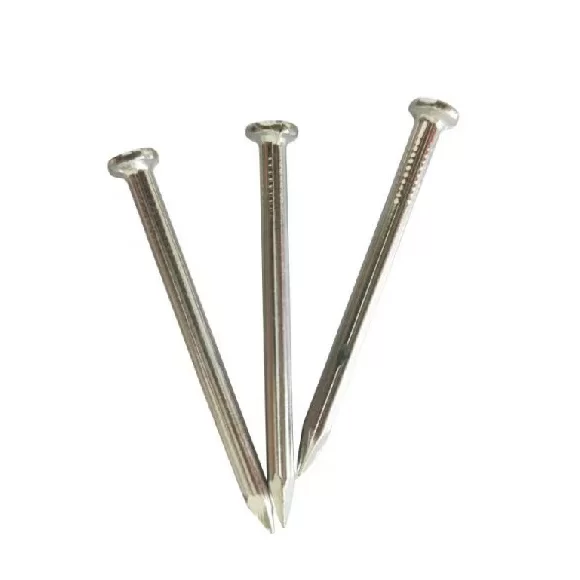
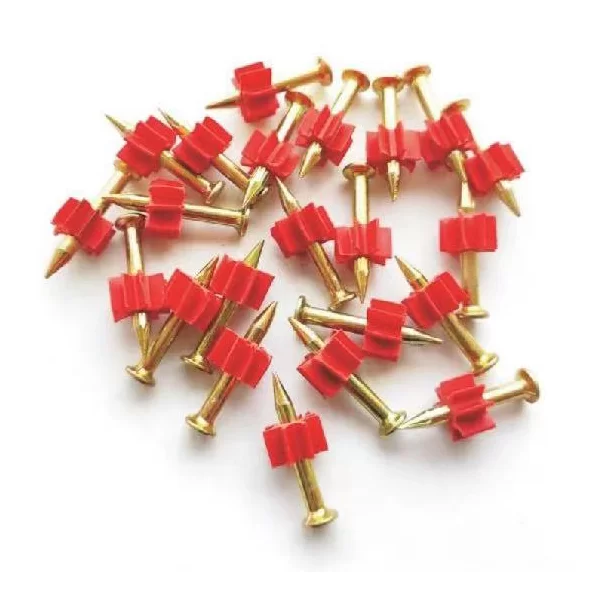
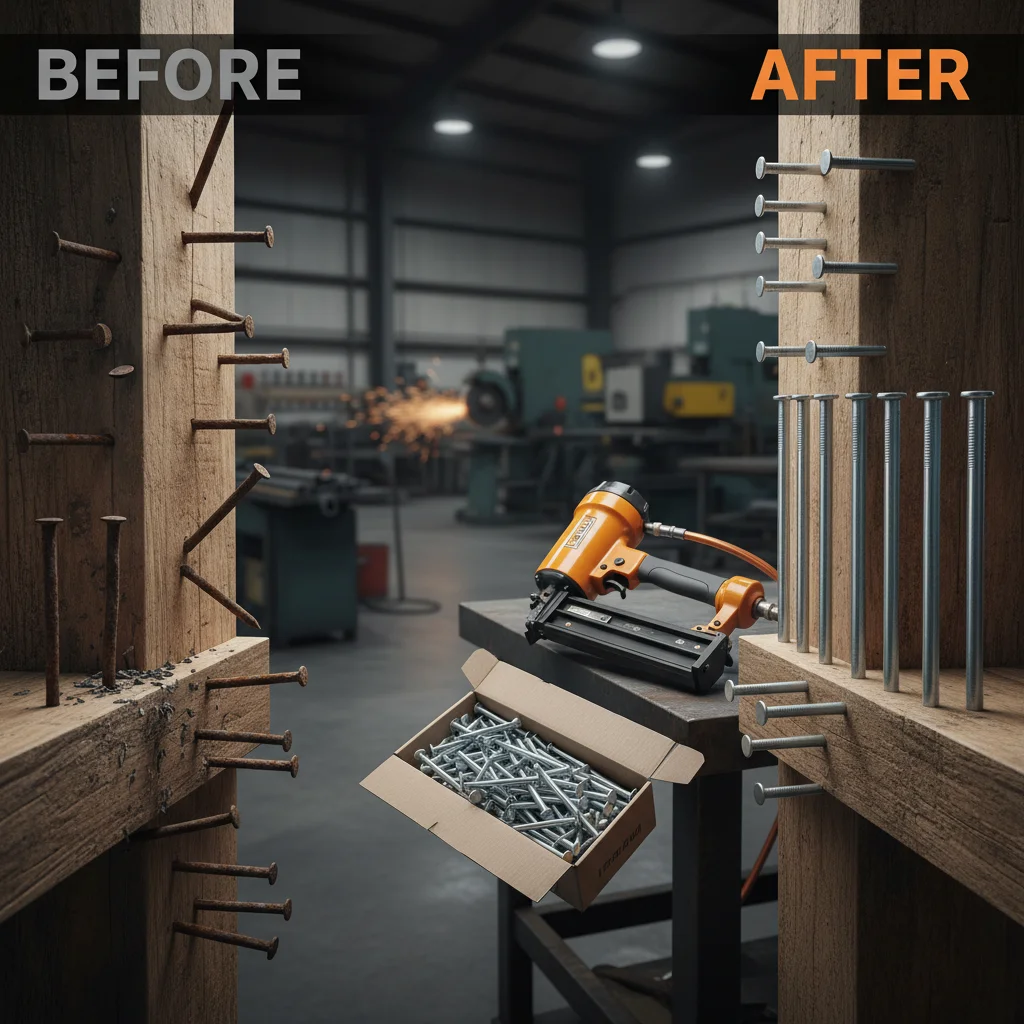
types of building nails

How strong is a construction screw?

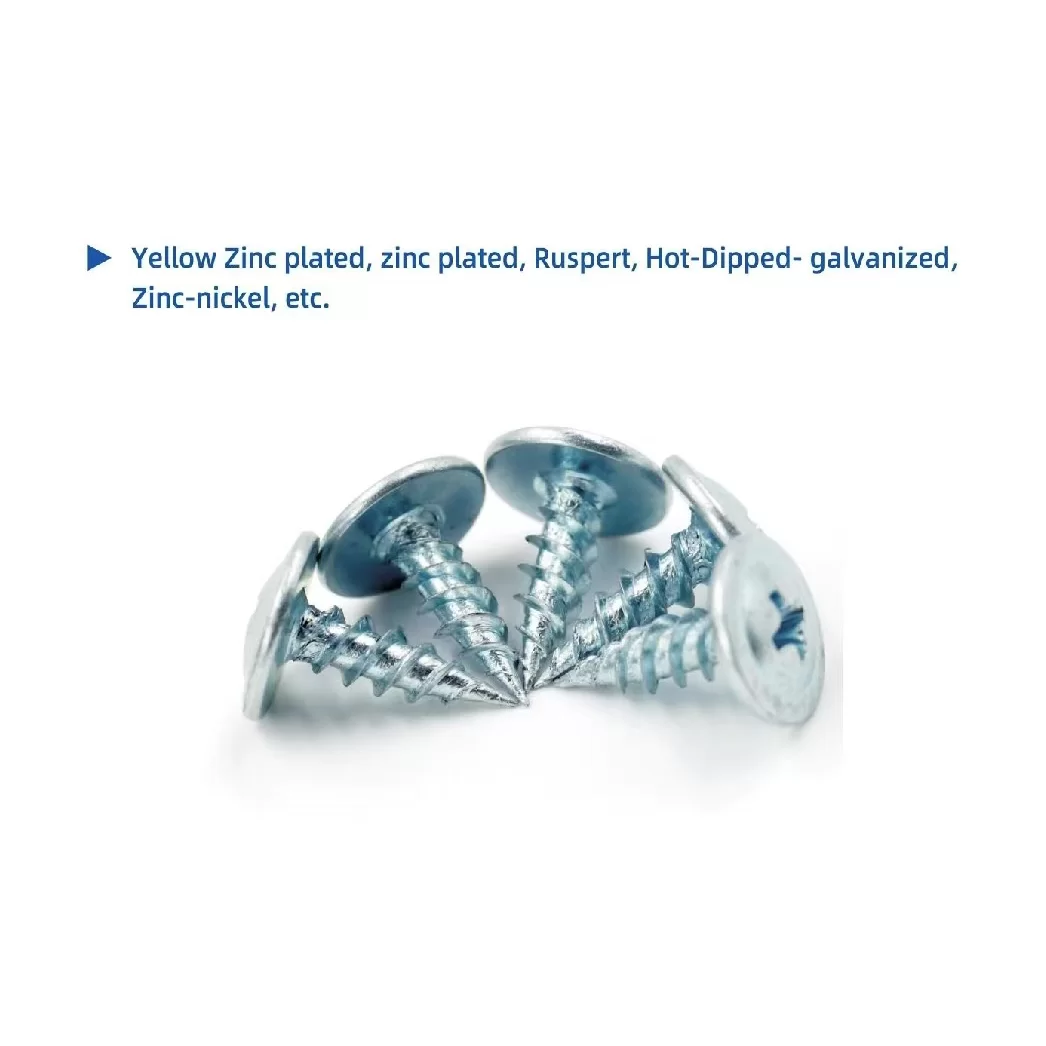
Construction screws are engineered for high strength and durability, designed to handle heavy loads and resist loosening over time. Made from hardened steel or alloy materials, many feature corrosion-resistant coatings for long-lasting performance. Their deep, sharp threads provide excellent grip in wood, masonry, or metal, depending on the type, ensuring strong shear and pull-out resistance. Construction screws are significantly stronger than standard screws or nails, making them ideal for framing, decking, furniture assembly, and structural applications. When installed correctly, they provide reliable, long-term support in demanding construction projects.
building fasteners
construction fasteners supply

What is the difference between concrete screws and wood screws?

  • 1 Material and Hardness

    Concrete screws are manufactured from high-strength, hardened steel (often meeting or exceeding grade 8.8). This makes them exceptionally hard and somewhat brittle, a necessary trait to prevent them from bending or snapping under the high torque required to drive them into a rigid material like concrete, brick, or stone. They are almost always coated (e.g., zinc, ceramic) for corrosion resistance.
  • 2 Thread Design

    They feature a unique asymmetric thread pattern. These threads are very sharp, aggressive, and spaced closely together (high thread count). This design is engineered specifically to act like a tap, cutting precise mating threads into the hard, brittle base material and efficiently ejecting the dust into the flutes of the screw.
  • 3 Driving Mechanism

    Concrete screws function as self-tapping screws for masonry. They do not create their own hole; instead, they cut threads into the walls of a pre-drilled pilot hole. Their installation requires high driving torque to force the hard threads to carve into the even harder concrete.
  • 4 Required Pilot Hole

    Their installation is strictly dependent on a pre-drilled pilot hole of a specific diameter and depth, drilled with a masonry bit and hammer drill. The hole size must precisely match the screw's diameter for the threads to grip properly. An incorrect hole size will prevent installation or result in zero holding power.
  • 5 Tip Design

    The tip is usually a blunt or slightly tapered fluted tip (not a sharp gimlet point like a wood screw). These flutes are crucial for two reasons: they help clear debris from the hole during installation, and they aid in the thread-cutting process.
  • 6 Typical Head Styles

    While various head styles exist, concrete screws are most commonly found with hex washer heads or flat heads with a star (Torx) drive. The hex head allows for a wrench or socket to be used, providing the high torque needed for installation. Star drives (T-25 is common) are used to prevent cam-out (slipping) under high torque, which is a frequent problem with Phillips heads.

JOIN OUR NEWSLETTER

If you are interested in our products, you can choose to leave your information here, and we will be in touch with you shortly.

If you are interested in our products, you can choose to leave your information here, and we will be in touch with you shortly.