
Hit enter to search or ESC to close
Mar 6, 2026


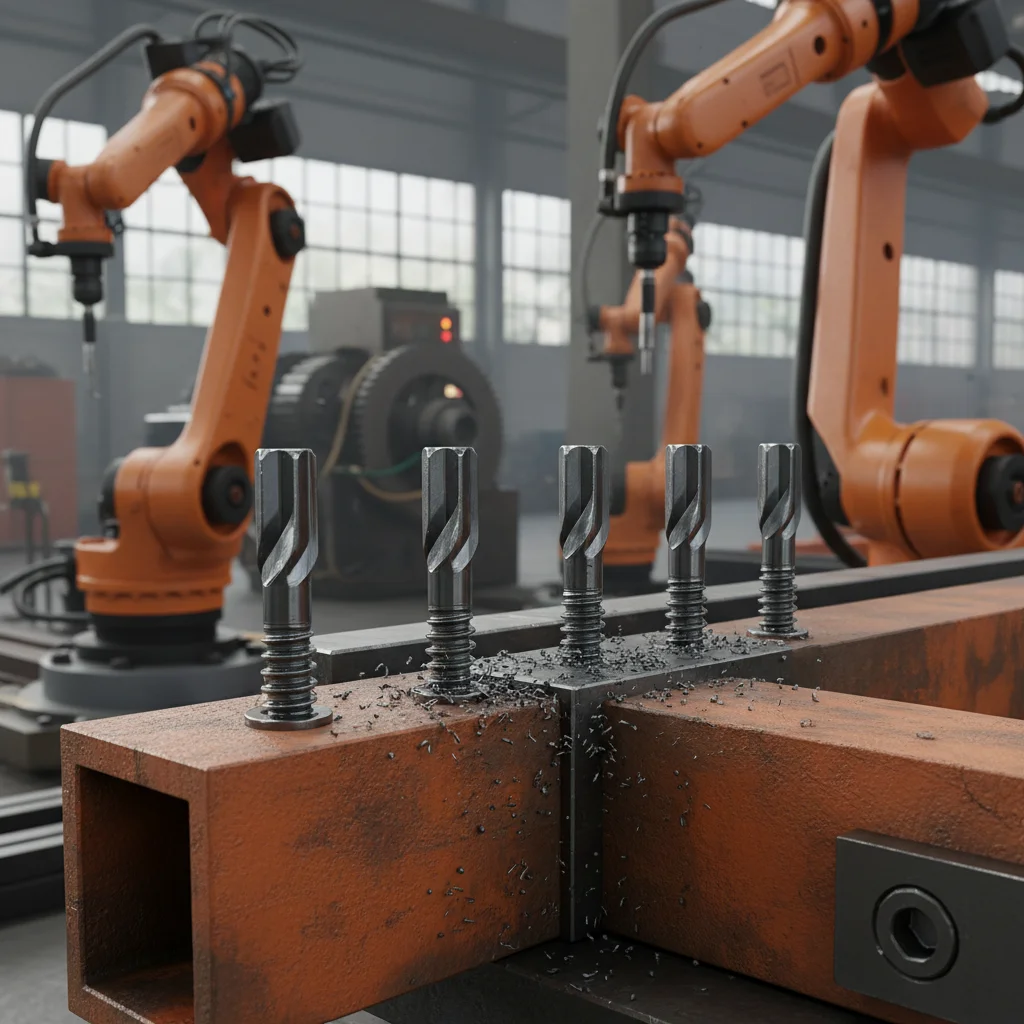
14 self tapping metal screws are a versatile and essential fastener widely used across various industries. These screws are designed to create their own threads as they are driven into metal, eliminating the need for pre-tapped holes, saving time and cost. This guide will cover the benefits, types, applications, and crucial considerations when selecting the right 14 self tapping metal screws for your specific needs. From construction to manufacturing, understanding these screws is key to efficient and secure fastening solutions.
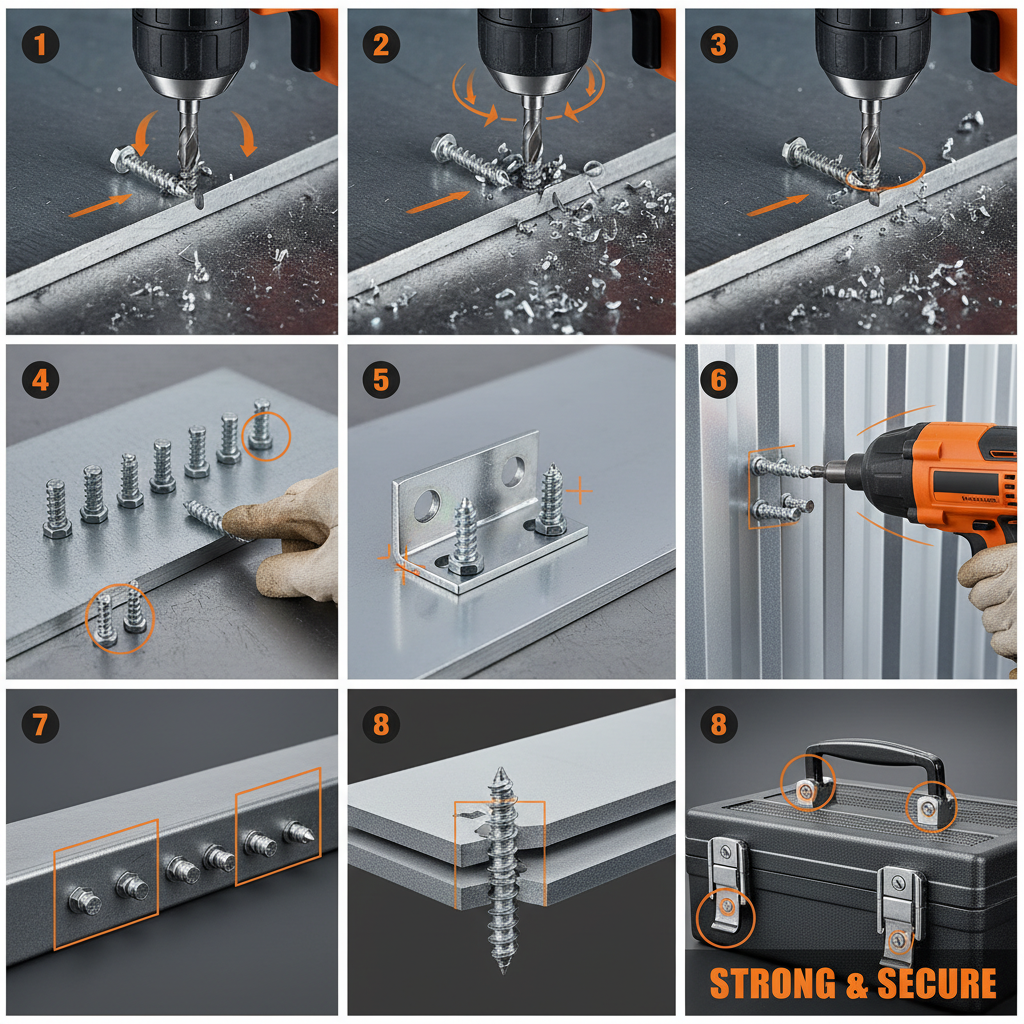
Using 14 self tapping metal screws offers several advantages. Primarily, they streamline the assembly process by removing the necessity for separate tapping operations, reducing production time and labor costs. They are particularly effective for joining thin metal sheets or creating secure fastenings in materials where pre-drilling is impractical. Their ability to form threads as they are driven in creates a strong and reliable connection, ideal for applications requiring high holding power. Moreover, the self-tapping feature minimizes the risk of damaging the surrounding material. Choosing the right screw type can significantly enhance the overall quality and efficiency of your projects. Explore Lianshiwjnail's selection for premium quality options.
Key Highlights: Streamlines assembly, reduces costs, creates strong connections, minimizes material damage, suitable for thin metals.
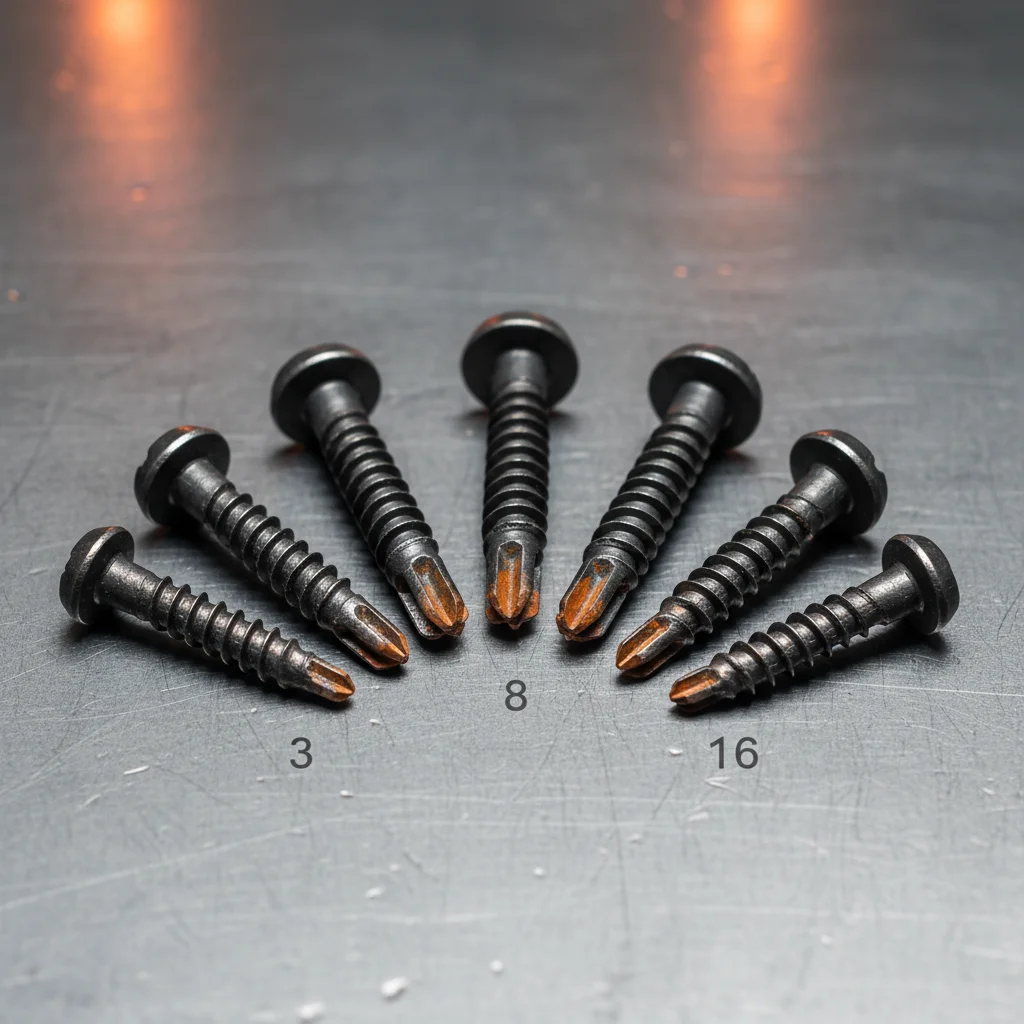
14 self tapping metal screws come in various types, each designed for specific applications. Common types include Type A, Type AB, and Type B screws. Type A screws are designed for thinner materials, while Type B screws are ideal for thicker gauges. Type AB screws offer a compromise, working well on a wider range of material thicknesses. Beyond these, you’ll find options with different head types (flat, pan, oval, round) and drive types (Phillips, slotted, Torx) to suit your preferences and tooling. Understanding the nuances of each type is crucial for ensuring a secure and lasting fastening solution.
Screw Type Comparison:
• Type A: Thin materials, fast cutting
• Type AB: Versatile, medium thickness materials
• Type B: Thick materials, slower cutting, strong hold
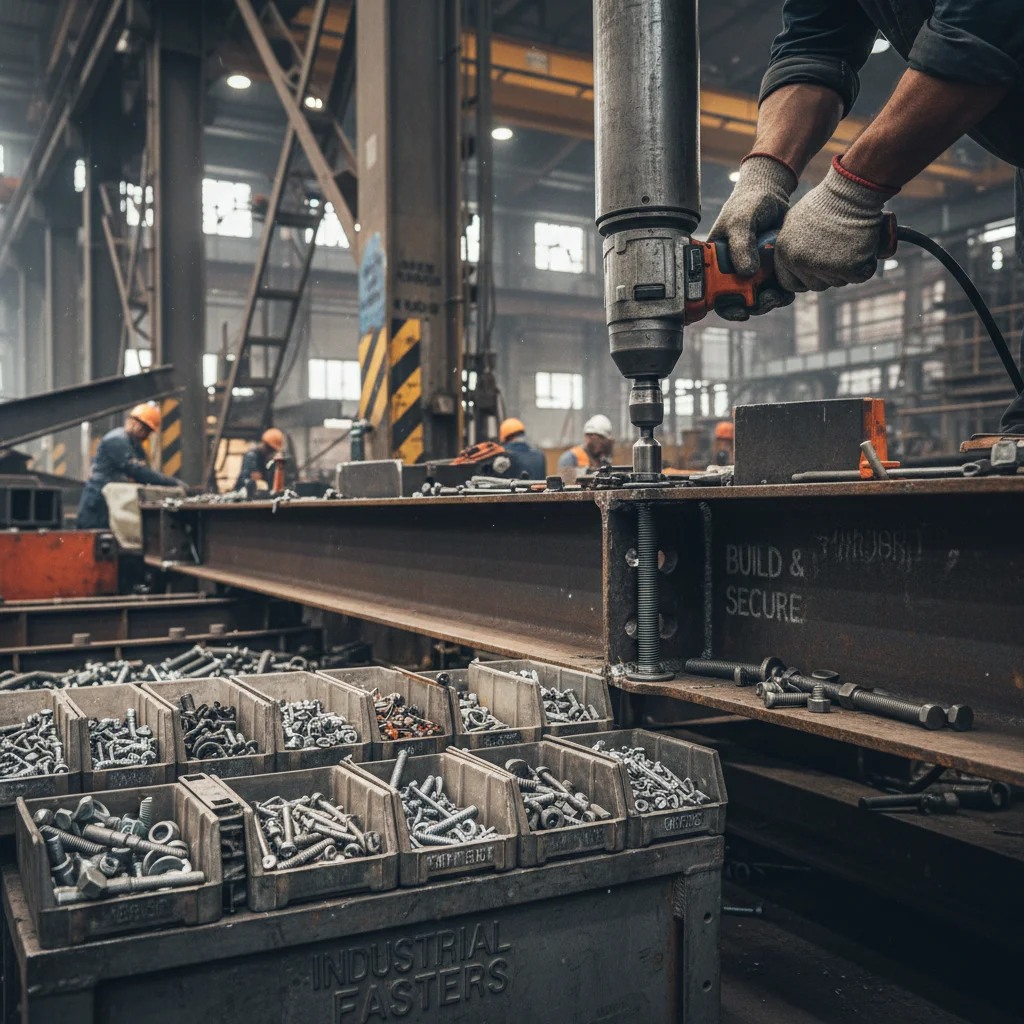
The applications of 14 self tapping metal screws are incredibly diverse. They are frequently used in the automotive industry for assembling body panels and interior components. In the construction sector, they secure metal roofing, siding, and ductwork. Manufacturing utilizes them for assembling appliances, electronics, and machinery. The HVAC industry relies on them for connecting ductwork and mounting equipment. Their versatility and efficiency make them an indispensable fastener for professionals across numerous fields.
Choosing the appropriate 14 self tapping metal screw requires careful consideration of several factors. Material thickness is paramount – selecting the correct type (A, AB, or B) is vital. Head style influences the finished appearance and functionality. Drive type impacts ease of installation and torque transmission. Material compatibility is also essential; stainless steel screws are ideal for corrosion-resistant applications. Finally, consider the required holding power and the load-bearing capacity of the screw.
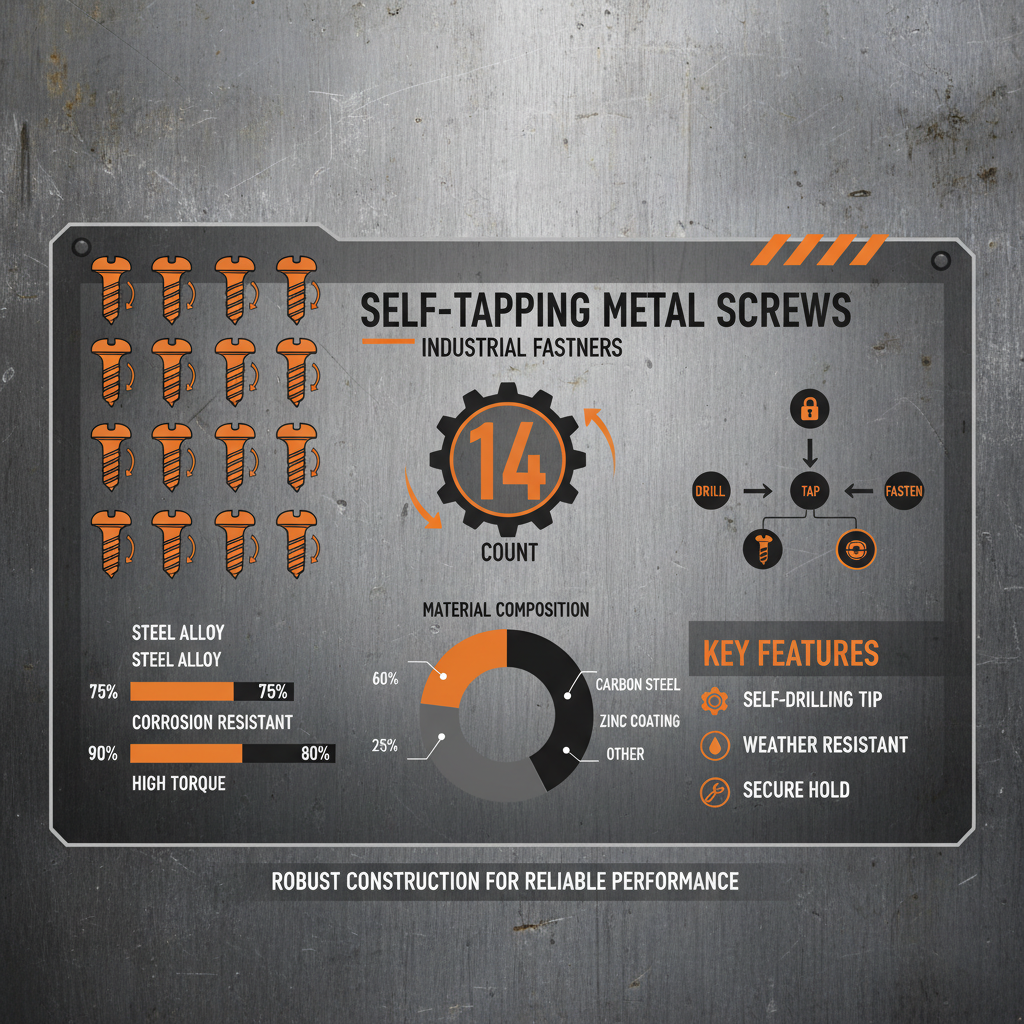
14 self tapping metal screws are available in a range of materials and coatings to suit diverse environments. Carbon steel offers strength and affordability for general-purpose applications. Stainless steel provides excellent corrosion resistance, making it suitable for outdoor or harsh conditions. Coatings like zinc, black oxide, and ceramic further enhance corrosion protection and improve aesthetics. The choice of material and coating significantly impacts the longevity and reliability of the fastening system.
Selecting the right 14 self tapping metal screws is vital for project success. By considering material thickness, application requirements, and environmental factors, you can ensure a secure, durable, and reliable fastening solution. Explore the extensive range of high-quality screws available at Lianshiwjnail to find the perfect fit for your needs.
Type A screws are best suited for relatively thin materials, typically up to around 1/8 inch (3.2mm). While they can attempt to tap into thicker materials, they may struggle to form consistent threads and are more prone to stripping. Using a Type A screw in thicker material can compromise the integrity of the connection and lead to failure. For thicker materials, a Type AB or Type B screw is highly recommended to ensure proper thread engagement and holding power. Always check the manufacturer's specifications for the specific screw you are using.
Stripping the screw head is a common problem. To prevent it, ensure you're using the correct driver bit size and type. Apply consistent, firm pressure while driving the screw, keeping the driver bit perpendicular to the screw head. Avoid over-tightening, as this is a major cause of stripping. Using a low-speed, high-torque setting on your drill can also help. If you encounter resistance, stop and check the alignment or consider pre-drilling a pilot hole, even with self-tapping screws.
Stainless steel self-tapping screws offer superior corrosion resistance compared to carbon steel screws. This makes them ideal for outdoor applications, marine environments, or any situation where exposure to moisture or corrosive substances is likely. While typically more expensive than carbon steel, the extended lifespan and reduced risk of rust and degradation make them a cost-effective choice in the long run. Different grades of stainless steel offer varying levels of corrosion resistance; 304 and 316 are common choices.
JOIN OUR NEWSLETTER


If you are interested in our products, you can choose to leave your information here, and we will be in touch with you shortly.