
Hit enter to search or ESC to close
Apr 16, 2026


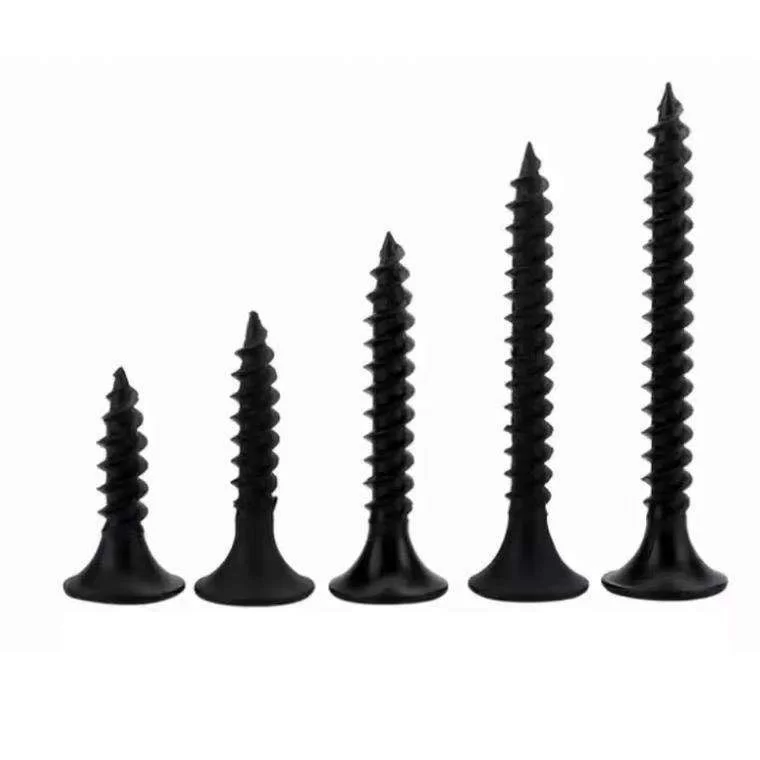
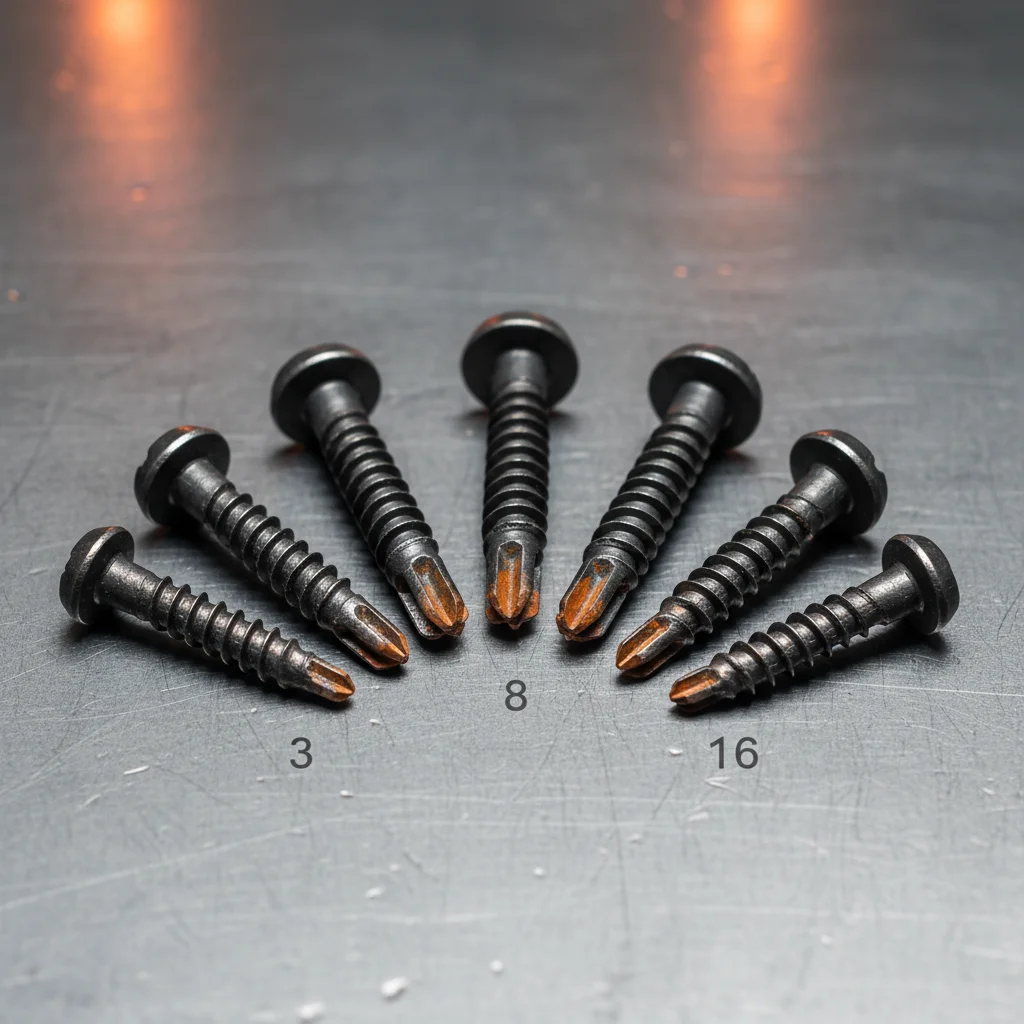
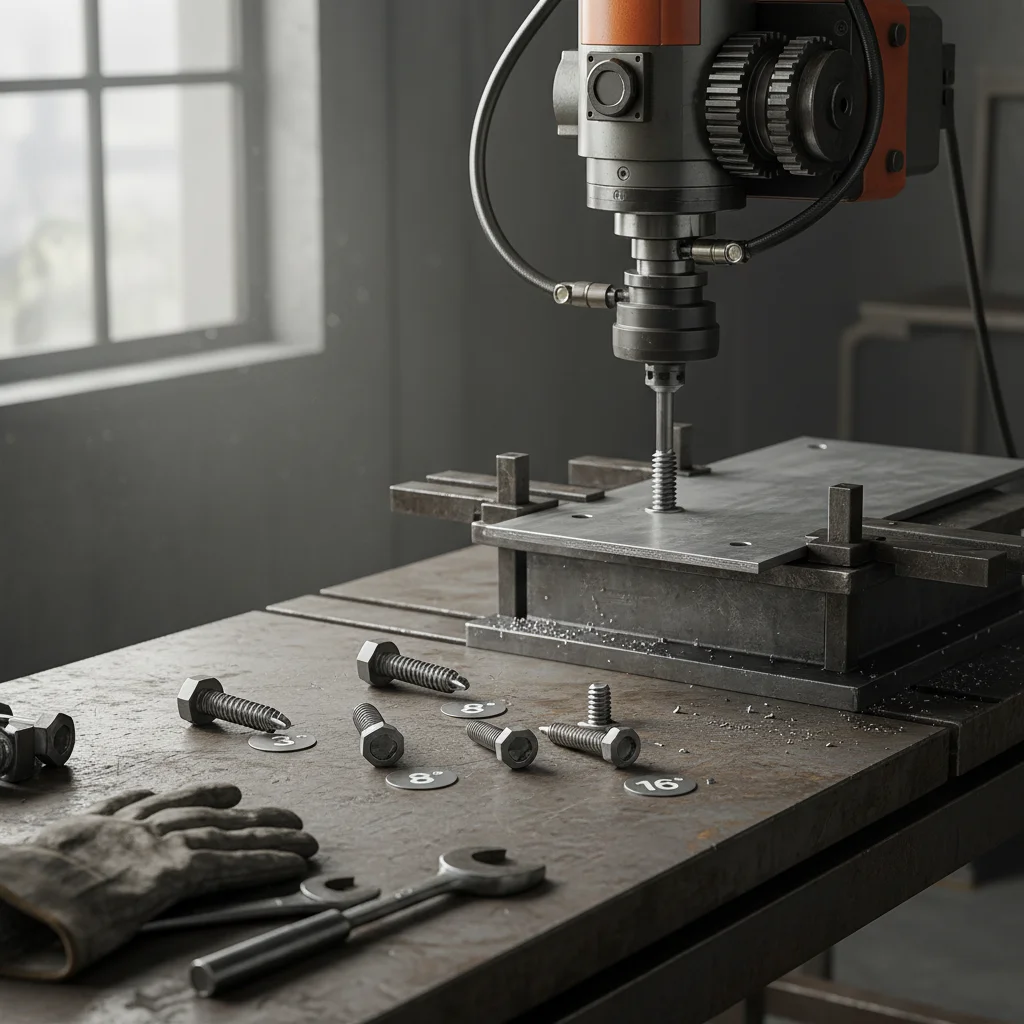
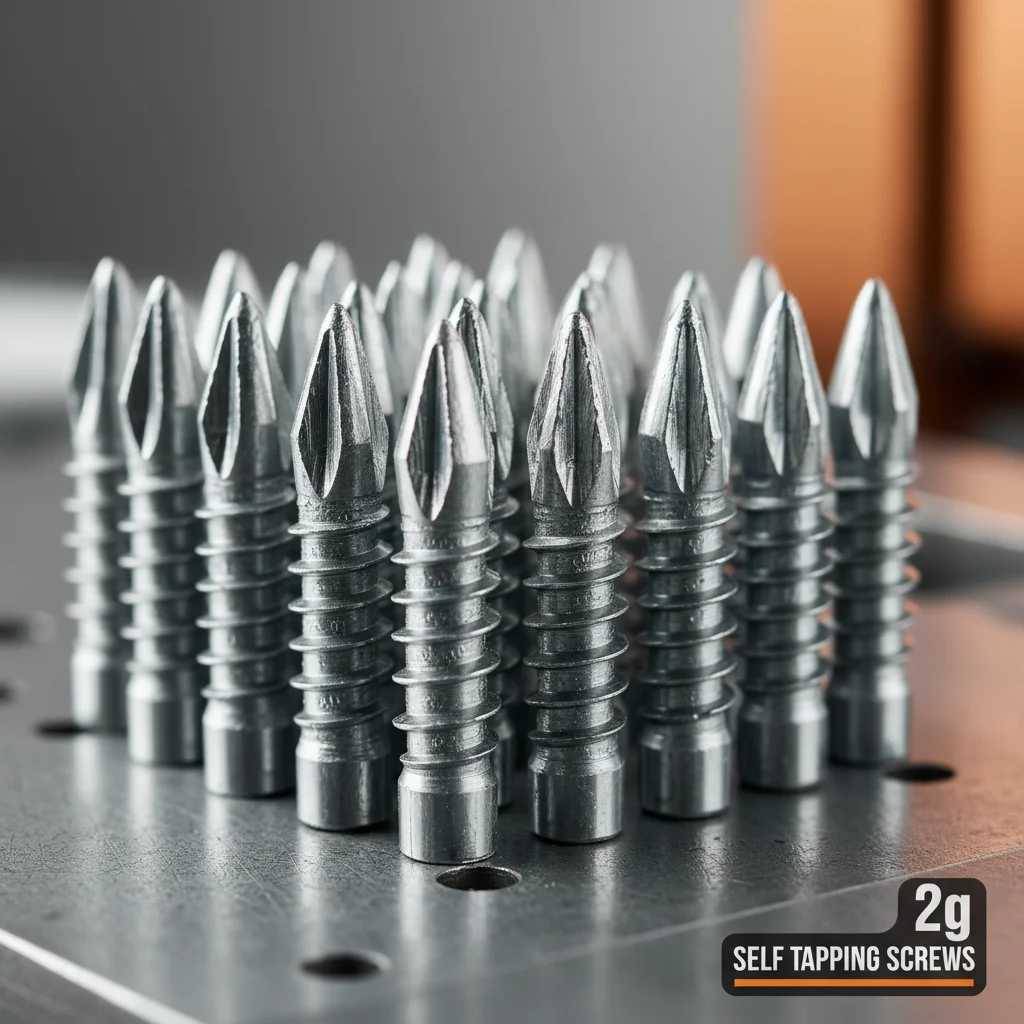
In the world of industrial fastening, precision is everything. The 3 8 head self tapping screw is a critical component used across countless manufacturing and construction projects. These specialized fasteners are designed to create their own mating threads as they are driven into the material, eliminating the need for pre-drilling in many applications. Whether you are working with sheet metal, plastics, or wood, understanding the technical nuances of the 3/8 head configuration ensures a secure bond and structural integrity. In this comprehensive guide, we will explore the specifications, applications, and benefits of using high-quality self-tapping screws to optimize your assembly process.
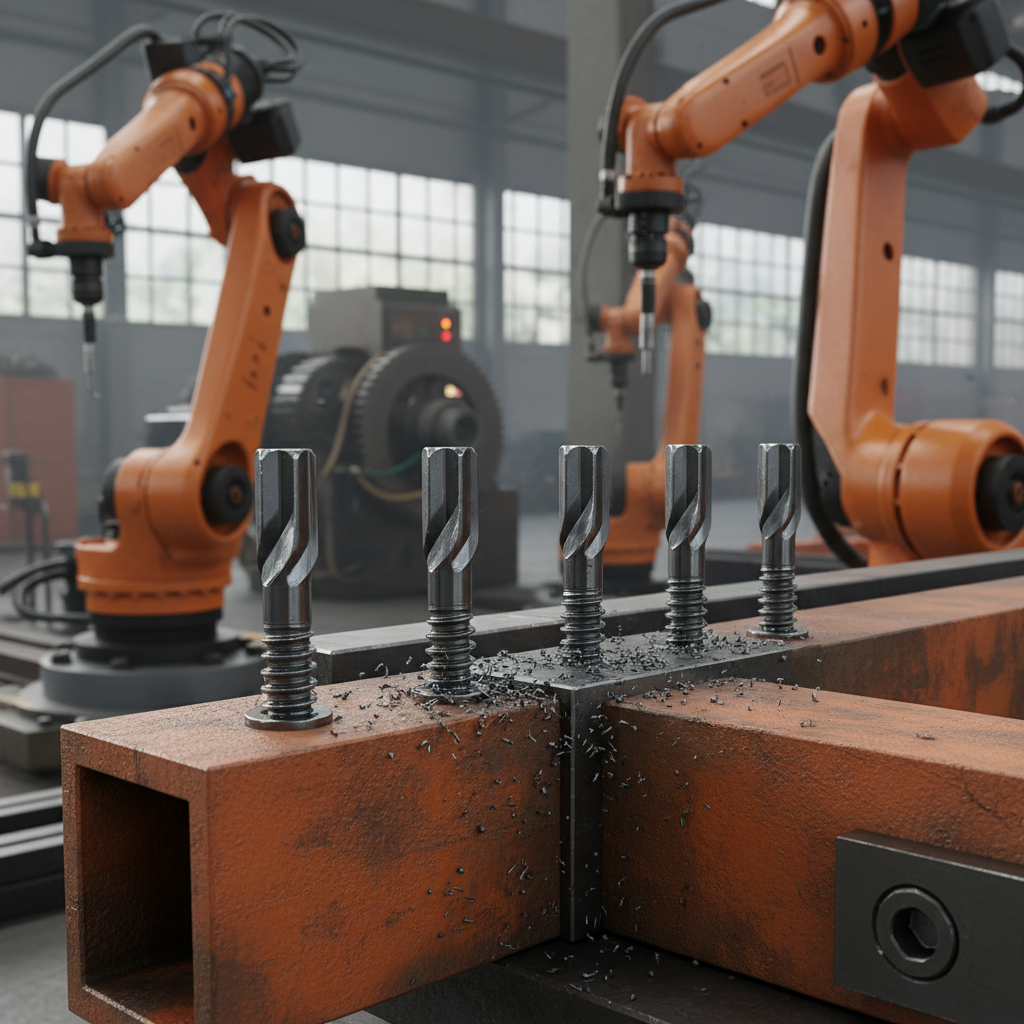
The performance of a 3 8 head self tapping screw is heavily dependent on the material it is crafted from. Most industrial-grade screws are produced from carbon steel, stainless steel, or alloy steel to ensure maximum shear strength. For environments prone to moisture, stainless steel (such as 304 or 316 grade) is preferred due to its exceptional corrosion resistance. On the other hand, carbon steel screws are often coated with zinc or phosphate to prevent rust while maintaining a cost-effective profile. Choosing the correct material prevents premature failure of the joint and ensures that the screw does not snap during the initial tapping phase.
Pro Tip: Always match the coating of your fastener to the environment. For outdoor marine applications, avoid zinc-plated screws and opt for high-grade stainless steel to prevent galvanic corrosion.
When sourcing a 3 8 head self tapping screw, it is essential to look at the dimensional tolerances and thread pitch. The "3/8 head" typically refers to the width of the bearing surface, which provides the necessary clamping force to hold materials together without pulling through. The thread design is engineered to cut through the substrate cleanly, reducing the risk of material cracking. Below is a detailed specification table for standard industry variants of these screws.
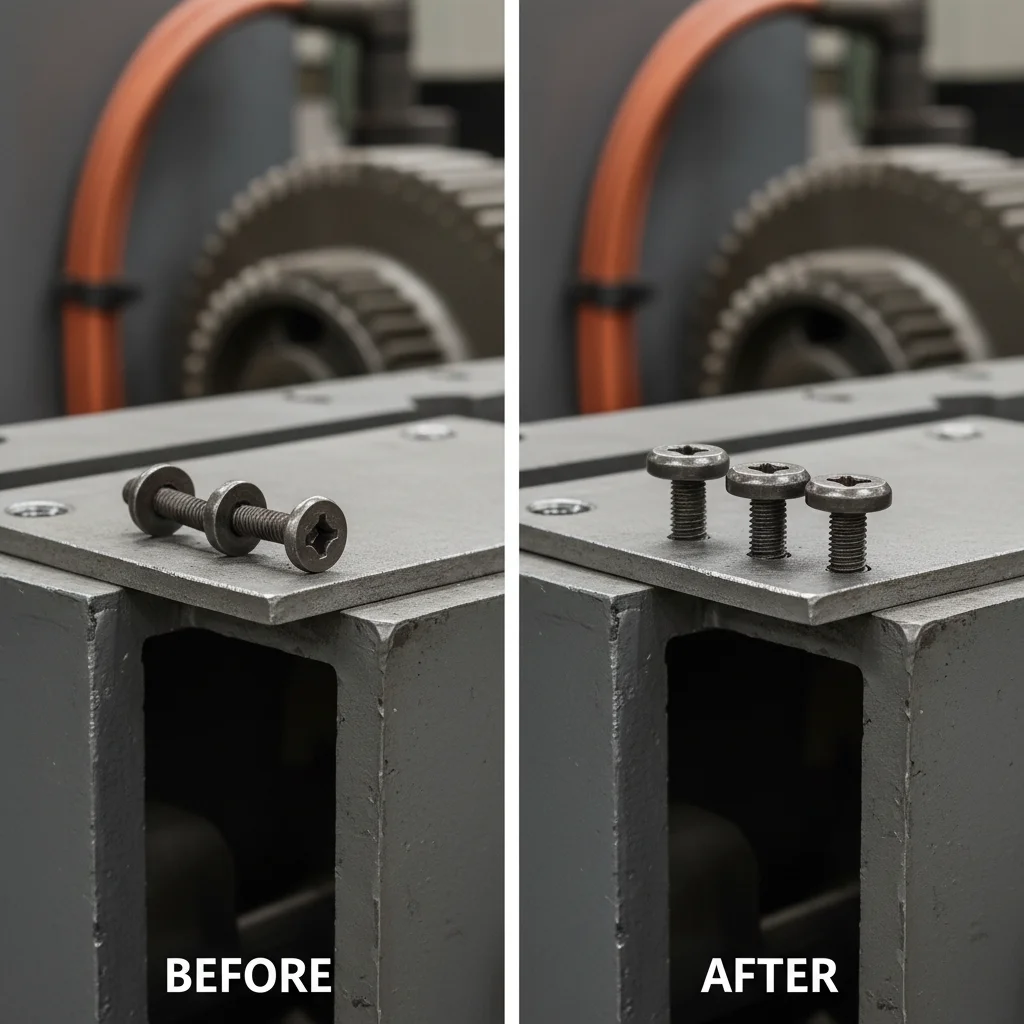
Integrating the 3 8 head self tapping screw into your workflow offers several operational advantages. First and foremost is the reduction in labor costs; because these screws tap their own holes, the time spent on pre-drilling is virtually eliminated. Second, the 3/8 head size provides a broader surface area for load distribution, which prevents the screw from sinking too deep into softer materials. This is especially useful in HVAC installations and automotive assembly where a flush, secure fit is required. Additionally, the high torque resistance of these screws ensures that they remain tight even under vibration.
Operational Advantages:
• Faster Assembly: No pre-tapping or drilling required.
• Superior Grip: Tight threads provide maximum pull-out resistance.
• Versatility: Works effectively across multiple substrate types.
• Cost-Efficient: Lowers tool wear and decreases project timelines.
When deciding between a 3 8 head self tapping screw and a standard small-head screw, the primary consideration is the "bearing pressure." A larger 3/8 head distributes the clamping force over a wider area, which is critical when fastening thin-gauge metals that might deform under a smaller head. Standard screws are better for aesthetic purposes where the head needs to be hidden, but they lack the structural stability required for heavy-duty industrial joints. For high-stress applications, the larger head diameter is an absolute necessity to prevent "pull-through" failure.
To get the most out of your 3 8 head self tapping screw, proper installation technique is paramount. Avoid over-tightening, as this can strip the newly created threads in the substrate, leading to a loose connection. Using a torque-controlled screwdriver is highly recommended to ensure consistent tension across all fasteners. Furthermore, ensure that the screw is driven perpendicular to the surface to avoid skewed threads, which can weaken the joint. For very hard materials, a small pilot hole may still be beneficial to reduce the torque required and prevent head snapping.
The versatility of the 3 8 head self tapping screw makes it a staple in several industries. In the automotive sector, they are used for interior paneling and non-structural brackets. In construction, they are ideal for securing metal studs and flashing. The electronics industry utilizes them for assembling chassis and casings where a secure, vibration-resistant hold is required. Because they are easy to install and remove, they are also the preferred choice for modular furniture and prefabricated housing units, where speed and reliability are the top priorities.
Selecting the right fastener is more than just a matter of size; it's about ensuring the longevity and safety of your entire project. The 3 8 head self tapping screw provides the perfect balance of clamping force, installation speed, and durability. By choosing the correct material and following proper installation guidelines, you can significantly improve the efficiency of your assembly line and the quality of your final product. Trust in professional-grade fasteners to keep your structures secure and your operations running smoothly.
While often used interchangeably, there is a key technical difference. A self-tapping screw, such as the 3/8 head variety, taps its own threads as it enters the material but often requires a pilot hole in harder materials. A self-drilling screw has a drill-bit-like tip that actually bores through the metal before the threads engage. If you are working with very thick metal, a self-drilling screw is better; however, for most thin-to-medium applications, the self-tapping screw offers a tighter, more secure fit.
Yes, it can be used in wood, although it is primarily engineered for metal and plastics. When using it in wood, the 3/8 head provides excellent surface grip, preventing the screw from sinking too deep into the grain. However, we highly recommend drilling a small pilot hole in hardwood to prevent the wood from splitting, as the tapping action of the screw creates significant outward pressure within the material.
Stripping usually occurs due to the use of an incorrectly sized driver or excessive torque. To prevent this, ensure you are using a driver bit that fits the head perfectly with no "play." If the screw is resisting, do not force it; instead, check if a pilot hole is necessary. Using high-quality fasteners from a trusted supplier like Lianshi WJ Nail ensures that the head is properly heat-treated to withstand the torque required for installation.
For outdoor use, the best choice is either stainless steel (which has no coating as the material itself is rust-proof) or a hot-dip galvanized coating. Zinc plating is suitable for indoor or dry environments, but it will corrode quickly when exposed to rain or salt air. For maximum longevity in extreme weather, stainless steel 316 is the gold standard, as it resists chloride corrosion and maintains the integrity of the threads over decades.
JOIN OUR NEWSLETTER


If you are interested in our products, you can choose to leave your information here, and we will be in touch with you shortly.