
Hit enter to search or ESC to close
Mar 4, 2026


When undertaking projects involving metal, selecting the right fasteners is critical for success. 12 self tapping metal screws are a popular choice for their ability to create threads as they're driven, eliminating the need for pre-tapped holes. This article will delve into the features, applications, and benefits of these versatile screws, providing a comprehensive overview for DIY enthusiasts and professionals alike. Choosing the correct screw size and type can dramatically improve project durability and efficiency. Lianshiwjnail offers a wide selection to meet diverse needs.
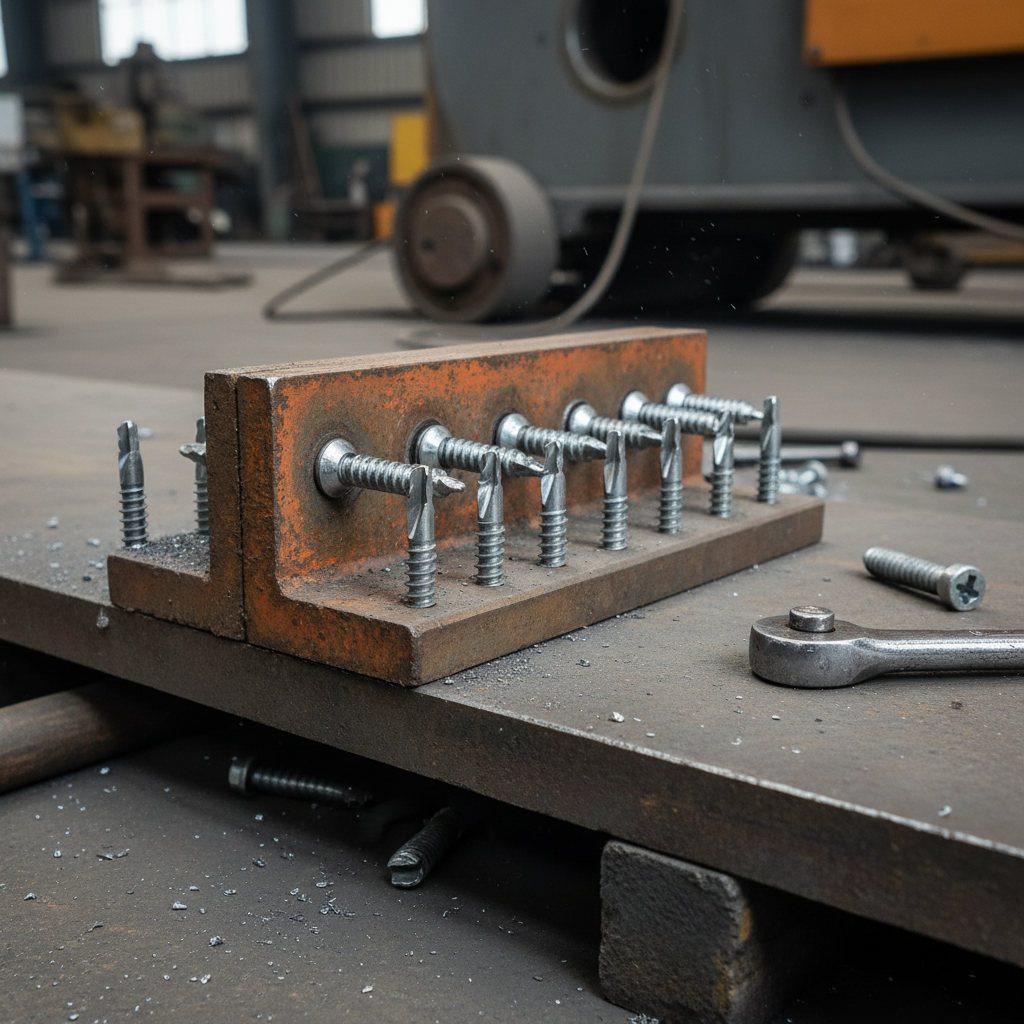
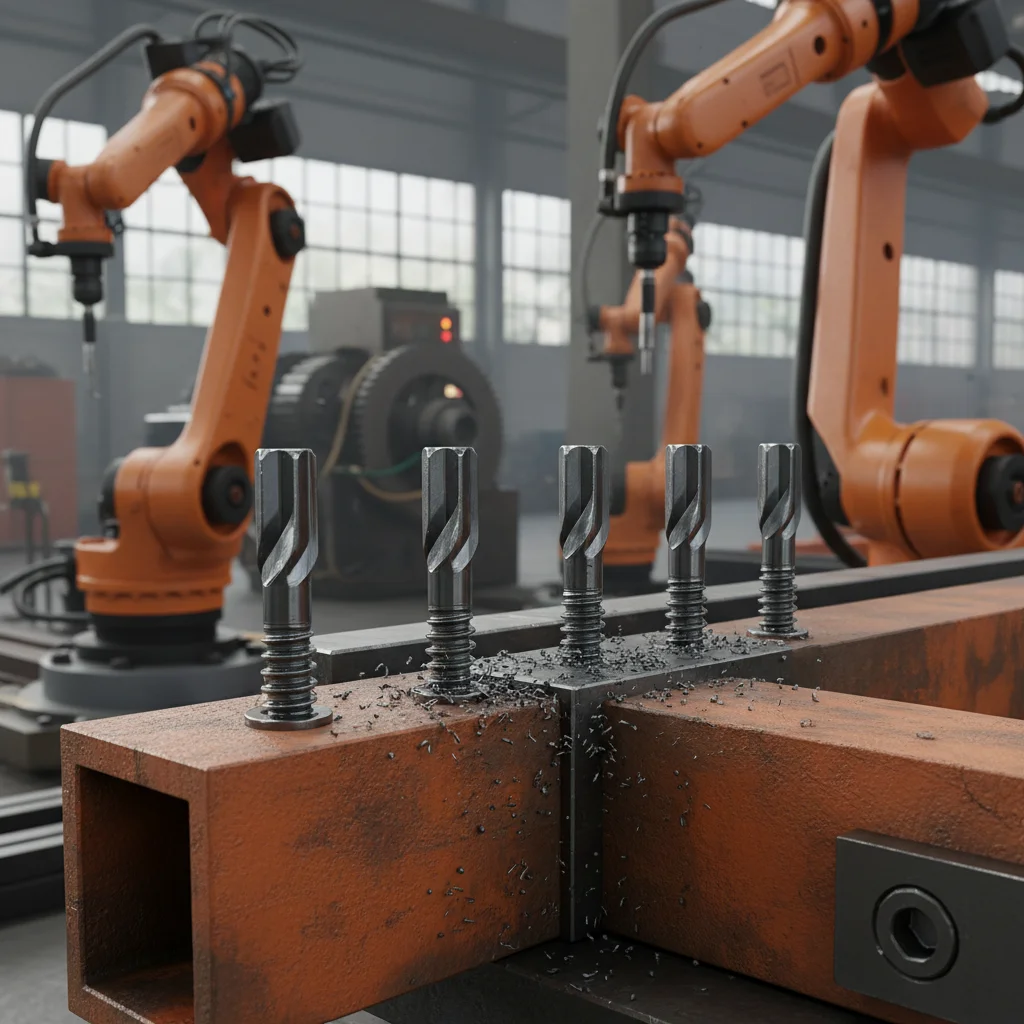
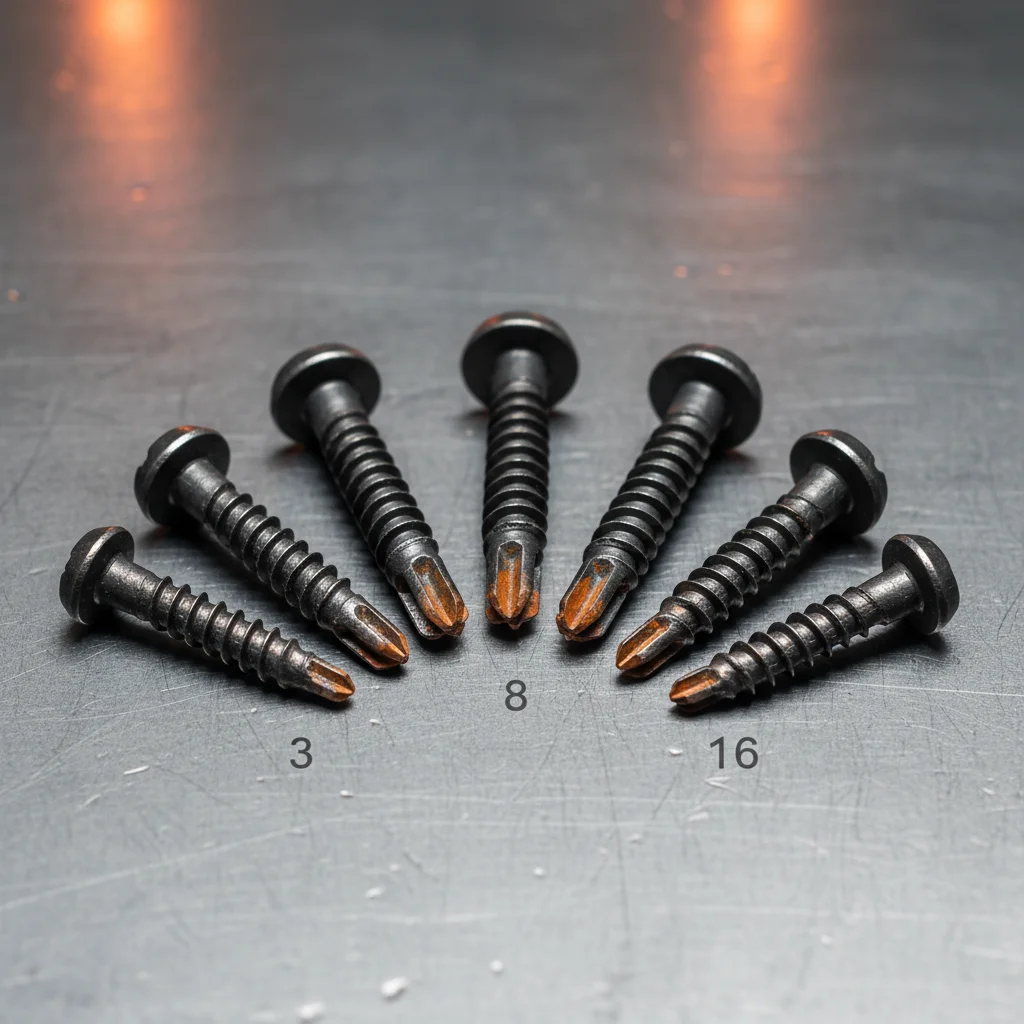
12 self tapping metal screws are designed to create their own threads within the metal material as they are screwed in. The "12" refers to the screw's diameter, measured in gauge. These screws feature a hardened tip, often with cutting flutes, that drills into the metal, forming the threads. This eliminates the requirement of pre-drilling and tapping holes, saving time and effort. They're commonly used in sheet metal, thin gauge steel, and other metal applications. The ease of installation and secure hold make them ideal for various projects.
Key Highlights: Eliminates the need for pre-drilling and tapping, saving time and resources. Offers a strong and reliable hold in metal materials. Available in various head styles and materials for diverse applications.
There are several types of 12 self tapping metal screws, each designed for specific applications. Common types include Type A, Type B, and Type AB screws. Type A screws are suitable for thin sheet metal, while Type B screws are designed for thicker materials. Type AB screws offer a combination of both, providing versatility for a wider range of metal thicknesses. The choice of screw type depends on the material’s thickness and the desired strength of the connection. Lianshiwjnail offers a detailed guide to help you select the right screw for your project.
Screw Type Breakdown:
• Type A: Thin sheet metal.
• Type B: Thicker metal materials.
• Type AB: Versatile for a range of thicknesses.
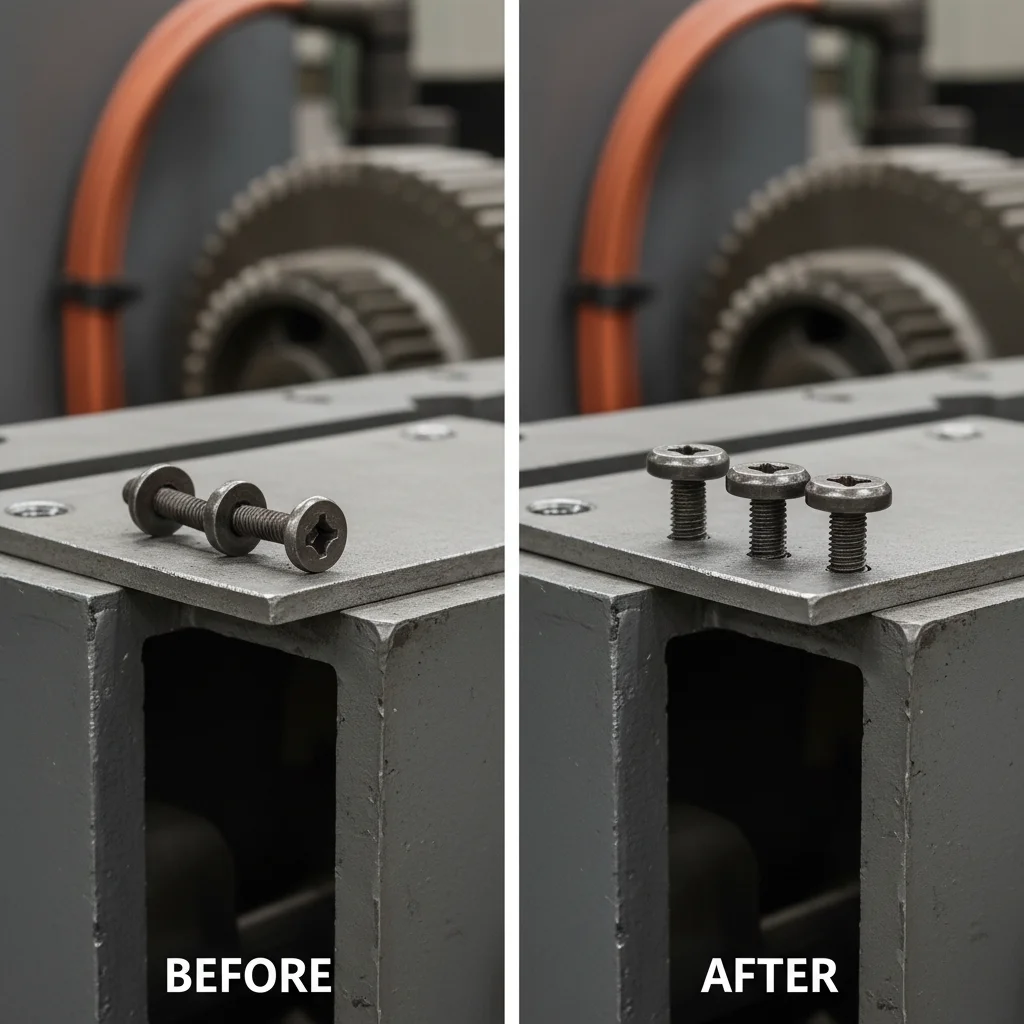
Compared to traditional screws requiring pre-drilled holes, 12 self tapping metal screws offer significant advantages. They reduce assembly time, minimize the risk of misalignment, and eliminate the need for separate tapping tools. While traditional screws might provide a slightly stronger hold in certain applications, the convenience and efficiency of self-tapping screws often outweigh this consideration. They're particularly beneficial for projects where access is limited or where precise hole alignment is challenging.
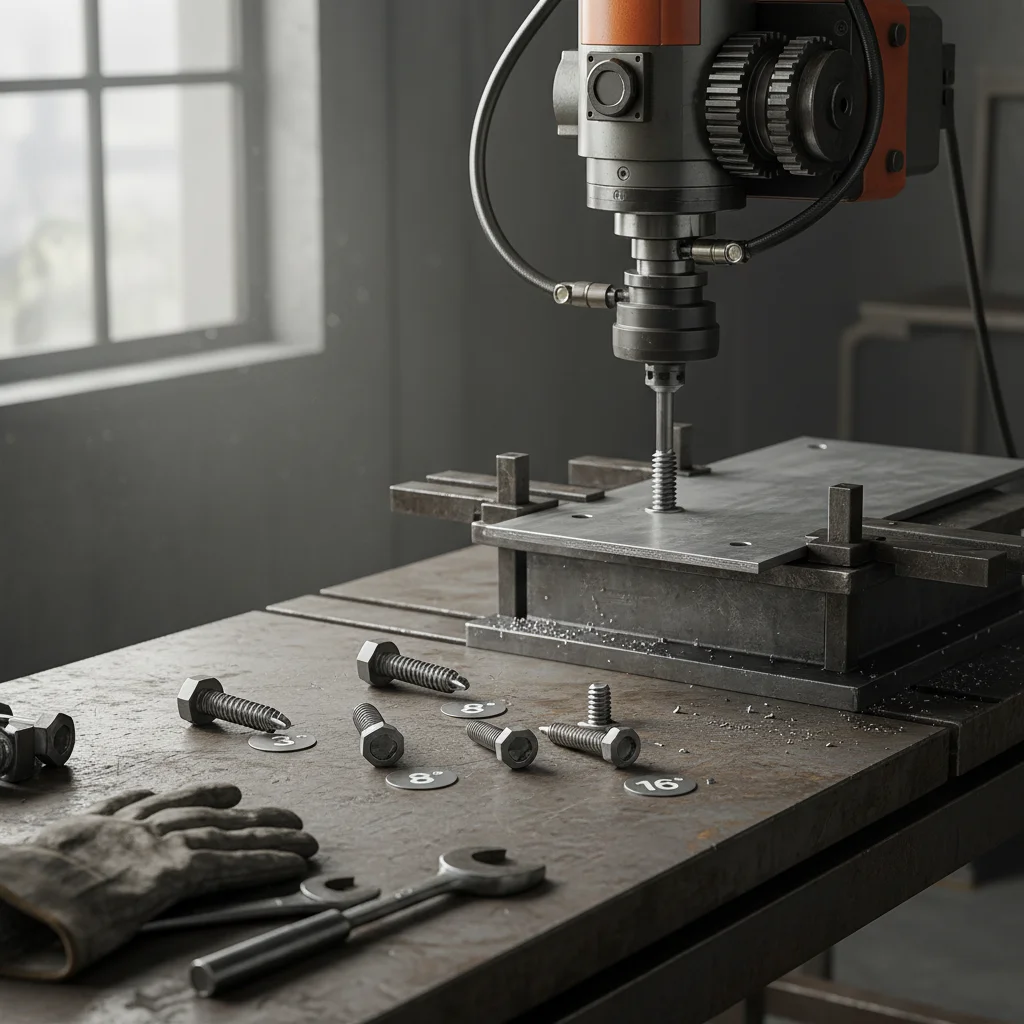
These screws find applications in numerous industries and projects. They are commonly used in HVAC systems for attaching ductwork, in automotive repair for securing body panels, and in electronics for assembling metal enclosures. DIY projects such as building shelving units, repairing appliances, and creating metal art also benefit from the convenience of these screws. Their versatility makes them a staple in toolboxes across various trades and hobbies.
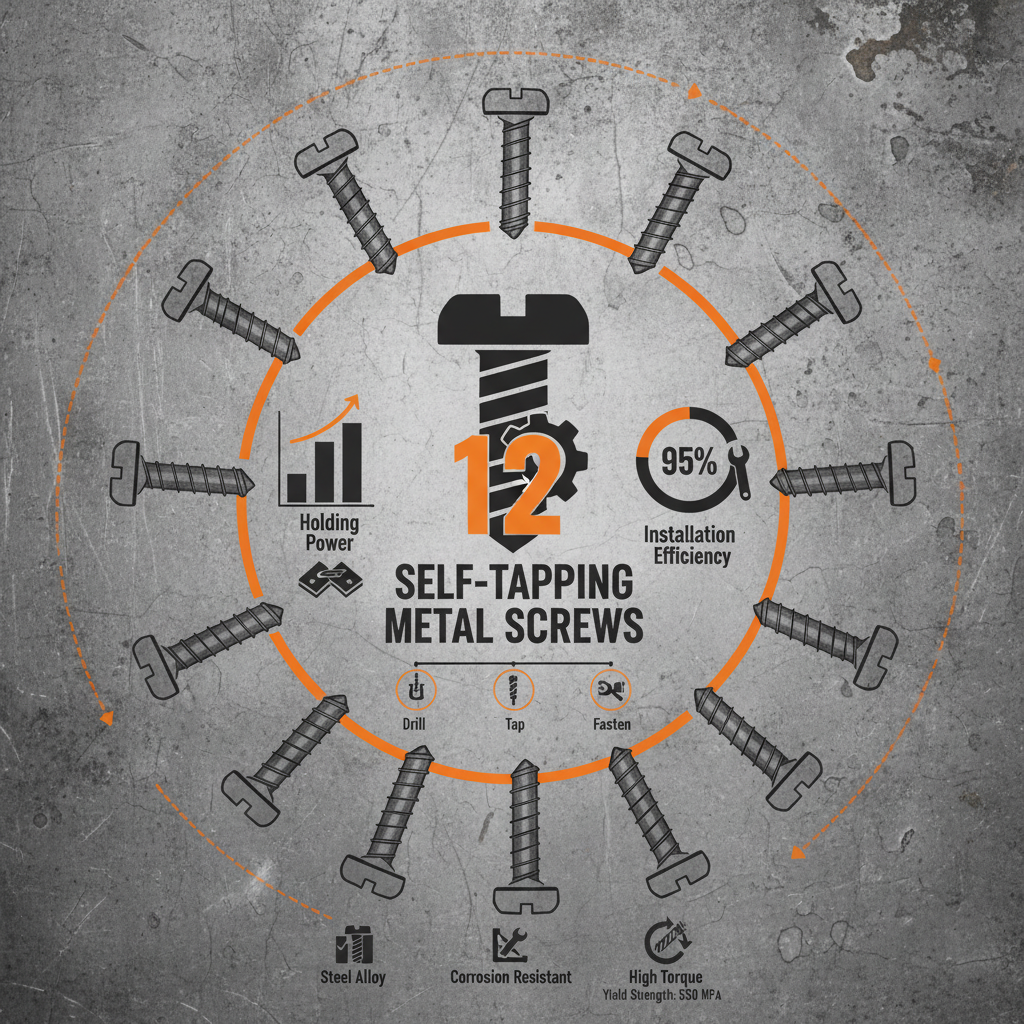
Selecting the correct screw involves considering several factors. Material thickness, desired strength, and environmental conditions all play a role. For stainless steel applications, choose stainless steel screws to prevent corrosion. For high-strength applications, opt for hardened steel screws. Ensure the screw length is appropriate for the material thickness to achieve a secure hold. Lianshiwjnail provides expert advice and a wide range of options to meet your specific requirements.
12 self tapping metal screws are an invaluable tool for anyone working with metal. Their convenience, efficiency, and versatility make them a superior choice over traditional screws in many applications. By understanding the different types and choosing the right screw for your project, you can ensure a strong, reliable, and long-lasting connection. Invest in quality screws from a trusted supplier like Lianshiwjnail for optimal results.
12 self tapping screws are generally suitable for metal gauges ranging from 18 gauge to 1/8 inch (approximately 3.17mm) thick. However, this can vary depending on the screw type (A, B, or AB) and the hardness of the metal. For thicker materials, a larger gauge screw or a different fastening method might be necessary. It's crucial to consult a screw chart or product specifications to determine the appropriate screw size for your specific application. Using a screw that's too small can result in a weak hold, while one that's too large can damage the material.
Yes, you can use self-tapping screws in aluminum, but it's important to select the correct type. Aluminum is a softer metal than steel, so you'll need screws specifically designed for aluminum. These screws typically have a wider thread pitch and a sharper cutting edge to prevent stripping the threads. It’s also beneficial to use a lubricant during installation to help the screw tap smoothly. Stainless steel self-tapping screws are a good choice for aluminum as they resist corrosion.
To prevent stripping the threads, use the correct screw type for the material, apply consistent pressure while screwing, and avoid over-tightening. Using a drill or screwdriver with adjustable torque settings can help prevent over-tightening. A pilot hole, even a small one, can also aid in guiding the screw and preventing thread damage. If you're working with hard metals, a lubricant can reduce friction and make tapping easier. Always ensure the screw is aligned straight to avoid cross-threading.
JOIN OUR NEWSLETTER


If you are interested in our products, you can choose to leave your information here, and we will be in touch with you shortly.