
Hit enter to search or ESC to close
Feb 2, 2026


When tackling drywall projects, choosing the right screws is crucial for a secure and lasting finish. 1 5/8" self tapping drywall screws are a popular choice, offering a blend of convenience and holding power. This article provides a comprehensive guide to these screws, covering their features, applications, benefits, and considerations for selecting the best option for your needs. We'll delve into why these screws are favored by both DIY enthusiasts and professionals.
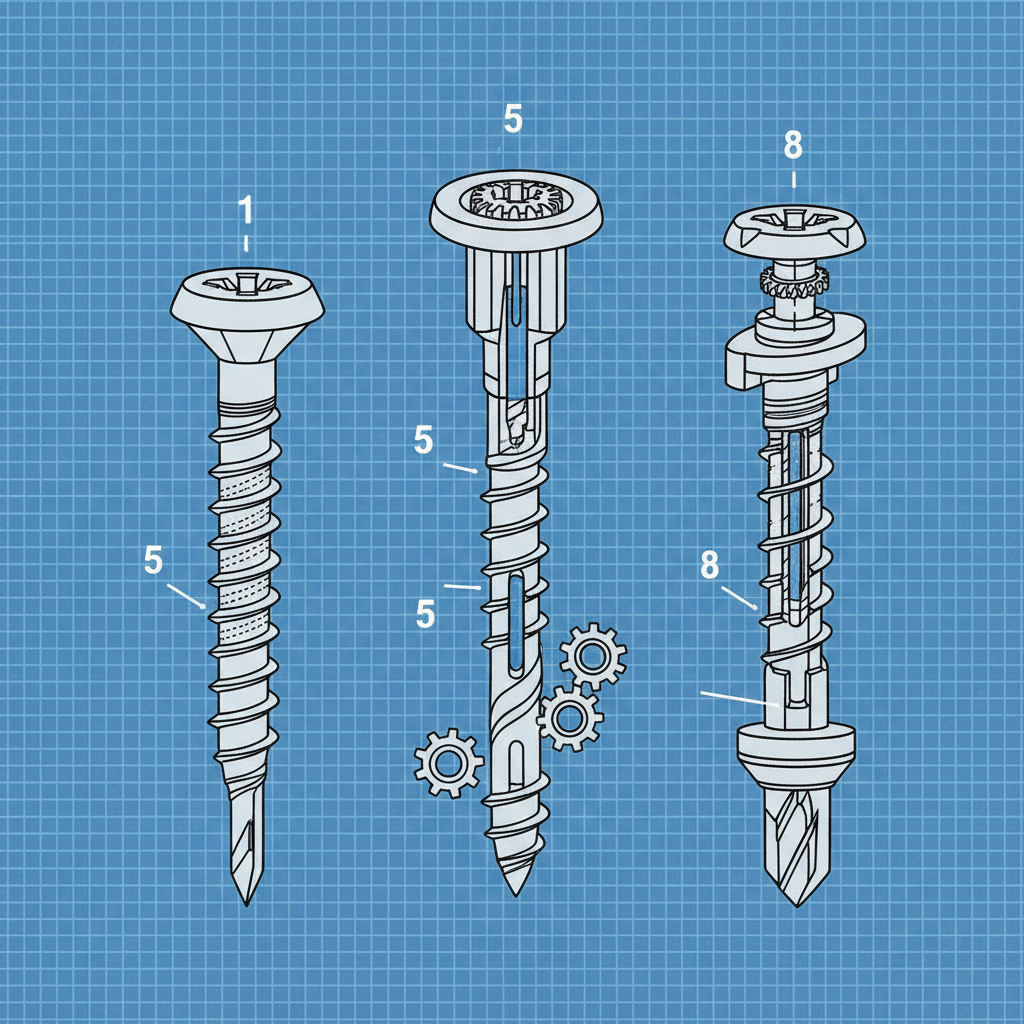
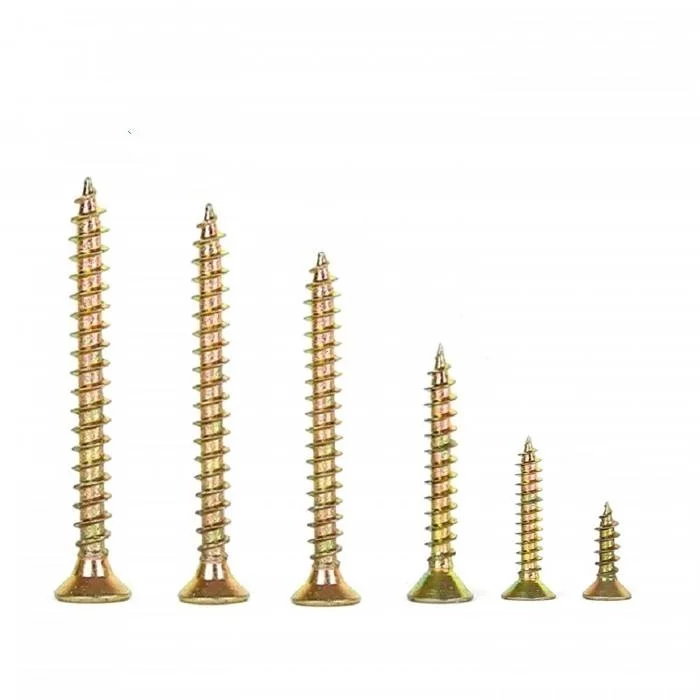
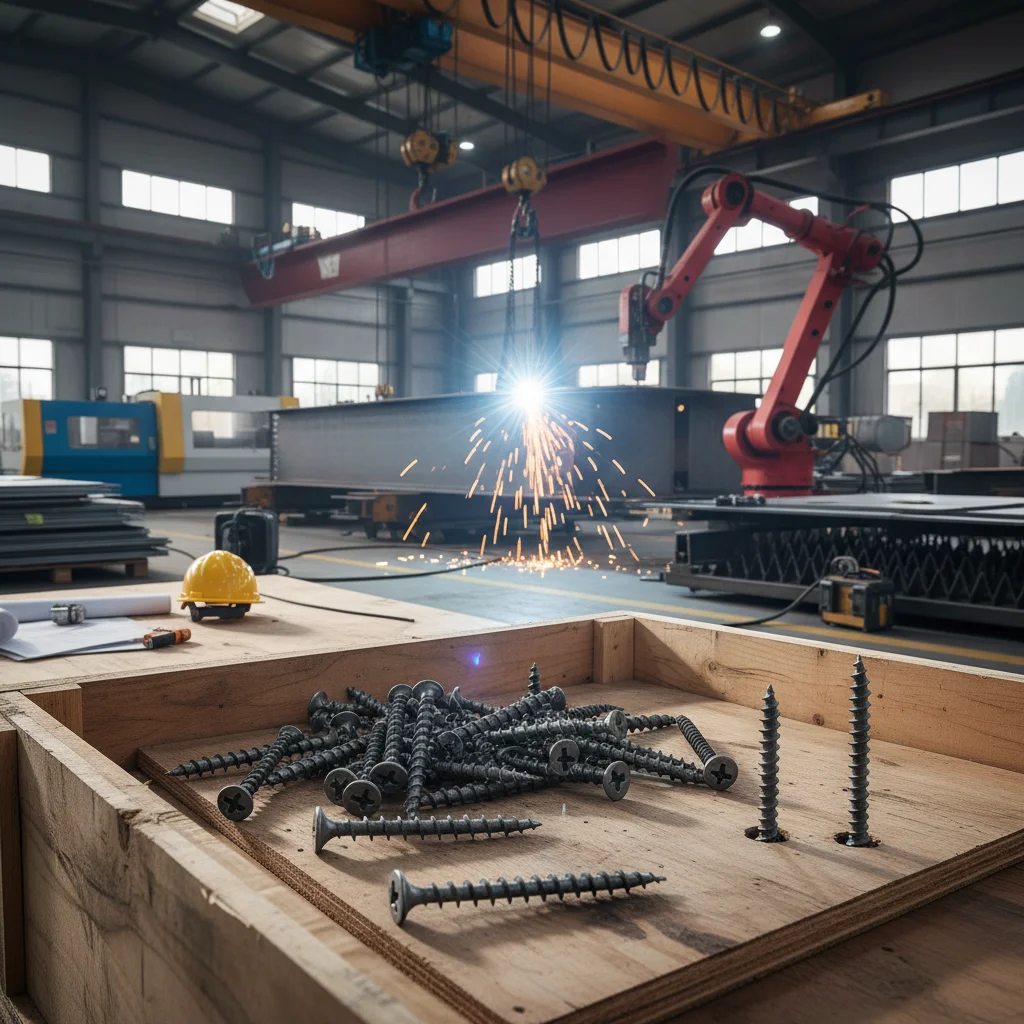
These screws are specifically designed for attaching drywall (gypsum board) to wood or metal studs. The "1 5/8" refers to the screw length, measured in inches. The "self-tapping" feature means they can create their own threads as they are driven into the stud, eliminating the need for pre-drilling in most cases. This significantly speeds up installation time. They typically have a bugle head, which is designed to countersink slightly into the drywall without tearing the paper face, resulting in a smooth, paintable surface. Lianshi Wujin Nail offers a variety of these screws, crafted for optimal performance.
Key Highlights: Self-tapping design, bugle head for clean countersinking, ideal length for standard drywall thickness, suitable for wood and metal studs.
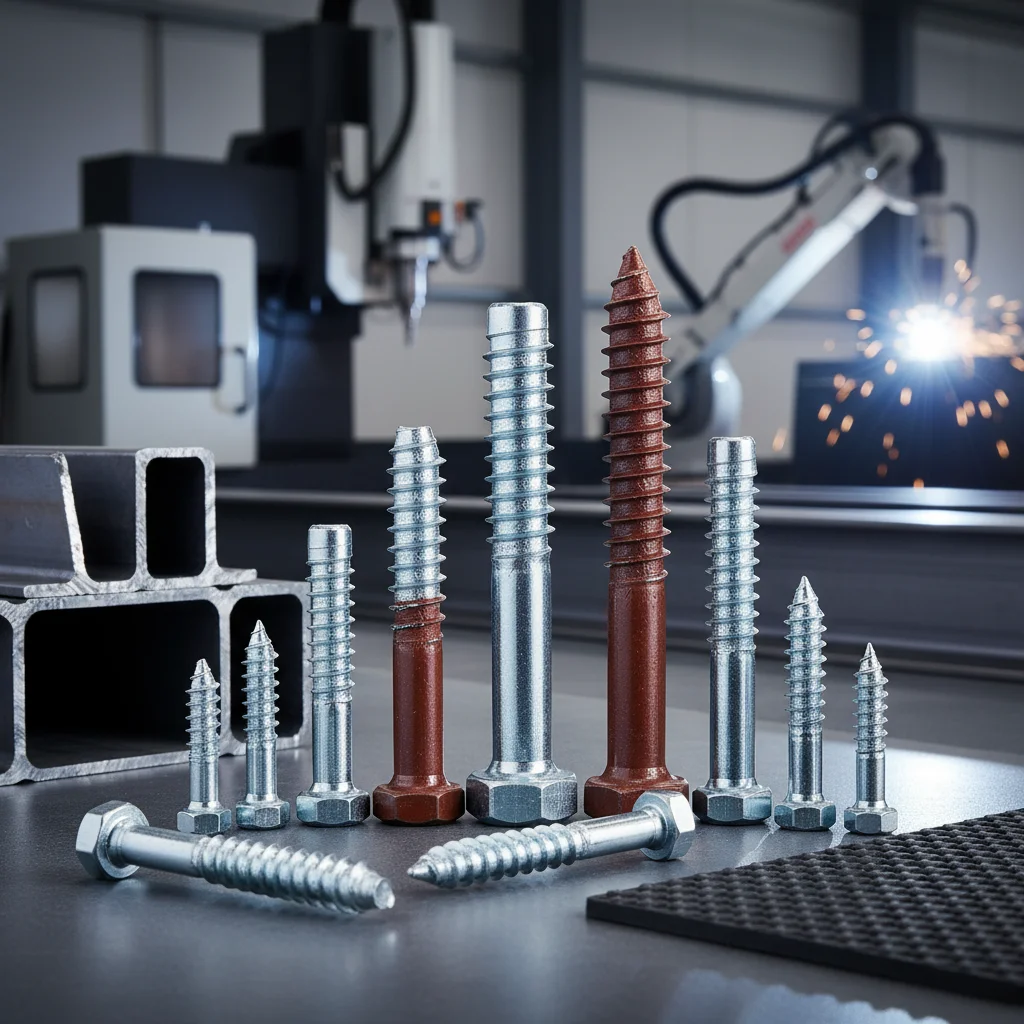
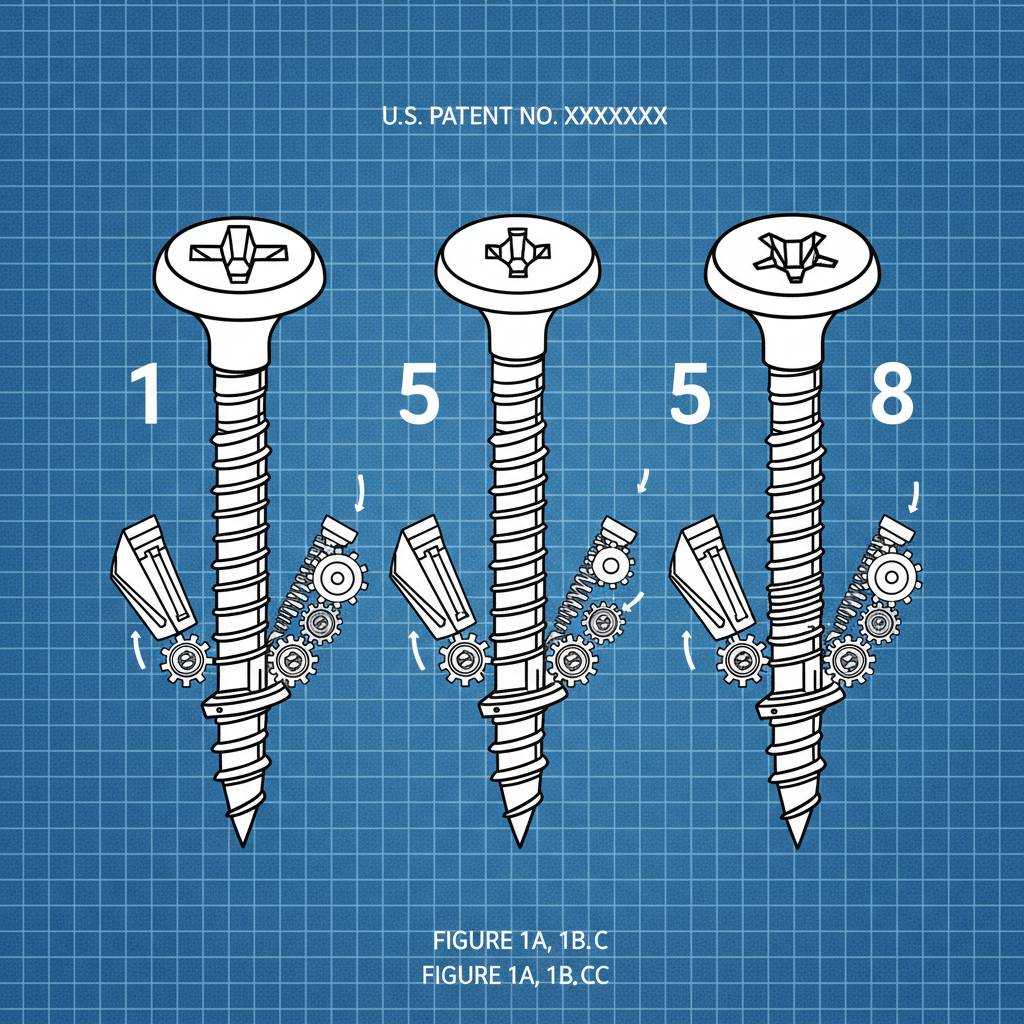
While 1 5/8" self-tapping drywall screws can work with both wood and metal studs, it's important to use the correct type for the material. Screws designed for wood studs typically have coarser threads, providing a strong grip in the softer material. Screws for metal studs, on the other hand, have sharper, finer threads to effectively bite into the metal. Using the wrong type can result in stripped screws, weak holding power, and a compromised drywall installation. It’s important to check the packaging to ensure you’re using the correct screw for the job.
Screw Type Comparison:
• Wood Stud Screws: Coarse threads, designed for strong grip in wood.
• Metal Stud Screws: Sharp, fine threads, designed for biting into metal.
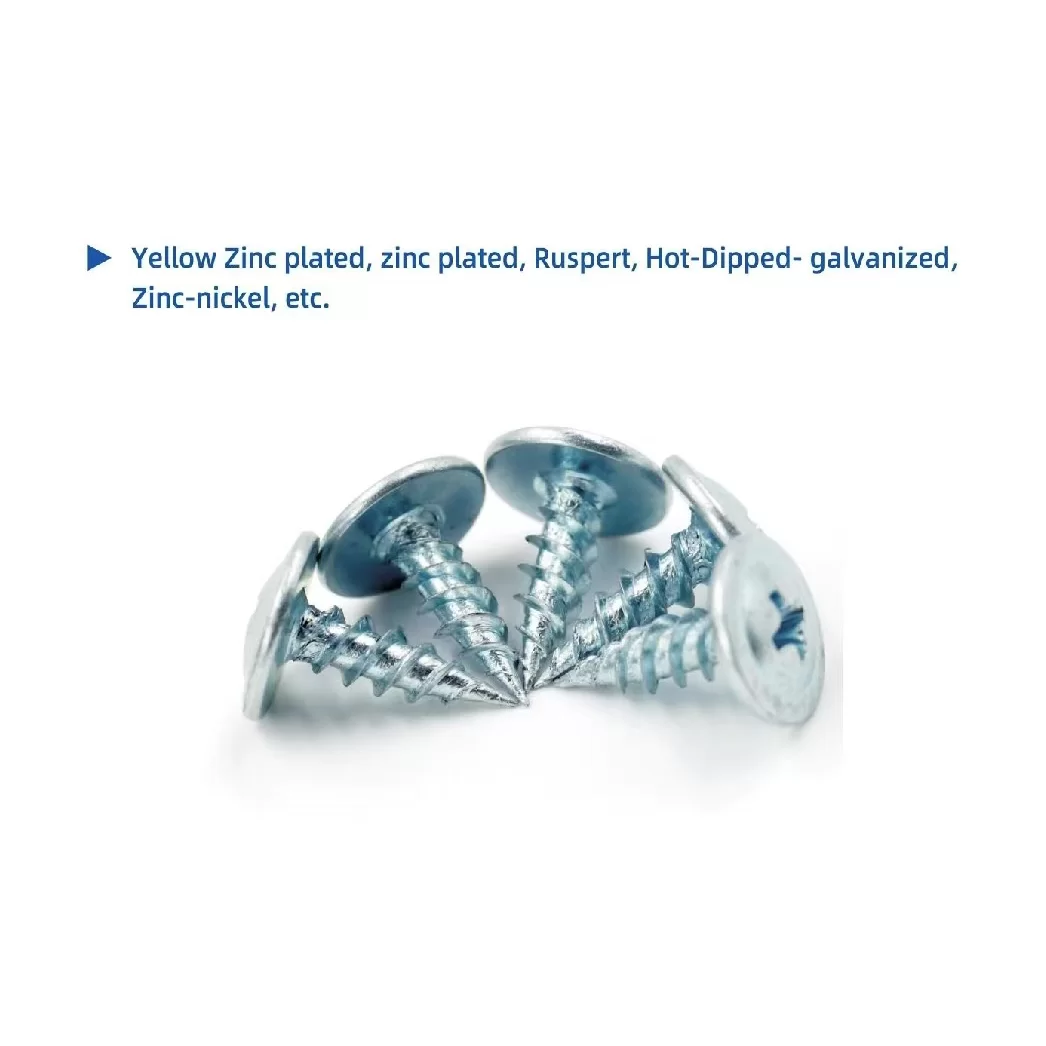
Understanding the specifications and materials is essential for selecting the right screws. Common materials include carbon steel and stainless steel. Carbon steel screws are more affordable but susceptible to corrosion, making them suitable for interior, dry environments. Stainless steel screws offer superior corrosion resistance and are ideal for moisture-prone areas like bathrooms and laundry rooms. The screw's gauge (thickness) also impacts its holding power – a lower gauge number indicates a thicker screw.
The popularity of these screws stems from several key benefits. Their self-tapping design eliminates the need for pre-drilling, saving time and effort. The bugle head ensures a clean, flush finish, reducing the need for excessive mudding and sanding. Their consistent performance and affordability make them a cost-effective solution for various drywall projects. Choosing Lianshi Wujin Nail guarantees quality and reliability.
When sourcing 1 5/8" self-tapping drywall screws, selecting a reputable supplier is critical. Lianshi Wujin Nail is a trusted manufacturer and exporter, offering a wide range of high-quality screws at competitive prices. We prioritize quality control, ensuring that our screws meet stringent industry standards. We also offer excellent customer service and fast delivery. Partner with us for reliable and consistent screw supply.
Choosing the right 1 5/8" self-tapping drywall screws can make a significant difference in the quality and durability of your drywall projects. By understanding the differences between wood and metal stud screws, the importance of materials, and the benefits of a reliable supplier like Lianshi Wujin Nail, you can ensure a professional and lasting result.
The recommended screw spacing generally depends on the drywall thickness and the application. For 1/2" drywall, a spacing of 12 inches along studs and 12 inches along the ceiling joists is typical. For 5/8" drywall, 16 inches spacing is commonly used. However, it’s crucial to consult local building codes for specific requirements. Closer spacing provides greater support, especially in areas subject to higher stress.
Yes, a power drill with a drywall screw gun attachment is highly recommended for efficient installation. Use a low-torque setting to avoid stripping the screws or damaging the drywall paper. The screw gun attachment automatically sets the screw depth, ensuring a consistent and professional finish. Avoid overdriving the screws, as this can weaken the connection and make it difficult to apply joint compound smoothly.
To prevent stripping, use the correct screw type for the stud material (wood or metal), avoid overdriving the screws, and use a low-torque setting on your drill. Also, ensure that the screw is driven straight into the stud. If you encounter resistance, stop and reposition the screw slightly. Using screws with a higher-quality coating can also help reduce friction and prevent stripping.
If a screw strips out, remove it carefully. You can try using a slightly larger diameter screw or inserting a small wood shim or toothpick dipped in wood glue into the hole before re-screwing. This will provide a tighter grip. If the stud is severely damaged, you may need to repair or replace it to ensure a secure connection.
JOIN OUR NEWSLETTER


If you are interested in our products, you can choose to leave your information here, and we will be in touch with you shortly.