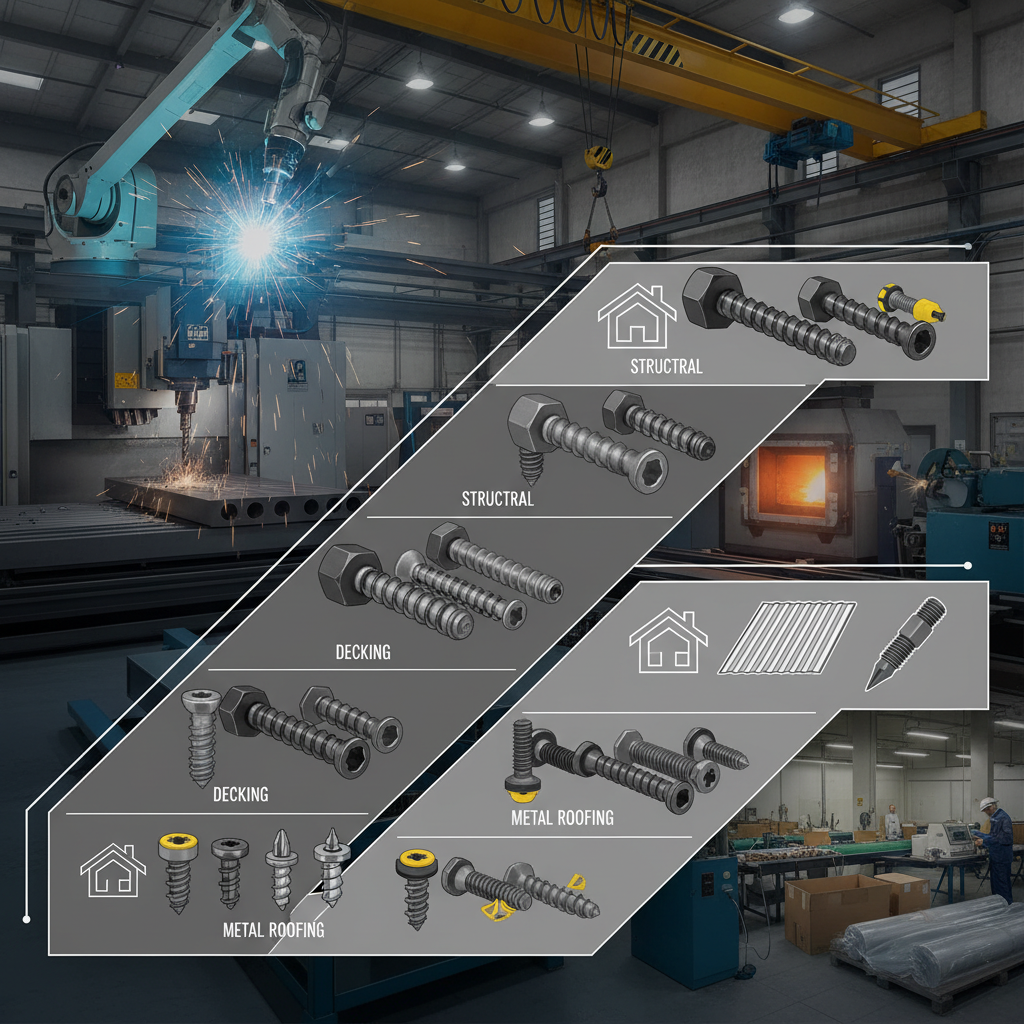
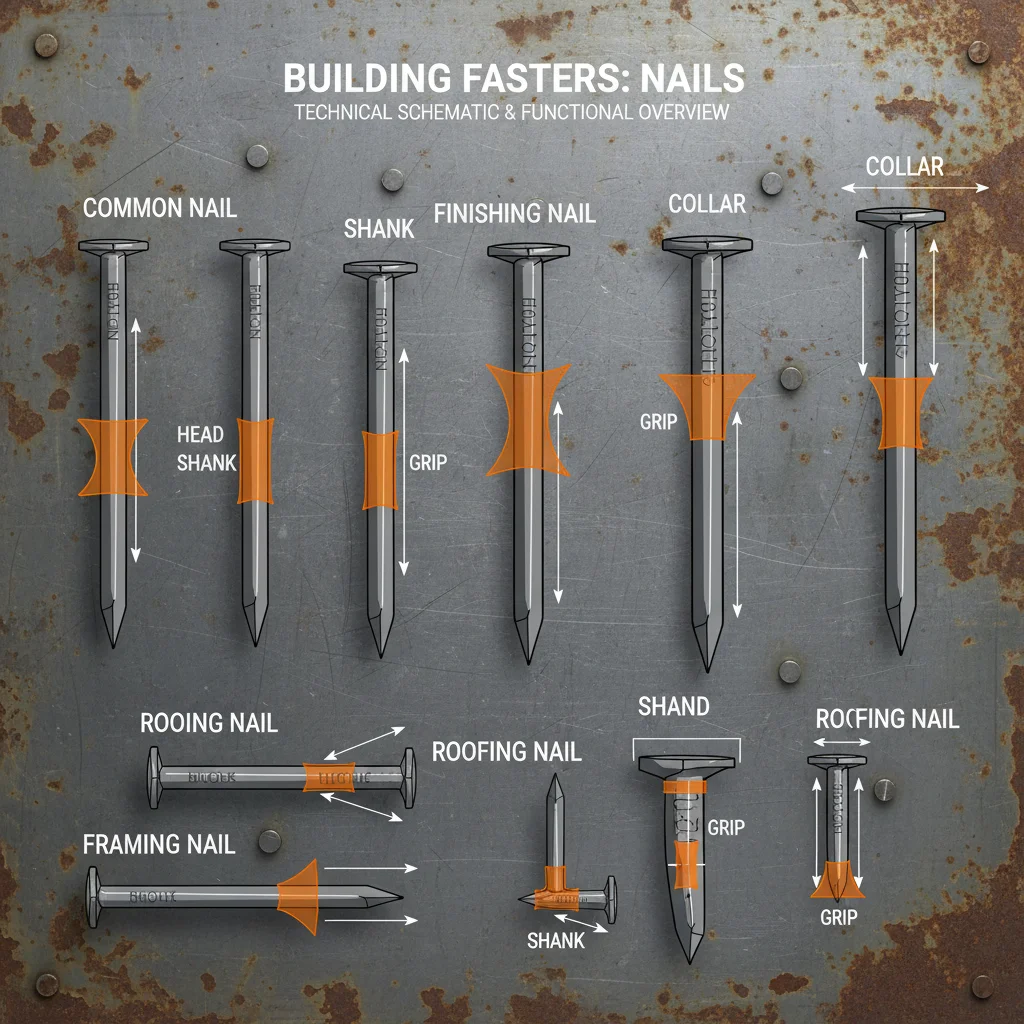
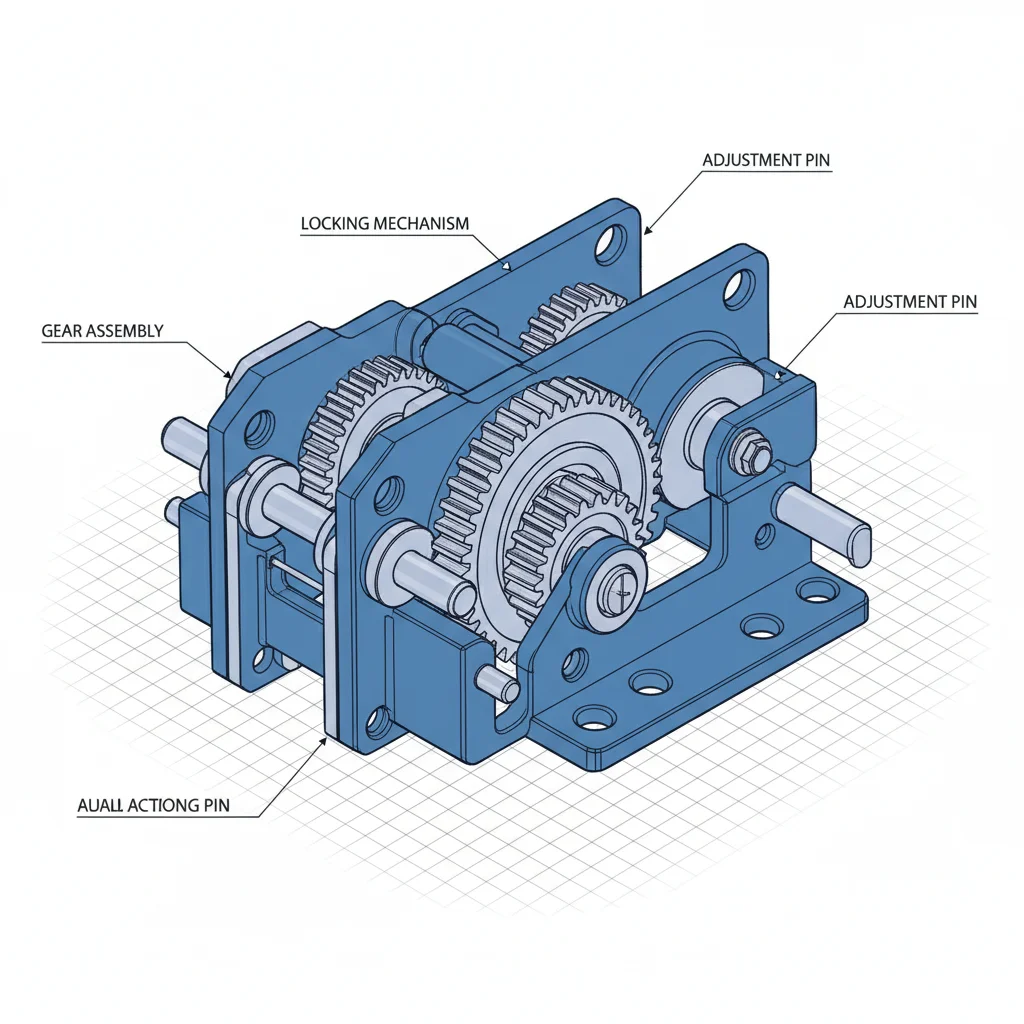
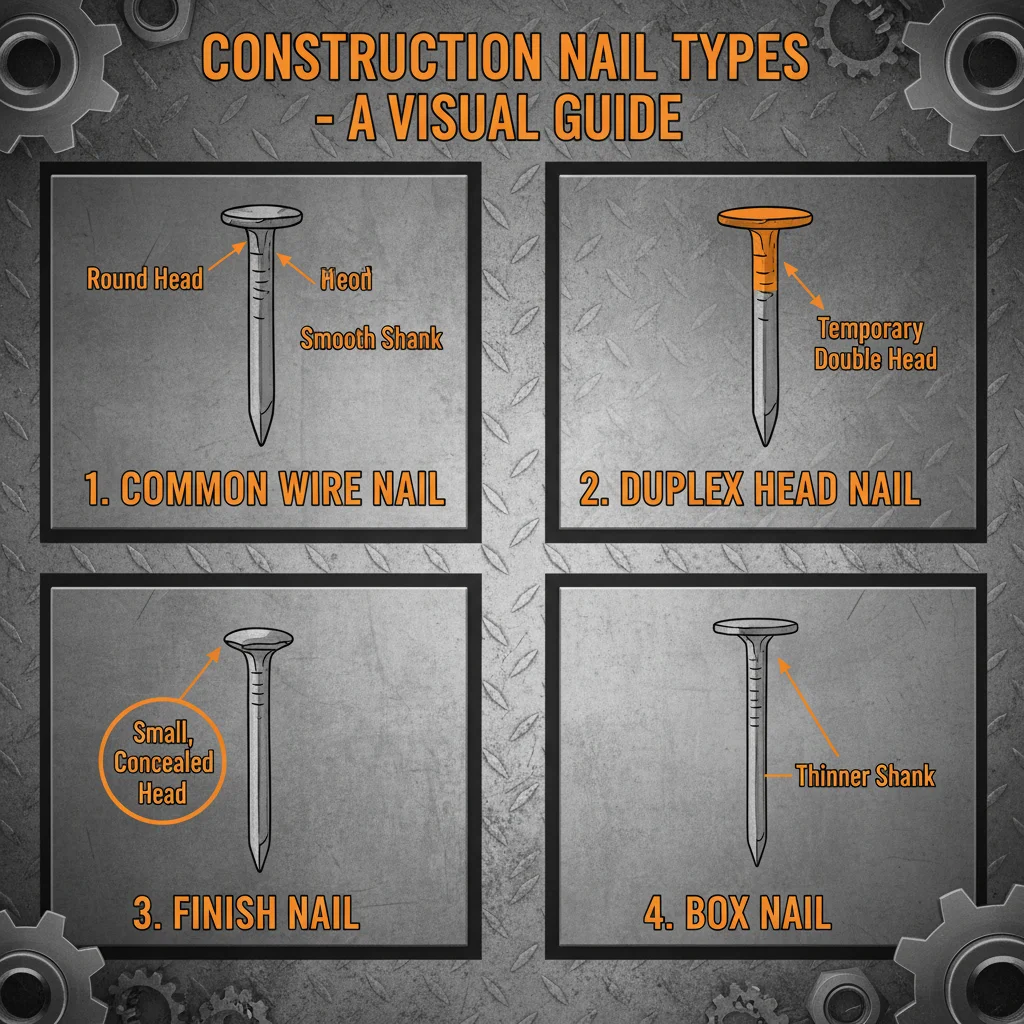
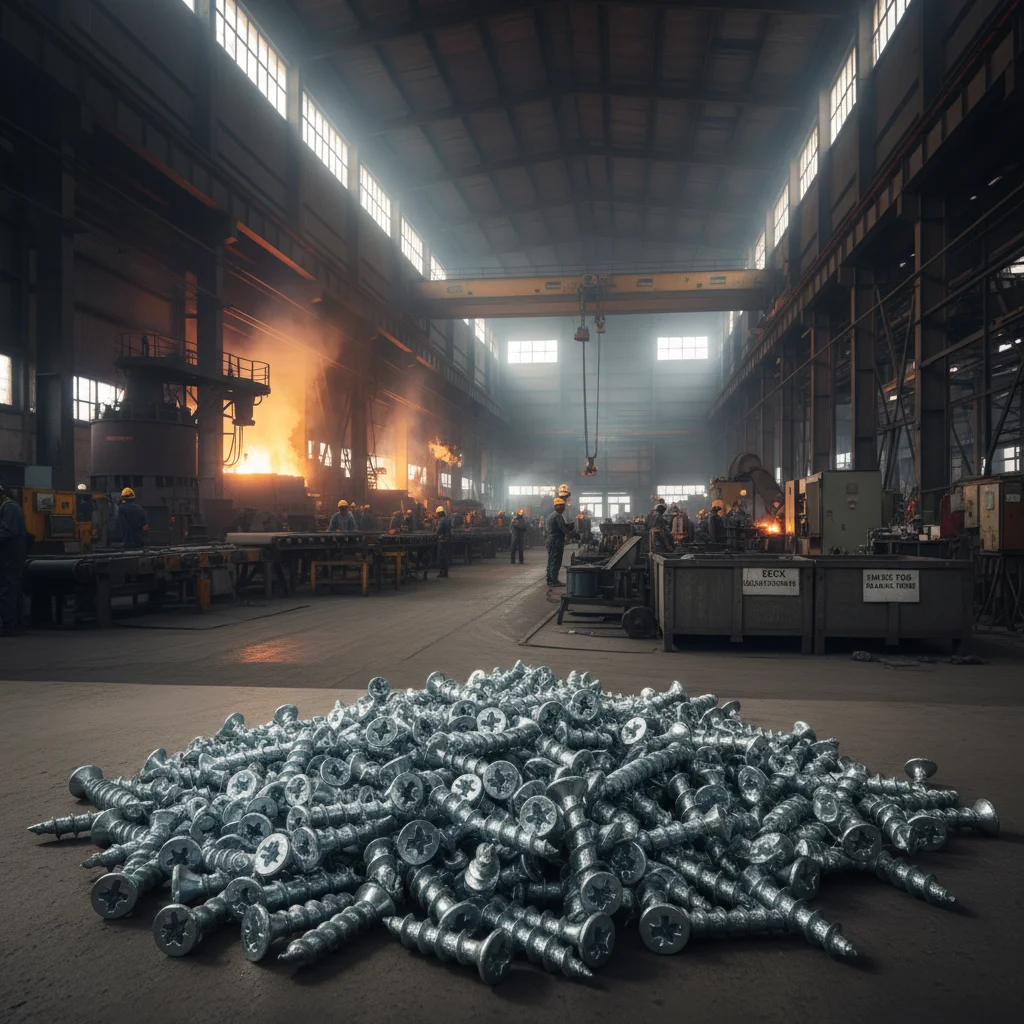
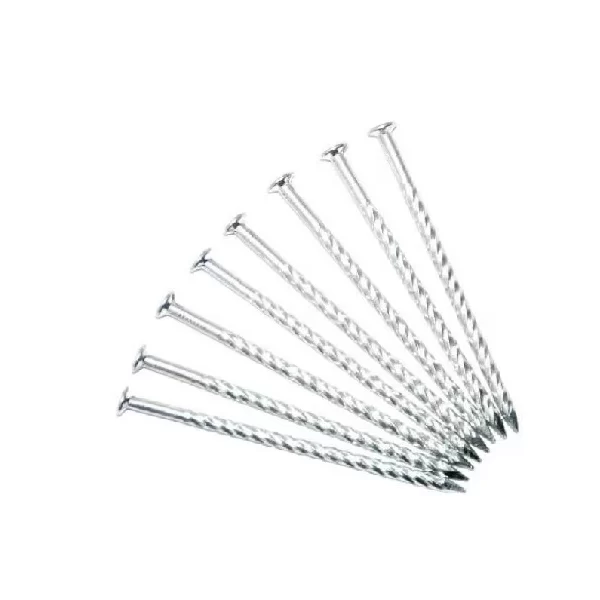
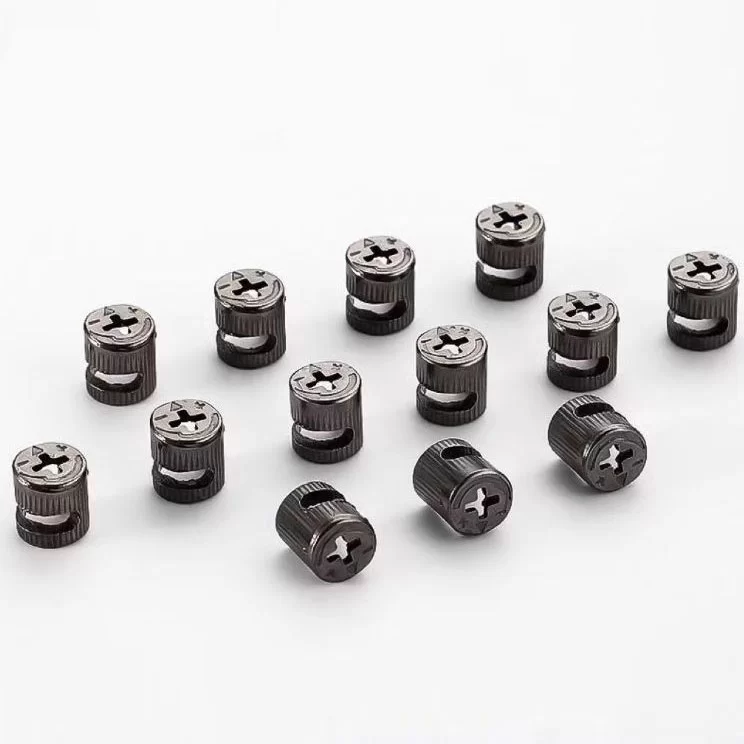
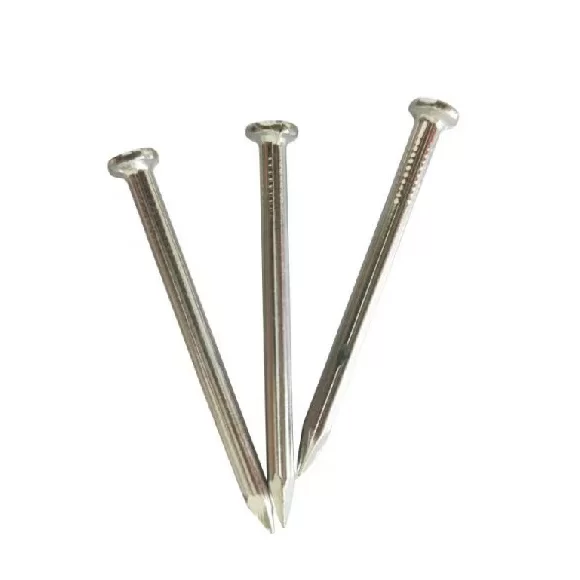
In the fast-paced world of modern construction and interior fitting, the choice of fastening hardware can dictate the structural integrity and longevity of a project. contractor screws have emerged as the gold standard for professionals who require a balance of speed, strength, and versatility. Unlike standard consumer-grade fasteners, these specialized components are engineered to withstand the rigors of high-volume job sites, ensuring that every joint and connection remains secure under pressure.
Globally, the demand for high-performance fasteners is surging as urban infrastructure expands and the demand for sustainable, modular building grows. From the towering skyscrapers of Asian metropolises to the residential developments in North America, the efficiency of the build process often hinges on the reliability of the hardware used. The shift toward precision-engineered contractor screws addresses the critical need for reduced labor time and minimized material waste, aligning with global ISO standards for industrial quality.
Understanding the nuances of these fasteners is not just about technical specifications; it is about risk management and quality assurance. When a professional chooses the right grade of screw, they are investing in the safety of the end-user and the reputation of their craft. This guide explores the technical depths, global applications, and future innovations of these essential tools, providing a comprehensive blueprint for selecting the best fastening solutions for any architectural or furniture project.
Global Industrial Relevance of Contractor Screws
The global construction market is currently undergoing a paradigm shift toward rapid assembly and pre-fabrication. In this environment, contractor screws serve as the invisible backbone of the industry, allowing for the seamless integration of metal and wood components. The ability to secure heavy-duty loads with minimal effort has made these fasteners indispensable in large-scale commercial projects where deadlines are tight and precision is non-negotiable.
Furthermore, the standardization of these components ensures that international projects can be executed with consistent quality regardless of the region. By adhering to rigorous metallurgical standards, manufacturers provide the industry with a predictable tool that reduces the likelihood of structural failure, thereby lowering insurance risks and enhancing the overall safety of built environments worldwide.
Defining the Technical Essence of Contractor Screws
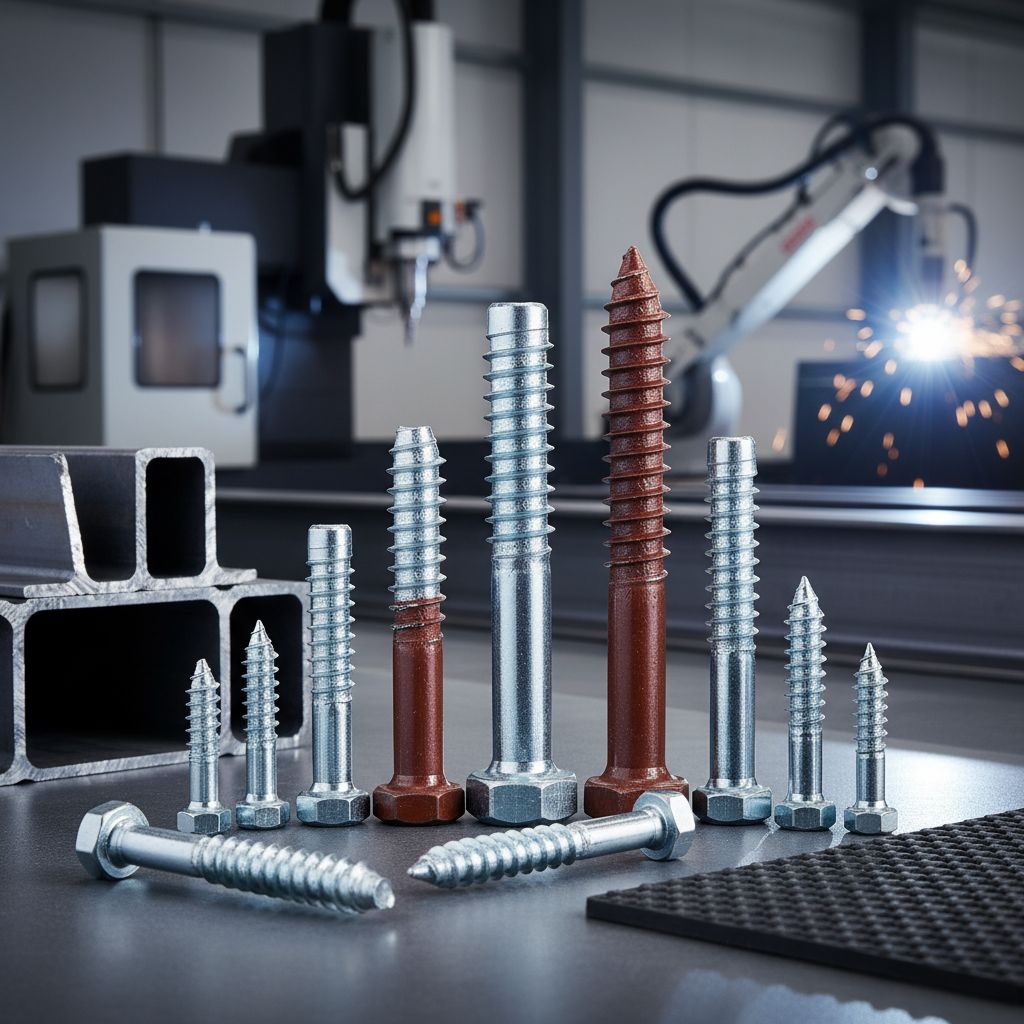
At its core, a contractor screw is a heavy-duty fastener specifically designed for professional use in construction, cabinetry, and metal fabrication. Unlike standard screws, these are characterized by superior thread geometry, high-tensile strength materials, and specialized coatings that prevent corrosion. They are designed to drive into dense materials—such as hardwoods or structural steel—without splitting the substrate or stripping the head.
The connection between these fasteners and modern industry lies in the quest for "lean construction." By utilizing contractor screws that feature self-drilling tips or specialized drive systems (like Torx or Square), laborers can eliminate the need for pre-drilling holes. This single technical improvement can reduce the assembly time of a furniture piece or a wall frame by up to 30%, significantly impacting the bottom line for large-scale contractors.
From a humanitarian perspective, the reliability of these screws is vital in the deployment of rapid-response housing and disaster-relief shelters. When infrastructure must be erected in hours rather than weeks, the use of high-efficiency fasteners ensures that temporary dwellings are safe, stable, and capable of weathering harsh environmental conditions.
Core Performance Factors in Hardware Engineering
The first critical factor is Material Durability. Professional-grade contractor screws are typically crafted from carbon steel, stainless steel, or alloyed metals, often treated with zinc or phosphate coatings. This ensures that the fastener does not succumb to oxidation when exposed to moisture or chemical treatments commonly found in pressure-treated lumber.
Next is Shear and Tensile Strength. In structural applications, screws must resist the force of "shearing" (lateral pressure) and "tension" (pulling force). High-quality contractor screws are heat-treated to achieve a precise hardness level—hard enough to drive through steel, yet flexible enough not to snap under the natural expansion and contraction of wooden beams.
Finally, Drive Consistency and Cost Efficiency play a major role. A screw that strips easily is a liability on a job site. By optimizing the head design and thread pitch, manufacturers ensure that contractor screws provide maximum grip with minimum torque, which not only protects the tools but also reduces the cost per installation by minimizing wasted hardware.
Real-World Global Applications and Use Cases
In the realm of architectural decorative hardware and household fittings, contractor screws are used to secure intricate metal ornaments to stone or wood facades. In European luxury furniture manufacturing, these screws allow for the creation of modular systems that can be disassembled and reassembled without losing structural integrity, facilitating easier shipping and installation in high-end residential projects.
In more extreme contexts, such as remote industrial zones in Southeast Asia or mining camps in Australia, the use of corrosion-resistant contractor screws is a necessity. These environments often feature high salinity or extreme humidity, where standard screws would fail within months. The application of specialized coatings ensures that critical infrastructure remains intact for decades.
Performance Comparison of Fastening Solutions
Strategic Advantages and Long-Term Value
The primary advantage of employing professional contractor screws is the drastic reduction in lifetime maintenance costs. When a fastener fails, the cost of repair is not just the price of a new screw, but the cost of dismantling the surrounding structure to reach it. By investing in high-spec hardware upfront, developers ensure that the "hidden" parts of the building remain stable, providing peace of mind and long-term safety for occupants.
Beyond the logical benefits of strength and durability, there is an emotional value tied to trust and professional dignity. For a contractor, delivering a project that is flawlessly executed—with no popped screw heads or rusted streaks on the facade—is a testament to their commitment to quality. This reliability fosters trust between the contractor and the client, paving the way for future collaborations and a stronger professional reputation.
Future Trends in Fastening Technology
The future of contractor screws is being shaped by the intersection of material science and digital transformation. We are seeing the rise of "smart fasteners" that can indicate torque levels or structural stress through integrated sensors. This allows engineers to monitor the health of a building in real-time, identifying potential failures before they become catastrophic.
Sustainability is also driving innovation. The industry is moving toward "Green Fastening," utilizing recycled alloys and biodegradable coatings that do not leach harmful chemicals into the soil. As global building codes shift toward net-zero emissions, the carbon footprint of the steel used in contractor screws is becoming a key metric for procurement.
Automation and robotics are further refining the application of these screws. Automated assembly lines in the furniture industry now use high-precision robotic arms that can drive screws with micron-level accuracy, eliminating human error and ensuring that every single fastener is seated perfectly for maximum load-bearing capacity.
Overcoming Implementation Challenges
Despite their advantages, the implementation of high-performance contractor screws is not without challenges. One common issue is "over-torquing," where the power of modern impact drivers exceeds the strength of the material, leading to stripped holes. The solution lies in the adoption of torque-limiting tools and the training of personnel to understand the specific limits of different screw grades.
Another challenge is the proliferation of low-quality imitations in the global market. Many "contractor-grade" screws are merely painted to look professional but lack the necessary heat treatment. Experts recommend sourcing hardware from certified manufacturers who provide full material traceability and mill certificates to ensure the hardware meets international safety standards.
Finally, matching the right screw to a complex hybrid of materials (e.g., aluminum to composite wood) requires specialized knowledge. The solution is the use of detailed compatibility charts and consultation with hardware engineers to determine the optimal thread pitch and coating for the specific chemical environment of the project.
Technical Specification Analysis for Contractor Screws
| Screw Material |
Corrosion Resistance |
Load Capacity |
Primary Use Case |
| Carbon Steel (Zinc) |
Moderate |
High |
Interior Framing |
| Stainless Steel 304 |
Very High |
Medium |
Outdoor Furniture |
| Stainless Steel 316 |
Extreme |
Medium |
Marine Environments |
| Hardened Alloy |
Low-Moderate |
Extreme |
Heavy Metal Fabrication |
| Phosphated Steel |
Moderate |
High |
Drywall & Studs |
| Ceramic Coated |
High |
High |
Decking & Facades |
FAQS
Contractor screws are engineered with higher tensile strength, superior thread geometry to prevent splitting, and professional-grade coatings for corrosion resistance. They are designed for high-volume use and the ability to penetrate tougher materials like hardwood or steel without pre-drilling, which standard screws cannot reliably do.
Yes, provided you choose the correct grade. For marine environments, we recommend Grade 316 Stainless Steel contractor screws, as they contain molybdenum, which provides essential protection against chloride-induced pitting and saltwater corrosion.
To avoid stripping, ensure you are using the exact drive bit size (e.g., T25 for a T25 Torx head). Additionally, using a torque-controlled driver prevents over-driving the screw, which is the leading cause of head failure in professional installations.
While they are highly efficient, self-drilling screws can cause splitting in very brittle or thin hardwoods. In such cases, we recommend a pilot hole or using screws with a specialized "cutting" thread designed to clear material away from the shaft as it enters.
Pressure-treated lumber contains chemicals (like ACQ) that are highly corrosive to standard zinc. You should use hot-dipped galvanized or high-grade stainless steel contractor screws to ensure the fastener doesn't corrode and fail over time.
Check for a consistent finish, a clean thread profile without burrs, and request a mill test certificate from the supplier. Genuine professional screws will have uniform head dimensions and a consistent weight, reflecting the purity of the alloy used.
Conclusion
In summary, contractor screws are far more than simple fasteners; they are critical components of structural engineering that bridge the gap between design and durability. By focusing on material science, precision threading, and specialized coatings, these tools enable the modern construction industry to build faster, safer, and more sustainably. From the foundational framing of a house to the final decorative touches on a piece of luxury furniture, the right screw ensures that the vision of the architect is preserved for generations.
Looking forward, the integration of smart technology and eco-friendly materials will continue to redefine what we expect from industrial hardware. For professionals and procurement officers, the key to success lies in prioritizing quality over the lowest initial cost, as the long-term value of reliability far outweighs the short-term savings of inferior products. We encourage all industry partners to upgrade their hardware standards to meet the challenges of tomorrow's infrastructure. Visit our website for more professional solutions: www.lianshiwjnail.com