Concrete formwork hardware is a critical component in modern construction, ensuring the safe, efficient, and accurate creation of concrete structures. From towering skyscrapers to essential infrastructure projects, reliable formwork systems – and the hardware that holds them together – are indispensable. This hardware encompasses a vast array of items, including formwork ties, bracing systems, alignment tools, and specialized fasteners, all designed to withstand the immense pressures exerted by wet concrete. Understanding these systems is essential for architects, engineers, and construction professionals alike.
The global demand for robust and cost-effective construction solutions is driving innovation in concrete formwork hardware. The United Nations projects a continued increase in urbanization, particularly in developing nations, necessitating rapid construction of housing, infrastructure, and commercial spaces. This growth fuels the need for efficient formwork systems that can accelerate project timelines and reduce overall costs. The ISO standards regarding material strength and safety are constantly evolving, demanding increasingly sophisticated hardware solutions.
The increasing frequency of natural disasters also highlights the importance of durable and rapidly deployable construction technologies. Concrete formwork hardware plays a key role in enabling the swift construction of shelters and essential facilities in disaster-affected areas. Ultimately, advancements in this field contribute to a more resilient and sustainable built environment, benefitting communities worldwide.
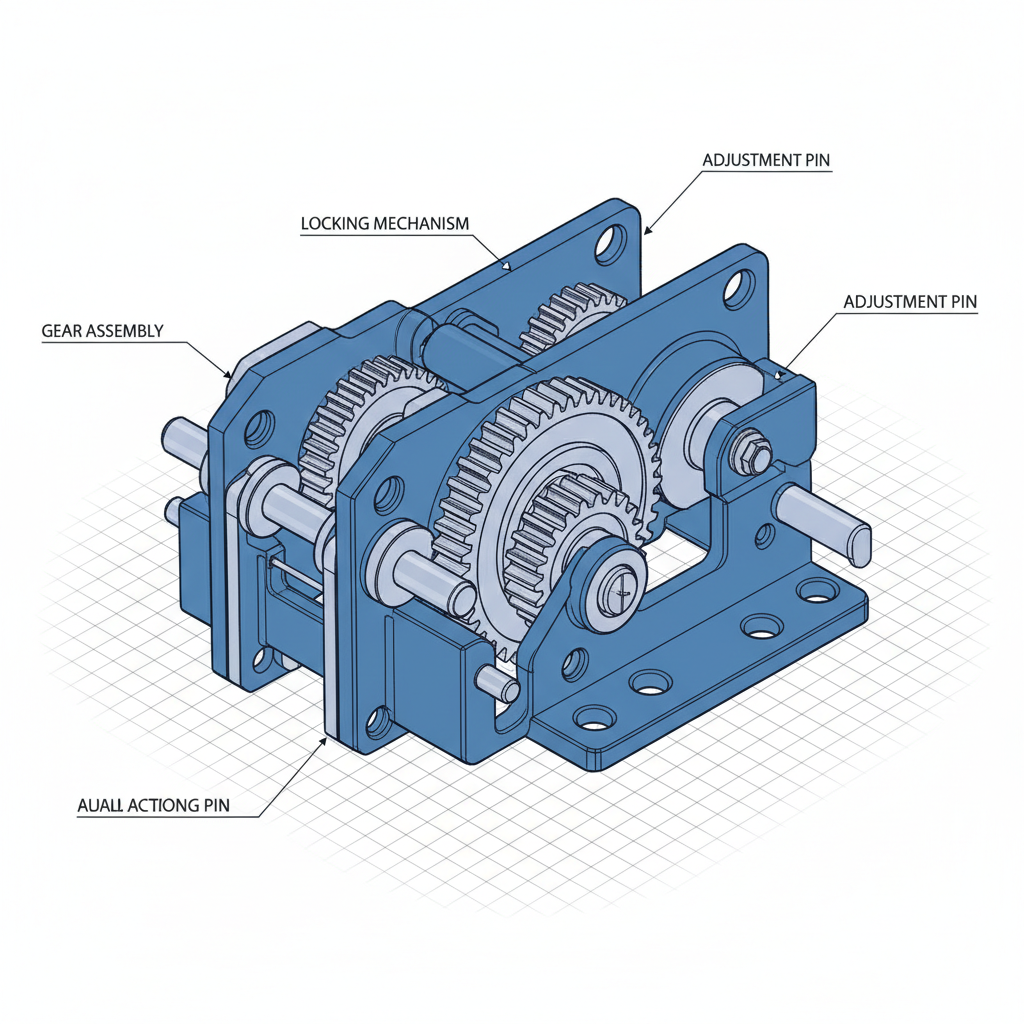
The Significance of Concrete Formwork Hardware
The strength and integrity of any concrete structure are directly reliant on the quality of the formwork used during its construction. This is where concrete formwork hardware – the ties, brackets, and fasteners – plays a pivotal role. Without properly designed and installed hardware, the formwork can fail, leading to structural defects, project delays, and even catastrophic collapses. Choosing the right concrete formwork hardware is therefore not merely a cost consideration; it’s a fundamental safety imperative.
Moreover, efficient formwork systems powered by high-quality hardware translate to faster construction cycles and reduced labor costs. This is particularly important in large-scale infrastructure projects where time is money, and minimizing disruptions is critical. Investing in durable and reusable formwork hardware offers long-term economic benefits, reducing the need for frequent replacements and lowering the overall project lifecycle cost.
Defining Concrete Formwork Hardware
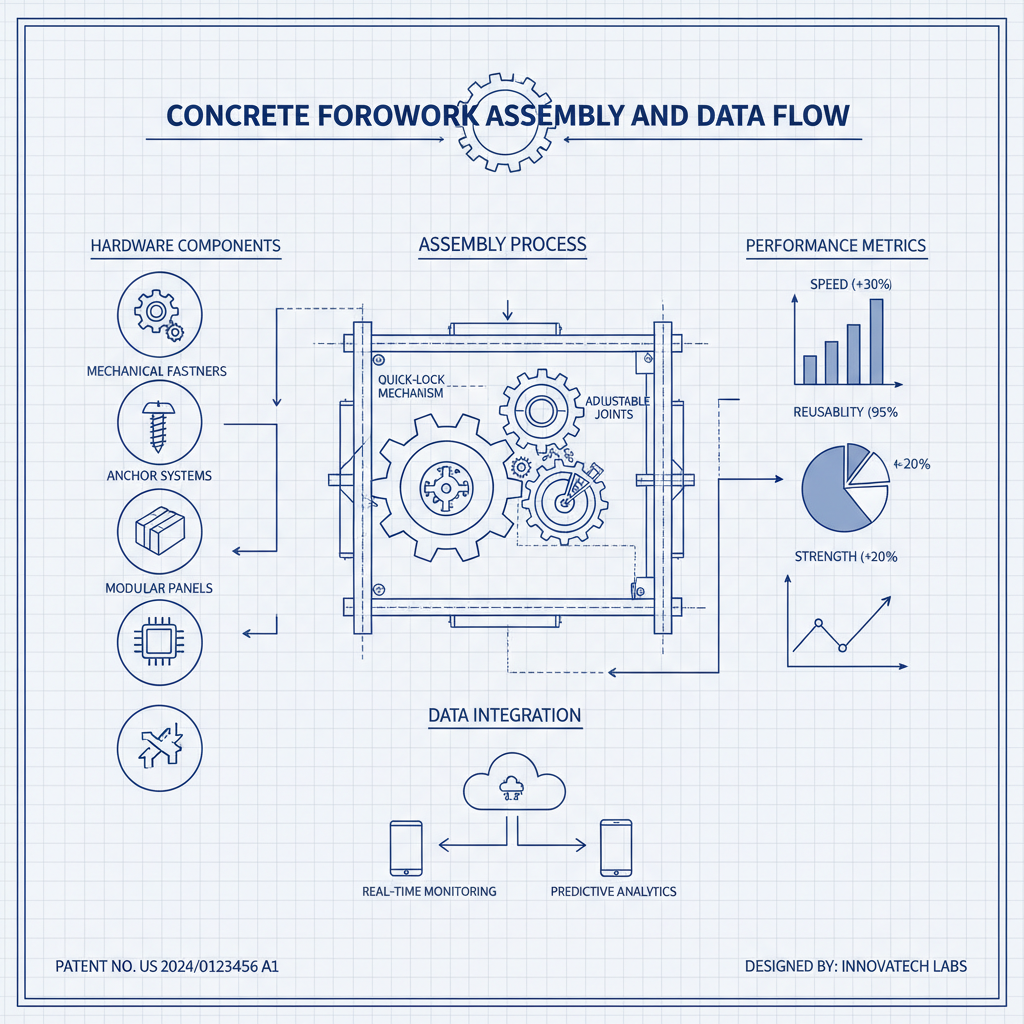
Concrete formwork hardware broadly refers to all the metal components used to create and support the mold (or “form”) into which fresh concrete is poured. This includes items like form ties, which hold opposing formwork panels together against the immense hydraulic pressure of the concrete; formwork brackets and walers, which provide structural support; and specialized fasteners used to connect and secure the various components. Concrete formwork hardware isn't a single product, but a complete system working in synergy.
The connection to modern industry is undeniable. As urbanization accelerates and infrastructure demands grow, the need for efficient and reliable construction methods becomes paramount. Formwork hardware enables the creation of complex geometric shapes and large-scale concrete structures that would be impossible to achieve with traditional methods. It's a cornerstone of modern civil engineering.
The humanitarian applications are equally significant. In post-disaster relief, rapid construction of shelters, hospitals, and infrastructure is vital. Durable and easily deployable formwork systems, utilizing robust hardware, allow for the swift creation of essential facilities in challenging environments. This is where quality formwork hardware contributes not just to construction, but to the rebuilding of lives and communities.
Key Components of Robust Formwork Systems
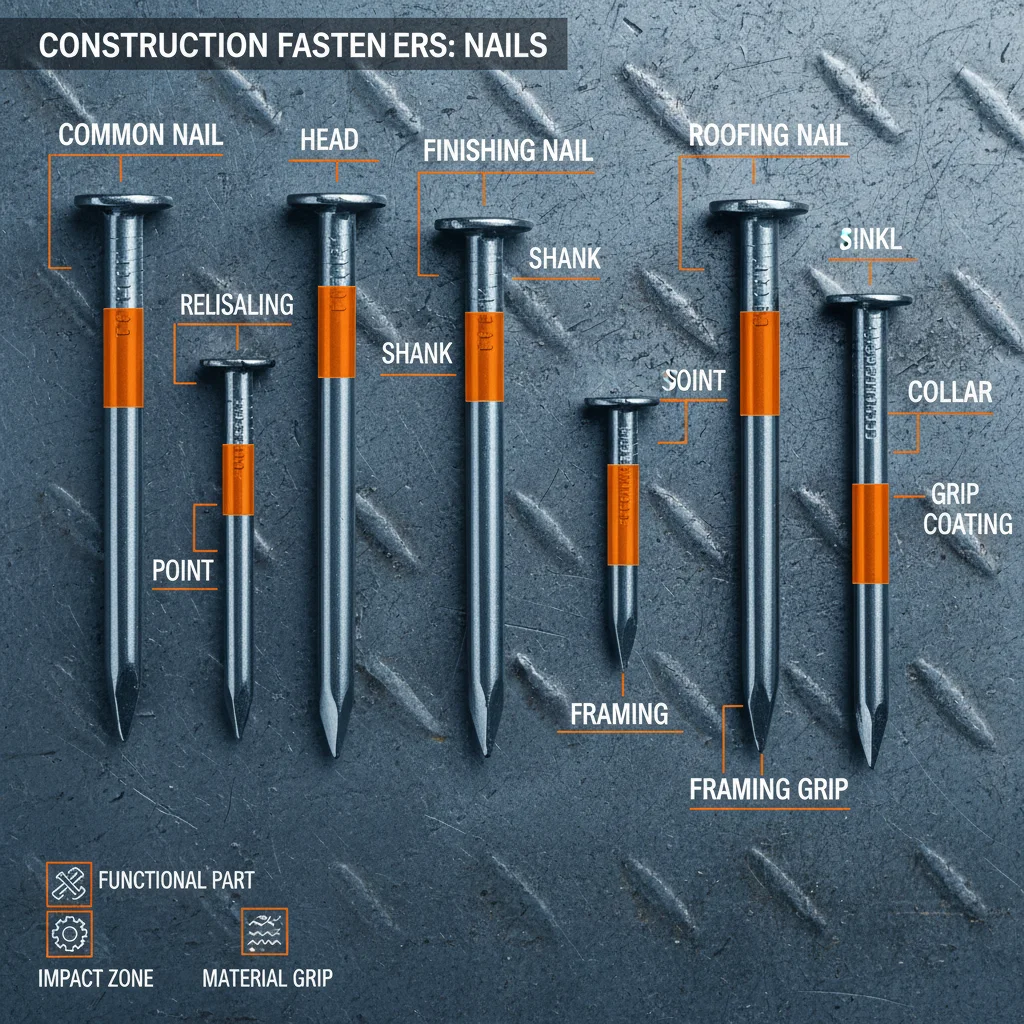
A well-designed concrete formwork system relies on several key components working in harmony. Form ties are crucial for resisting the lateral pressure of wet concrete, maintaining the form's shape and preventing deformation. Walers and bracing systems provide vertical and horizontal support, distributing loads evenly and ensuring the stability of the entire structure. Properly selected and installed fasteners, like bolts and screws, are essential for secure connections between all components.
Beyond the core components, specialized hardware such as corner connectors, adjustable jacks, and alignment tools contribute to the precision and efficiency of the forming process. Corner connectors facilitate the creation of accurate angles, while adjustable jacks allow for precise height adjustments and leveling. Alignment tools ensure that formwork panels are properly positioned, preventing gaps and ensuring smooth concrete surfaces.
The material composition of this hardware is also paramount. High-strength steel alloys are typically employed to withstand the immense pressures and stresses involved. Corrosion resistance is another critical factor, especially in harsh environments or projects involving seawater exposure. Proper material selection ensures the longevity and reliability of the entire formwork system.
Essential Factors in Concrete Formwork Hardware Selection
Selecting the appropriate concrete formwork hardware requires careful consideration of several key factors. Durability is paramount; the hardware must withstand repeated use, exposure to the elements, and the stresses of concrete placement. Scalability is equally important, as the system should be adaptable to different project sizes and complexities.
Cost efficiency should be balanced with quality and performance. While cheaper options may seem appealing upfront, they often lack the durability and reliability of higher-quality hardware, leading to increased maintenance costs and potential project delays. Safety is, of course, non-negotiable; all hardware must meet relevant safety standards and be properly installed by trained personnel.
Comparative Analysis of Formwork Hardware Attributes
Global Applications of Concrete Formwork Hardware
Concrete formwork hardware is utilized across a wide spectrum of construction projects worldwide. Large-scale infrastructure developments, such as bridges, tunnels, and dams, rely heavily on robust formwork systems. High-rise buildings also necessitate sophisticated formwork solutions capable of handling the immense pressures associated with tall concrete pours.
In post-disaster relief operations, rapidly deployable formwork systems are crucial for constructing emergency shelters and essential infrastructure. Remote industrial zones, such as mining operations and oil refineries, often benefit from portable and durable formwork hardware that can withstand harsh conditions.
Advantages and Long-Term Value
The advantages of investing in high-quality concrete formwork hardware are numerous. Reduced construction time translates to significant cost savings. Enhanced safety minimizes the risk of accidents and injuries. Improved concrete quality leads to more durable and reliable structures. The concrete formwork hardware itself has a sustainable value.
From a long-term perspective, durable and reusable formwork systems reduce waste and minimize the environmental impact of construction projects. This contributes to a more sustainable built environment and aligns with growing demands for green construction practices. The peace of mind that comes with knowing your structures are built with reliable, safe, and sustainable materials is invaluable.
Future Trends and Innovations
The future of concrete formwork hardware is poised for significant innovation. The integration of digital technologies, such as Building Information Modeling (BIM) and sensor-based monitoring systems, is enabling more precise and efficient formwork design and installation. Automation and robotics are also playing an increasingly important role, streamlining the construction process and reducing labor costs.
Furthermore, the development of new materials, such as self-healing concrete and lightweight formwork panels, promises to further enhance the sustainability and performance of concrete structures. The focus on circular economy principles is driving the design of formwork systems that are easily disassembled, recycled, and reused, minimizing waste and maximizing resource efficiency.
The rise of 3D-printed concrete forms, enabled by advancements in materials science and robotic technology, represents a potentially revolutionary shift in the construction industry. While still in its early stages, 3D printing offers the possibility of creating complex geometries and customized designs with unprecedented speed and precision.
Challenges & Solutions
One common challenge in utilizing concrete formwork hardware is ensuring proper installation and maintenance, particularly on complex projects with tight deadlines. Improperly installed formwork can lead to structural failures and costly delays. The solution lies in comprehensive training programs for construction workers and rigorous quality control procedures.
Another challenge is the need for standardization across different formwork systems. The lack of interoperability can create logistical difficulties and increase costs. Collaboration between industry stakeholders to develop common standards and interfaces is crucial.
Finally, the rising cost of materials and labor presents a persistent challenge. Innovation in material science and manufacturing processes, combined with the adoption of automation technologies, can help mitigate these costs and improve the overall efficiency of the construction process.
Summary of Concrete Formwork Hardware Challenges and Solutions
| Challenge |
Impact on Project |
Proposed Solution |
Implementation Cost (Scale 1-10) |
| Improper Installation |
Structural Failure, Delays |
Enhanced Worker Training, Quality Control |
5 |
| Lack of Standardization |
Logistical Issues, Increased Costs |
Industry Collaboration, Common Standards |
7 |
| Rising Material Costs |
Budget Overruns |
Material Innovation, Automation |
6 |
| Corrosion of Hardware |
Reduced Lifespan, Safety Risks |
Corrosion-Resistant Alloys, Protective Coatings |
4 |
| Limited Skilled Labor |
Installation Errors, Project Delays |
Apprenticeship Programs, Upskilling Initiatives |
5 |
| Difficulty in Formwork Design |
Inefficient Use of Materials, Increased Costs |
BIM Integration, Automated Design Tools |
8 |
FAQS
Steel formwork hardware boasts superior strength and durability, making it ideal for high-pressure concrete pours and large-scale projects. However, it's heavier and more susceptible to corrosion. Aluminum hardware offers a lighter weight, excellent corrosion resistance, and easier handling, but typically has a lower load-bearing capacity. The choice depends on the specific project requirements and environmental conditions.
Concrete formwork hardware should be inspected before each use, focusing on signs of wear, damage, or corrosion. Regular maintenance, including cleaning, lubrication, and replacement of worn parts, is essential for ensuring its continued safety and performance. A documented inspection and maintenance schedule should be followed, and any damaged hardware should be immediately removed from service.
Always wear appropriate personal protective equipment (PPE), including safety glasses, gloves, and hard hats. Ensure that the formwork is properly braced and supported before pouring concrete. Never exceed the load-bearing capacity of the hardware. Follow manufacturer's instructions for installation and use. Regularly inspect the formwork for any signs of instability or deformation.
The concrete mix design, particularly its water-cement ratio and slump, influences the lateral pressure exerted on the formwork. Higher slump mixes generate greater pressure. Formwork hardware must be selected to withstand the anticipated pressure based on the specific concrete mix design. Consulting with a structural engineer is crucial for determining the appropriate hardware for demanding concrete mixes.
Reusable formwork systems offer significant cost savings over disposable options, reducing material waste and overall project expenses. They are typically more durable and can withstand repeated use. Reusable systems also promote sustainability by minimizing environmental impact and reducing the demand for new materials. Proper maintenance is key to maximizing the lifespan of reusable formwork.
Form ties are essential components that maintain the alignment and structural integrity of opposing formwork panels during concrete pouring. They resist the tremendous lateral pressure exerted by the wet concrete, preventing bulging or collapse of the formwork. The correct spacing and strength of form ties are crucial for achieving accurate concrete dimensions and preventing defects.
Conclusion
In conclusion, concrete formwork hardware is a foundational element in modern construction, impacting safety, efficiency, and sustainability. From the selection of appropriate materials to the implementation of rigorous inspection and maintenance procedures, every aspect of formwork hardware management is critical to project success. Understanding the key components, emerging trends, and potential challenges is essential for professionals in the construction industry.
Looking ahead, continued innovation in materials science, automation, and digital technologies promises to further revolutionize the field. Embracing these advancements will enable the creation of more resilient, cost-effective, and environmentally friendly concrete structures, shaping a more sustainable built environment for future generations. For all your concrete formwork hardware needs, visit our website: www.lianshiwjnail.com