
Hit enter to search or ESC to close
Feb 2, 2026


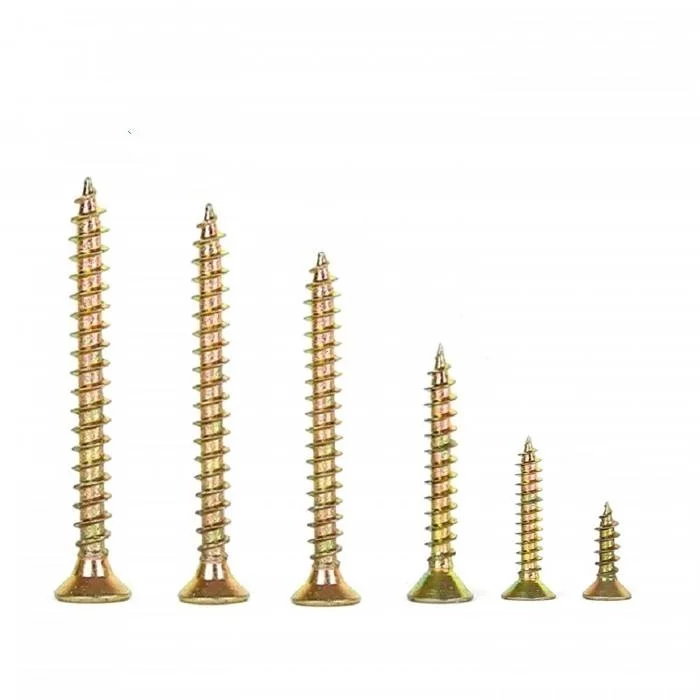
Self-tapping screws are a cornerstone in numerous industries, from construction and automotive to electronics and DIY projects. Among these, the 1 4 x 2 self tapping screws stand out due to their versatility and efficiency. This article provides an in-depth look at these screws, covering their features, applications, materials, installation techniques, and advantages. We'll explore why choosing the right self-tapping screw, like those available at Lianshi Wjnail, is crucial for project success.
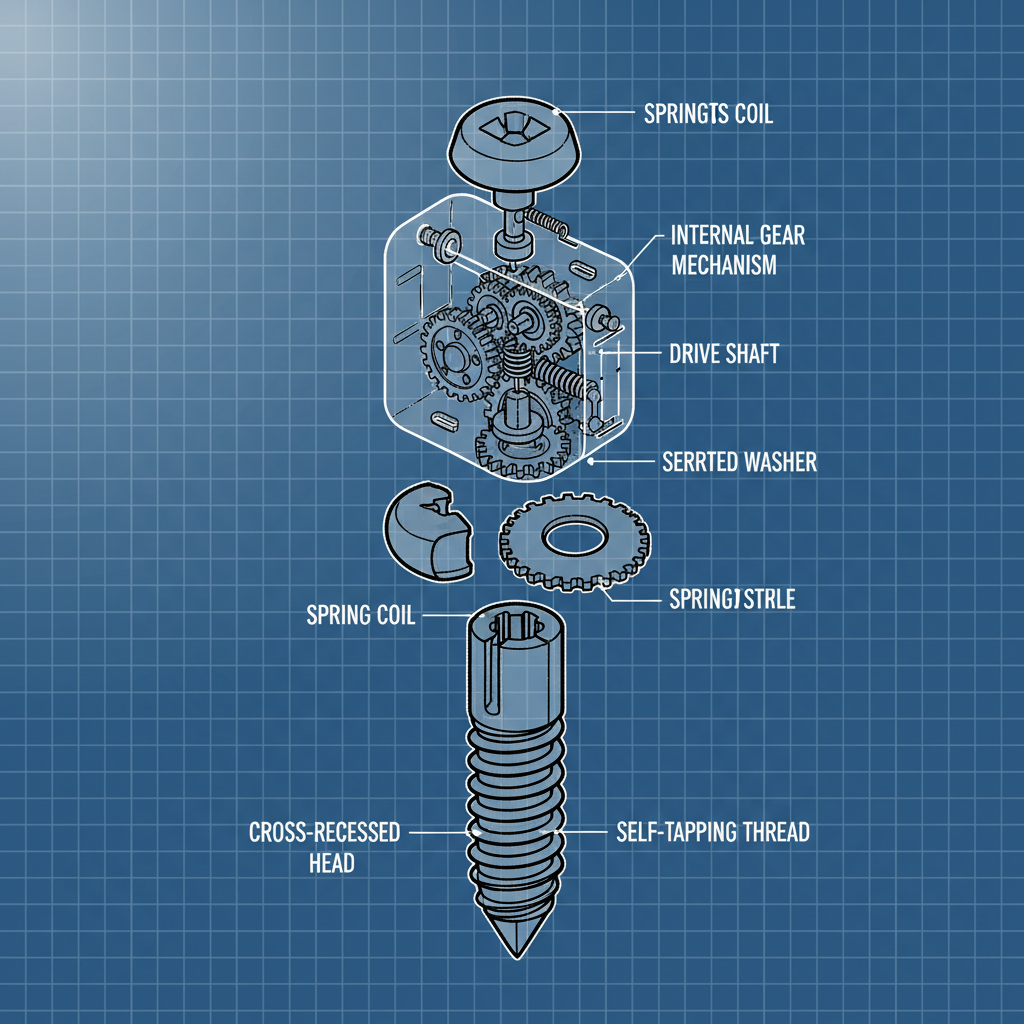
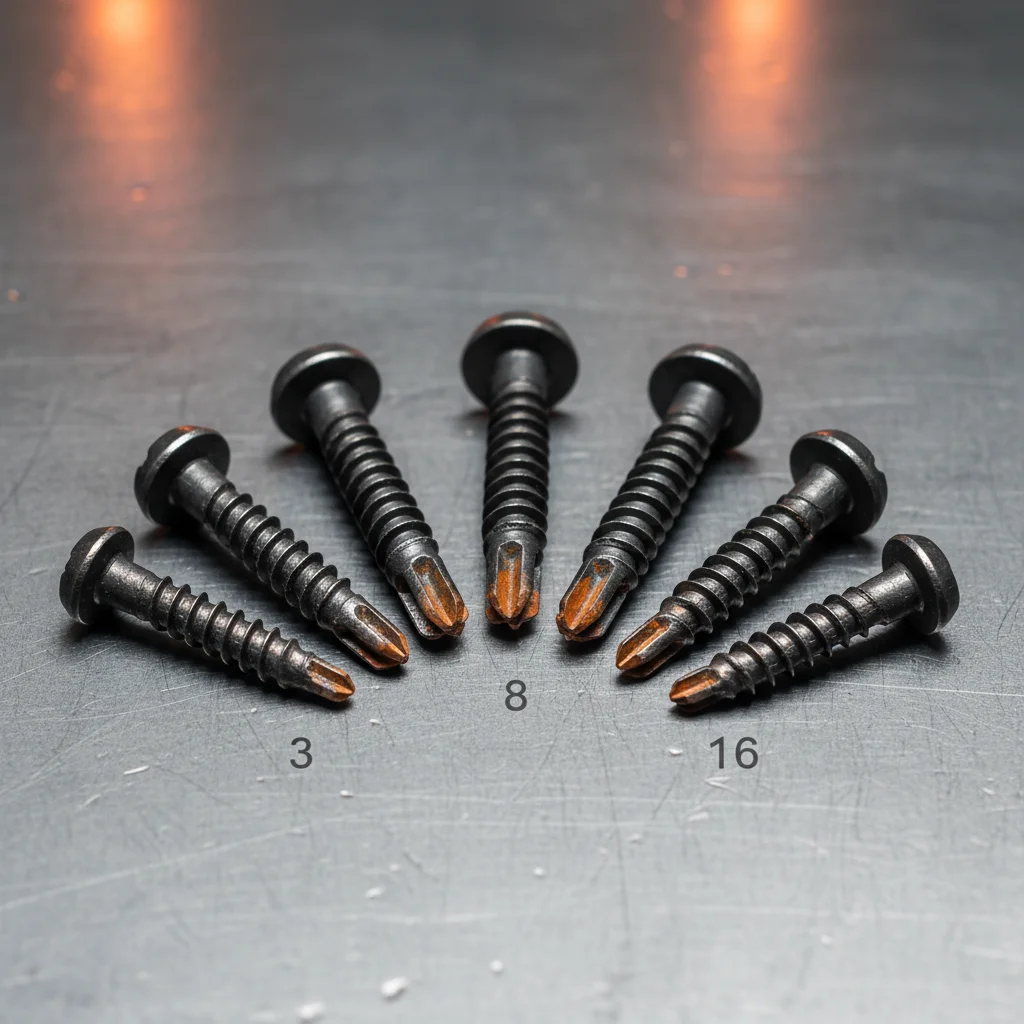
The designation "1 4 x 2" refers to the screw's dimensions. "1 4" indicates the diameter of the screw thread (1/4 inch, or approximately 6.35mm), while "2" signifies the length of the screw (2 inches, or approximately 50.8mm). Self-tapping screws, unlike standard screws, create their own threads as they are driven into a material. This eliminates the need for pre-tapped holes, saving time and simplifying the fastening process. They are designed with a hardened thread that cuts into the material, forming a secure and reliable connection. These screws are particularly useful when working with metal, plastic, and wood. Lianshi Wjnail offers a wide range of these screws to suit diverse applications.
Key Highlights: Eliminates the need for pre-tapped holes, saving time and effort. Creates a strong and reliable connection in various materials. Available in different materials and finishes to suit various environments and applications.
1 4 x 2 self tapping screws are manufactured from a variety of materials to cater to specific needs and environmental conditions. Common materials include:
The choice of material depends on the application and the level of corrosion resistance required. Lianshi Wjnail provides screws in all these materials, ensuring you find the perfect fit for your project.
Material Comparison:
• Carbon Steel: Cost-effective, good strength, requires corrosion protection.
• Stainless Steel: Excellent corrosion resistance, higher cost.
• Alloy Steel: Superior strength and durability, suitable for high-stress applications.
The versatility of 1 4 x 2 self tapping screws makes them suitable for a wide range of applications, including:
The ability to quickly and securely join materials without pre-drilling makes them a popular choice for both professional and amateur applications.
Proper installation is key to ensuring a secure and lasting connection. Here are some tips:
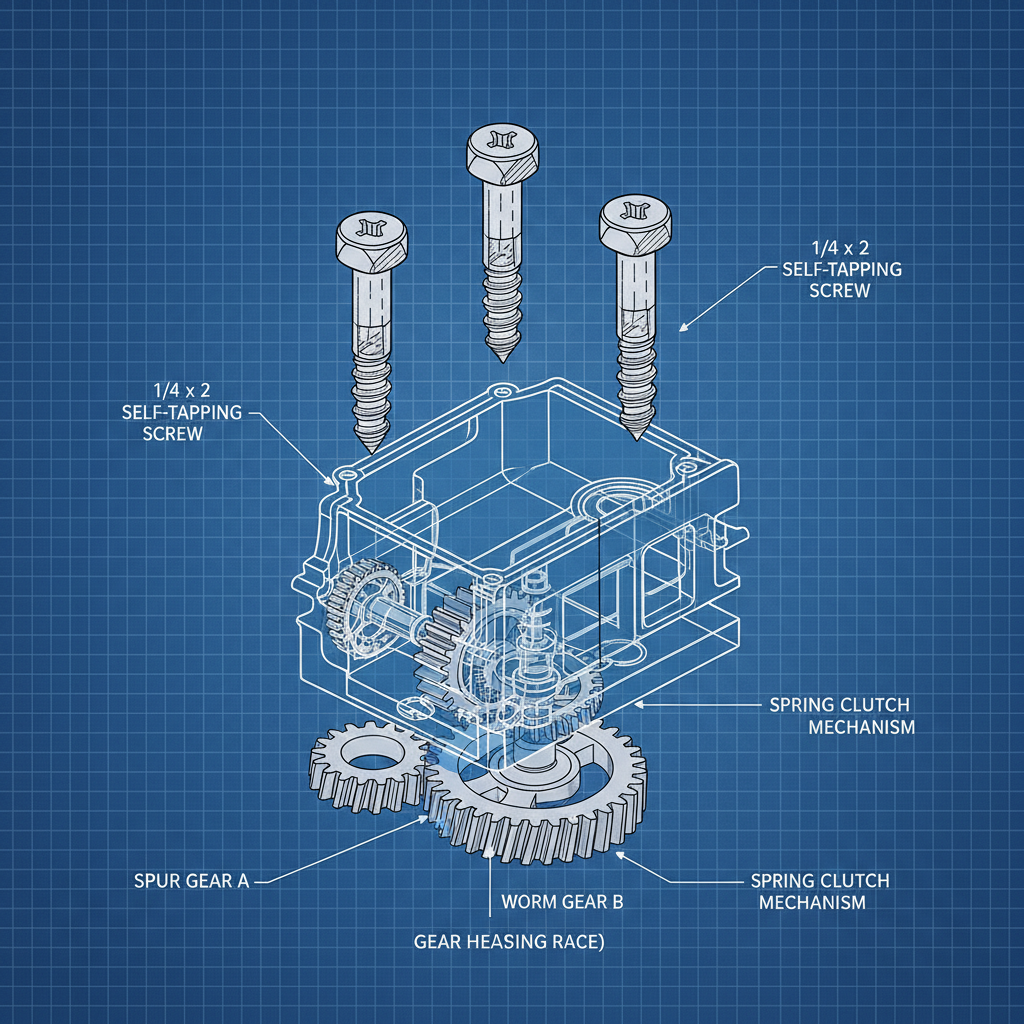
At Lianshi Wjnail, we offer a comprehensive selection of 1 4 x 2 self tapping screws in various materials and finishes. We are committed to providing high-quality products, competitive pricing, and exceptional customer service. Our screws are rigorously tested to meet industry standards, ensuring reliability and performance. We understand the importance of having the right fasteners for your projects, and we strive to be your trusted partner in success.
The 1 4 x 2 self tapping screw is a versatile and efficient fastener for a wide range of applications. Choosing the right material and installation technique is crucial for optimal performance. With Lianshi Wjnail, you can be confident in receiving high-quality screws and expert support for all your fastening needs.
While often used interchangeably, they are different. Self-tapping screws require a pre-drilled pilot hole or the material to be soft enough for the screw to tap its own threads. Self-drilling screws, on the other hand, have a drill-bit-like point and can drill their own hole and tap the threads in a single operation, making them ideal for thicker materials. A 1 4 x 2 self tapping screw generally requires a pilot hole in harder materials.
The appropriate driver bit depends on the screw head type. Common head types include Phillips, slotted, and Torx. Always use the correct size and type of bit to prevent stripping the screw head. Using the wrong bit can lead to damage to both the screw and the driver. Check the product specifications or consult the Lianshi Wjnail website for recommended driver bit sizes.
Yes, you can use 1 4 x 2 self tapping screws in hardwood, but it's highly recommended to drill a pilot hole first. Hardwood is more dense and resistant to screw penetration. A pilot hole will prevent the wood from splitting and make installation easier. The size of the pilot hole should be slightly smaller than the screw's core diameter.
JOIN OUR NEWSLETTER


If you are interested in our products, you can choose to leave your information here, and we will be in touch with you shortly.