
Hit enter to search or ESC to close
Oct 22, 2026


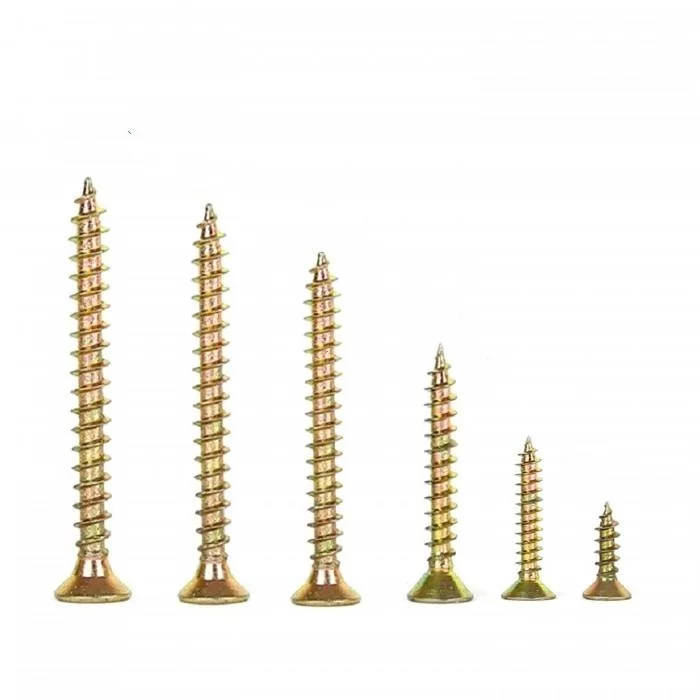
Purchasing managers evaluating annual purchasing budgets for indoor furniture assembly and general industrial applications review baseline material expenditures by focusing on specific hardware selections. Assessing procurement savings requires weighing initial raw material pricing, baseline corrosion resistance, freight weight impacts, and installation efficiency against higher-alloy alternatives.
Raw material pricing dictates initial expenditure levels for high-volume purchasing.
Freight weight and packaging configurations further influence landed costs.
Deploying carbon steel C1022A components establishes an immediate expenditure baseline by substituting costly stainless or high-alloy alternatives with a more economical raw material.
Wholesale buyers and industrial furniture manufacturers leverage this material variance to lower acquisition overhead on high-volume production lines without compromising the baseline strength required for standard assembly projects.
Purchasing strategies for general industry and furniture production focus specifically on component dimensions spanning 13-150mm to match standard fabrication requirements.
Concentrating procurement budgets on these verified sizing intervals prevents capital allocation toward over-engineered metallic grades that exceed functional thresholds in controlled indoor operational settings.
| material | size | application |
|---|---|---|
| steel C1022A | 13-150mm | General industry, Furniture Industry |
Bulk acquisition of unalloyed fasteners directly trims unit-level expenditures for large-scale manufacturing operations.
Sourcing these components for indoor applications redirects operational capital toward broader production demands while maintaining predictable material availability.
Evaluating financial outlays for assembly components requires a structured specification matrix contrasting standard fastening materials against alternative metallurgical grades. Procurement teams analyzing annual expenditure rely on direct comparative dimensions rather than generalized marketing claims.
Establishing clear procurement thresholds involves comparing basic carbon steel options against stainless steel or specialized structural alloys. The following matrix outlines direct parameters relevant to large-scale procurement decisions.
| Material | Size | Application | Price Tier | Suitability for Humid Environments | Required Documentation |
|---|---|---|---|---|---|
| Steel C1022A | 13-150mm | General industry and furniture manufacturing | Baseline economical | Requires protective coating or controlled conditions | Documentation available from the supplier |
| Stainless Steel | 13-150mm | General industry and furniture manufacturing | Higher initial expenditure | Resistant to ambient moisture without coating | |
| High-Alloy Structural Alternative | 13-150mm | General industry and furniture manufacturing | Premium cost tier | Engineered for specialized loading and exposure |
Standardizing purchasing choices around defined intervals prevents unnecessary capital expenditure on metal specifications that exceed functional thresholds in indoor operational settings.
Transporting high-density steel components requires precise volumetric calculations because heavy payloads directly impact container payload limits. Bulk shipments of 13-150mm carbon steel fasteners generate concentrated axle loads that influence freight classifications.
Carrier rate structures depend heavily on dimensional weight ratios rather than piece counts alone. Optimizing pallet configurations prevents wasted container space during long-haul transit.
Landing heavy hardware shipments at destination ports involves local handling fees that vary directly with total cargo tonnage. Wholesale buyers managing annual budgets must account for these terminal charges when comparing supplier quotes.
Customs clearance speed and drayage fees fluctuate based on gross shipment weight and local port congestion variables. Strategic routing through high-capacity ports minimizes demurrage risks for large volume material orders.
Evaluating total landed costs requires integrating inland trucking rates with ocean freight expenses for every metric ton of shipped steel. Bulk packaging methods directly dictate how efficiently destination warehouses process incoming container loads.
Initial raw material economy can be offset if high-speed assembly lines experience elevated drive-failure rates on high-density particle board substrates. Selecting unalloyed components requires verifying that the driving torque tolerances match the density of the target panels to prevent stripping or snapping.
Production line efficiency depends on consistent thread geometry and stable head engagement during continuous pneumatic tool driving. When fasteners fail to seat cleanly into dense composite boards, the resulting rework negates the upfront purchase savings achieved through carbon steel procurement.
Automated insertion tools demand predictable mechanical resistance to maintain uninterrupted throughput across large-scale manufacturing shifts. Fasteners that encounter excessive friction without proper thread progression cause immediate drive-out and operator delays.
Facility managers evaluate these operational variables by monitoring fastener breakage percentages during peak production hours. Operational friction levels vary depending on tool calibration settings, operator pressure, and the specific density gradient of the particle boards.
Controlling fastener batch variance directly protects manufacturing margins by reducing the frequency of structural panel rejection. Procurement teams must weigh raw material acquisition figures against the labor cost of repairing damaged assembly surfaces.
Qualitative industry practice indicates that stable mechanical performance during high-speed driving prevents secondary repair cycles in furniture production lines. Maintaining predictable component behavior across the verified sizing span ensures that baseline purchasing savings translate into net operational value.
Synthesizing unit purchase prices, freight weight, packaging configurations, and installation performance establishes a reliable total cost of ownership model for buyers managing large-scale intake operations. Total landed expenses depend on more than the initial invoice price when heavy fasteners are transported across international shipping lanes.
Deciding whether standard C1022A components deliver superior long-term economy over higher-alloy alternatives requires analyzing assembly line throughput alongside baseline material expenditures. Procurement managers evaluating these financial trade-offs focus on the following core cost drivers:
Purchasing strategies for bulk intake projects rely on balancing volume discounts against operational downtime risks. When raw material outlays remain contained through unalloyed steel selection, available capital shifts directly toward broader inventory expansion or facility upgrades.
Sustaining cost efficiency over multi-year purchasing cycles depends on routine audits of landed expenses rather than isolated unit price comparisons. Long-term budget stability is achieved by matching fastener material grades precisely to the structural demands of the intended indoor installation environment.
Carbon steel C1022A fasteners provide a significantly lower baseline raw material unit cost than stainless or high-alloy structural alternatives. This pricing difference directly reduces initial acquisition expenditure for large-scale furniture manufacturing and industrial fastener wholesale buyers, provided that the operational environment aligns with standard indoor requirements where high-alloy corrosion resistance is unnecessary.
These components are produced in dimensions spanning from 13mm to 150mm. Sourcing within this verified sizing interval matches standard fabrication requirements for woodworking and general assembly projects while preventing capital allocation toward over-engineered metallic grades that exceed functional thresholds in controlled indoor operational settings.
Standard electroplated finishes create a functional barrier that prevents oxidation under controlled warehouse and residential atmospheres. These coatings provide sufficient environmental protection for dry-environment furniture assembly without incurring the premium financial burden associated with exterior-grade metallurgical coatings.
High-density steel fasteners generate substantial transport weight that directly affects freight calculations for bulk shipments. Evaluating standardized packaging configurations alongside unit purchase prices enables wholesale buyers to optimize landed costs per unit, with the final logistical expenditure depending heavily on the destination port and total material volume ordered.
Procuring unalloyed fasteners requires balancing initial material savings against long-term installation efficiency on dense particle board substrates. High-speed assembly lines in furniture manufacturing must monitor potential fastener failure rates, keeping installation torque aligned with industry practice to ensure structural integrity without sacrificing upfront acquisition savings.
Strategic purchasing decisions rely on comprehensive landed cost evaluations rather than isolated purchase price comparisons. Factors such as shipping distance and packaging density dictate the final expense per delivered unit across distinct regional markets.
Analyzing total expenditure involves projecting annual consumption volume against regional freight tariffs and destination port handling fees. Operational budgets remain optimized when acquisition teams verify these variables prior to confirming long-term supply agreements.

JOIN OUR NEWSLETTER


If you are interested in our products, you can choose to leave your information here, and we will be in touch with you shortly.