
Hit enter to search or ESC to close
Feb 4, 2026


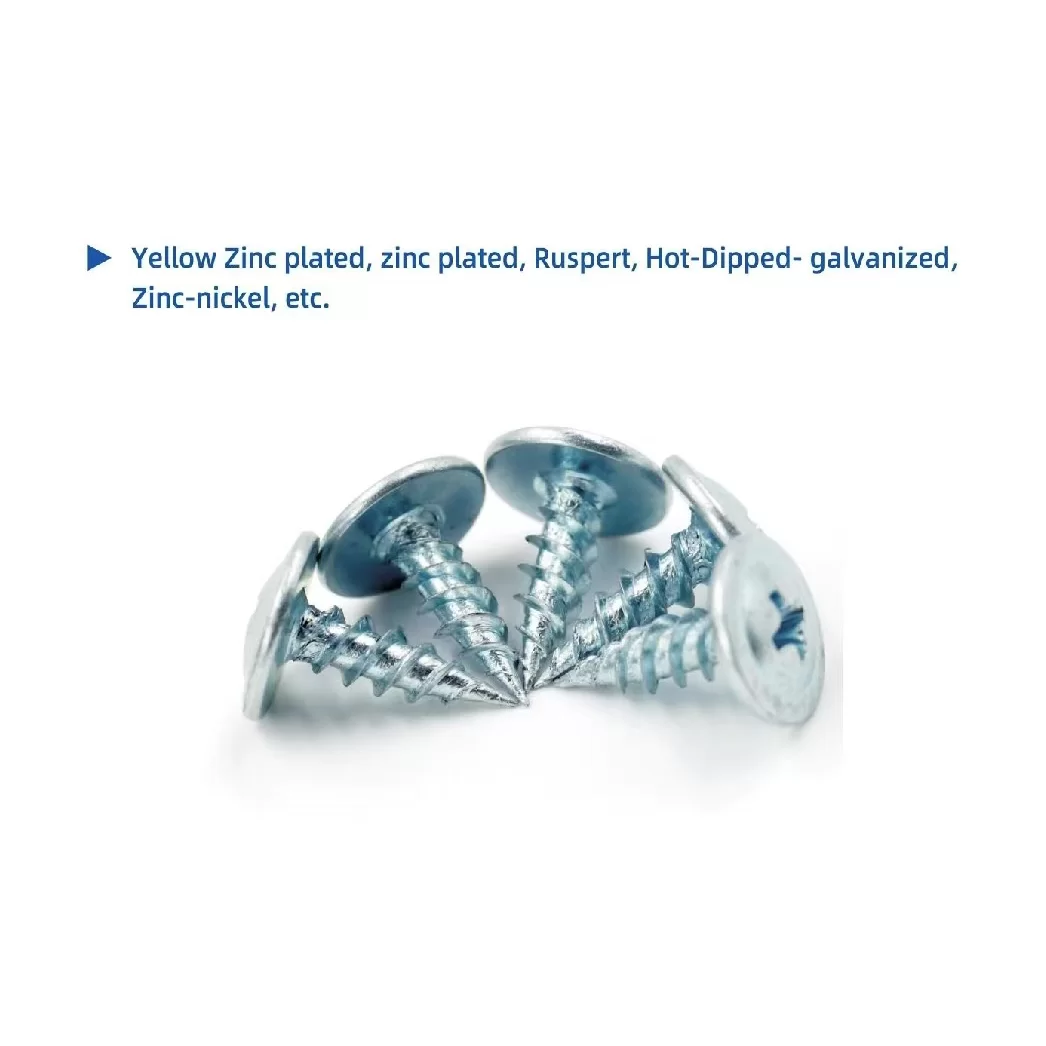
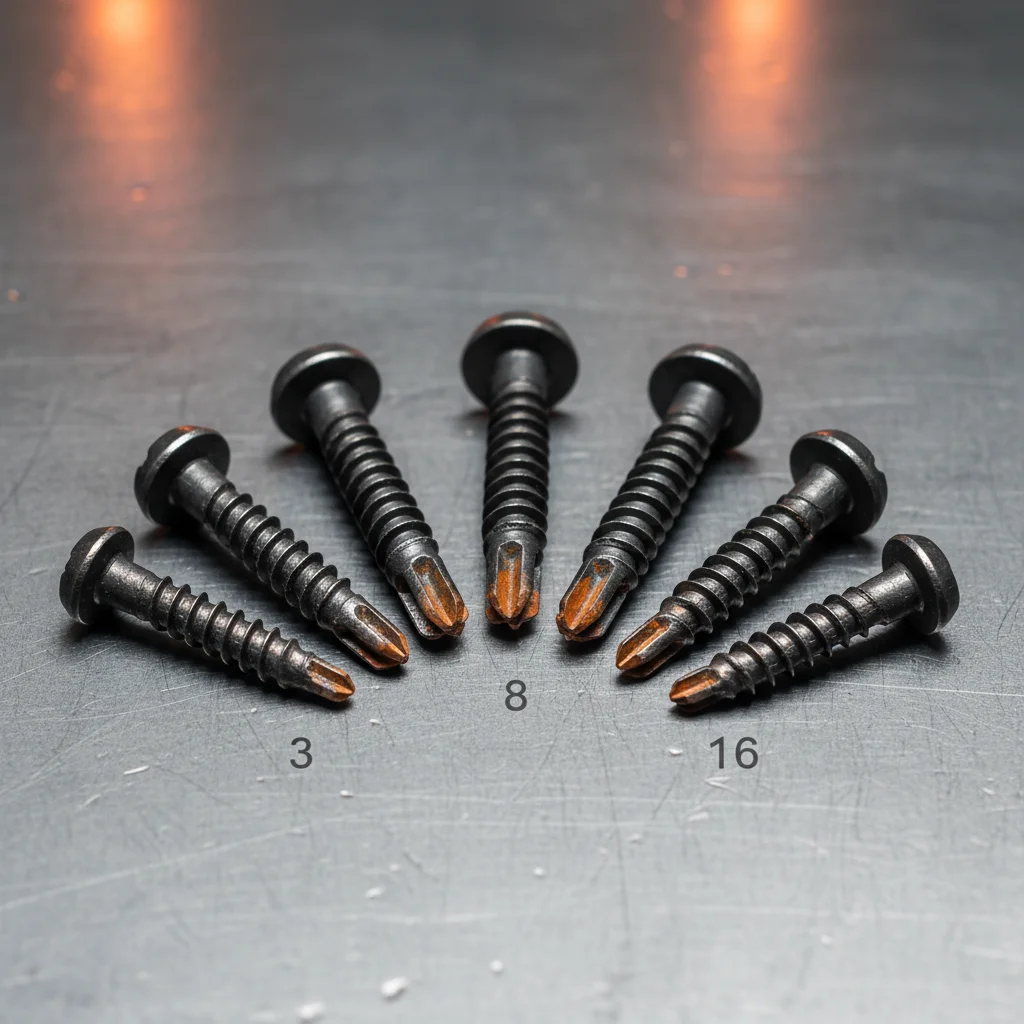
Self-tapping screws are a versatile and essential fastener used across countless industries, from construction and automotive to electronics and DIY projects. Among the various sizes available, the 1 in self tapping screw is a particularly popular choice due to its balance of strength, ease of use, and suitability for a wide range of materials. This article will delve into the specifics of these screws, exploring their features, applications, materials, installation techniques, and factors to consider when purchasing. We'll also highlight why Lianshi Wjnail provides high-quality options for all your self-tapping screw needs.
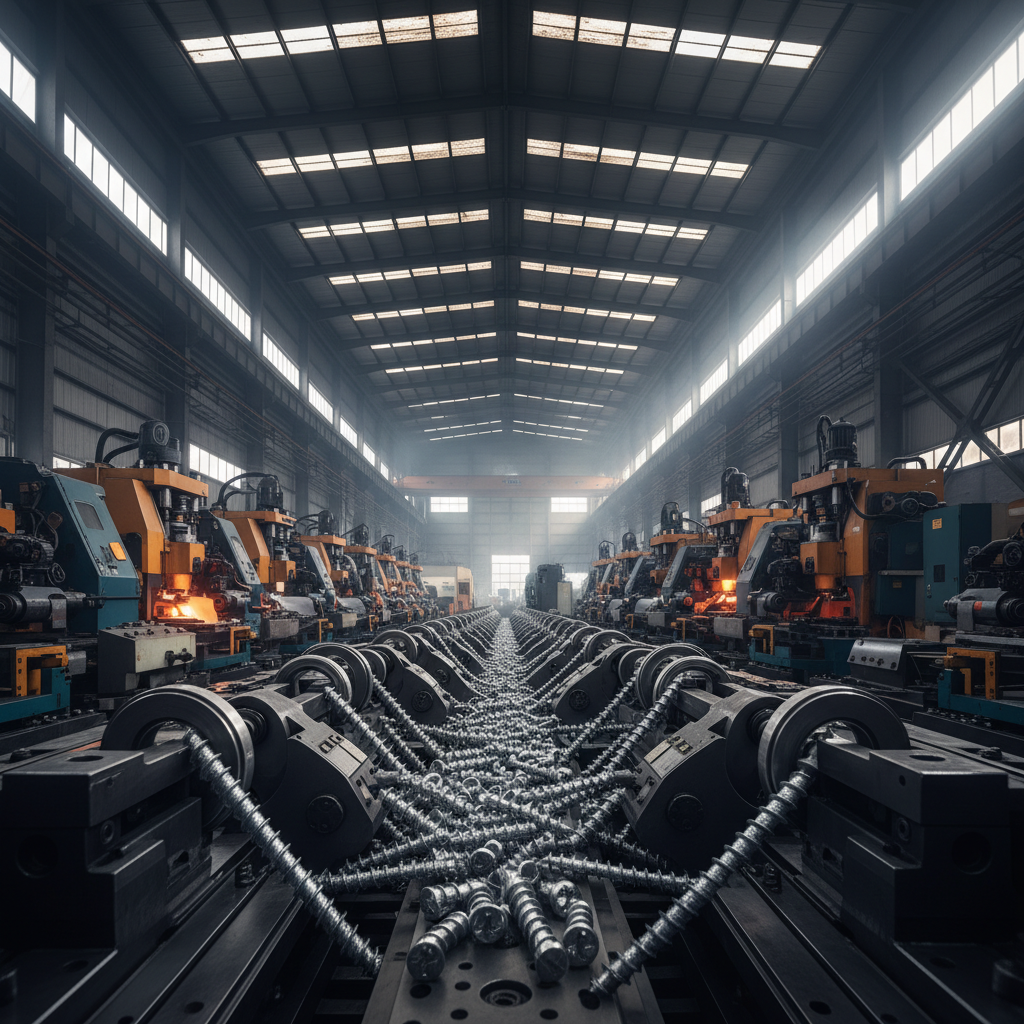
The "1 in" designation refers to the screw's length – one inch measured from the tip to the underside of the head. This size is commonly preferred because it provides sufficient holding power for many applications without being overly bulky or creating excessive stress on the materials being joined. Self-tapping screws eliminate the need for pre-drilled holes in many materials, saving time and simplifying the fastening process. They have a specialized thread design that cuts into the material as the screw is driven in, creating its own threads. This makes them ideal for projects where drilling isn't feasible or desirable. Explore the selection at Lianshi Wjnail for a range of head types and materials.
Key Benefits: Eliminates the need for pre-drilling, saves time, offers secure fastening, suitable for diverse materials.
1 in self tapping screws are available in a variety of materials to suit different applications and environmental conditions. The most common include:
The choice of material depends on factors like the materials being joined, the level of corrosion resistance required, and the desired aesthetic appearance. Lianshi Wjnail offers a comprehensive selection of materials to meet your specific needs.
The versatility of 1 in self tapping screws makes them indispensable in numerous applications. Some common uses include:
Versatility in Action:
• Sheet Metal Work
• Plastic Assembly
• Woodworking
• Automotive Repair
Not all 1 in self-tapping screws are created equal. Different head types and thread designs cater to specific needs. Here’s a comparison of common types:
Proper installation is crucial for ensuring a secure and lasting connection. Here are some tips:

Choosing the right 1 in self-tapping screw depends on your specific application and material. Understanding the different types, materials, and installation techniques will help you achieve a strong and reliable fastening solution. Lianshi Wjnail offers a wide selection of high-quality screws to meet your needs.
1 in self-tapping screws perform well in a variety of materials, including sheet metal, plastics, wood, and aluminum. They are particularly effective in materials with a thickness between 1/16 inch and 1/4 inch. For harder materials like thicker gauge steel, pre-tapping a pilot hole is recommended to prevent damage to the screw or the material. The best material for the screw itself depends on the environment. Stainless steel is ideal for outdoor or corrosive environments, while steel is suitable for general-purpose applications.
Stripping the head of a screw can be frustrating. To prevent this, always use the correct driver bit size and type. Apply firm, consistent downward pressure while turning the screw. Avoid using excessive force, and ensure the driver bit is properly seated in the screw head. If you're working with a particularly hard material, consider using a screw with a higher quality head or pre-tapping a pilot hole. Using an impact driver can also help prevent stripping, as it delivers rotational force with intermittent impacts.
While often used interchangeably, self-tapping and self-drilling screws are different. Self-tapping screws require a pre-drilled hole, or they tap their own threads as they are driven into the material. Self-drilling screws, on the other hand, have a drill-bit-like point that allows them to drill their own hole and tap the threads simultaneously. Self-drilling screws are generally used for thicker materials, while self-tapping screws are suitable for thinner materials.
JOIN OUR NEWSLETTER


If you are interested in our products, you can choose to leave your information here, and we will be in touch with you shortly.