
Hit enter to search or ESC to close
Feb 3, 2026


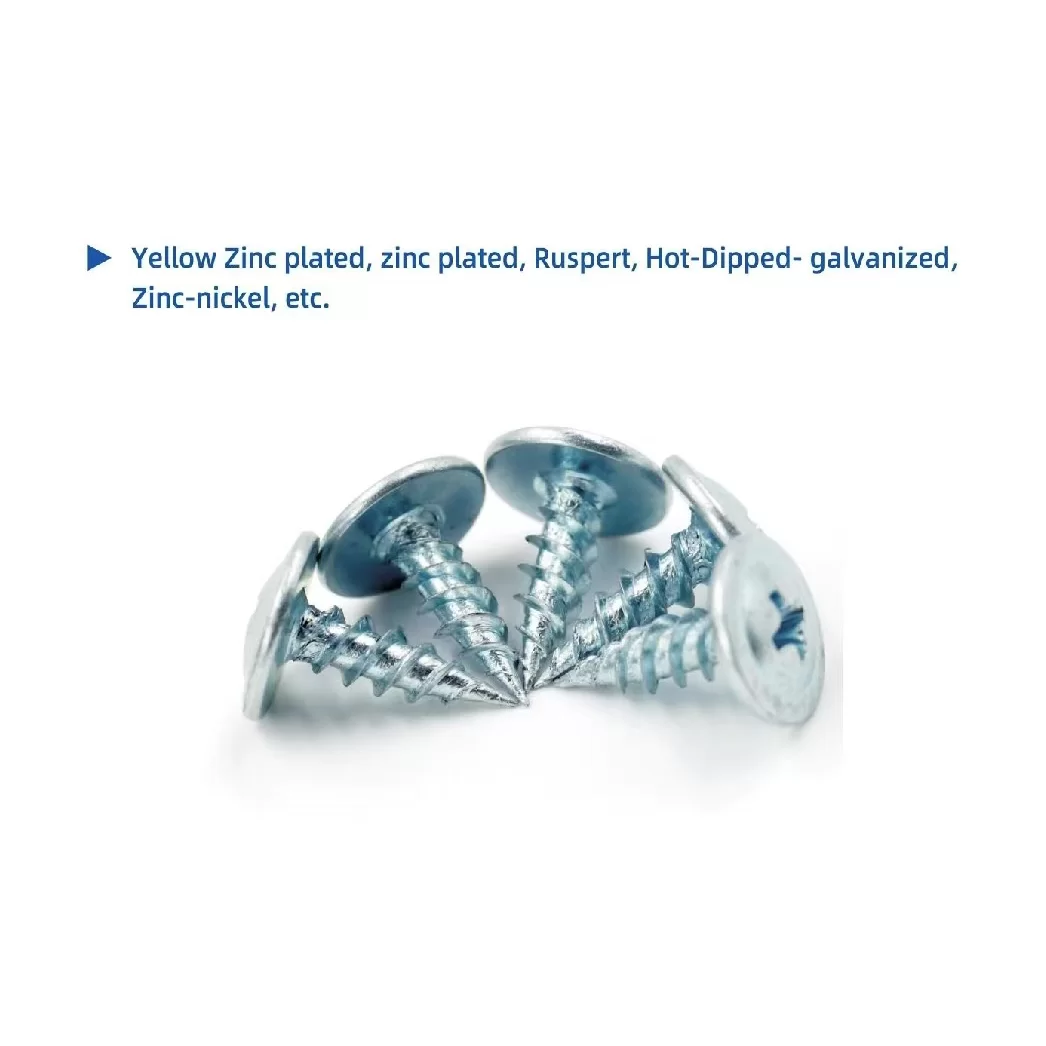
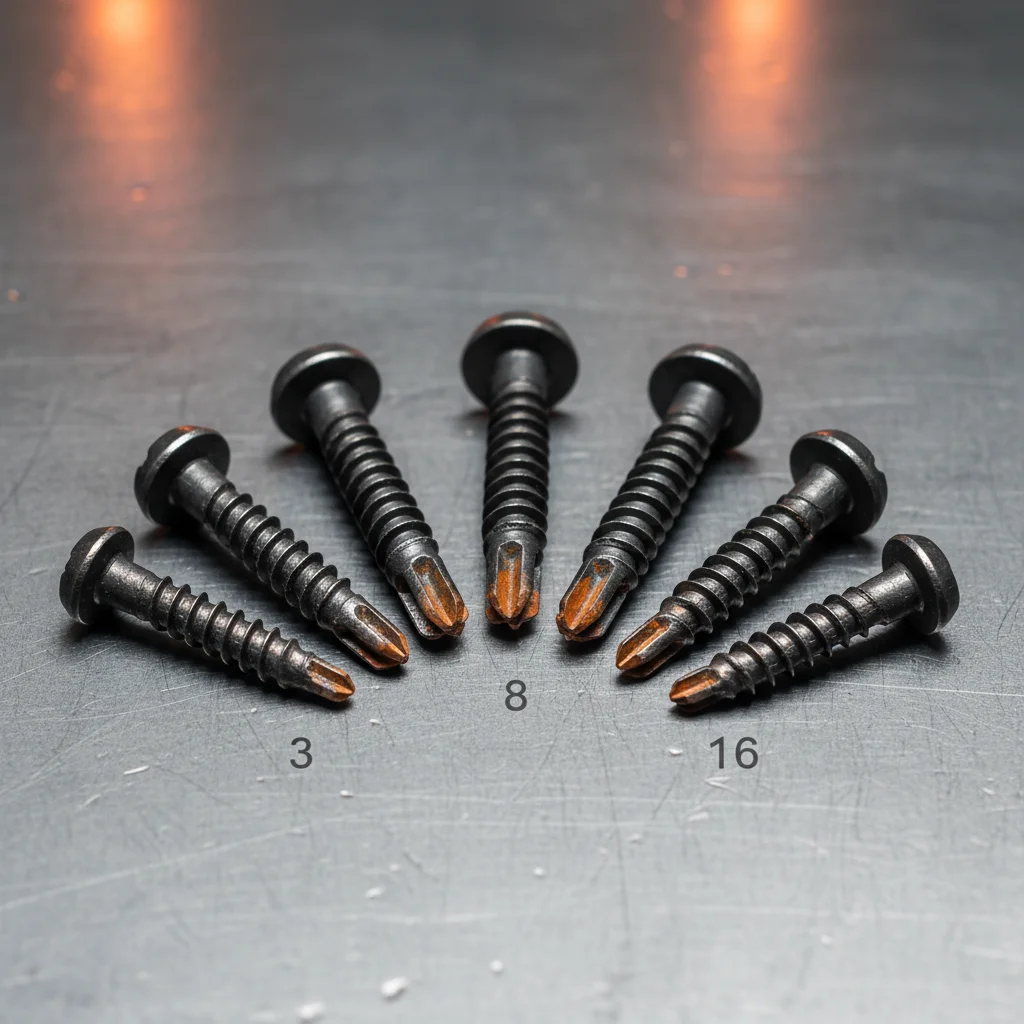
Self-tapping screws are indispensable fasteners in a wide range of industries, from construction and manufacturing to electronics and automotive. Among the various types available, the 1 5 8 self tapping screws stand out for their versatility and performance. These screws are designed to create their own threads as they are driven into a material, eliminating the need for pre-tapped holes. This article will delve into the features, applications, benefits, and selection criteria for 1 5 8 self-tapping screws, providing valuable insights for professionals and DIY enthusiasts alike. Explore our comprehensive range of self-tapping screws at Lianshiwjnail.com.
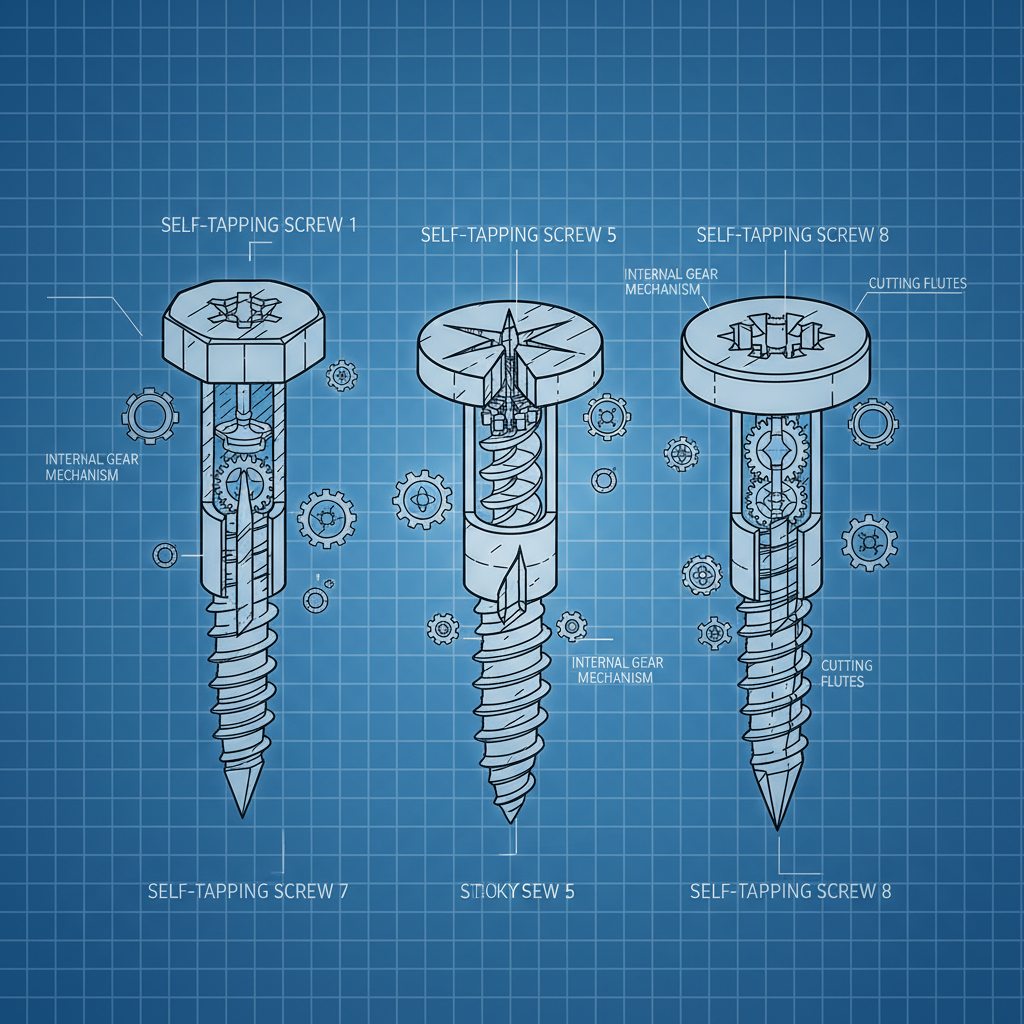
The "1 5 8" designation refers to the screw’s length - 1 and 5/8 inches (approximately 41.28mm). These screws are a popular choice due to their balanced length, providing sufficient grip without being excessively long. They typically feature a sharp point that facilitates easy penetration and thread formation in materials like metal, plastic, and wood. Available in various head types (flat, pan, round, oval) and drive types (Phillips, slotted, Torx), 1 5 8 self tapping screws can be tailored to specific application needs. Understanding the different features allows for optimal performance and a secure fastening solution.
Key Highlights: Offering a balanced length and versatile application, they are available in various head and drive types for customized fastening solutions.
The versatility of 1 5 8 self-tapping screws makes them ideal for numerous applications. In the metalworking industry, they are frequently used for joining sheet metal, creating secure attachments for brackets, and assembling enclosures. In the plastics industry, they are utilized for fastening plastic components without damaging the material. They are also common in DIY projects, furniture assembly, and securing light fixtures. Their ability to efficiently form threads makes them a time-saving and cost-effective fastening solution.
Application Benefits:
• Securely join sheet metal
• Ideal for plastic components
• Time-saving and cost-effective
• Suitable for DIY and professional projects
1 5 8 self-tapping screws are available in a variety of materials, each offering unique properties. Common materials include: carbon steel (for general purpose applications), stainless steel (for corrosion resistance), and alloy steel (for high strength and durability). They also come in different head styles such as flat, pan, round, and oval, allowing for a flush or decorative finish. Furthermore, the drive type (Phillips, slotted, Torx) affects ease of installation and torque transmission. Selecting the appropriate material and head style is crucial for ensuring optimal performance and longevity. Check out Lianshiwjnail for a detailed selection of materials and types.
Selecting the right 1 5 8 self-tapping screw involves considering several factors. The material being fastened is critical – softer materials require sharper points, while harder materials may need more robust screw designs. The head style should be chosen based on the desired finish and application requirements. For example, flat heads are suitable for flush mounting, while pan heads offer a more general-purpose solution. The drive type should also be considered based on the available tools and desired torque. Always ensure the screw length is appropriate for the thickness of the materials being joined, allowing for sufficient thread engagement without protruding excessively. Visit our website for expert guidance on selecting the best screws for your project.
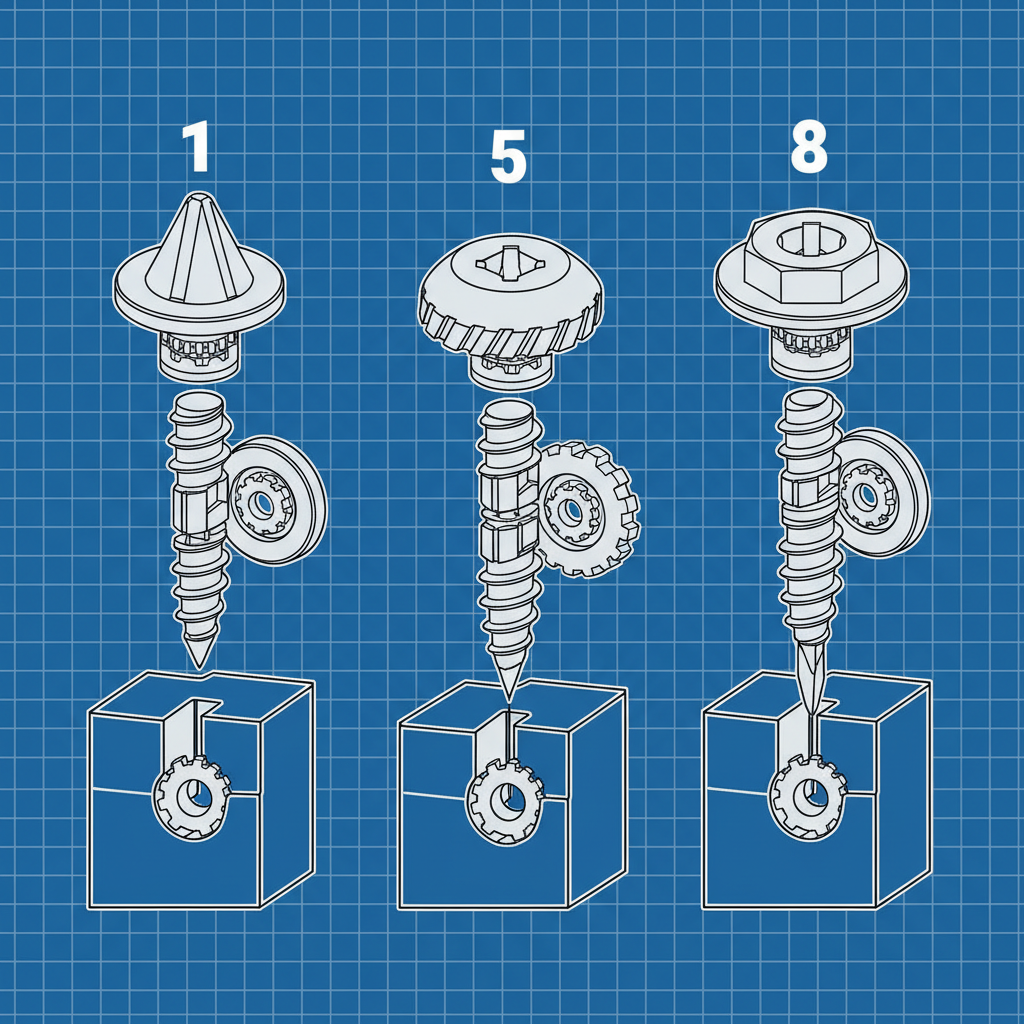
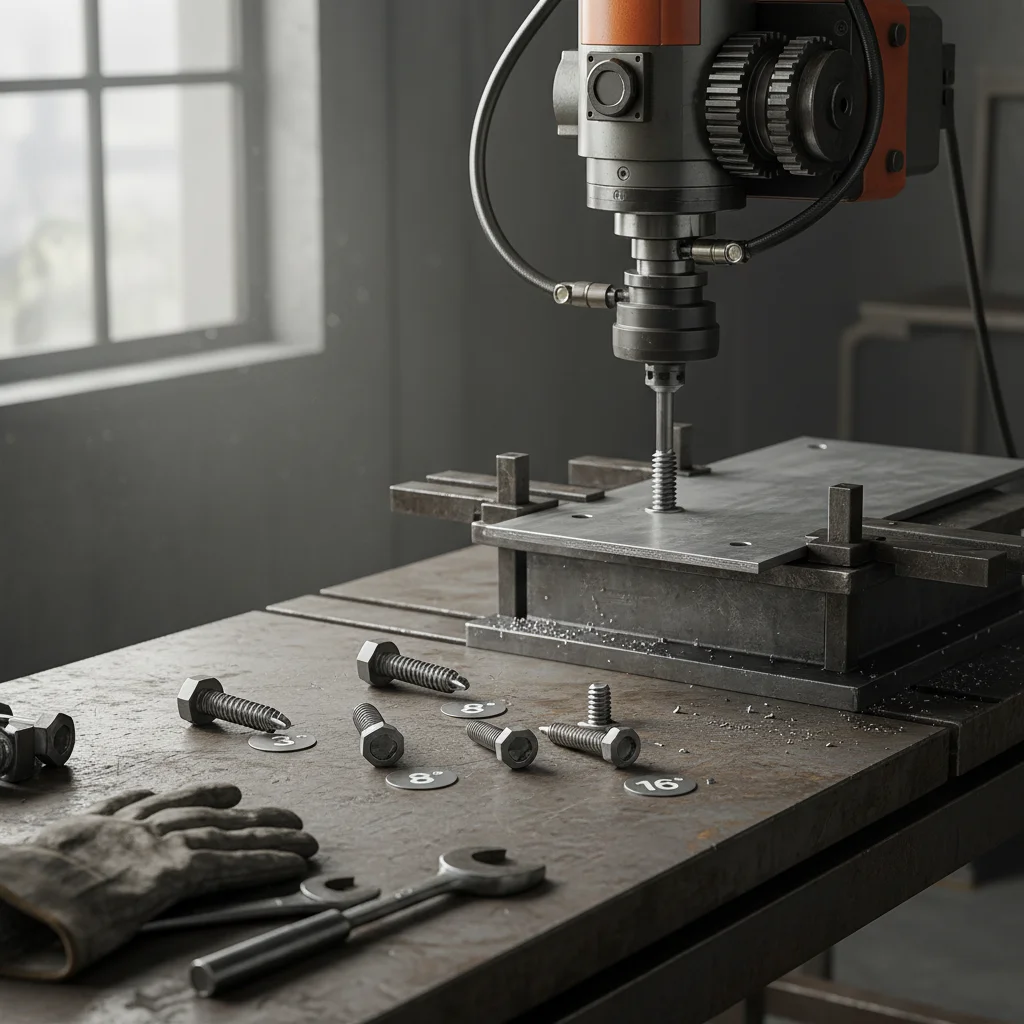
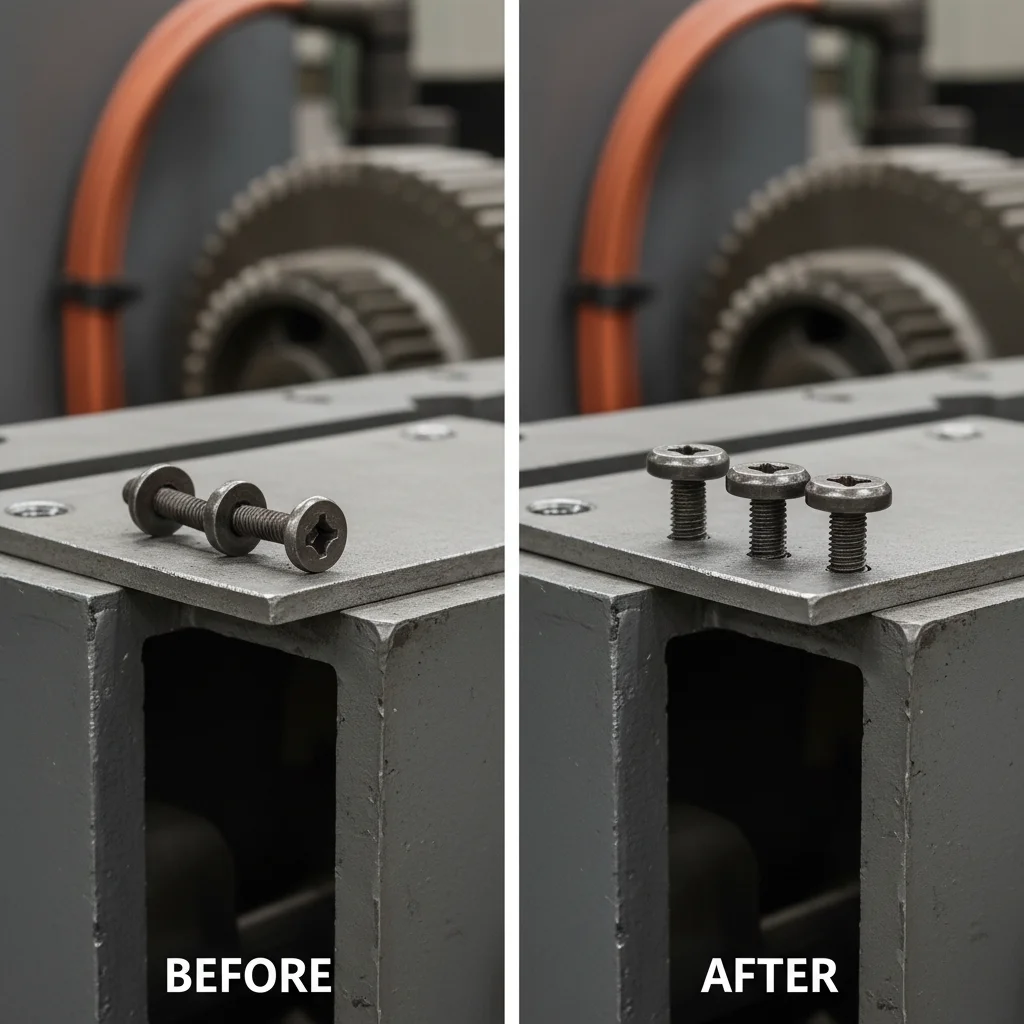
Proper installation is vital for ensuring the effectiveness of 1 5 8 self-tapping screws. Using the correct drill bit size (if pre-drilling is necessary) is crucial to prevent stripping or damaging the screw. Applying consistent pressure while driving the screw ensures proper thread formation. Avoid over-tightening, as this can lead to stripping or breakage. Using the appropriate driver bit and drill speed also contributes to a successful installation. Following these guidelines will ensure a secure and lasting fastener.
The 1 5 8 self tapping screws are a versatile and reliable fastening solution for a wide range of applications. Their ability to create their own threads, combined with their availability in various materials and head styles, makes them a valuable asset for professionals and DIY enthusiasts alike. Explore our extensive selection of high-quality self-tapping screws at Lianshiwjnail.com, and experience the difference quality makes.
Yes, 1 5 8 self-tapping screws can be used in wood, but it's important to choose the correct type. Screws designed for wood typically have a coarser thread and a sharper point to facilitate easier penetration. Pre-drilling a pilot hole is often recommended, especially for hardwoods, to prevent splitting the wood. Selecting a screw with a flat or round head will provide a flush or finished appearance. For optimal results, choose screws specifically marketed for wood applications.
Common drive types for 1 5 8 self-tapping screws include Phillips, slotted, Torx (also known as star drive), and square (Robertson). Phillips is widely used due to its versatility and availability. Slotted screws are a classic design but may be prone to cam-out (the driver slipping). Torx offers excellent torque transmission and reduces cam-out. Square drive provides good torque transfer and is less likely to strip than Phillips. The best choice depends on the specific application and the tools available.
Stripping the screw head can be frustrating and lead to installation problems. To prevent this, ensure you are using the correct size and type of driver bit. Apply consistent, downward pressure while turning the screw. Avoid using excessive speed or torque. If you encounter resistance, stop and check the alignment. Using a Torx drive can significantly reduce the risk of cam-out and stripping. A quality driver bit made from hardened steel is also essential for long-lasting performance.
While both self-tapping and self-drilling screws eliminate the need for pre-drilled holes, they function differently. Self-tapping screws, like the 1 5 8 variety, require a pilot hole or rely on the material's softness to create the threads as they are driven in. Self-drilling screws have a drill-bit shaped point that creates its own pilot hole, making them suitable for thicker or harder materials. Self-drilling screws are generally used in metal, while self-tapping screws are more versatile across different materials.
JOIN OUR NEWSLETTER


If you are interested in our products, you can choose to leave your information here, and we will be in touch with you shortly.