
Hit enter to search or ESC to close
Dec 4, 2025


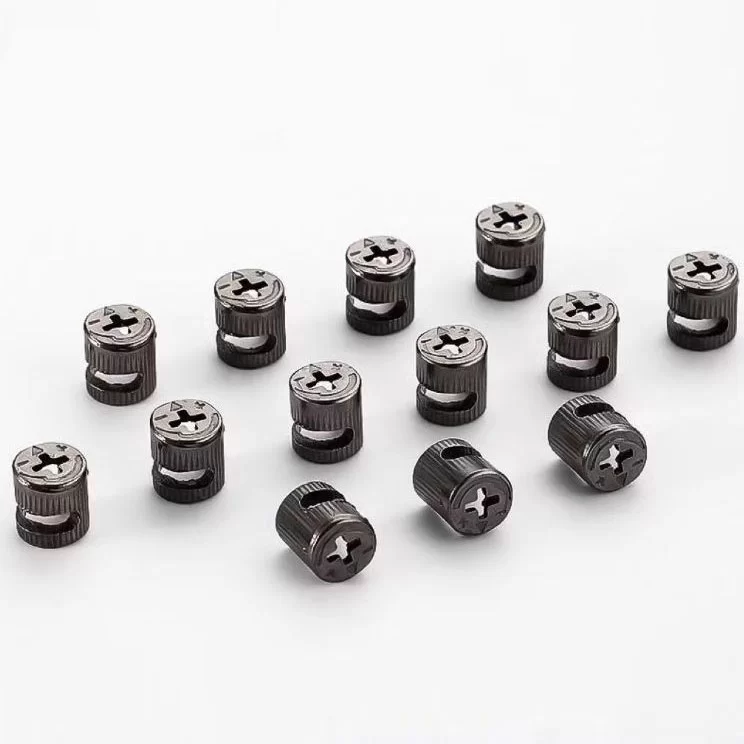
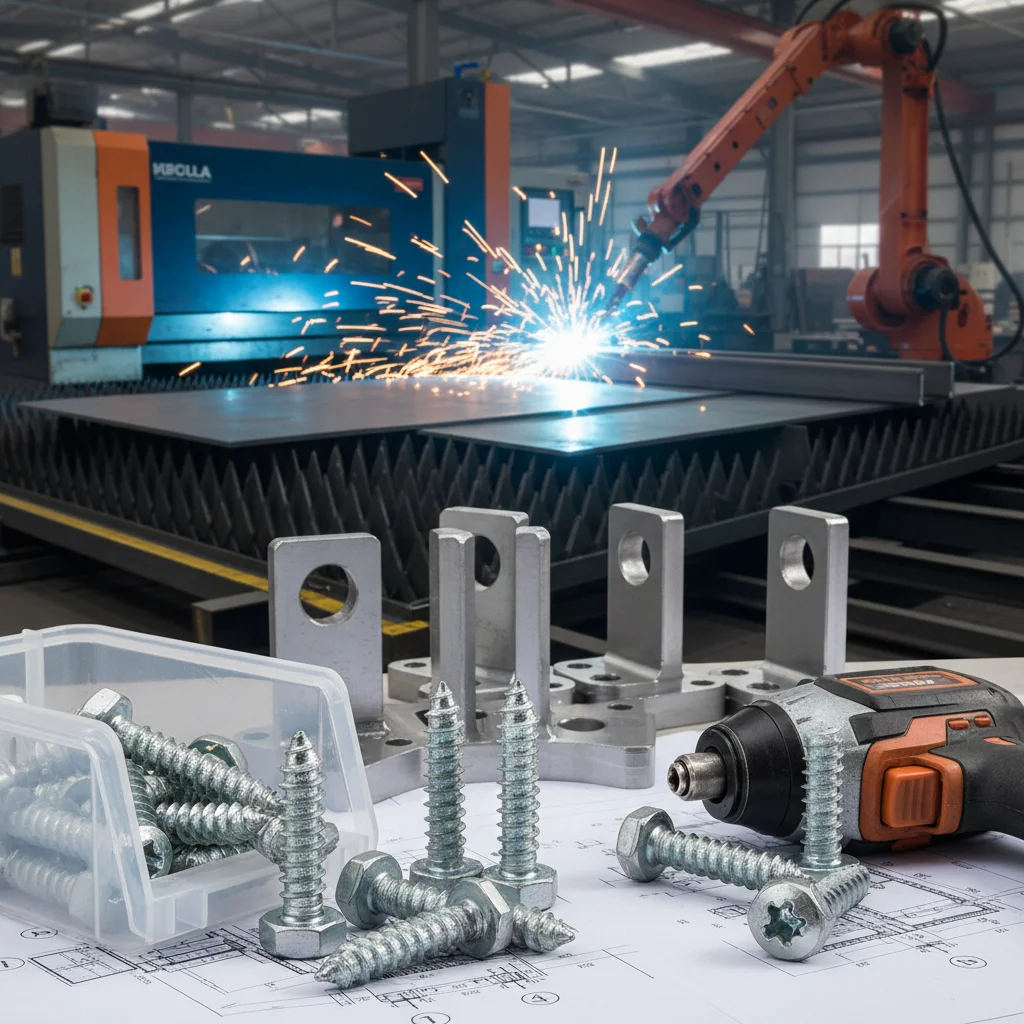
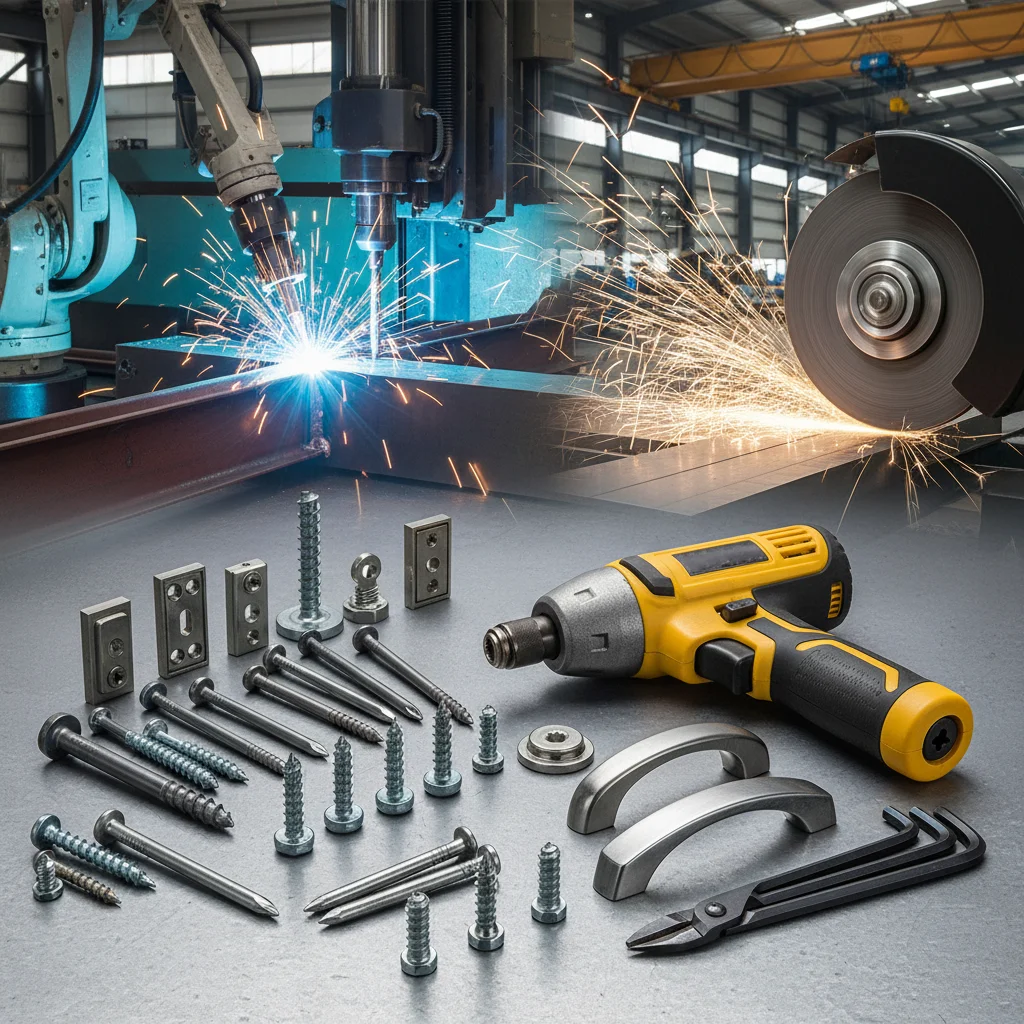
Having spent a good chunk of my career in the industrial equipment sector, I’ve learned there’s always something a bit fascinating about those small components that quietly keep the machine running. One such item? winged reamer screws. If you haven’t encountered them directly, think of them as somewhat specialized screws but with a nifty twist — literally. They help ream out material as you fasten them, which does wonders in durability and precision of assembly.
In real terms, these screws are especially handy in applications involving woods or plastics where you want to avoid splitting or cracking. That little wing on the screw's body works like a pre-drill, removing excess material so the screw can sit snugly without damaging the substrate. I remember one project assembling heavy-duty industrial racks where the winged reamer screws prevented the chips and cracks we were battling with standard screws — the result? A sturdier, longer-lasting fit.
Oddly enough, these screws don’t always get the recognition they deserve. Many engineers I’ve worked with tend to default to simply pre-drilling holes or using conventional fasteners. But I’ve found that selecting the right winged reamer screw can save time and reduce rework, especially on large assembly lines or in field repairs.
| Specification | Details |
|---|---|
| Material | Carbon Steel, Stainless Steel (304, 316) |
| Length Range | 10mm – 100mm |
| Diameter | 3mm – 10mm |
| Drive Type | Phillips, Pozidriv, Torx |
| Thread Type | Coarse thread for wood and soft plastic |
| Coating / Finish | Zinc-plated, Black oxide, Plain |
| Special Features | Winged reaming edge, Self-drilling point, Anti-splitting design |
From a design perspective, the winged section basically acts as a mini reamer. That means it clears out material while the screw threads tap into the substrate — kind of like killing two birds with one stone, which is always appreciated on the shop floor. I once saw a customer swap their regular screws for winged ones mid-production, and their assembly speed jumped noticeably since there was less need for pilot holes.
Choosing the right material can be crucial, obviously. Stainless steel wings offer corrosion resistance for outdoor or humid environments, while carbon steel versions tend to be more budget-friendly for dry indoor use. The coatings vary too — zinc plating is common, boosting corrosion resistance without the cost of stainless, but the black oxide finish helps reduce glare and offers slight lubricity during installation.
| Feature | Lianshiwjnail | Competitor A | Competitor B |
|---|---|---|---|
| Range of Sizes | 3mm – 10mm diameter | 5mm – 8mm diameter | 4mm – 12mm diameter |
| Material Options | Carbon & Stainless Steel | Carbon Steel only | Stainless Steel only |
| Customization Available | Yes, bulk orders | Limited | No |
| Price Range | Competitive | Slightly higher | Higher |
| Lead Time | 2-3 weeks typical | 4-6 weeks | 4 weeks |
When I talk to folks on the production line or maintenance bays, many say the ease of using winged reamer screws saves headaches down the line. You get less splitting on fragile materials, quicker assembly, and frankly, a final product that looks neat and consistent. That’s sometimes all you need to gain a little peace of mind on site.
Customization is also a point worth mentioning. Depending on your project, you might want different finishes or even specific wing designs. Lianshiwjnail, for example, can work with bulk orders for specific drives or coatings — something I’ve personally found handy for special projects where standard screws just wouldn’t cut it.
To wrap it all up, winged reamer screws might seem a minor detail at first glance, but spend enough time working with them and you realize how pivotal they can be. They save time, reduce materials wastage, and make the finished assembly stronger. Honestly, in the endless game of “make it better, faster, cheaper,” these screws quietly hold their own — and I’m glad they do.
Quick takeaway: If you’re still using regular screws on delicate materials, try winged reamer screws next time — you might be surprised how much easier your life gets.
References:
1. Industrial Fasteners Handbook, 9th Edition
2. "Design and Application of Self-Drilling Screws," Engineering Journal, 2022
3. Personal communications and project notes, 2015–2023
JOIN OUR NEWSLETTER


If you are interested in our products, you can choose to leave your information here, and we will be in touch with you shortly.