
Hit enter to search or ESC to close
Dec 4, 2025


At first glance, winged self tapping screws might seem like mundane hardware. But if you pause and think about the tiny unsung heroes that hold together everything from building frameworks to electrical fixtures, suddenly their importance becomes clear. These specialized screws tackle challenges that many industries face — fastening materials quickly without pre-drilling, saving time and cost globally. Knowing about winged self tapping screws is not just for engineers; it touches on broader themes of efficiency, sustainability, and even disaster relief. Let’s unpack why these little wings really matter.
Fastening solutions form a backbone of global manufacturing and construction, where billions of units are used yearly. According to industry reports, the self tapping screws market is expected to grow at roughly 5% annually up to 2030, driven by demand in Asia-Pacific and emerging economies (ISO standards play a key role here). Self tapping screws with wings offer a unique advantage by drilling through softer materials like plastic or thin metal sheets — an innovation that addresses speed and labor costs worldwide.
But here’s the challenge: in remote zones or fast rebuild scenarios, such as post-natural disasters, there often isn’t time or equipment for pre-drilled holes. Winged self tapping screws come into their own by combining self-drilling and setting in one go — reducing delays and resource consumption. The World Bank has even noted the importance of such technologies in affordable housing projects across developing countries, underscoring their humanitarian impact.
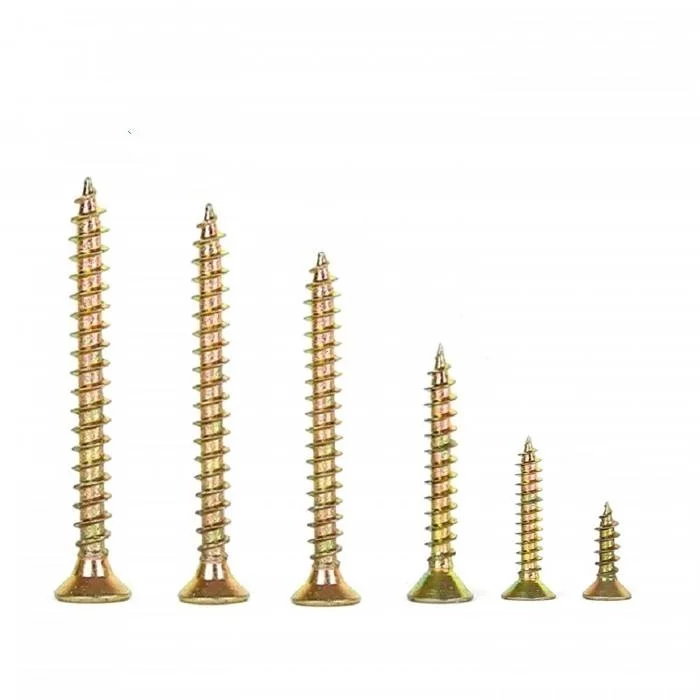
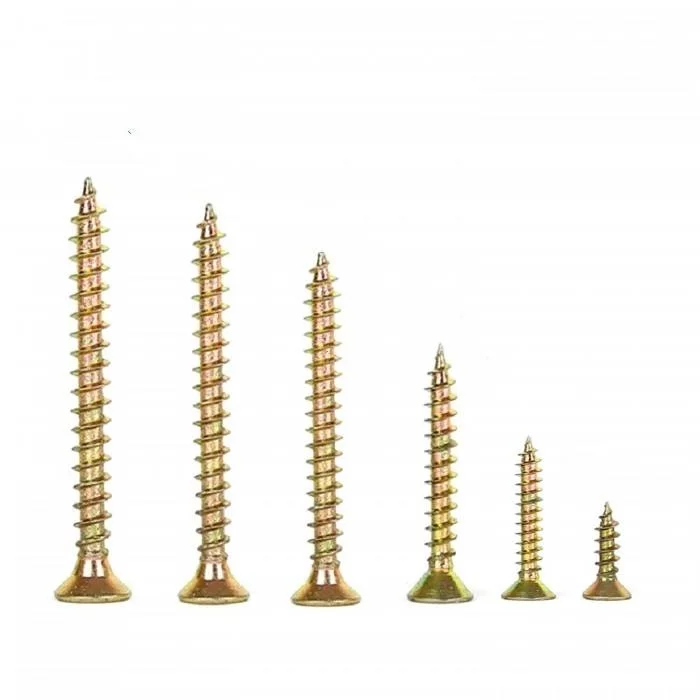
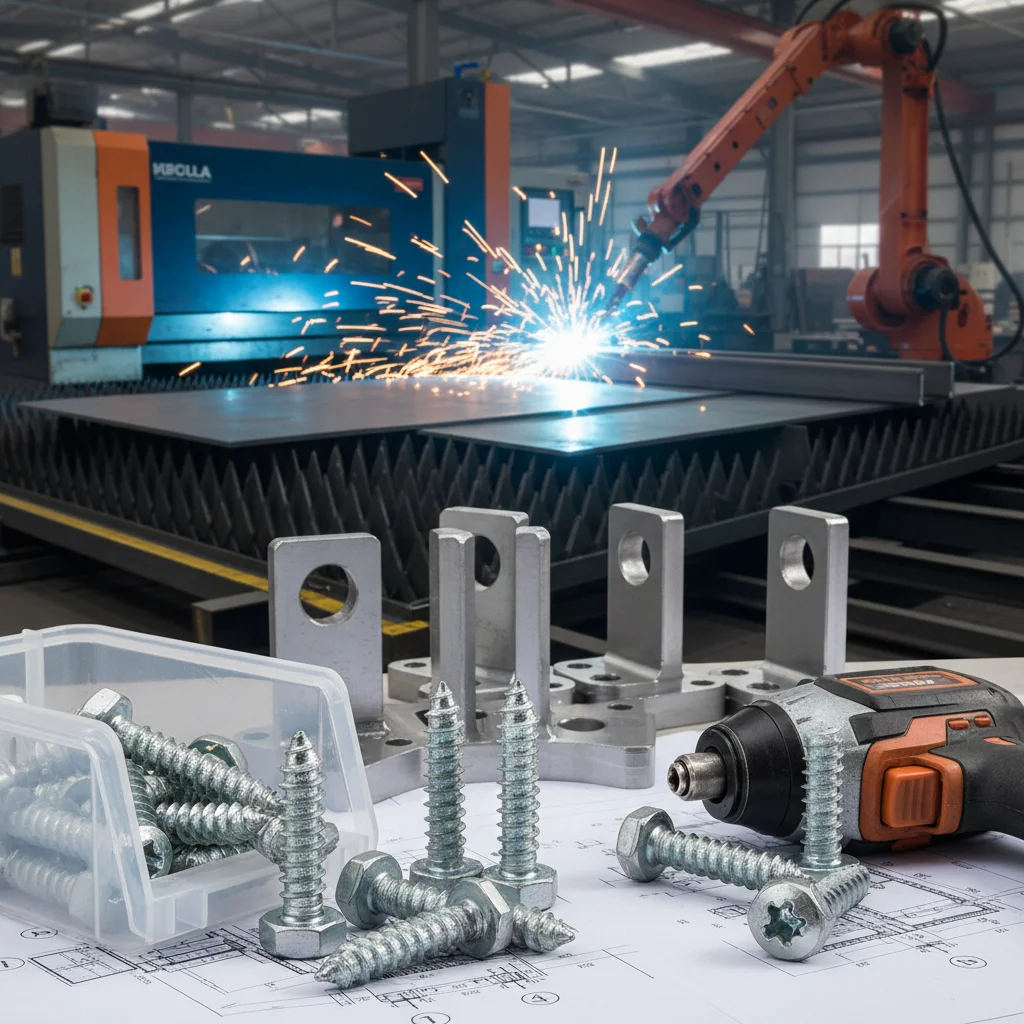
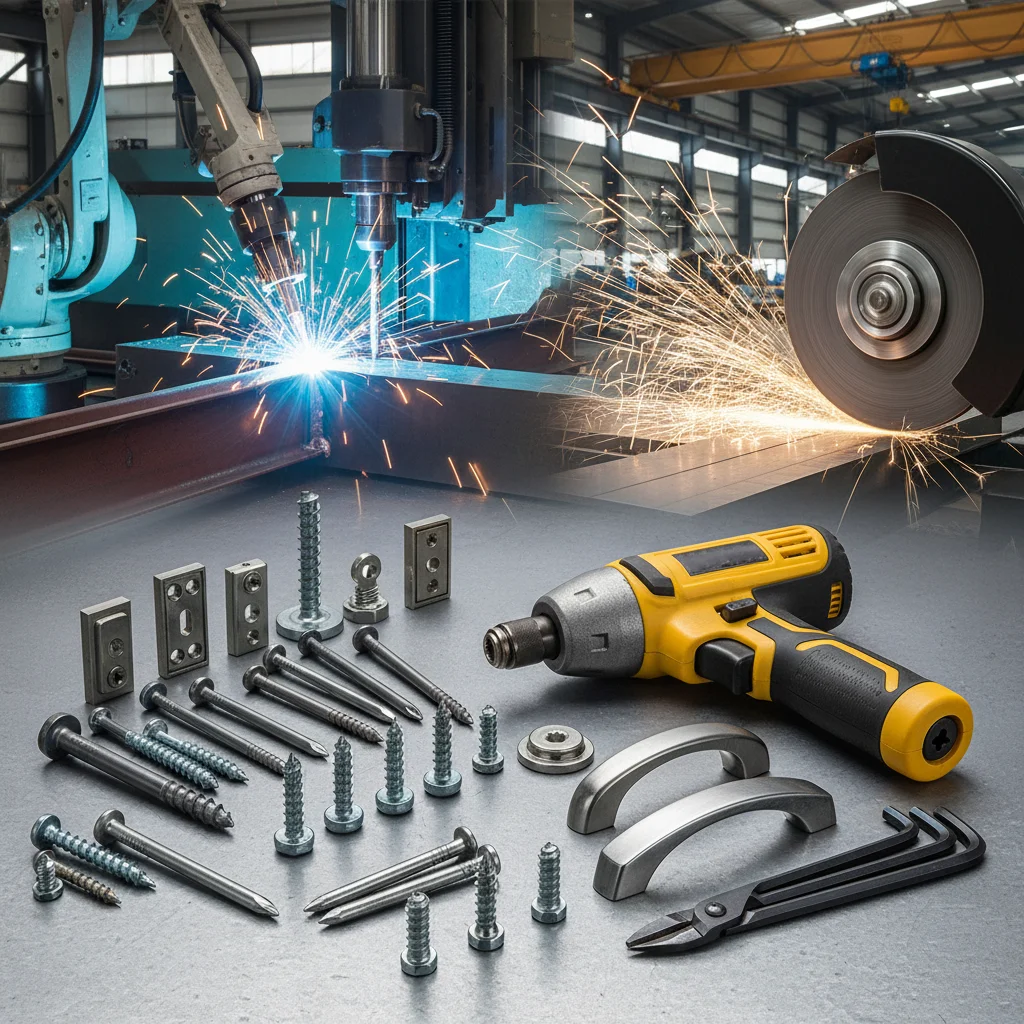
Simply put, these are screws fitted with small “wings” just below the head. Think of them as tiny drill bits on a screw. When the screw is driven in, the wings first cut through the material, creating a pilot hole. Once through, the wings break off, allowing the thread to engage and fasten securely. This clever design eliminates the need for a separate drilling stage, speeding up assembly and reducing tool requirements — making it a bit of a multi-tasking marvel.
This feature makes them highly suited for fastening softer materials like wood, plastic, or thin metals. Naturally, they’re invaluable in industries ranging from electronics casing constructions to modular housing and even in automotive interiors.
Manufactured from high-grade steel or stainless materials, these screws withstand corrosion and stress over time, crucial for outdoor and industrial uses.
The winged design’s biggest draw is eliminating pre-drilling, significantly cutting down installation time — an obvious plus for large scale or time-sensitive projects.
Less need for specialized tools or multiple labor steps means lower overall expenses for manufacturers and contractors alike.
Compatible with various softer substrates, winged self tapping screws are adaptable across multiple industries and environments.
Once installed, the retention provided is strong and consistent — minimizing failures or maintenance needs later on.
| Specification | Details |
|---|---|
| Material | Carbon Steel / Stainless Steel |
| Thread Type | Coarse Threads for Soft Material Grip |
| Wing Diameter | Slightly Larger than Thread Diameter (Varies by Size) |
| Head Style | Pan Head / Truss Head |
| Coating | Zinc Plating / Black Oxide / None |
Winged self tapping screws feature prominently in diverse areas:
For a closer look at some brand options, here’s a quick comparative overview:
| Vendor | Material Options | Coatings Available | Pricing (per 1000 units) | Lead Time |
|---|---|---|---|---|
| Lianshiwjnail Co. | Carbon Steel, Stainless | Zinc, Black Oxide | $120 | 2-3 weeks |
| GlobalFix Fasteners | Stainless Only | None (natural finish) | $140 | 3-4 weeks |
| QuickWing Supplies | Carbon Steel | Zinc Only | $110 | 1-2 weeks |
Why bother switching out traditional screws for winged self tapping types? The advantages are both practical and profound. Here’s the quick rundown:
In the end, many engineers say it feels like upgrading from a manual bicycle to an electric one — same goal, but with noticeably less sweat and hassle.
Oddly enough, winged self tapping screws, while conceptually straightforward, are benefiting from innovations like:
Despite their benefits, winged self tapping screws face some limitations:
Experts suggest pre-planning material choices, training operators for consistent installation technique, and building relationships with reliable suppliers like winged self tapping screws manufacturers as key ways to overcome such hurdles.
Winged self tapping screws might be small, but their impact is mighty — across industries, geographies, and even humanitarian efforts. Their ability to speed assembly, reduce costs, and adapt to a range of materials makes them a smart choice for both manufacturers and relief organizations. If you’re ready to explore quality options, I encourage you to visit https://www.lianshiwjnail.com and see what’s available — it’s often the tools you choose that make all the difference.
So next time you pass a building frame or appliance, remember — sometimes good things do come in small, winged packages.
Mini-takeaway: Winged self tapping screws uniquely combine drilling and fastening, optimizing speed and durability in assembly processes worldwide.
References:
1. ISO Standards on Fasteners, 2019.
2. World Bank Report on Affordable Housing, 2021.
3. Wikipedia contributors. "Self-tapping screw." Wikipedia, The Free Encyclopedia. https://en.wikipedia.org/wiki/Self-tapping_screw.
JOIN OUR NEWSLETTER


If you are interested in our products, you can choose to leave your information here, and we will be in touch with you shortly.