

Hit enter to search or ESC to close
Construction hardware materials are the foundational components enabling the creation of safe, durable, and functional structures worldwide. From the smallest fasteners to the largest structural steel beams, these materials underpin our built environment, impacting everything from housing and infrastructure to commercial buildings and industrial facilities. Understanding their properties, applications, and evolving innovations is crucial for professionals in the construction industry and increasingly relevant for broader societal progress.
The global construction industry relies heavily on a diverse range of construction hardware materials, representing a multi-billion dollar market. According to a report by the UN, sustainable infrastructure development is a key component of achieving the Sustainable Development Goals (SDGs), particularly SDG 9 (Industry, Innovation, and Infrastructure). The quality and accessibility of construction hardware materials directly influence the success of these projects and the overall wellbeing of communities.
Effective management and deployment of these materials address critical challenges such as housing shortages, disaster relief, and the need for resilient infrastructure. As urbanization continues and populations grow, the demand for innovative and sustainable construction hardware materials will only increase, driving further advancements in materials science, manufacturing techniques, and logistical solutions.
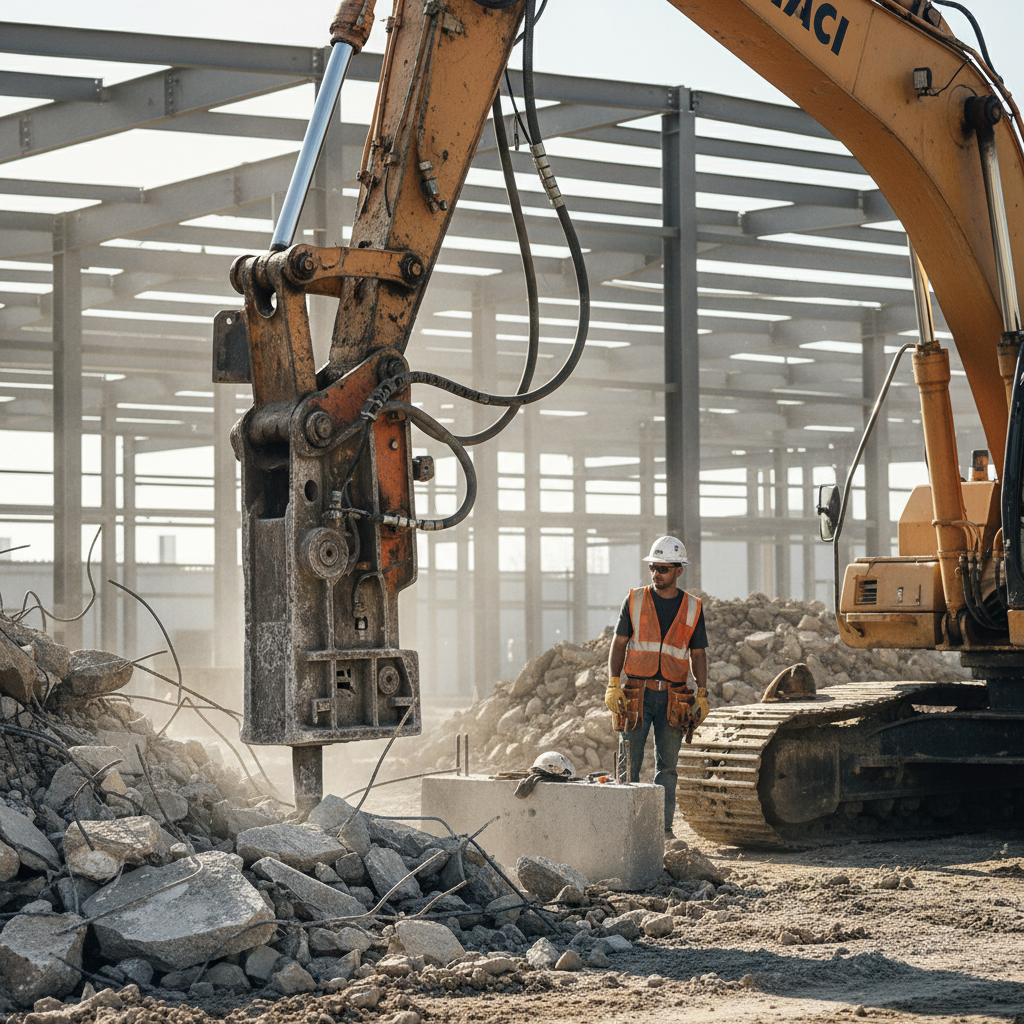

The selection and implementation of appropriate construction hardware materials are paramount to the success of any building project. These materials provide the structural integrity, weather resistance, and longevity required for a safe and functional build. Poorly chosen or substandard materials can lead to structural failures, costly repairs, and potentially dangerous conditions.
Beyond structural considerations, the choice of materials also impacts sustainability, cost-effectiveness, and aesthetic appeal. Modern construction projects increasingly prioritize environmentally friendly materials and energy-efficient designs, driving demand for innovative and sustainable construction hardware materials.
Selecting between steel and concrete hinges on project-specific needs. Steel excels in tensile strength and is ideal for tall structures or spans needing minimal support. Concrete is strong in compression, economical for massive foundations, and offers excellent fire resistance. Cost, project timeline, site conditions, and design requirements all influence this decision. A comprehensive structural analysis is vital to determine the most effective material for ensuring safety and longevity.
Sustainable sourcing involves prioritizing materials with recycled content, responsible forestry certifications (like FSC for wood), and locally sourced options to reduce transportation emissions. Look for Environmental Product Declarations (EPDs) that detail a material's lifecycle impact. Transparency in the supply chain, engaging with reputable suppliers, and adopting circular economy principles are crucial steps towards minimizing the environmental footprint of your projects.
While cheaper materials may offer short-term savings, they often lead to significant long-term costs. Lower durability necessitates more frequent repairs and replacements, increasing lifecycle costs. Reduced energy efficiency can lead to higher operating expenses. Potential structural failures and safety hazards create legal liabilities and reputational damage. Investing in quality materials upfront is a cost-effective approach that enhances overall value.
BIM revolutionizes material management by creating a digital representation of a project, enabling accurate quantity takeoffs, clash detection, and efficient procurement. It facilitates collaboration between stakeholders, reduces waste through optimized material ordering, and streamlines the construction process. BIM also supports lifecycle management, providing valuable data for maintenance and future renovations.
Several innovative materials are emerging, including self-healing concrete, bio-based plastics derived from renewable resources, and aerogels for enhanced insulation. Carbon fiber reinforced polymers (CFRP) offer exceptional strength-to-weight ratios for structural applications. Researchers are also exploring mycelium-based materials grown from fungi, offering sustainable alternatives to traditional building components.
Adapting to price volatility requires proactive planning. Diversifying suppliers, securing long-term contracts with fixed pricing, and utilizing value engineering to identify alternative materials are crucial strategies. Implementing robust cost tracking systems and maintaining open communication with subcontractors can help mitigate risks and ensure project profitability. Consider bulk purchasing when feasible and exploring hedging strategies to offset price fluctuations.
Throughout this exploration of construction hardware materials, we’ve seen how central they are to building a sustainable, safe, and efficient future. From fundamental properties like durability and strength to the emergence of innovative, eco-friendly options, these materials are constantly evolving to meet the demands of a changing world. Effective selection, sourcing, and implementation are critical for success, influencing project costs, timelines, and long-term performance.
Looking ahead, continued investment in research and development, coupled with widespread adoption of sustainable practices and digital technologies, will unlock even greater potential for construction hardware materials. By embracing innovation and prioritizing responsible material management, we can build a more resilient, equitable, and environmentally conscious built environment. To learn more about quality construction hardware materials, visit our website: www.lianshiwjnail.com



JOIN OUR NEWSLETTER