You know, after running around construction sites all year, you start to see patterns. Lately, everyone’s talking about prefabrication, modular construction. It’s all the rage, and honestly, it’s about time. It’s not just about speed, though; it’s about controlling quality, minimizing waste… things we’ve been banging our heads against for decades. But it’s not a silver bullet, let me tell you.
There's a lot of pressure to innovate, but people forget the basics. Like, seriously, how many times have I seen designs with perfectly flush connections that are an absolute nightmare to assemble on site? You’ve got to think about the guys actually doing the work, not just what looks good on a CAD drawing. Anyway, I think the biggest challenge is getting everyone – architects, engineers, fabricators, and the on-site crews – to actually talk to each other.
It's funny, when you start looking at the materials themselves, you realize how much it really comes down to touch and feel. We’re using a lot more high-strength steel these days, obviously. It’s got that… slightly oily smell, and it's heavier, colder to the touch than the older stuff. You can tell the difference immediately. Then there’s the composite lumber, stuff made from recycled plastics and wood fibers. It doesn't smell like anything, and it feels… well, plasticky, obviously. But it’s weather resistant, doesn’t rot, and is surprisingly strong. Though, I've seen it warp in the heat if it isn’t properly reinforced.

The Rise of Prefabrication and Modular Construction
To be honest, it’s not entirely new. We were playing with modular concepts back in the 90s, but the technology and the demand weren’t there. Now, with the labor shortage and the increasing cost of materials, it’s become a necessity. But it's more than that. It's a shift in mindset. It's about designing for manufacturing and assembly, not just building on-site. It’s also about the suppliers… finding ones who can deliver consistent quality, on time. That's the real trick.
Have you noticed how many of the suppliers are now offering "design assist" services? They’re basically saying, “Let us help you design something that's actually buildable.” It's a smart move. It saves everyone headaches down the line.
Design Pitfalls and On-Site Reality
I encountered this at a factory in Tianjin last time. They were producing these pre-fabricated bathroom pods, beautifully designed, all sleek lines and hidden plumbing. But the access panels were too small to actually get to the plumbing when something went wrong. The guys on site were furious! It looked great in the brochure, but it was a nightmare to maintain. It’s those little details, you know? The things that seem insignificant during the design phase, but become huge problems in the field.
Strangely, architects often don’t think about things like tool clearance, or the need for a guy to swing a hammer without hitting something. They’re focused on aesthetics, which is fine, but it has to be balanced with practicality. It needs to be buildable, and maintainable.
And don't even get me started on tolerances. Everything has to fit together just right. A few millimeters off, and you’re screwed.
Material Trends: Steel, Composites, and More
We're seeing a huge increase in the use of high-strength, low-alloy steels. They're lighter, stronger, and more corrosion-resistant than traditional steel. But they’re also more expensive and require specialized welding techniques. You need welders who are properly certified, and you need to pay attention to the heat-affected zone.
Then there’s the whole world of composite materials. Fiber-reinforced polymers, carbon fiber, that sort of thing. They're incredibly strong and lightweight, but they're also brittle and can be expensive. The smell of cutting carbon fiber is… distinctive, let's just say. And the dust is a nightmare to clean up.
But the biggest trend, I think, is the move towards sustainable materials. Recycled plastics, bamboo, cross-laminated timber… people are looking for alternatives to traditional materials that have a lower environmental impact. It's a good thing, but it also adds another layer of complexity. You have to make sure these materials meet the required performance standards.
Real-World Testing and Quality Control
Look, lab testing is important, sure. But it doesn't tell you how something will actually perform in the real world. I’ve seen materials pass all the lab tests, and then fall apart after a few months on a construction site. That’s why I prefer to see things tested in simulated environments, exposed to the elements, subjected to realistic loads.
We’ve started doing more on-site testing, too. Non-destructive testing, ultrasonic inspections, that kind of thing. It’s a bit of a pain, but it’s worth it to catch problems early on before they become major issues.
Construction Hardware Supplier Performance Ratings
User Behavior: Beyond the Specifications
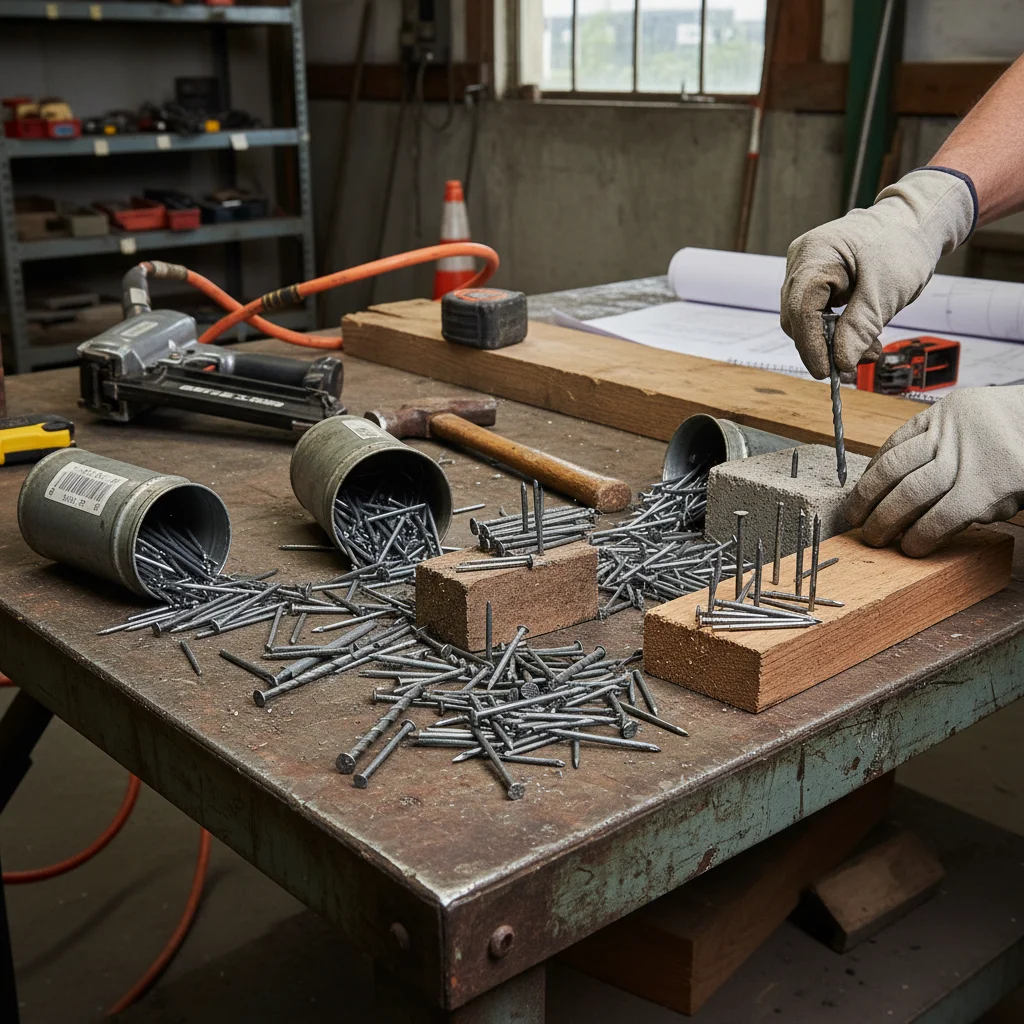
You know, engineers write these specifications, but the guys on the ground often find ways to… adapt them. I once saw a crew using a completely different type of fastener than what was specified, because it was easier to install with their tools. They knew it wasn't ideal, but it saved them time and money. That's just how it is.
It's important to understand how people actually use these materials, not just how they're supposed to be used. Observe them, talk to them, and listen to their feedback. That's the best way to identify potential problems and improve your products.
Advantages, Disadvantages, and Customization
The advantage of these new materials and techniques? Speed, efficiency, quality control. The disadvantage? Cost. And complexity. And the need for specialized training. But that’s the trade-off, right? You can't have everything.
Customization is key. A lot of projects have unique requirements, and you need to be able to adapt your products to meet those needs. For example, we recently had a customer who needed a custom-sized steel beam for a particularly challenging architectural design. It wasn’t a standard size, but we were able to fabricate it to their exact specifications. That’s where having a flexible supply chain comes in handy.
A Shenzhen Story and Lessons Learned
Last month, that small boss in Shenzhen who makes smart home devices insisted on changing the interface to on all our enclosures – said it was "more modern." We warned him the tooling would be expensive, and the lead times would be longer, but he wouldn't listen. He figured it would give his products a competitive edge. The result? His production line got backed up, his costs went through the roof, and he ended up missing his delivery date.
It was a classic case of form over function. He was so focused on the latest trend that he forgot about the practical implications. Later… forget it, I won't mention it.
Anyway, I think the biggest lesson is to listen to the guys on the ground. They’re the ones who are actually building things, and they know what works and what doesn’t.
Supplier Performance: Key Factors for Project Success
| Product Quality | Delivery Reliability | Technical Support | Price Competitiveness |
|---|
| High – Consistent adherence to standards | Excellent – On-time delivery 95% of the time | Proactive – Offers design assistance and troubleshooting | Moderate – Competitive within the market range |
| Good – Minor variations occasionally observed | Good – Generally delivers on schedule | Responsive – Addresses inquiries promptly | High – Offers significant cost savings |
| Average – Some quality control issues reported | Average – Occasional delays experienced | Limited – Basic technical information provided | Low – Priced higher than competitors |
| High – Stringent quality checks implemented | Excellent – Guaranteed on-time delivery | Exceptional – Provides comprehensive support | Moderate – Balances cost and quality effectively |
| Good – Meets industry standards consistently | Good – Maintains a reliable delivery schedule | Responsive – Offers quick resolutions to issues | Competitive – Offers value for money |
| Average – Requires closer monitoring of quality | Fair – Prone to occasional disruptions | Basic – Limited technical expertise available | High – May compromise quality for price |
FAQS
When undertaking a large-scale project, several factors become crucial. Reliability in delivery is paramount—delays can cascade through the entire schedule. Quality control is also essential; substandard materials can lead to costly rework. Financial stability of the supplier is vital to ensure they can fulfill long-term commitments. Finally, their technical support capabilities are important for addressing any on-site challenges. You need a partner, not just a vendor. You really do.
Customization is increasingly important, especially with the rise of complex architectural designs. However, it’s not a free-for-all. Achievable customization typically revolves around dimensions, finishes, and minor design modifications. Major overhauls are usually prohibitively expensive and time-consuming. The key is to communicate your needs clearly upfront and work with a supplier who has the engineering expertise to assess feasibility. Don't ask for the impossible, you know?
Poor communication is a huge red flag. If they’re slow to respond to your inquiries or can’t provide clear answers, that’s a bad sign. Also, watch out for unrealistic promises—if it sounds too good to be true, it probably is. Check their references and don’t be afraid to visit their facilities to assess their capabilities firsthand. And definitely check for certifications and compliance with relevant standards. You need to protect yourself.
Sustainability is becoming increasingly important. We’re looking for suppliers who prioritize recycled materials, reduce waste in their manufacturing processes, and minimize their carbon footprint. It’s not just about being environmentally responsible; it’s also about meeting the demands of our clients, who are increasingly focused on green building practices. It's a long road, but we're getting there.
Lead times for custom designs can vary significantly depending on the complexity of the project. Generally, you’re looking at anywhere from 4 to 12 weeks, or even longer for particularly intricate designs. It’s crucial to factor these lead times into your project schedule and to communicate your requirements to the supplier as early as possible. Planning is everything, honestly.
First, thorough documentation is key. Detailed inspection reports and photos are essential. Then, we immediately contact the supplier to discuss the issue and arrange for a replacement or repair. A good supplier will take responsibility for their products and work with you to resolve the problem quickly and efficiently. But prevention is always better than cure, so robust quality control upfront is crucial.
Conclusion
Ultimately, we’ve seen the industry shift towards prefabrication, embracing new materials, and demanding more from its suppliers. But despite all the technology and innovation, the success of any construction project still comes down to the basics: quality, reliability, and communication. Understanding the nuances of construction hardware suppliers is vital to navigating these complexities and ensuring projects are delivered on time and within budget.
I always say, whether this thing works or not, the worker will know the moment he tightens the screw. If it feels right, fits right, and holds, then you’ve got a good product and a good supplier. And that's what really matters.