
Hit enter to search or ESC to close
Mar 19, 2026


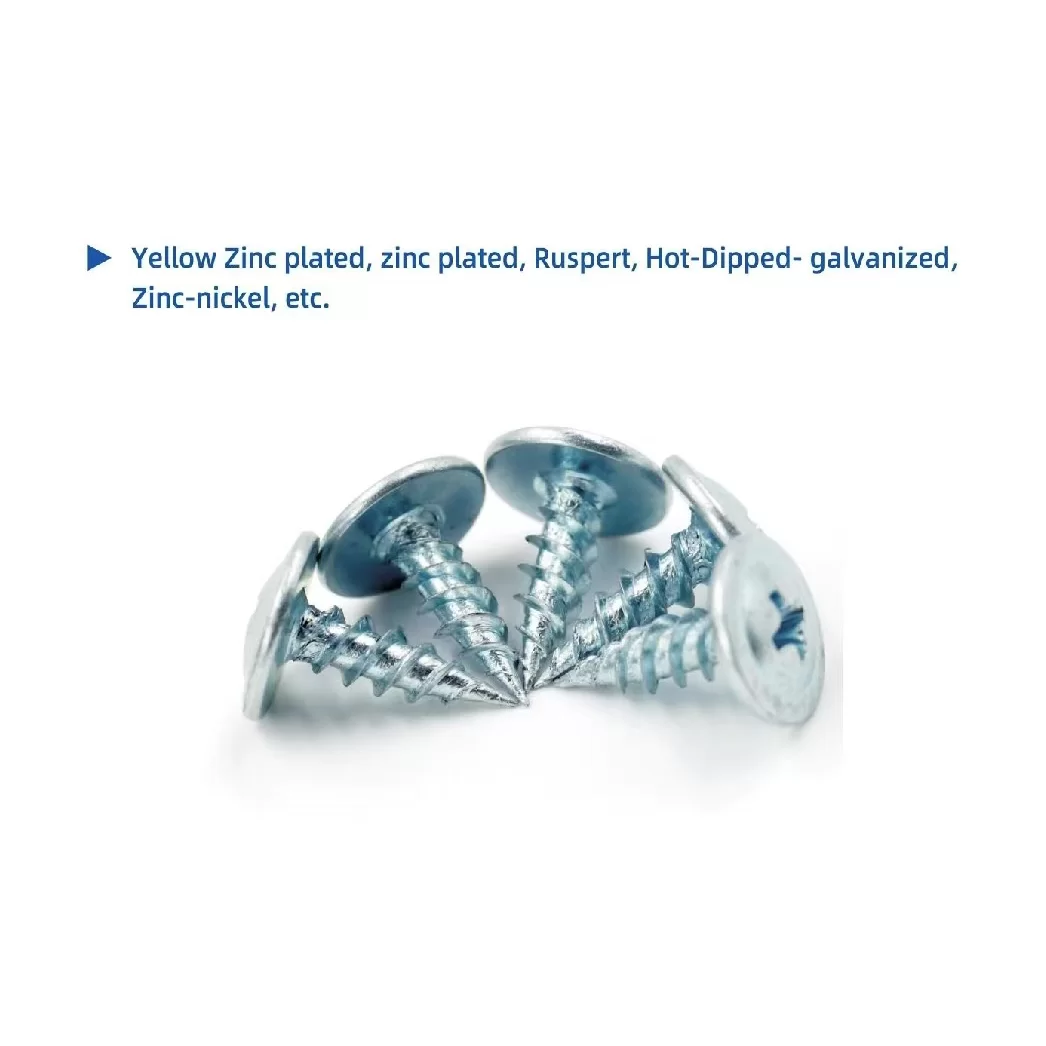
When working with sheet metal, choosing the right fastener is crucial for a secure and durable assembly. 2 self tapping sheet metal screws are a popular choice due to their efficiency and ease of use. This article provides an in-depth look at these screws, covering their features, applications, benefits, and how to select the best ones for your projects. We’ll explore the types available and offer guidance to ensure optimal performance in your sheet metal applications.
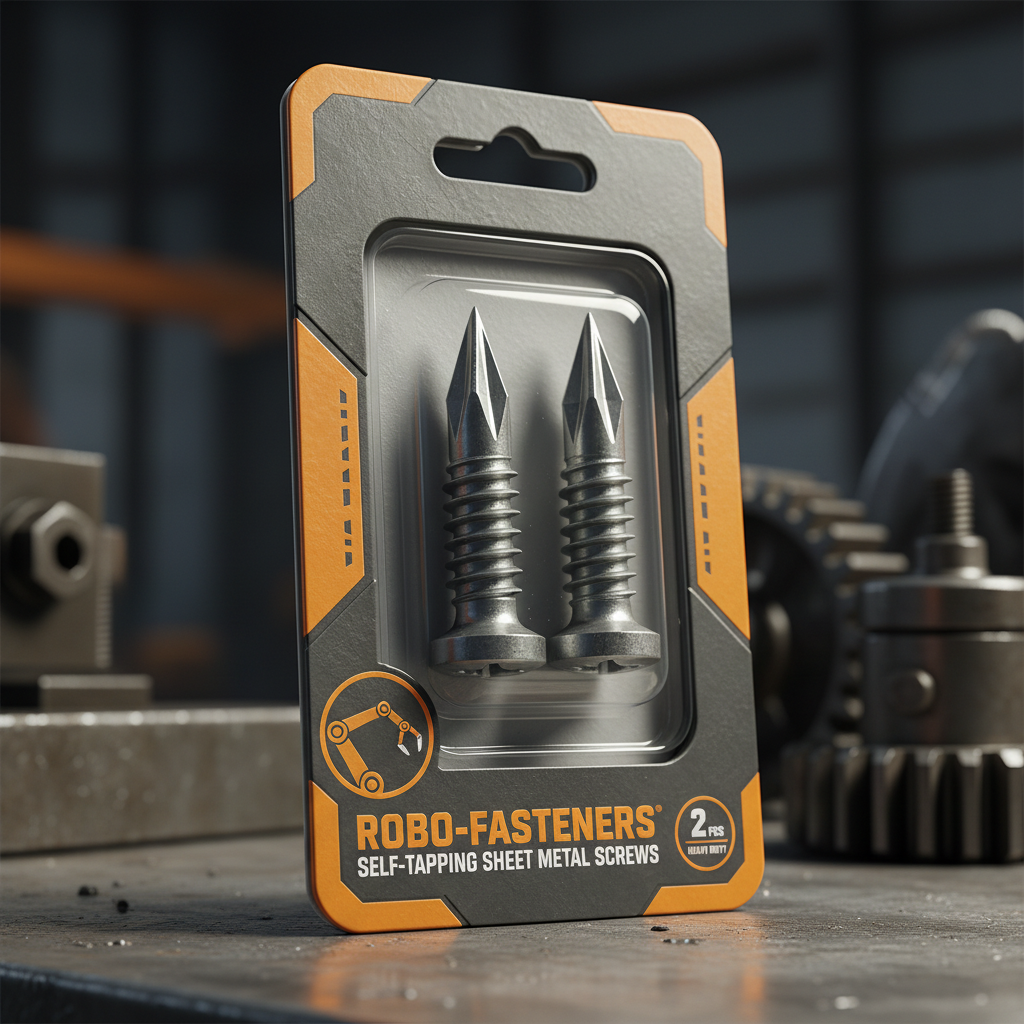
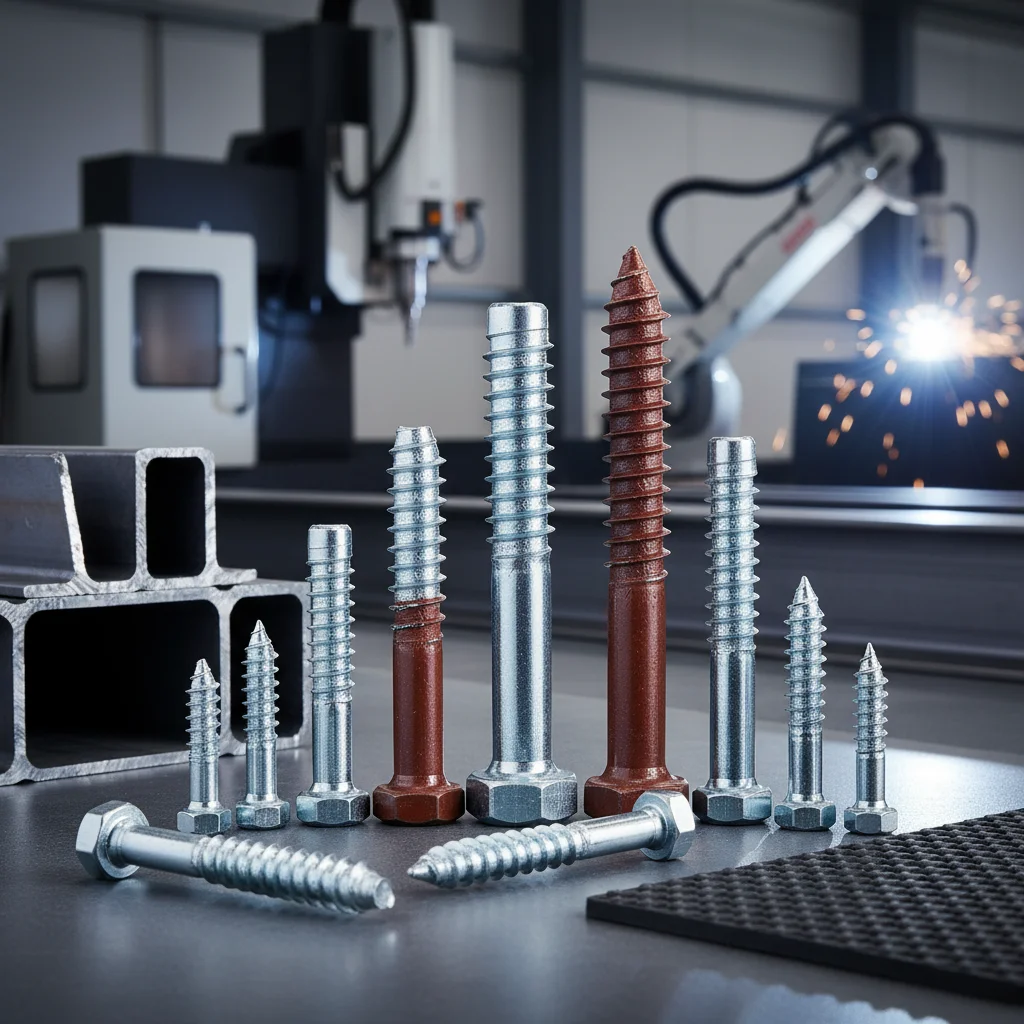
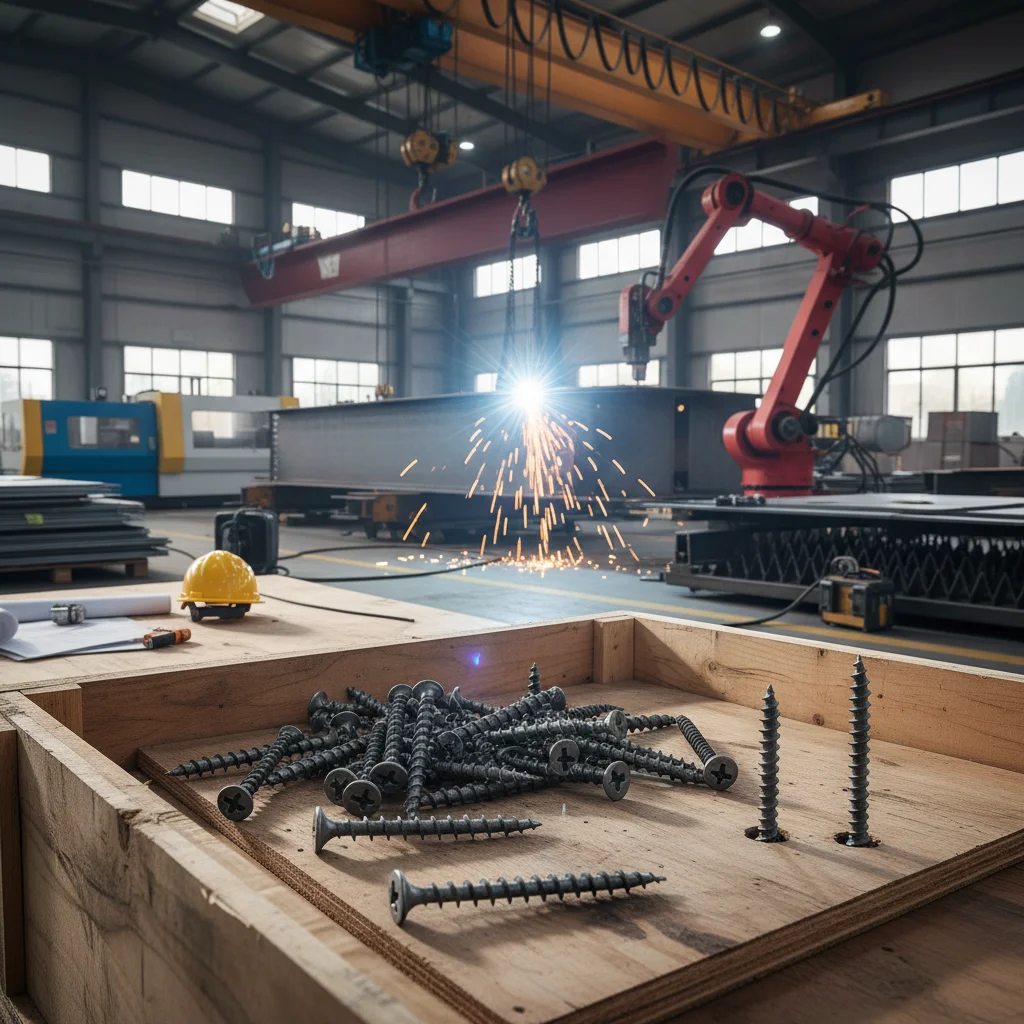
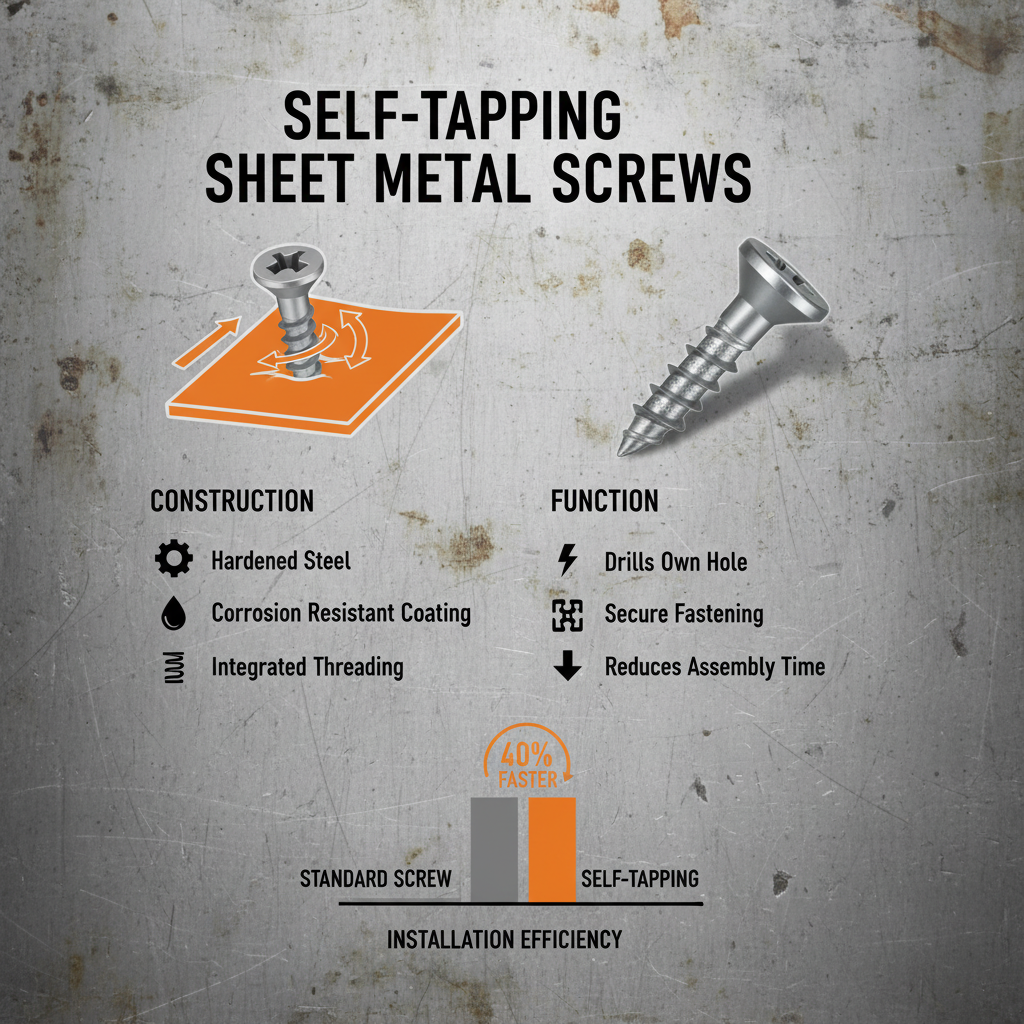
Self-tapping sheet metal screws are designed to create their own threads as they are driven into a material. The "2" designation generally refers to the screw's point style – specifically, a Type 2 point. This type of point is designed for thinner gauge sheet metal and provides a fast and efficient fastening solution. They eliminate the need for pre-drilled holes in many applications, saving time and labor. These screws are commonly used in a variety of industries, including HVAC, automotive, construction, and electronics. They are ideal for joining sheet metal to other sheet metal or to other materials like plastic or wood.
Key Benefit: The ability to create their own threads means a faster, more efficient, and cost-effective installation process. Eliminating pre-drilling saves valuable time and resources.
The Type 2 point on these screws is a key feature contributing to their efficiency. It features a sharp, gimlet-style point that quickly penetrates the sheet metal. This design minimizes the torque required for installation, reducing the risk of stripping the screw or damaging the material. Type 2 points are best suited for materials up to about 1/8 inch (3.175 mm) thick. For thicker materials, other point types may be more appropriate. Proper selection of the point style ensures a secure and reliable connection.
Type 2 Point Benefits:
• Fast penetration into sheet metal
• Low torque requirement
• Suitable for thin gauge materials
• Reduced risk of stripping or damage
Self-tapping screws are available in various materials, each offering different levels of strength, corrosion resistance, and cost. Common materials include carbon steel, stainless steel, and aluminum. Carbon steel is the most affordable option and is suitable for indoor applications where corrosion isn't a concern. Stainless steel provides excellent corrosion resistance, making it ideal for outdoor or harsh environments. Aluminum screws are lightweight and offer good corrosion resistance, but they are generally less strong than steel options. Selecting the correct material ensures the longevity and reliability of your assembly. Lianshiwjnail offers a wide selection of materials to suit your specific needs.
These screws find application in diverse fields. In the HVAC industry, they’re used for securing ductwork and panels. The automotive industry utilizes them for assembling body panels and interior components. Construction projects employ them for attaching sheet metal roofing, siding, and flashing. Electronics manufacturing relies on them for securing components within enclosures. Their versatility makes them a go-to fastener for countless applications where speed and reliability are paramount.
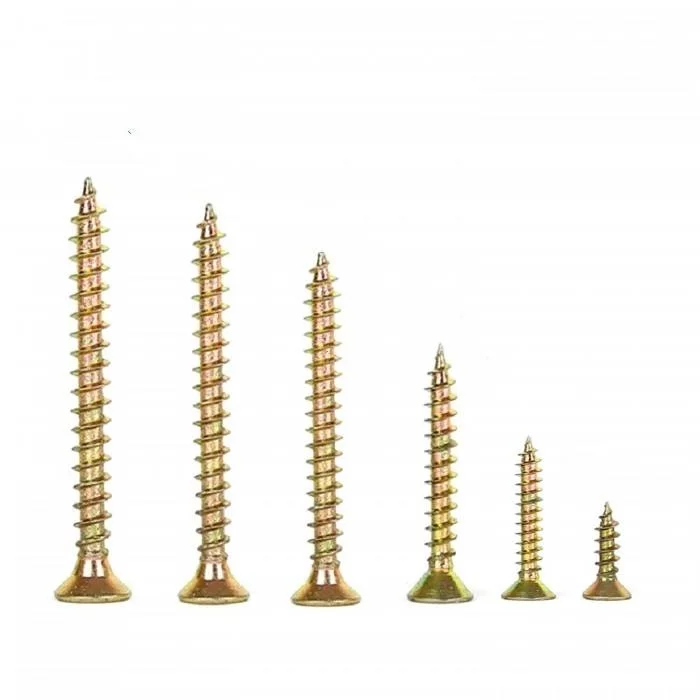
Choosing the correct size and length is critical for a successful installation. The screw length should be sufficient to penetrate the sheet metal and engage enough threads for a secure hold. Generally, the screw length should be at least 1.5 times the thickness of the materials being joined. The screw diameter should be appropriate for the gauge of the sheet metal – larger diameters provide greater strength, but can also increase the risk of stripping. Refer to sizing charts or consult with a fastener expert to ensure you select the optimal size and length for your application.
The 2 self tapping sheet metal screw is a valuable tool for professionals and DIY enthusiasts alike. Its efficiency, versatility, and ease of use make it an excellent choice for a wide range of sheet metal applications. By understanding the different types, materials, and sizing considerations, you can ensure a secure, reliable, and long-lasting assembly. Invest in quality screws from a trusted supplier like Lianshiwjnail for optimal performance.
The primary difference lies in the point's aggressiveness. Type 1 points have a sharper, drill-like point designed for thinner materials. They require less torque but are more prone to walking or stripping in thicker materials. Type 2 points, as discussed, are more versatile and better suited for slightly thicker gauges, offering a good balance between penetration and thread-forming ability. Choosing the right type depends on the material thickness and desired fastening speed.
Yes, you can, but it’s important to select a screw designed for aluminum. These screws typically have a modified thread pattern and point geometry to prevent galling and thread stripping. Using a standard steel self-tapping screw in aluminum can lead to seizing and damage to both the screw and the aluminum material. Consider using aluminum-specific screws or screws with a special coating for optimal results.
To prevent stripping, use the correct driver bit size and type. Apply consistent, moderate pressure while driving the screw, avoiding excessive force. Using a drill with adjustable clutch settings can help prevent over-tightening. A pilot hole, even a small one, can also assist in guiding the screw and reducing the risk of stripping, especially in harder materials. Ensure the screw is started straight before applying full torque.
Store self-tapping screws in a dry, climate-controlled environment. If storing carbon steel screws, consider applying a light coat of oil to prevent rust. Keep them in airtight containers or bags to protect them from moisture and humidity. Avoid storing them in areas prone to temperature fluctuations or exposure to corrosive substances.
JOIN OUR NEWSLETTER


If you are interested in our products, you can choose to leave your information here, and we will be in touch with you shortly.