
Hit enter to search or ESC to close
Dec 9, 2025


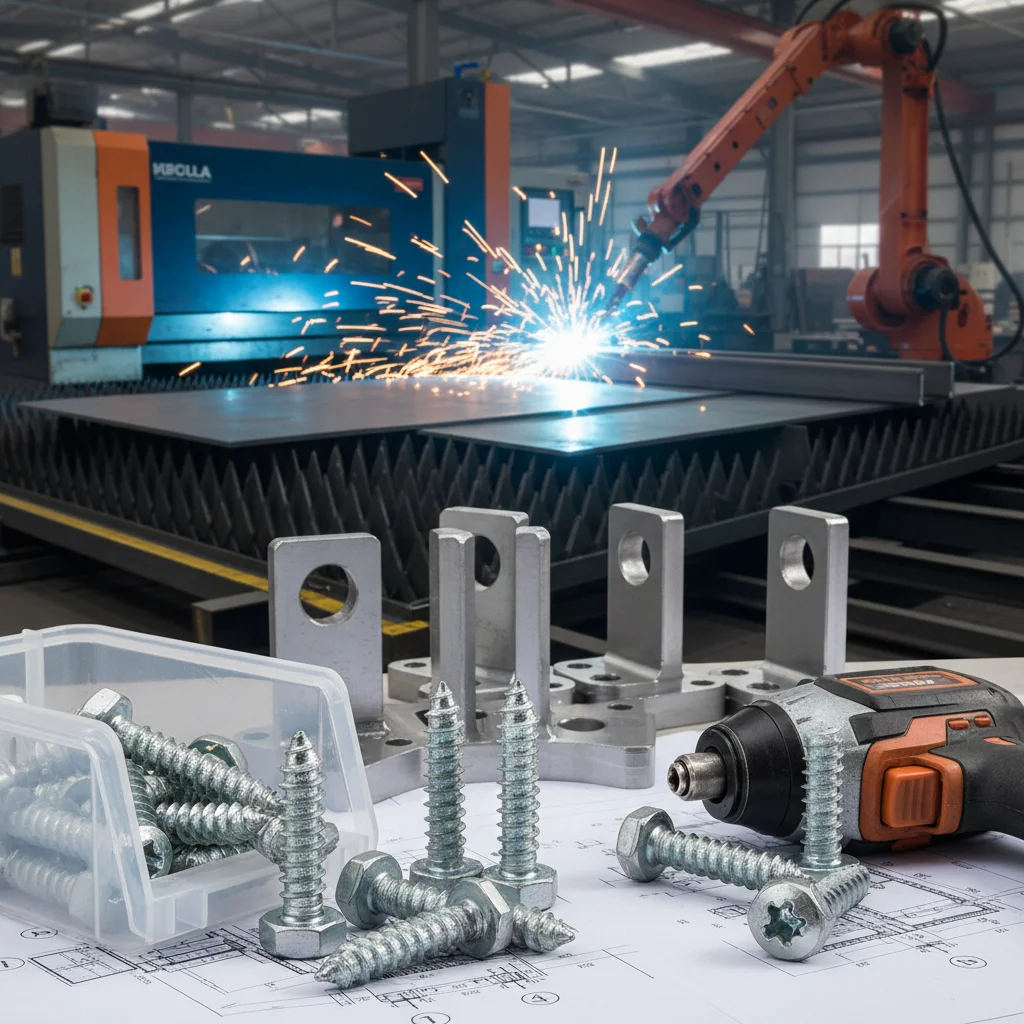
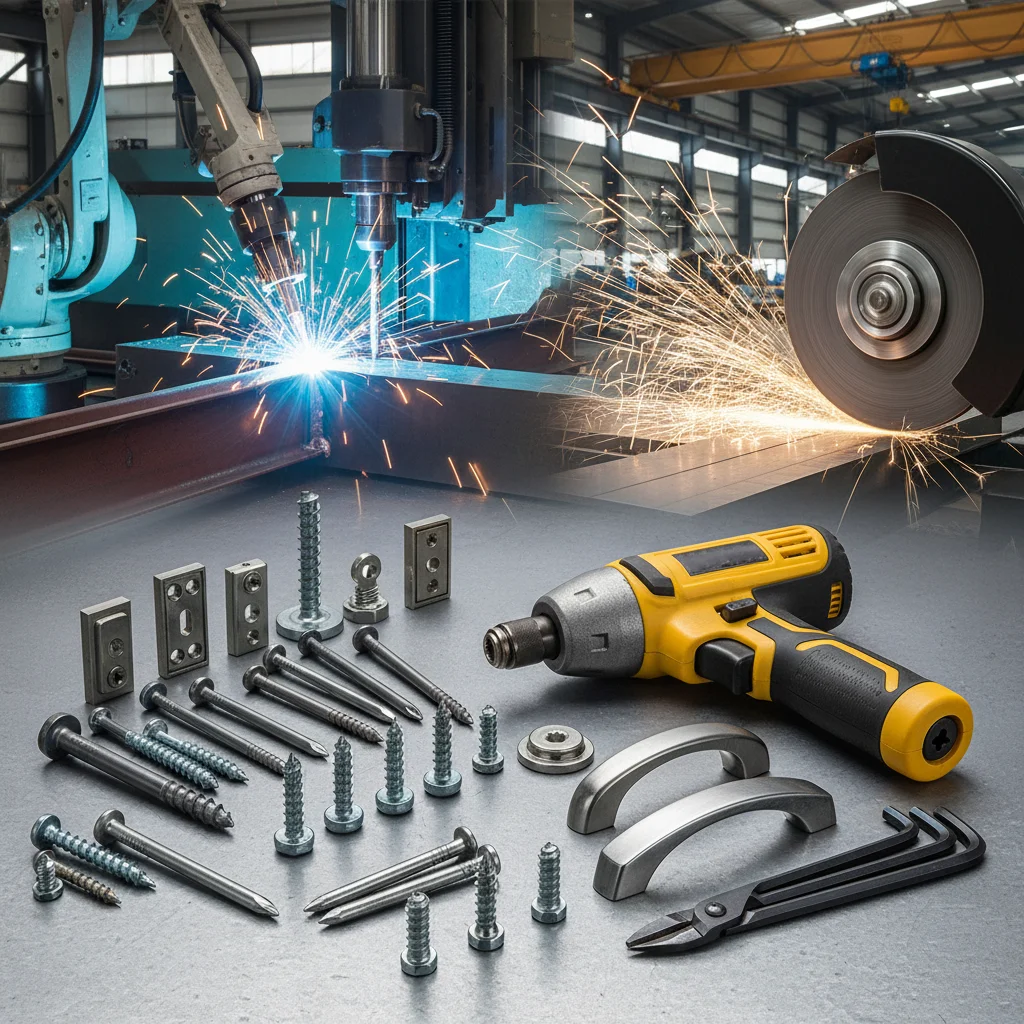
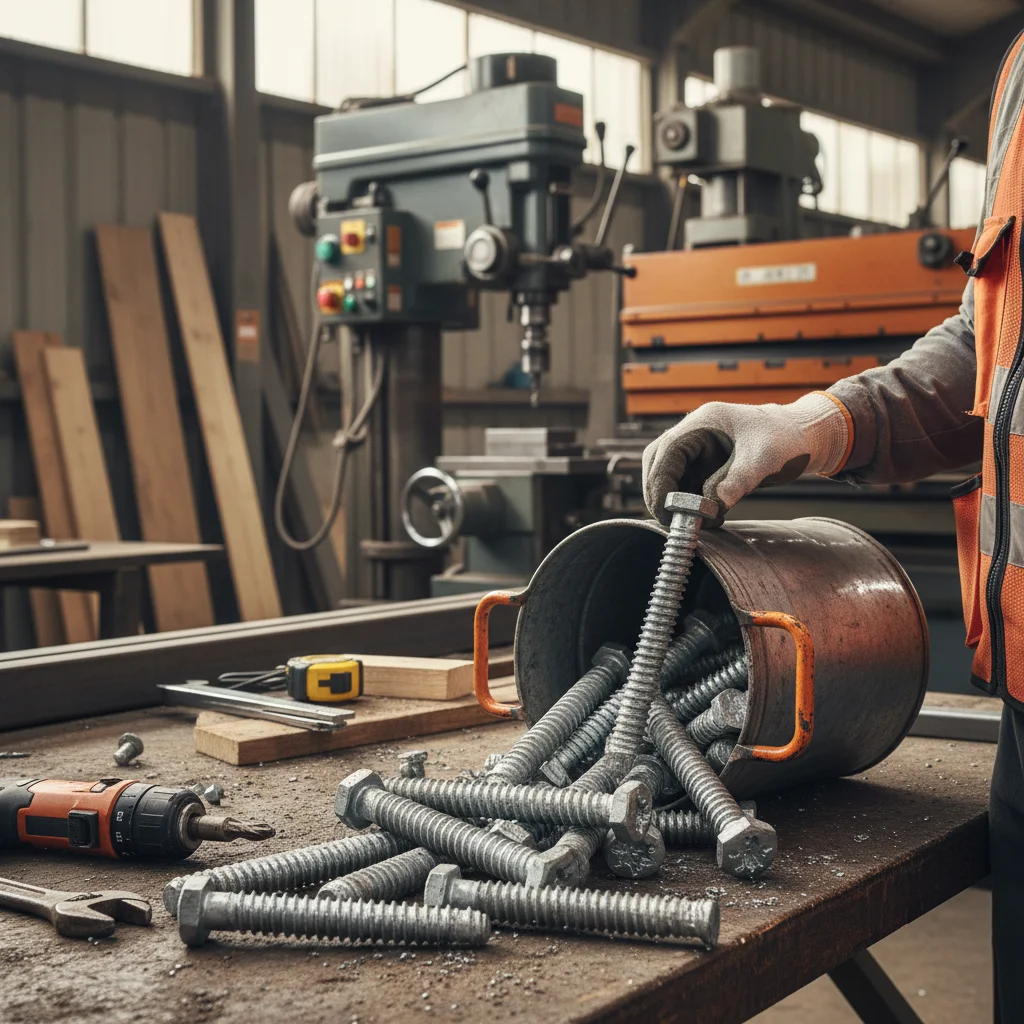
Having spent quite a few years working in the industrial equipment sector, I’ve come to appreciate the humble 1/4 hex head self tapping screws more than most. Sure, they’re small components, but these fasteners are often the unsung heroes holding entire assemblies together. Honestly, when you’re on the floor, dealing with heavy machinery or intricate metal frameworks, you need fasteners that are both strong and versatile — and these screws check those boxes.
In real terms, self tapping screws with a 1/4-inch hex head provide the torque you need without needing extra nuts or washers, which saves time and hassle on the line. The hex head design makes it easy to apply power tools, speeding up assembly — something my teams always appreciated during tight deadlines.
Oddly enough, many engineers I've worked with often mention that despite advances in fastener technology, the simple self tapping screw remains a staple, largely because of its adaptability. You can use them on metal, plastic, and wood substrates, which, depending on your project, is a real bonus.
Most of the 1/4 hex head self tapping screws I’ve handled are crafted from high-grade carbon steel or stainless steel, sometimes zinc-plated for corrosion resistance. I recall a particular job in a coastal facility where corrosion was a constant nemesis; switching to stainless steel fasteners cut maintenance complaints significantly.
Also, many suppliers run rigorous quality control, including tensile strength and thread forming tests, to ensure each batch meets specification. Given how crucial these fasteners are, that quality assurance step cannot be underestimated.
| Feature | Specification |
|---|---|
| Head Type | 1/4" Hex Head |
| Material | Carbon Steel / Stainless Steel / Zinc-plated |
| Thread Type | Self Tapping, Thread cutting or Forming variants |
| Length Range | 0.5" to 3" (Custom lengths often available) |
| Drive Type | Hex, compatible with impact wrenches |
| Finish | Plain, Zinc, or Black Oxide |
Choosing a vendor for these screws isn't just about price — I can’t stress this enough. Quality and consistency can save you headaches down the road. Here’s a quick rundown I made after working with multiple suppliers:
| Vendor | Material Options | Custom Lengths | Pricing | Lead Times | Quality Control |
|---|---|---|---|---|---|
| Lianshiwjnail | Carbon Steel, Stainless Steel, Zinc | Yes, on request | Competitive | Usually 1–2 weeks | Comprehensive testing & inspection |
| Vendor B | Carbon Steel only | Limited | Mid-range | 2–4 weeks | Random inspection |
| Vendor C | Stainless Steel only | Yes | Higher-end | 3+ weeks | ISO Certified QA processes |
On one occasion, a customer needed a batch of custom 1/4 hex head self tapping screws to fit a new prototype — and the turnaround was surprisingly fast thanks to the vendor’s flexibility. It felt like the difference between a minor production delay and staying on schedule. Small things really do add up.
Frankly, if you’re sourcing these screws, don’t just grab the cheapest option. Make sure your supplier understands your exact requirements, can deliver consistent quality, and offers that little bit of customization when needed. It really pays off.
All in all, while they may seem mundane, a solid 1/4 hex head self tapping screw is foundational for countless industrial applications — from machinery to structural assemblies — and picking the right one is a bit like choosing the right teammate for the job.
A good fastener makes for a good project.
JOIN OUR NEWSLETTER


If you are interested in our products, you can choose to leave your information here, and we will be in touch with you shortly.