
Hit enter to search or ESC to close
Dec 7, 2025


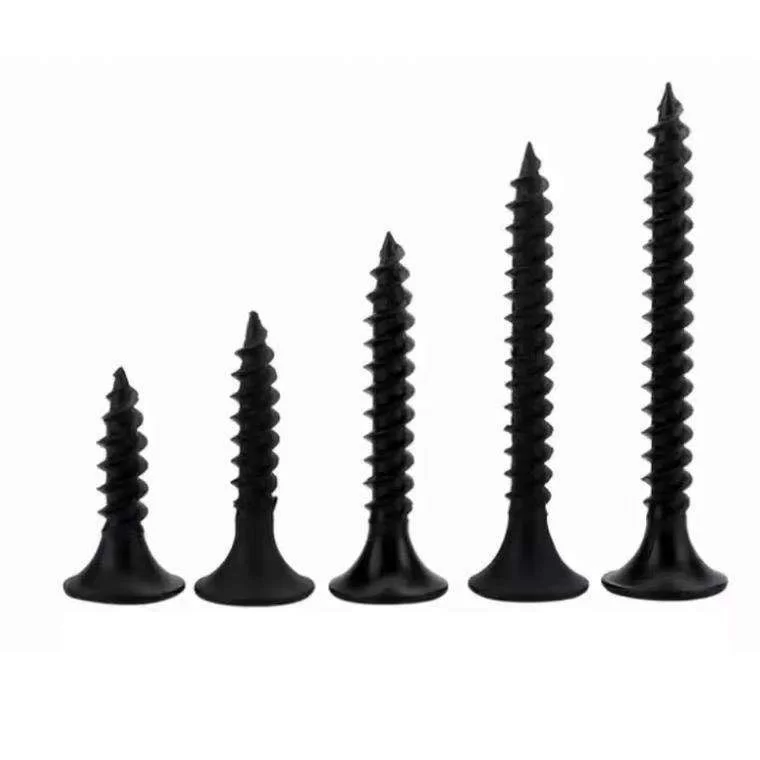
Having spent a fair number of years knee-deep in industrial equipment and construction supplies, I can tell you that the right fastening hardware often makes or breaks a project. When it comes to drywall installation, few components are as unsung – yet crucial – as the 1 1/4 self drilling drywall screws. Frankly, they're a sort of silent workhorse on job sites, and understanding their specifics, quirks, and advantages helps keep everything running smoothly.
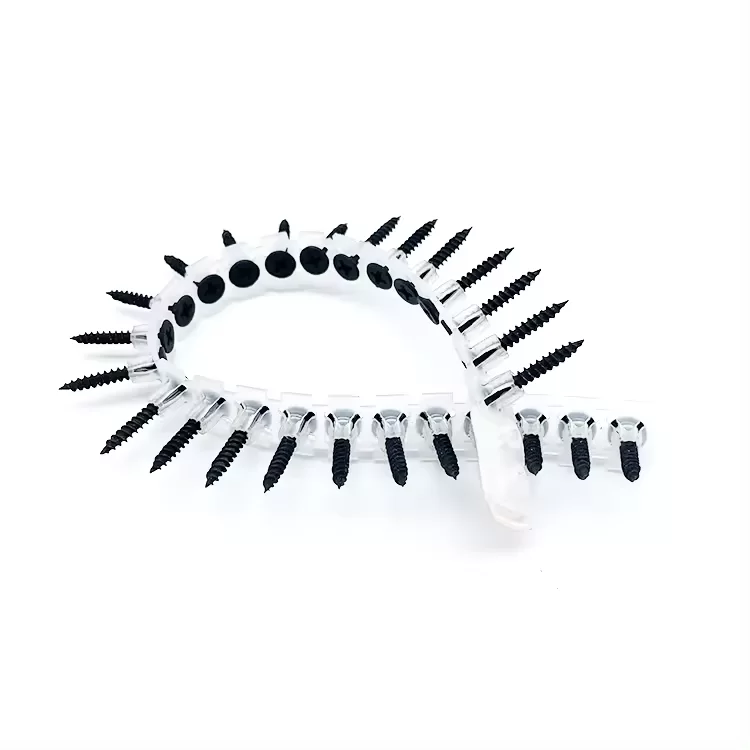
First, for those not familiar, these screws combine the driving and drilling function in one neat package. The tip of the screw acts like a drill bit, allowing you to fasten drywall directly onto metal studs without pre-drilling. It feels like a small efficiency booster, especially when you’re managing tight deadlines or cramped schedules – no stopping, no swearing over stripped bits.
One thing I always notice about good quality 1 1/4 drywall screws is how consistent their thread and shank are. It’s not just about speed but the grip and holding power. Many engineers I've spoken with underscore that the coarse threads on these screws ensure firm anchoring into drywall while minimizing surface damage and reducing the chances of pull-outs. Oddly enough, a slight change in thread pitch or head design can affect installation torque and even drywall finish quality.
Materials matter here, too. Typically, these screws come galvanized or coated to resist corrosion—a must-have if you’re working in damp or exterior-adjacent environments. Rust is the enemy, as anyone who's swapped out corroded fasteners can attest. In real terms, good coating saves maintenance headaches down the road.
What about testing, you ask? The industry generally adheres to Torque and Pullout tests, ensuring screws won’t snap or loosen under stress. While I won’t pretend to be a lab expert, I once saw firsthand during a demo exactly how coated self-drilling drywall screws held steady against vibrations where others gave up.
Customization tends to be overlooked with these little guys, but it’s an option if your project demands it – from different thread lengths to black phosphate finishes for less shimmer under jobsite lighting. You might also note that some vendors offer varying head styles like bugle or pan heads, affecting the screw’s ability to countersink neatly without tearing the drywall paper. This subtlety often makes a difference when a flawless finish is expected.
Speaking of vendors, it’s definitely worth comparing options before buying. Not all self drilling drywall screws are created equal. Let me show you a quick look at how some providers stack up:
| Feature | Standard Specs | Lianshiwjnail | Competitor A | Competitor B |
|---|---|---|---|---|
| Length | 1 1/4 inch | 1 1/4 inch | 1 1/4 inch | 1 1/4 inch |
| Material | Steel, Zinc Coated | High-Grade Steel, Zinc Coated | Steel, Phosphate Coated | Steel, Black Coated |
| Head Type | Bugle | Bugle | Pan | Bugle |
| Thread Pitch | Coarse | Coarse | Fine | Coarse |
| Pack Size | 1000 pcs | 1000 pcs | 500 pcs | 1000 pcs |
Now, just for context, here’s a typical specification snapshot for these screws:
| Specification | Details |
|---|---|
| Length | 1 1/4 inch (31mm) |
| Thread | Coarse thread for drywall grip |
| Head | Bugle head to avoid paper tearing |
| Material | Zinc-plated steel for corrosion resistance |
| Drive | Phillips or square drive for better torque control |
In an anecdote I often share, there was a project where the crew struggled initially with screws that stripped too easily or didn’t bite well into metal studs. Switching to quality 1 1/4 self drilling drywall screws made the difference — as soon as those screws hit the stud, they held firm, saving tons of rework and improving morale (which, honestly, is often overlooked!).
For anyone considering purchasing, I’d encourage checking out 1 1 4 self drilling drywall screws from reputable vendors with proven product consistency. It feels like a small thing, but I am convinced these screws help anchor quality in every drywall install.
To sum it all up — if you want speed, grip, and durability in your drywall fastening game, these screws are worth your attention. They might be tiny, but trust me, their role is big.
References:
1. Industry testing reports on self drilling fasteners
2. Manufacturer product specifications
3. On-site experience and engineering consultations
JOIN OUR NEWSLETTER


If you are interested in our products, you can choose to leave your information here, and we will be in touch with you shortly.