
Hit enter to search or ESC to close
Nov 11, 2025


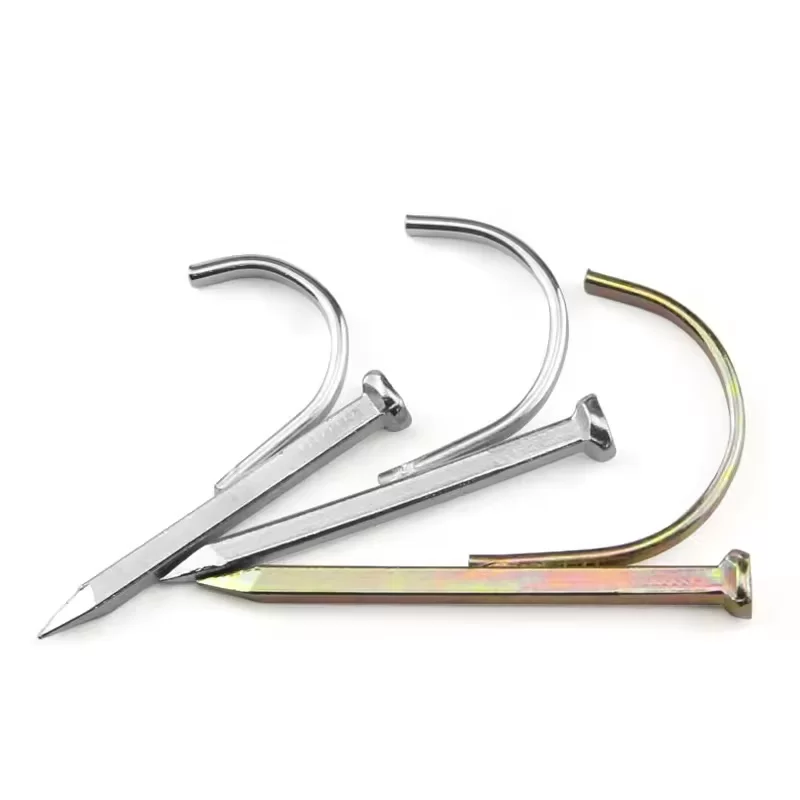
Having been around industrial equipment and construction sites for a while, I can tell you that the small things often make the biggest difference. Take, for example, zamac nail in anchors. These little workhorses have quietly earned a reputation for toughness and reliability.
Zamac, a zinc-aluminum alloy, is oddly enough perfect for this kind of application. You get a good balance of strength, corrosion resistance, and cost efficiency. Frankly, I’ve seen plenty of anchors made from pure steel or even plastic trying to do what zamac can do without complaint for years.
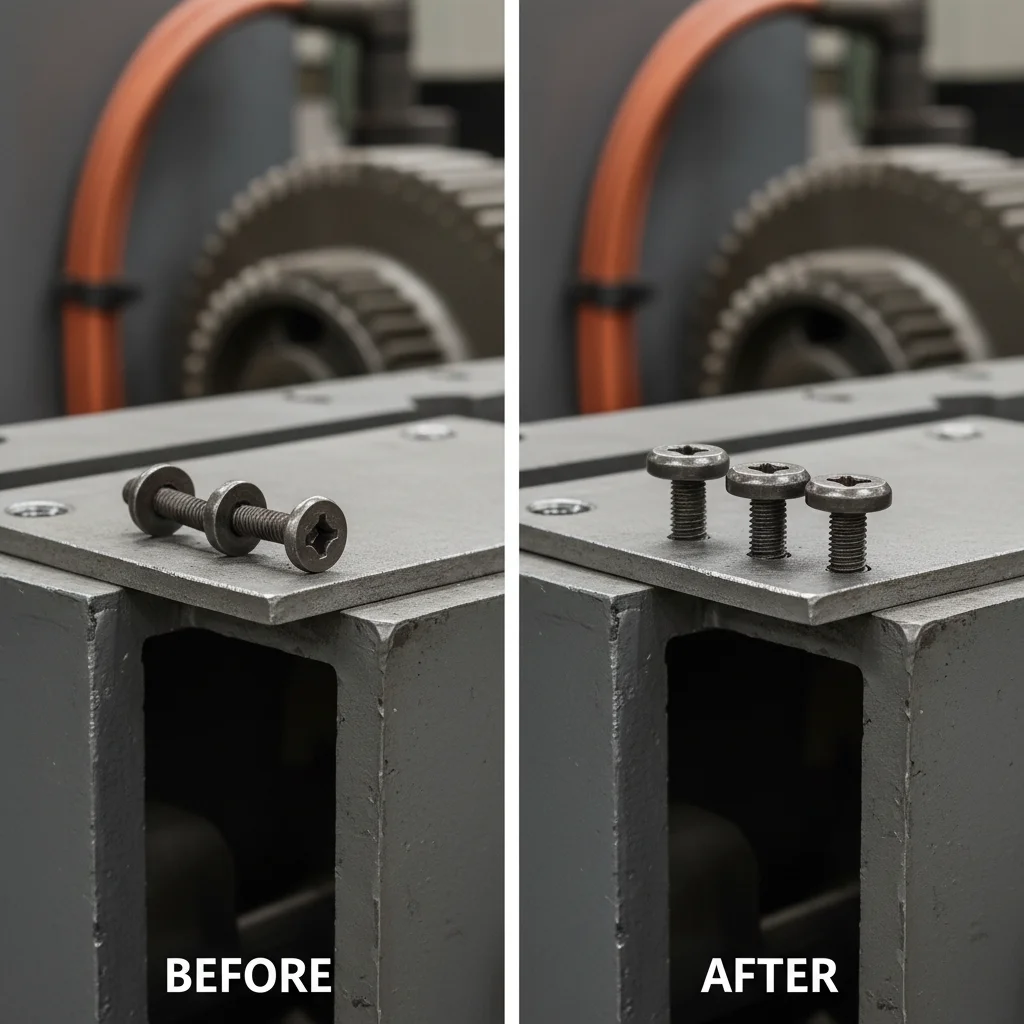
What strikes me is how these nail in anchors combine ease of installation with solid dependability. You just hammer them in, and the expansion mechanism grips tight inside the base material — usually concrete or masonry. For the uninitiated, it's sort of magic after all the fuss that goes into some heavy-duty fixings.
I dug through a couple of supplier catalogs and field manuals to pin down the specs. You’ll find that across the board, zamac nail in anchors come with similar performance ratings but vary in sizes and finish — sometimes to meet environmental needs or aesthetic requests.
| Specification | Typical Values |
|---|---|
| Material | Zamac Alloy (Zn + Al + Mg + Cu) |
| Diameter Range | 6 mm – 12 mm |
| Length Range | 30 mm – 80 mm |
| Load Capacity | Up to 3.5 kN (depending on size and base material) |
| Corrosion Resistance | Moderate (can be improved with coatings) |
| Installation | Hammer driven, no pre-setting torque needed |
Not every zamac anchor is created equal, it turns out. I've tested products from a handful of manufacturers, and the differences usually show up in build quality, finish longevity, and packaging. Here is a quick rundown I prepared after some hands-on comparisons.
| Brand | Material Quality | Finish Options | Price Range | Availability |
|---|---|---|---|---|
| Lianshiwjnail | High (Consistent Alloy Mix) | Zinc plated, Powder coated | $$ | Global |
| AnchorPro | Moderate (Some Variability) | Galvanized only | $ | Regional |
| MegaFix | High (Premium Alloy) | Nickel plated, Painted | $$$ | International |
Oddly enough, the first time I really appreciated these zamac nail in anchors was on a retrofit project in a dusty factory in Pennsylvania. We were pressed for time and had to replace old fixings in concrete walls without drilling out anchor holes. The quick hammer screw-in of these anchors meant the job was done faster than anyone anticipated. Plus, the anchors hadn’t given us any trouble after six months despite the vibrations and temperature swings.
Many engineers I chat with appreciate this blend of durability and no-nonsense installation. It’s almost like the anchors themselves don’t ask for much attention. No fuss, just work done.
If you’re in the market, definitely check out trusted brands that highlight their zamac composition and pay attention to their protective finishes. And, frankly, if you want a reliable fix that doesn’t make life harder, these anchors deserve a spot in your toolbox.
To wrap it up, these zamac nail in anchors earn their stripes by being dependable and easy. Sure, there are heavier-duty anchors for bigger jobs, but for many standard industrial applications, they hit the sweet spot. It’s these unsung heroes that keep things together quietly, efficiently — even if nobody notices unless something goes wrong.
— Written by a seasoned industrial equipment hand who’s seen it all, from factory floors to major refits.
JOIN OUR NEWSLETTER


If you are interested in our products, you can choose to leave your information here, and we will be in touch with you shortly.