
Hit enter to search or ESC to close
Nov 29, 2025


At first glance, wafer head reamer self drilling screws might sound like just another fastener in the massive sea of industrial hardware. But if you pause to consider their widespread application — from construction to manufacturing and even emergency infrastructure setups — you realize they’re a small but mighty piece in a global engineering puzzle. These screws are designed to drill and fasten in one go, reducing time, labor costs, and improving installation reliability. With infrastructure demands growing worldwide, and industries constantly seeking efficient fastening solutions, understanding these screws is more important than ever.
In the era of globalization, where supply chains can be fragile and workforces stretched thin, wafer head reamer self drilling screws offer tangible benefits for sectors ranging from building construction, renewable energy installations, to even humanitarian aid logistics. If you're involved in specifying or procuring fasteners, diving into what makes these screws tick could reshape your toolkit.
Infrastructure development is a cornerstone of global economic progress. According to the World Bank, more than $4 trillion will be invested globally in infrastructure annually through 2030. And a large chunk of that involves metal structures—think steel framing, cladding, and assembly—where reliable fasteners become critical.
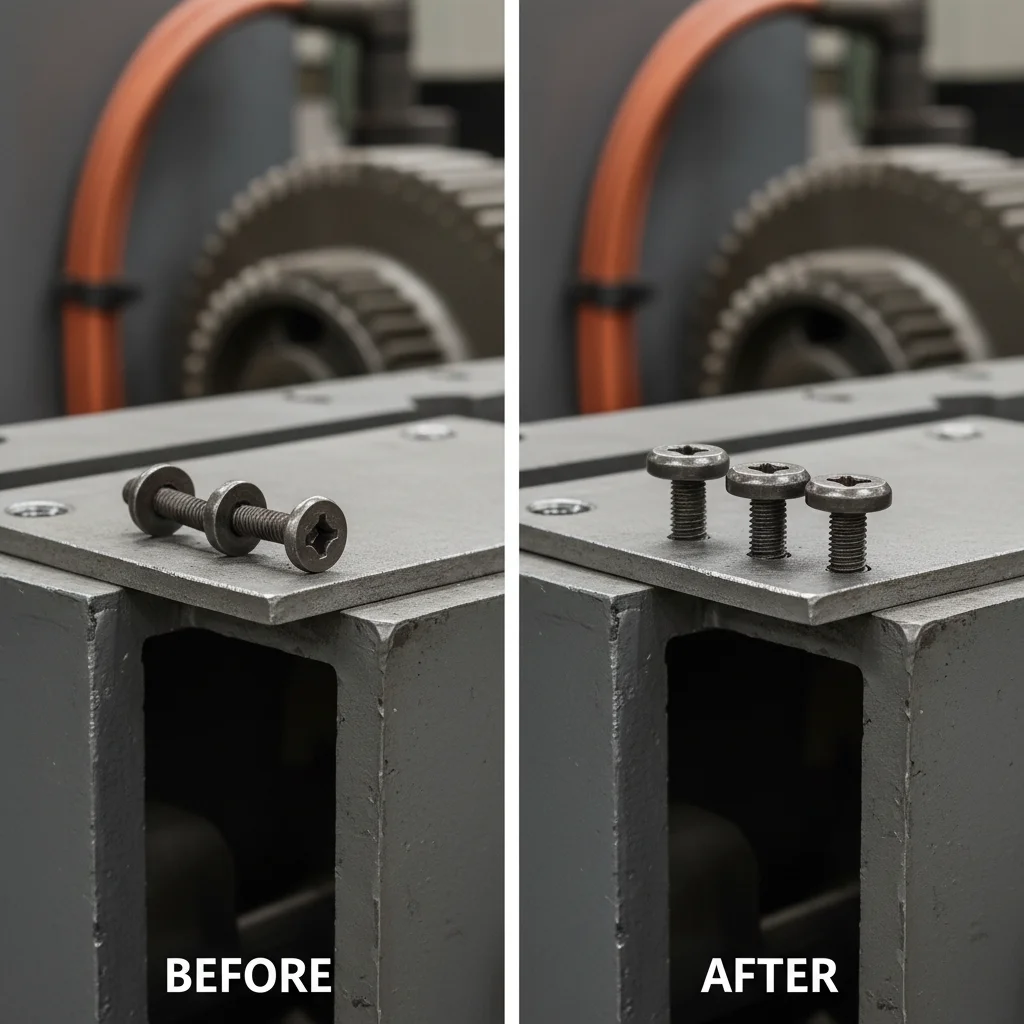
Many engineers know the struggle: traditional drilling and fastening can be tedious, especially on site where time and precision are scarce commodities. Self drilling screws with wafer heads, which create their own pilot hole and countersink in a single operation, address this problem head-on. Plus, the wafer head's low profile makes them ideal for smooth, finished surfaces.
Whether it’s the rapid setup of pre-engineered buildings in Asia’s booming urban zones or retrofitting industrial facilities across Europe, these screws are silently working away. But what exactly are they, and why should your next project consider them?
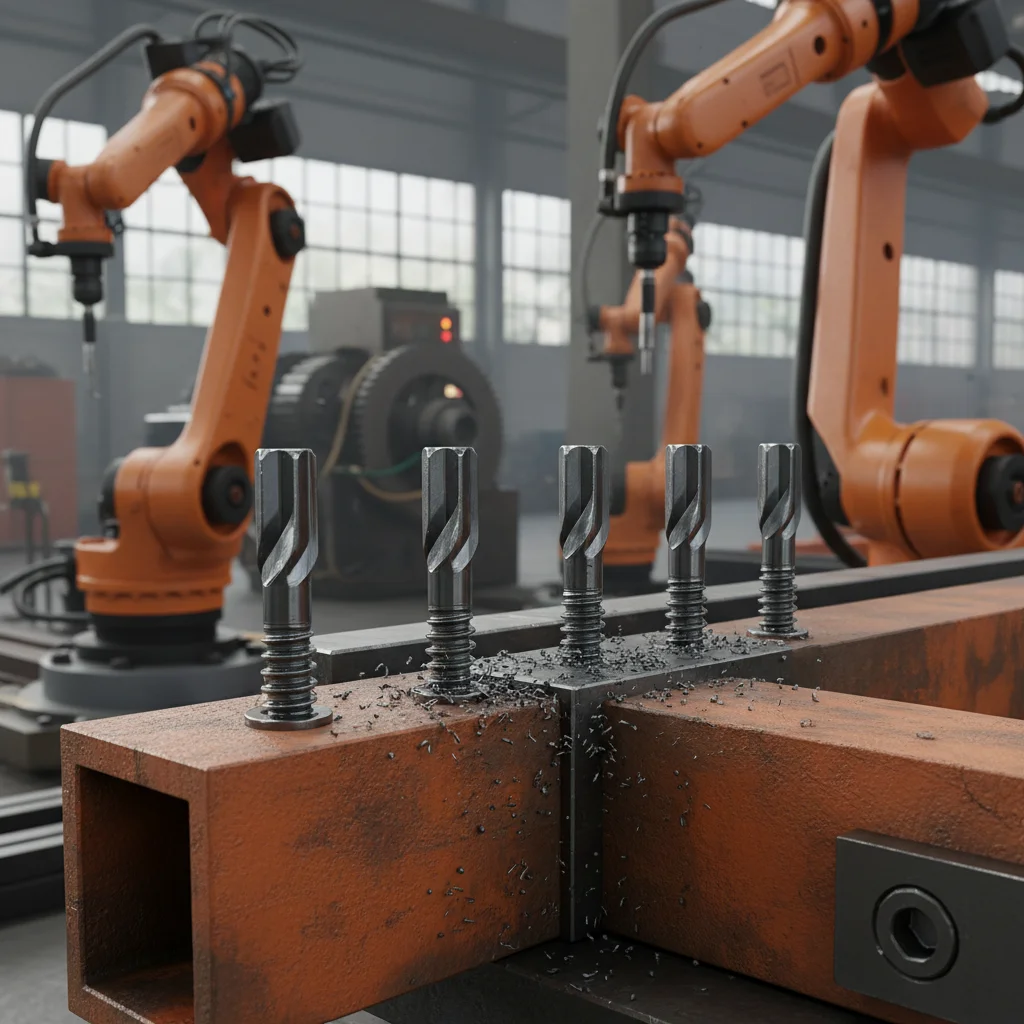
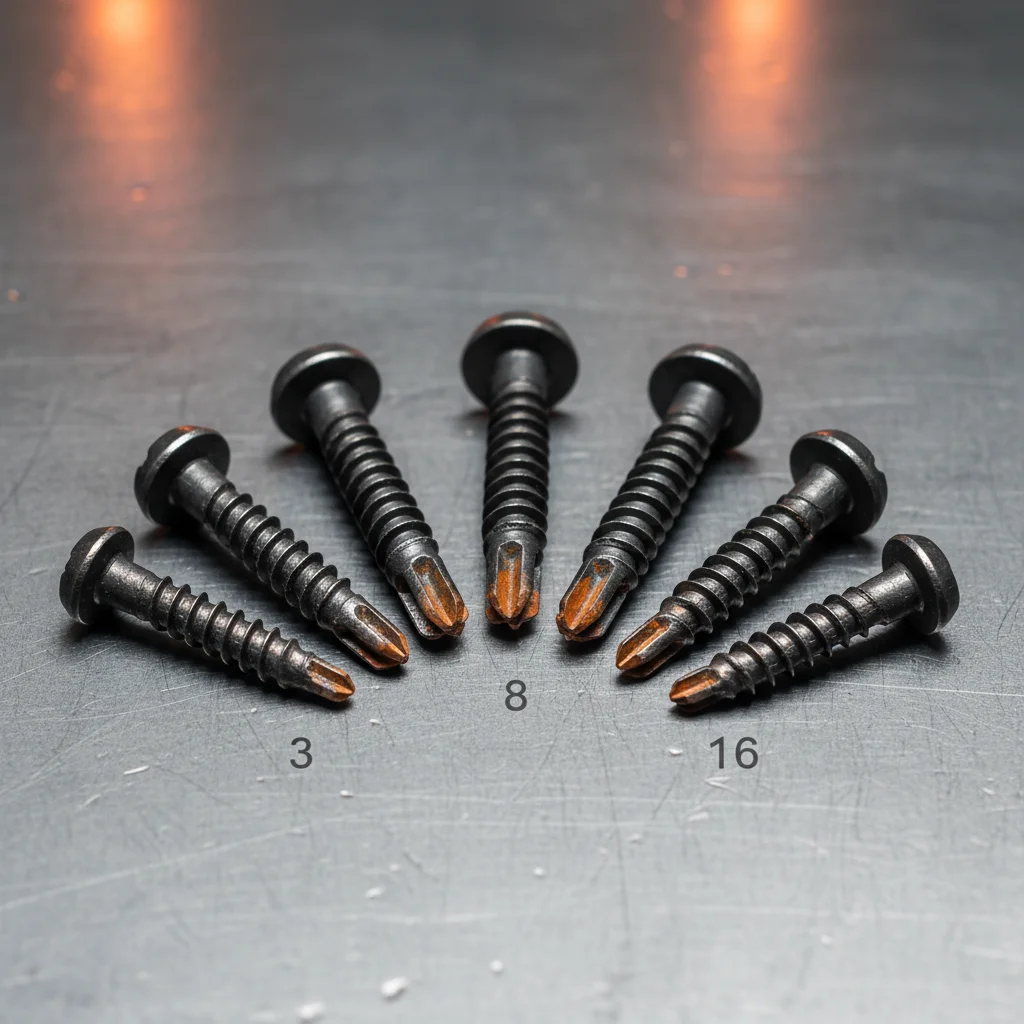
Simply put, these fasteners combine drilling, reaming, and fastening in one compact package. The “self drilling” bit means the screw has a drill-point tip, eliminating the need for pre-drilling holes. “Reamer” refers to a special cutting flute that enlarges the hole just enough for a snug fit without extra stress on the materials. Finally, the “wafer head” is a wide, flat head profile designed to hold down thin materials solidly while keeping the surface flush or near flush.
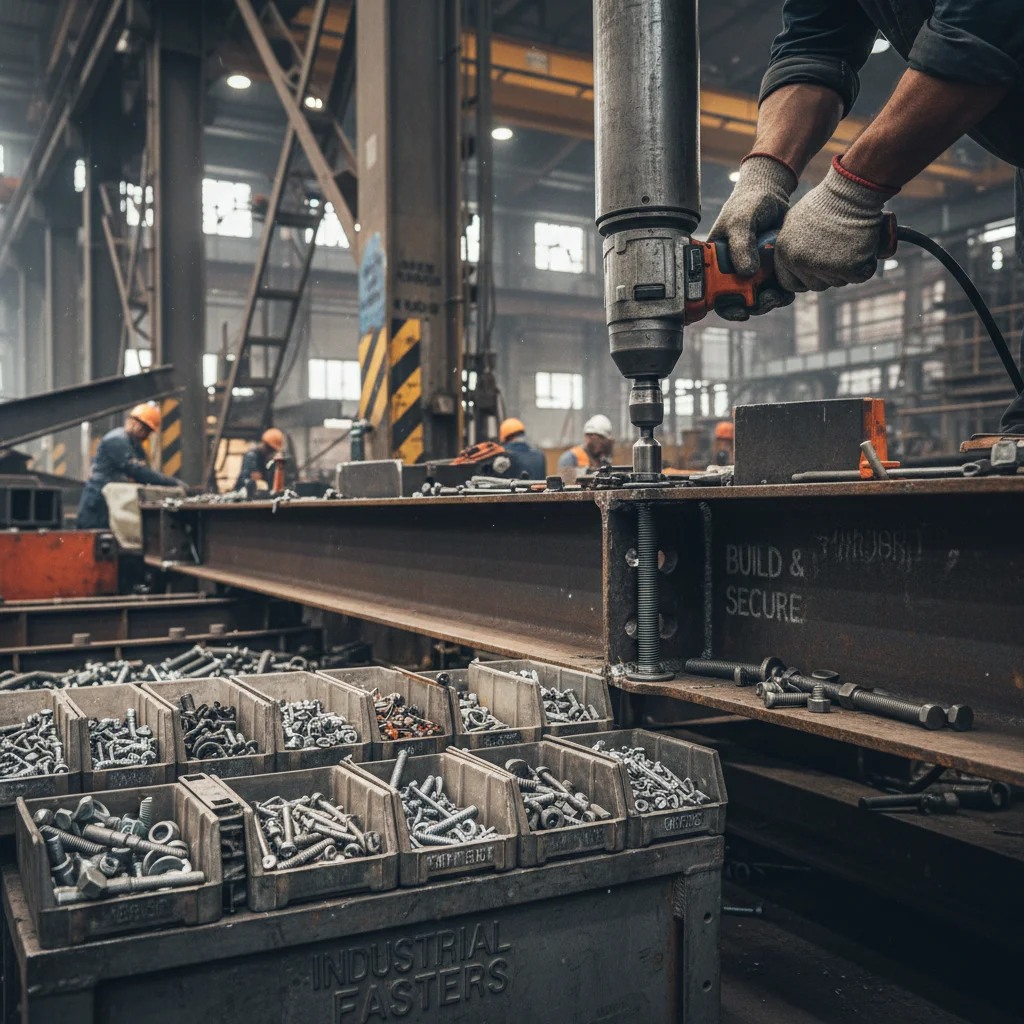
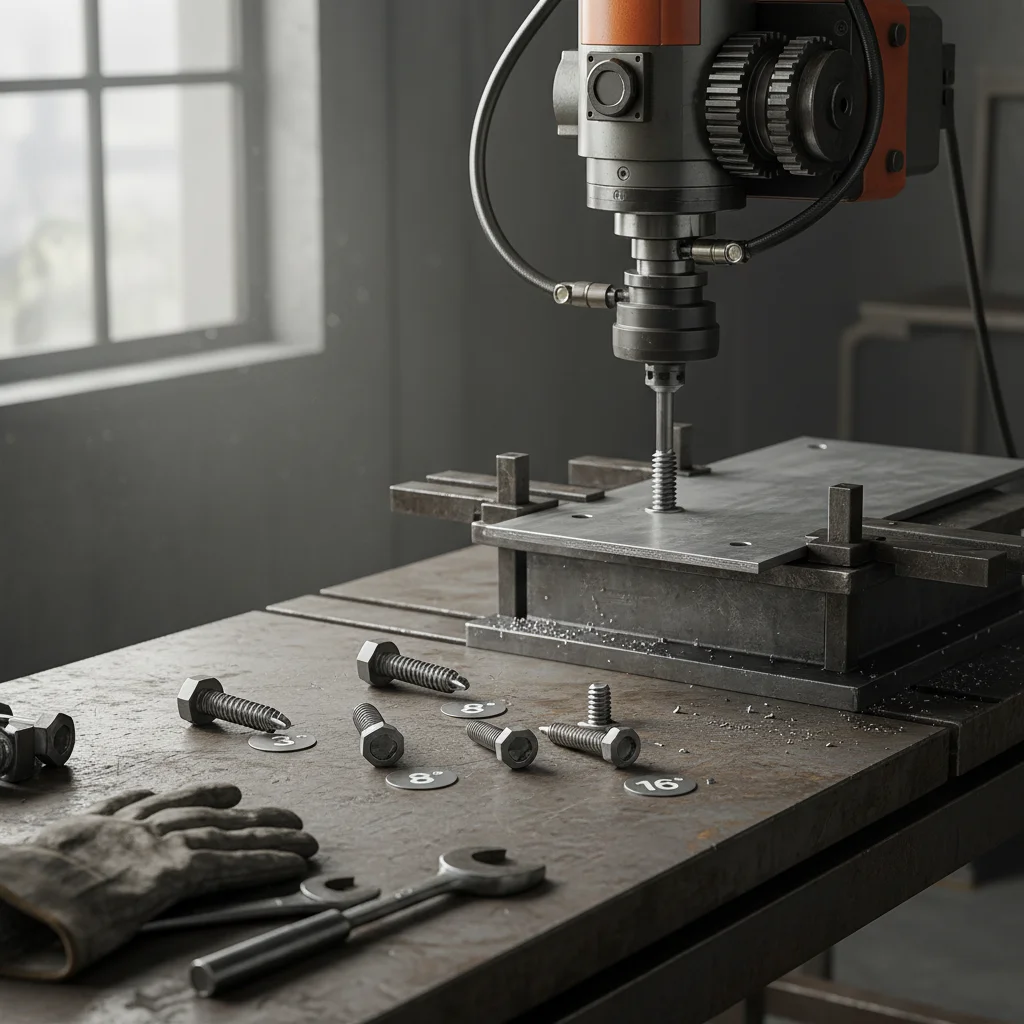
In real terms, imagine fastening lightweight steel panels to heavier steel frames for a commercial roofing system. Traditional screws might require drilling first, risking misalignment or material damage. Wafer head reamer self drilling screws mean fewer tools, fewer workers, and fewer headaches.
Most wafer head reamer self drilling screws are made from hardened steel, often with zinc or epoxy coatings to resist corrosion. This makes them reliable outdoors or in industrial environments. You know, if a screw rusts after the first rainy season, it's just a waste of time and money.
The reamer flute isn’t just a fancy detail — it enlarges the hole slightly to prevent material stress and helps the screw pull pieces tightly together. Many engineers swear by this for maintaining structural integrity over years of thermal expansion and contraction.
One-step drilling and fastening trims install times by roughly 30–50% compared to traditional two-step methods. On huge projects, that’s not just minutes saved per screw — it’s days, sometimes weeks, saved across the schedule.
The wafer head spreads the load across the material surface cleanly, minimizing the risk of deformation or pull-through on sheets as thin as 0.5 mm. It also looks tidy, which matters in visible architectural surfaces.
These screws can fasten various material combos — steel-to-steel, steel-to-wood, thin metal panels to thicker frameworks. That’s why they pop up everywhere, from factory floors to temporary disaster shelters.
| Specification | Value/Range |
|---|---|
| Screw Diameter | 4.2mm – 6.3mm |
| Length | 19mm – 76mm |
| Material | Hardened Carbon Steel, Stainless Steel Options |
| Coating | Zinc Plated, Epoxy Polyester, Galvanized |
| Drive Type | Phillips, Square (Robertson), Pozidriv |
It’s not always glamorous, but for plenty of organizations, wafer head reamer self drilling screws mean faster, safer, and more durable results. For example, in Southeast Asia’s industrial park boom, companies erecting metal warehouses rely on these screws to handle varied steel gauges without swapping out tools constantly.
Oddly enough, humanitarian orgs delivering emergency shelters have also taken to these fasteners for the simplicity and speed they offer, raising shelters in a matter of hours rather than days. Plus, the low-profile head avoids ripping thin panels when transported or handled post-installation — a small feature but one that saves a lot of replacement hassle and cost.
In the renewable energy sector, especially wind and solar farms, these screws help affix panels and mounts on steel frames quickly, keeping costly downtime at a minimum. The corrosion-resistant coatings also hold up well in exposed coastal or desert environments.
First, efficiency: fewer steps, fewer workers, less equipment. This translates directly into cost savings — both labor and materials effectively. Secondly, improved durability thanks to the reaming action means structures last longer and safer.
But beyond numbers, there’s something more. When a construction project can avoid delays and mishaps, you build trust not just with clients, but with workers who gain confidence using the right tools for the job. And there’s dignity in that, having equipment that works as smart as the people using it.
| Vendor | Material Options | Coating Types | Pricing Range | Lead Time |
|---|---|---|---|---|
| Lianshiwjnail Co. | Carbon Steel, Stainless Steel | Zinc, Epoxy Polyester | $0.05 - $0.12 / piece | 2-3 weeks |
| FastFix Solutions | Carbon Steel Only | Zinc Plated | $0.04 - $0.10 / piece | 1-2 weeks |
| ScrewTech Industries | Stainless Steel Only | Galvanized | $0.08 - $0.15 / piece | 3-4 weeks |
As sustainability becomes a louder call from clients and regulators, manufacturers of wafer head reamer self drilling screws are experimenting with eco-friendly coatings — phosphate-free, low-VOC, and even biomimetic surfaces that resist corrosion naturally.
Automation in assembly lines means screws with sensors or special drives to optimize torque, reducing over- or under-tightening risks. And with Industry 4.0, sourcing traceability is improving: knowing exactly where your fastener came from — its batch, treatment, and test records — is increasingly common and necessary.
Also, as green energy projects expand, compatible fasteners that play nicely with aluminum and composite materials are in development, broadening use cases beyond traditional steel-framed builds.
One limitation? On extremely hard or thick materials, self drilling almost always hits a limit. Sometimes a pre-drilled hole is still preferable. And corrosive environments demand higher-grade coatings or stainless steel to avoid failures.
Innovations such as hybrid drill points, nano-coatings, and tailored alloy mixes are pushing these limits upward. Long story short: the best vendors combine testing, material science, and customer feedback to improve their products continuously.
Wafer head reamer self drilling screws might not make headlines, but their impact is real — faster builds, better joints, and a tangible boost in efficiency on sites worldwide. Whether you're putting up a warehouse, a solar farm, or aid shelters in remote zones, these fasteners help get the job done smarter, not just harder.
If you’re interested in sourcing reliable, high-quality wafer head reamer self drilling screws, I highly recommend checking out wafer head reamer self drilling screws suppliers who understand the nuances of your needs.
Ultimately, investing a little time into the right self drilling fastener today pays long dividends in structural safety and project speed tomorrow.
JOIN OUR NEWSLETTER


If you are interested in our products, you can choose to leave your information here, and we will be in touch with you shortly.