
Hit enter to search or ESC to close
Nov 14, 2025


Working in industrial equipment for the better part of two decades, I’ve grown to appreciate the subtle differences in even the tiniest components — especially self drilling screws. These little guys might not get the spotlight often, but trust me, picking the right screw head type can save you headaches on site. If you’ve ever had to scramble because a screw just wouldn’t fit your driver or couldn't fasten your material securely, you know exactly what I mean.
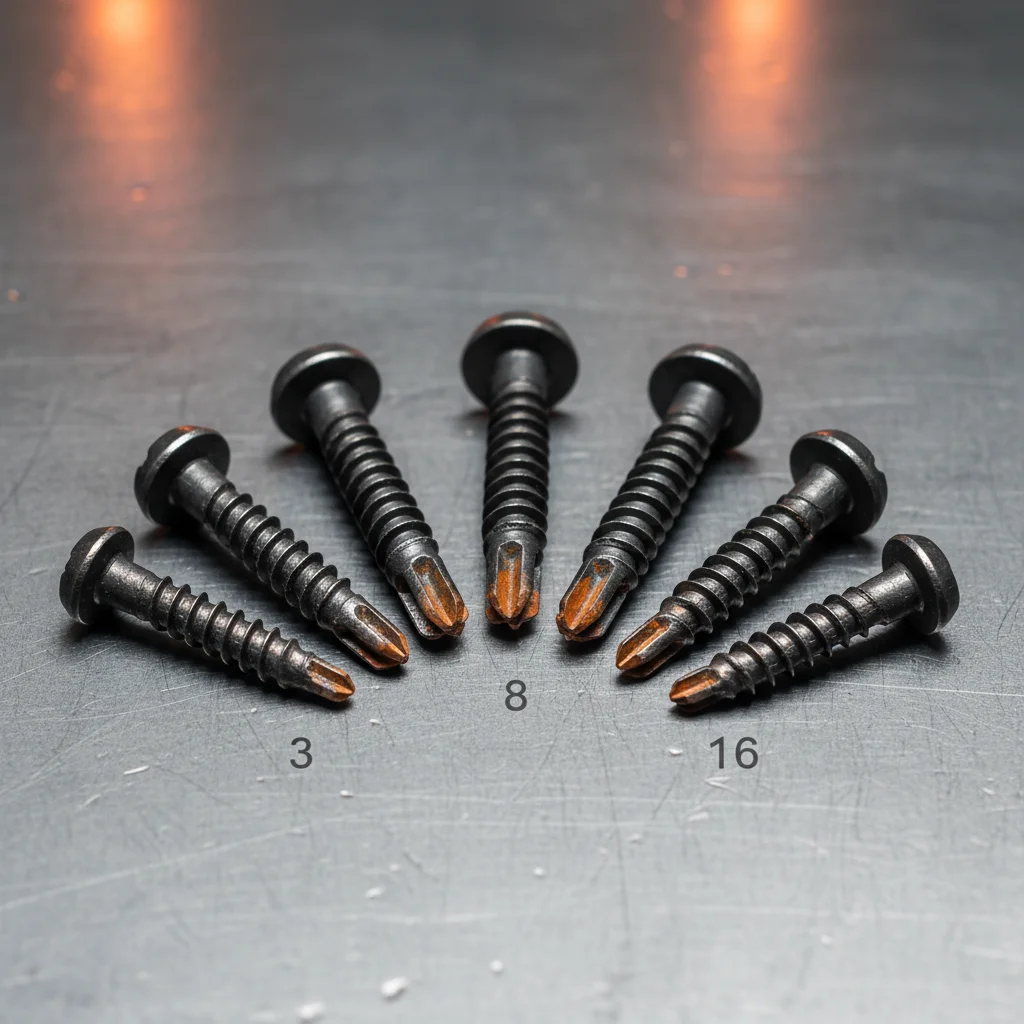
Self drilling screws are a staple in metal construction, HVAC installations, and all sorts of sheet metal work. What really sets them apart is the variety of heads they come with, each suited to different tasks and tools.
The head type is more than just aesthetics. It determines the ease of installation, the strength of the joint, and the compatibility with screwdrivers or drills. Jumping in with the wrong screw head can strip your fastener or even damage the material — which is the exact opposite of what you want when you’re racing deadlines.
Oddly enough, in some projects, the chosen head affects the torque you can apply. For instance, a hex washer head will generally allow for higher torque compared to a pan head, which is important when fastening thicker metals.
Let’s quickly run through the popular types I often specify on job sheets:
In real terms, I tend to recommend the hex washer head for structural use because the washer spread reduces the chance of pull-through, especially when riveting sheet metal to steel frames. Flat heads are great if the screw needs to sit flush or you want to cover the head with sealant or paint afterward.
| Head Type | Drive Type | Material | Typical Use | Torque Range (Nm) |
|---|---|---|---|---|
| Hex Washer | Hex Socket | Stainless Steel, Carbon Steel | Steel framing, HVAC | 5 - 12 |
| Pan Head | Phillips or Pozidriv | Carbon Steel | Light assembly, thin gauge metals | 3 - 7 |
| Flat Head | Phillips | Stainless Steel, Zinc Plated | Flush mounts, sheet metal finishing | 4 - 9 |
If you’re anything like me, cost always clashes with quality in your head during procurement. I’ve seen cut-rate screws fail mid-job with torn heads or stripped drives. Not good.
Here’s a quick comparison from experience and a bit of research:
| Vendor | Material Quality | Variety of Head Types | Lead Times | Price Range |
|---|---|---|---|---|
| Lianshi | High grade carbon & stainless | Extensive; hex, pan, flat, button | 1-2 weeks | Mid-range |
| Vendor B | Standard carbon steel | Mostly pan & flat | 2-3 weeks | Low-end |
| Vendor C | Varies, often imported | Full range | 3-4 weeks | Premium |
From personal experience, suppliers like Lianshi (which you can find more about here) offer a nice balance of quality and variety, particularly for self drilling screw head types. Engineers I’ve worked with often mention their consistent quality, which feels like a godsend when you need reliability on tight timelines.
A little anecdote for you: Once, on a project involving custom HVAC ducts, switching to hex washer heads instead of standard pan headed screws made the installation noticeably sturdier. The forces were distributed better, and fewer screws backed out during stress tests. It was the kind of subtle difference that pays off big time down the line.
In the world of fastening, every detail counts and the head type of a self drilling screw is no exception. Choosing wisely can improve installation speed, joint strength, and overall project success. So next time you’re ordering screws or planning a job, take a moment to reflect on the head — it’s a small part with a surprisingly big impact.
Wondering which type fits your needs best? Start from the project demands, materials, and tools at hand, then match the screw head accordingly. And there’s always more to learn — I keep a mental note of nuances after every site visit.
Hope this gives you a clearer picture, and feel free to browse around devices that focus on quality. There’s plenty out there, but finding the right one kind of feels like uncovering a hidden gem.
JOIN OUR NEWSLETTER


If you are interested in our products, you can choose to leave your information here, and we will be in touch with you shortly.