
Hit enter to search or ESC to close
Dec 2, 2025


You might be surprised how much engineering and design goes into something as humble as a screw — especially self tapping screws. Globally, these little heroes hold together complex machines, buildings, even critical infrastructure. Knowing about the types of self tapping screws helps manufacturers, engineers, and even humanitarian workers pick the right fastener for the job, reducing delays, costs, and failures.
The world is in a constant state of construction and repair. According to the International Standards Organization (ISO), billions of self tapping screws are produced annually, reflecting their huge industrial importance. From remote wind turbines to emergency shelters in disaster zones, the choice of screw can literally mean the difference between safety and risk. The types of self tapping screws landscape connects practical engineering with global development goals, sustainability efforts, and more.
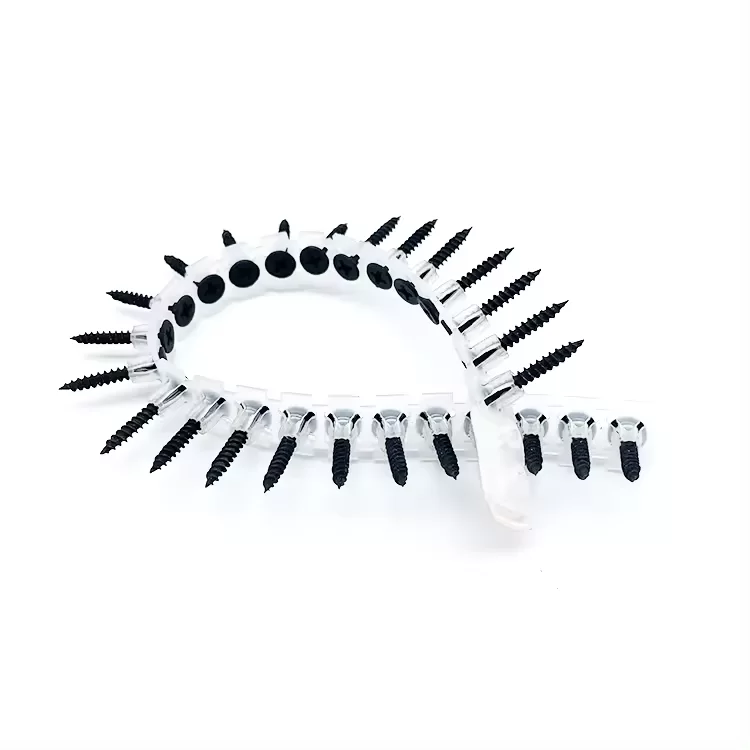
So, what exactly are self tapping screws? Simply put, they’re fasteners designed to cut their own thread as they’re driven into a material. This eliminates the need for pre-drilled holes in many cases — a huge time saver. They come in a variety of shapes, materials, and thread designs, each suited for specific surfaces like metal, plastic, or wood.
Their importance isn't limited to factory settings. Think about how they simplify assembly for NGOs setting up rapid housing or medical facilities — their ease and reliability mean vital structures go up faster, safer.
Stainless steel, carbon steel with zinc plating, or even specialized coatings like PTFE all impact corrosion resistance and durability. For outdoor or marine environments, corrosion resistance is king — while indoor assembly might prioritize cost-effectiveness.
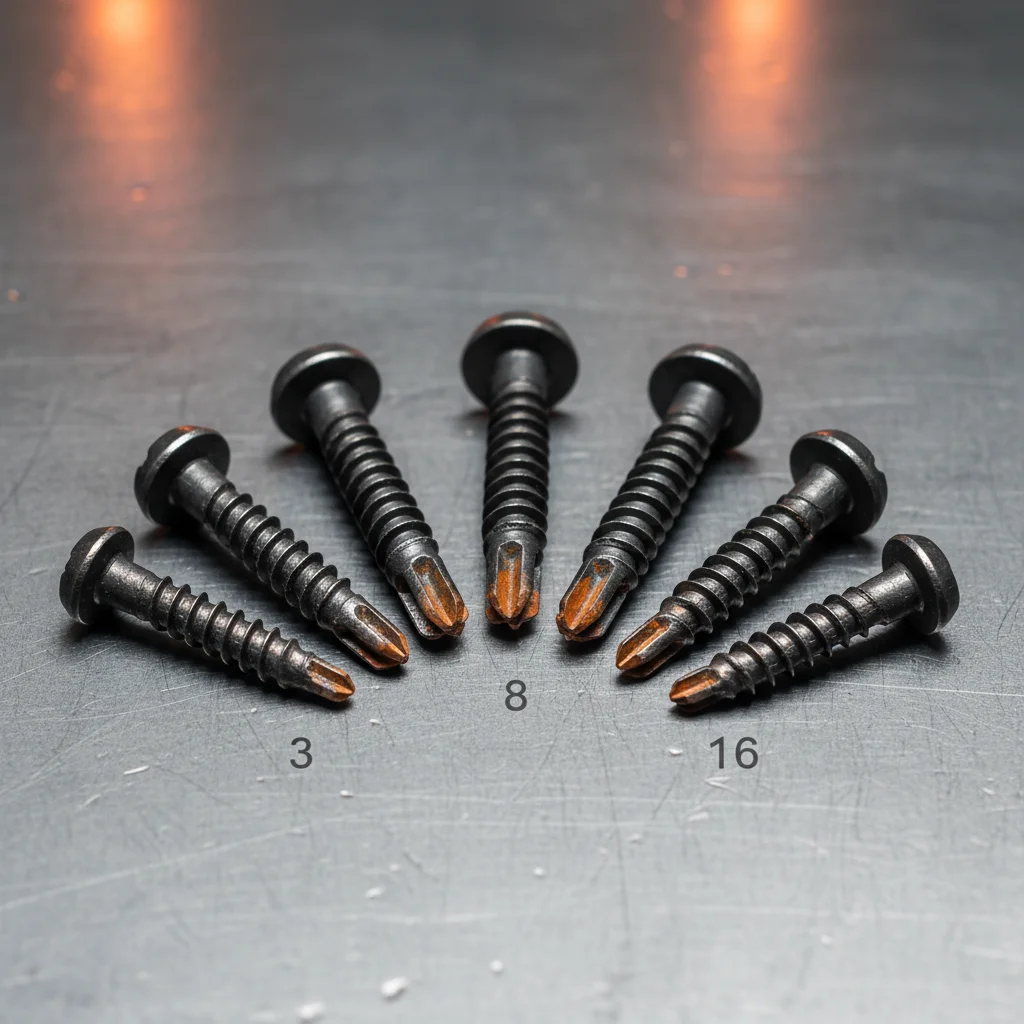
Coarse threads work better for soft materials like wood or plastic, while fine threads are designed to hold in dense metals. Some screws have a cutting flute or notch to remove material while threading, which improves fastening quality.
Pozidriv, Phillips, hex, and Torx heads are common. Each head type corresponds to specific torque applications and tools — overtightening can strip a fastener, but the right match improves longevity and ease of maintenance.
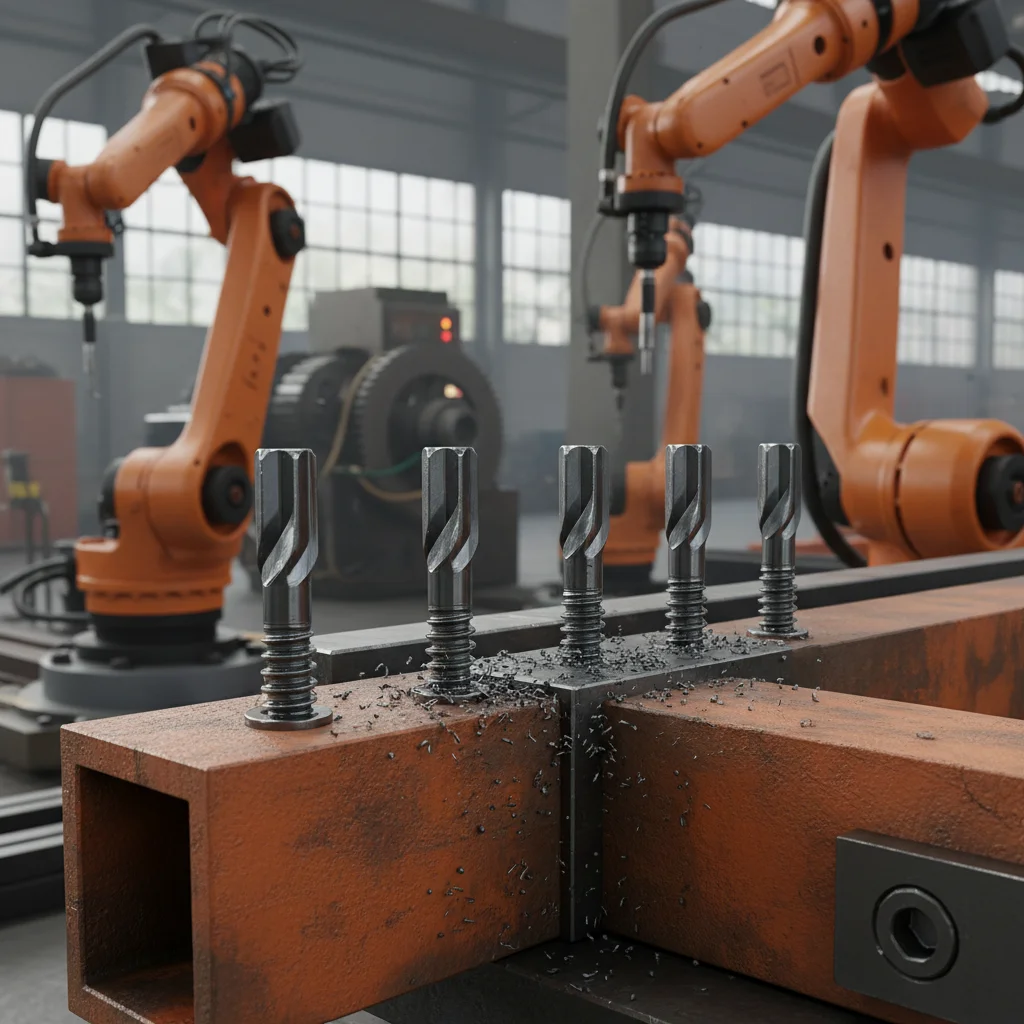
Sharp points easily penetrate thin metal sheets, while blunt points might be better where materials shouldn't be pierced deeply. Some self tapping screws have drill-tip points, meaning they can drill through metal without a pilot hole.
Picking the right self tapping screw involves considering the full context — material, environment, and tooling all play critical roles.
In North America and Europe, self tapping screws are staples in automotive assembly lines, aerospace manufacturing, and consumer electronics — industries where precision and reliability are non-negotiable. Meanwhile, in Asia's booming construction sectors, their use in rapid housing and renewable energy projects is climbing fast.
Oddly enough, in humanitarian efforts like rebuilding after typhoons or earthquakes, self tapping screws reduce dependency on heavy machinery by speeding up manual assembly. Agencies such as the UN and Red Cross rely on such fasteners to erect temporary clinics and shelters quickly and safely.
The future of self tapping screws is fascinating. We’re seeing a wave of innovation in materials, such as biodegradable coatings or composites that reduce weight without sacrificing strength. Digital manufacturing techniques allow for tailored thread patterns optimized by computer simulations — increasing holding power while reducing material use.
Automation also plays a part, with smart torque drivers that prevent over or under tightening and embedded sensors to monitor fastening integrity in real-time. With sustainability high on the global agenda, expect more eco-conscious production and recyclable fastener designs.
That said, challenges remain. Over-tightening, incompatible materials, or inappropriate screw types lead to failures or corrosion. Field engineers often struggle with inconsistent supply or counterfeit products. Solutions include better training, rigorous quality standards certified by bodies like ISO, and vendor transparency.
| Specification | Description | Typical Use Case |
|---|---|---|
| Material | Stainless Steel, Carbon Steel, Zinc-coated | Outdoor marine, indoor electronics, general construction |
| Thread Type | Coarse, Fine, Self Drilling | Wood/plastic, metal sheet fastening, assembly line |
| Head Design | Phillips, Pozidriv, Hex, Torx | Different torque requirements and tool preferences |
| Point Style | Self Drilling, Sharp, Blunt | Metal, wood, or plastic penetration |
| Vendor | Product Variety | Quality Certifications | Global Reach | Pricing |
|---|---|---|---|---|
| FastenPro | Extensive (over 200 types) | ISO 9001, RoHS | North America, Europe | Mid-range |
| ScrewMasters Ltd. | Moderate (100+ types) | ISO 14001, ISO 9001 | Asia, Australia | Affordable |
| GlobalFast | Specialized (high strength alloys) | ISO 45001, IATF 16949 | Worldwide | Premium |
A1: Stainless steel and zinc-coated carbon steel screws provide excellent resistance to corrosion, making them ideal choices for outdoor environments. Their coatings help prevent rust, especially in humid or marine areas. However, always consider the specific environmental conditions and exposure levels to select the optimal finish.
A2: Generally, reusing self tapping screws isn’t recommended because the threads created in the materials may be damaged or loosened after removal, reducing holding strength. For critical applications, always use new screws to ensure safety and stability.
A3: Coarse thread screws are better for soft or fibrous materials like wood and plastic because they grip more securely. Fine thread screws suit hard materials, such as metals, providing tighter engagement and better resistance to vibration.
A4: Not always. Some self tapping screws have drill-point tips that allow them to cut their own hole in thin metals without pre-drilling. Others need a pilot hole depending on material thickness and hardness. It’s best to check manufacturer recommendations for each screw type.
A5: Partnering with certified vendors who comply with ISO and environmental standards ensures quality. Many international suppliers maintain global operations and provide full documentation. Also, request samples to validate quality before bulk purchase.
Understanding the various types of self tapping screws unlocks better decision-making across industries — from construction and manufacturing to disaster relief. The right screw simplifies assembly, enhances durability, and supports sustainability goals. Whether it’s a fine threaded screw anchoring a solar panel in Europe or a rapid-deployment shelter in Asia, these small components exemplify big impact.
Curious to explore further? Visit our website: https://www.lianshiwjnail.com for detailed product guides and latest innovations in self tapping screws.
Sometimes the smallest parts hold the biggest stories — I noticed that throughout my years in the industry.
JOIN OUR NEWSLETTER


If you are interested in our products, you can choose to leave your information here, and we will be in touch with you shortly.