
Hit enter to search or ESC to close
Nov 29, 2025


At first glance, it might seem like just another fastener, but timber to steel self drilling screws are quietly transforming the way construction, manufacturing, and even humanitarian projects connect wood and metal. Globally, these screws help bridge vastly different materials—soft timber and tough steel—without needing pre-drilled holes or extra anchors. The result? Faster, more secure builds that stand up to the test of time and weather.
In a world that’s urbanizing fast, where sustainable building and rapid disaster relief often collide, understanding the nuts and bolts—quite literally—of such a product makes a surprising amount of sense. These screws offer efficiency, durability, and flexibility that few other connectors can match.
Industries worldwide are buzzing about rapid construction and sustainable materials integration, but connecting timber and steel has been tricky. The World Bank reports that construction growth in developing countries has increased nearly 5% year-on-year for the last decade, with infrastructure demands rising sharply.
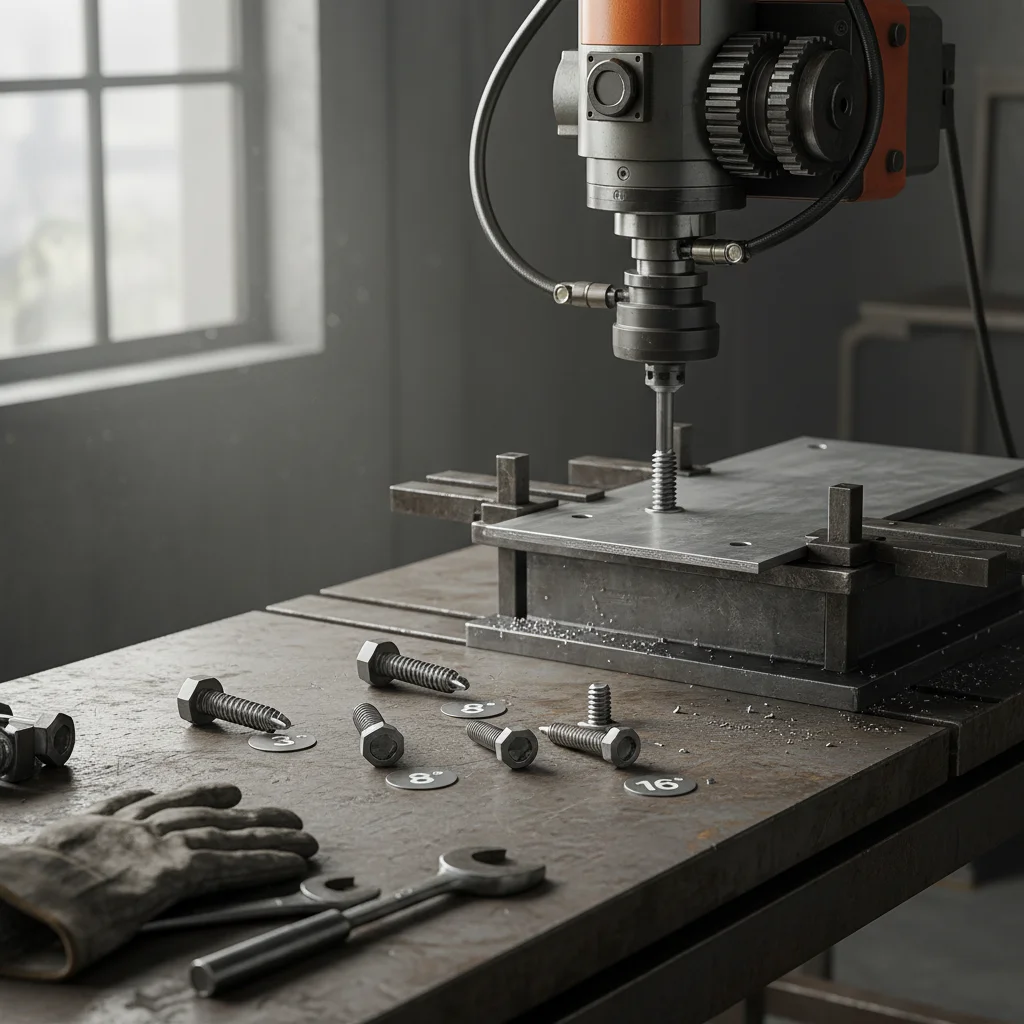
Yet, the challenge has been: how to join wood and steel reliably, quickly, and cost-effectively? Traditional bolts or nails require pre-drilled holes or extra fittings, which slow down labor and add costs. Timber to steel self drilling screws answer these problems by combining drilling, tapping, and fastening all into one step.
This small innovation touches big issues like housing shortages, modular building manufacturing, and even humanitarian shelters. In the face of climate change and natural disasters, the ability to erect sturdy buildings on short notice is arguably more urgent than ever.
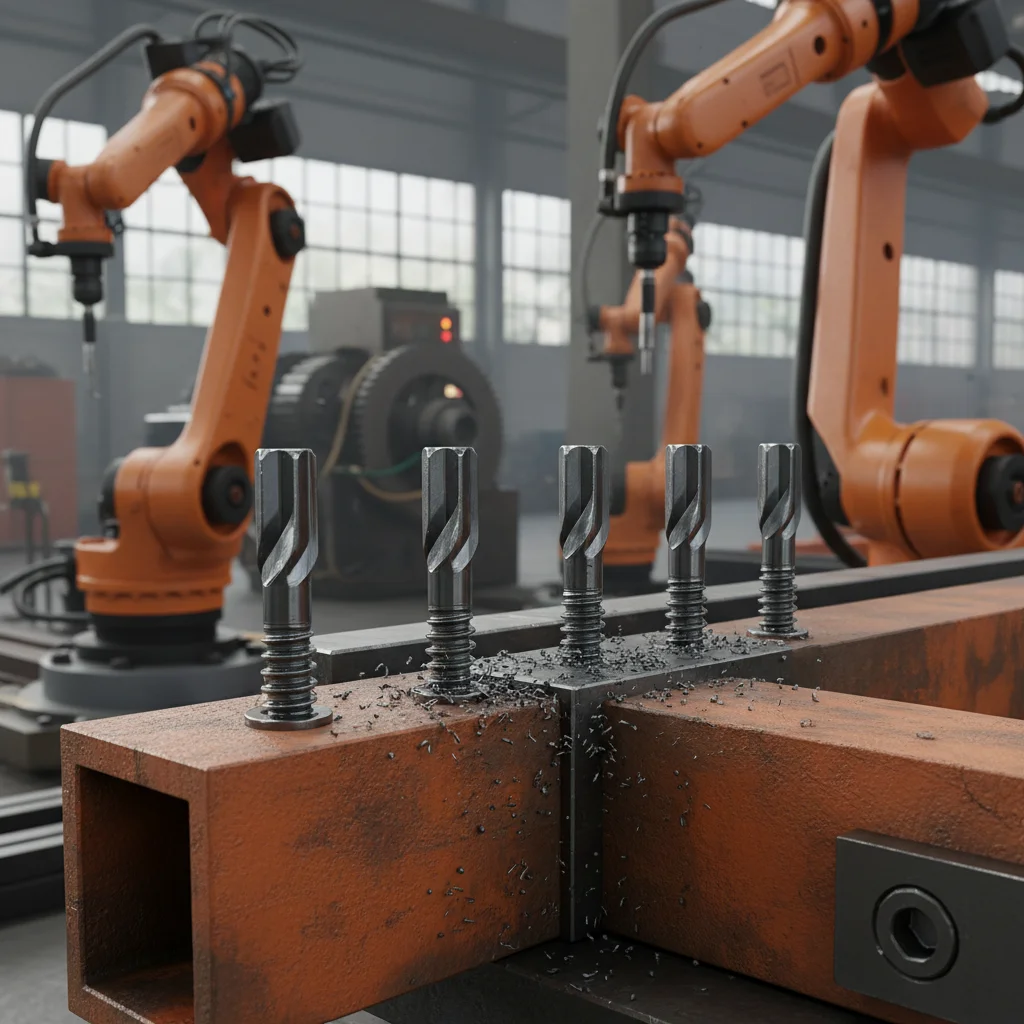
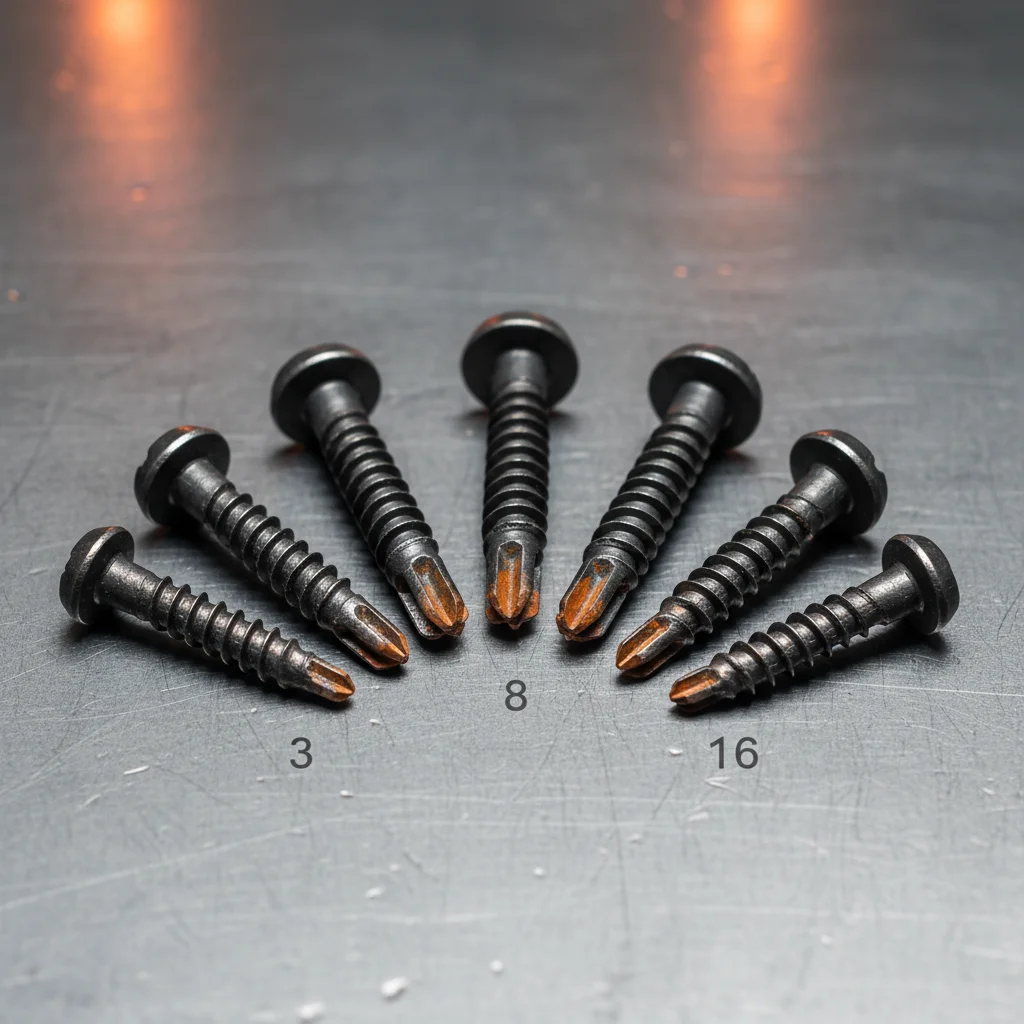
Simply put, these are specialized fasteners designed to drill their own hole and tap threads into steel substrates, while simultaneously holding timber securely on top. No pre-drilling holes needed. The screw’s tip features a drill bit-like end that cuts through sheet steel, and the threads firmly clamp down timber on the other side.
Connection specialists often refer to them as “self-drilling,” “self-tapping,” or “metal-to-wood screws”—but the important part is the innovation of combining these functions into one piece of hardware. This means laborers don’t have to carry extra tools, reducing errors and installation time.
The relationship between timber and steel fastening is growing tighter as modern construction pushes modular and hybrid methods—where frameworks often combine the natural aesthetics and insulation of wood, along with steel’s strength and fire resistance.
Most screws are made of hardened steel with corrosion-resistant coatings (like zinc or epoxy). This protective layer is crucial because timber is often exposed outdoors or in damp environments, and steel components can corrode over time otherwise.
The threads are uniquely engineered: fine and hard enough to bite into steel, but broad and deep enough on the timber side to grip tightly without splitting the wood. The dual profile means smarter fastening across two vastly different materials.
Common head styles include hex washer heads or pan heads, allowing easy tightening with power tools or manual drivers. Some feature a bonded sealing washer to prevent moisture ingress, adding to longevity.
This is the star. The self drilling tip usually mimics a small drill bit, able to bore through steel thicknesses up to 5mm or even more in some models. It eliminates the need for separate drilling stages.
Versatile lengths (from 25mm to over 100mm) accommodate different timber thickness and steel profiles. Diameter ranges vary to suit load requirements; typically M4 to M6 sizes dominate.
| Feature | Specification |
|---|---|
| Material | Hardened Carbon Steel |
| Coating | Zinc Plated or Epoxy Coated |
| Tip Type | Self Drilling (Drill Bit Style) |
| Length Range | 25mm – 100+ mm |
| Thread Diameter | M4 to M6 |
| Steel Sheet Penetration | Up to 5 mm |
| Head Style | Hex Washer, Pan Head, Sealing Washer Options |
| Vendor | Material Coating | Max Steel Thickness | Head Styles | Price Range (per 100 pcs) |
|---|---|---|---|---|
| FastFix | Zinc Plated | 5 mm | Hex Washer, Pan | $10 – $15 |
| SteelBond | Epoxy Coated | 6 mm | Hex Washer w/seal | $14 – $20 |
| Lianshiwjnail | Zinc Plated & Epoxy Option | Up to 5 mm | Hex washer, pan, sealing washer | $12 – $18 |
You might think these screws are niche, but they actually appear in an impressive range of scenarios:
Oddly enough, regions with rapid urban growth like Southeast Asia and Africa are seeing rising demand for timber to steel self drilling screws. NGOs working on sustainable housing projects also frequently specify these fasteners for durability and ease.
Looking around, the construction fastener world isn't static. There’s growing interest in:
As buildings increasingly adopt hybrid construction and digitization, timber to steel self drilling screws will likely become more integral to integrated design workflows.
Despite the many benefits, a few challenges persist:
Specialists recommend:
Manufacturers like Lianshiwjnail are also innovating drilling tip geometry and material blends to expand usability.
At the intersection of speed, strength, and sustainability, timber to steel self drilling screws quietly deliver one of construction’s most practical breakthroughs. Saving time, reducing costs, and supporting new hybrid building methods, these fasteners fit a world that's building faster and greener.
Every project—from a remote site shelter to urban mixed-use buildings—stands to benefit. So whether you’re an engineer, builder, or humanitarian working against the clock, these screws have you covered.
For the latest products and expert advice on timber to steel self drilling screws, don’t hesitate to visit our website and discover how to upgrade your fastening game.
References:
1. Wikipedia: Self-drilling screw
2. World Bank: Urban Development Overview
3. ISO Standards on Fasteners
JOIN OUR NEWSLETTER


If you are interested in our products, you can choose to leave your information here, and we will be in touch with you shortly.