
Hit enter to search or ESC to close
Nov 29, 2025


If you’ve ever worked on an assembly line or even watched a DIY video, you might've noticed that not all screws are created equal. Thread forming screws for aluminum are a specialized, unsung hero, quietly revolutionizing how industries join components—especially non-ferrous metals like aluminum. Why does this matter globally? Well, aluminum’s lightweight yet strong nature makes it essential in everything from aerospace to consumer electronics. Yet, fastening these metals can be problematic with traditional screws, which often strip or weaken the thin metal. The magic of thread forming screws is their ability to create solid, reliable threads within aluminum without the need for pilot holes or nuts, saving time, money, and headaches.
Understanding the benefits and practical use of these screws could be game-changing whether you're in manufacturing, construction, or even humanitarian work with rapid shelter assembly.
Globally, aluminum production is growing fast—according to the International Aluminium Institute, global production topped 65 million metric tons in 2022, with applications expanding in transportation, packaging, and infrastructure. But joining aluminum parts remains a challenge. The challenge is that aluminum’s relatively soft, ductile nature often leads to poor thread engagement and stripped threads with conventional fasteners.
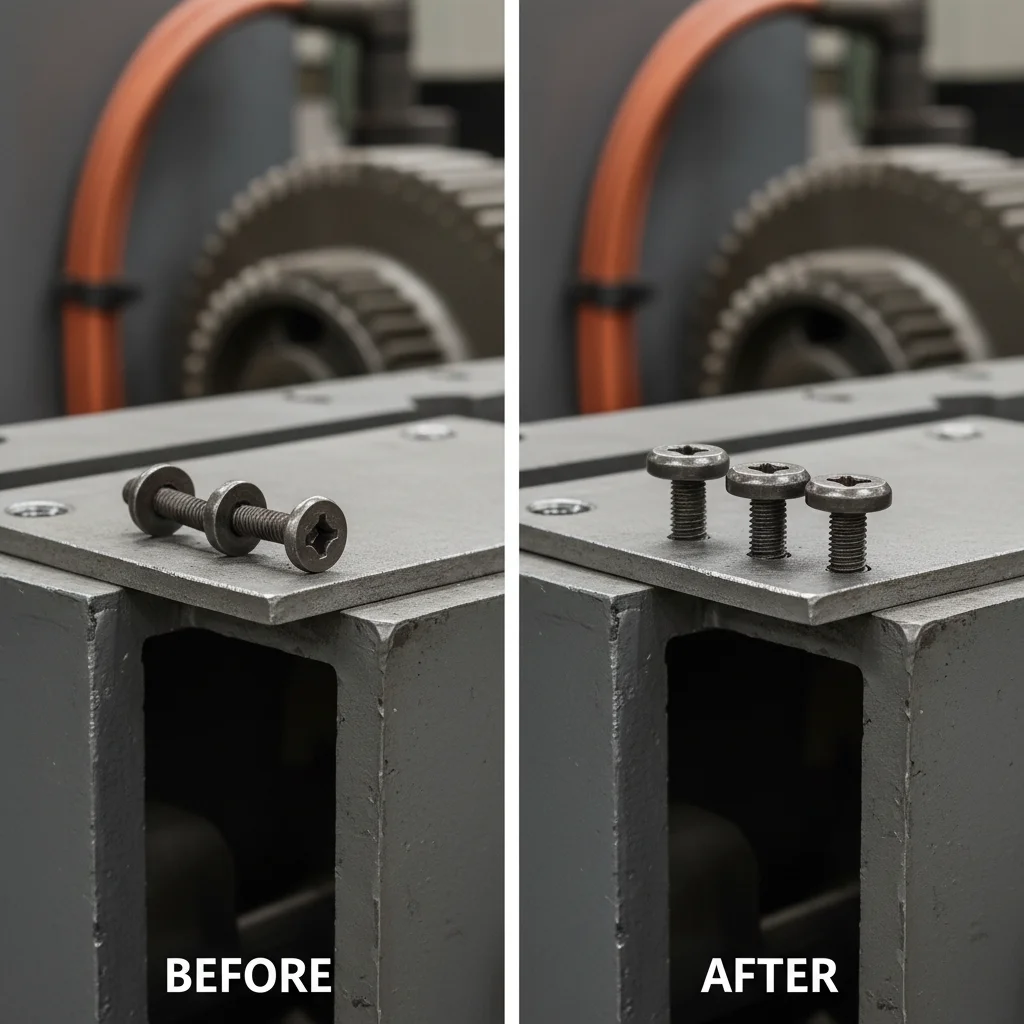
Thread forming screws address this by actually displacing aluminum material rather than cutting it, forming threads on the fly. This means:
For industries pushing for lean manufacturing and sustainable resource use, this is a win-win—or so many engineers say.
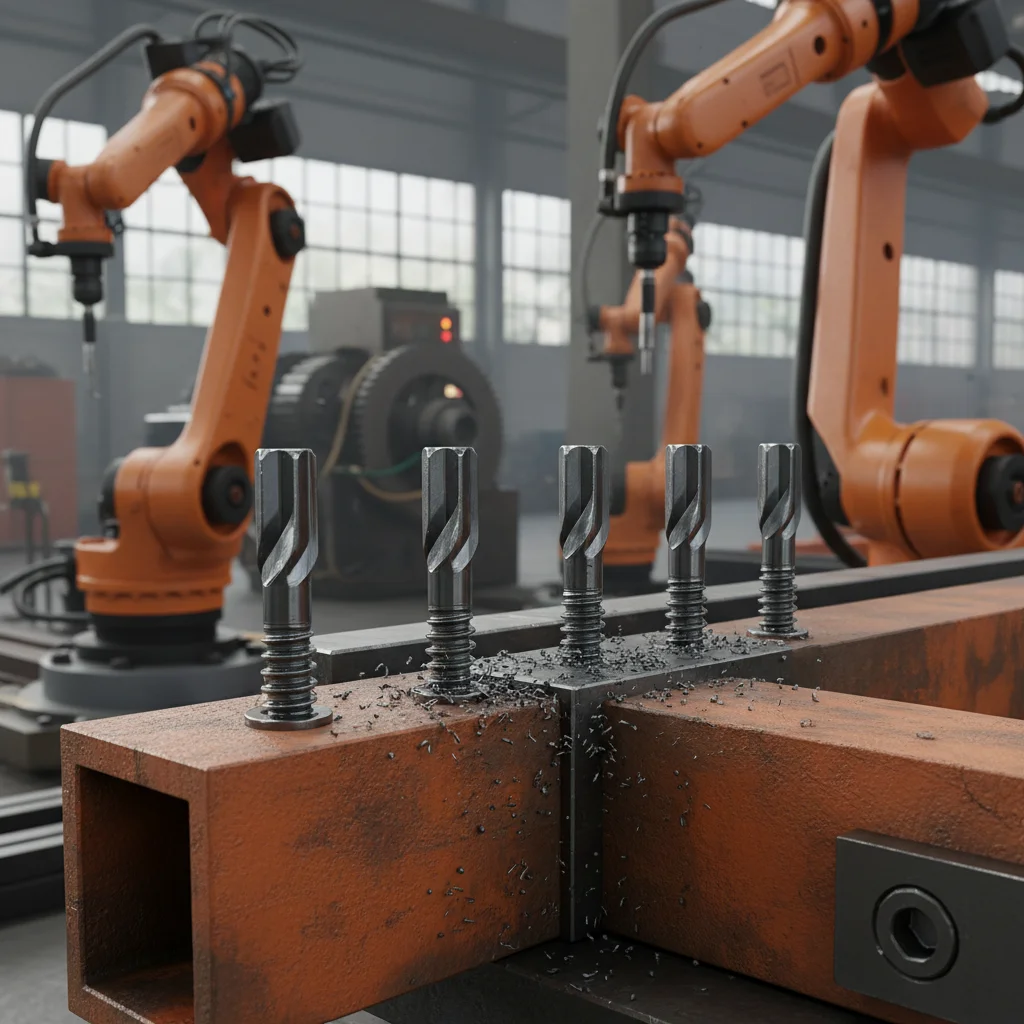
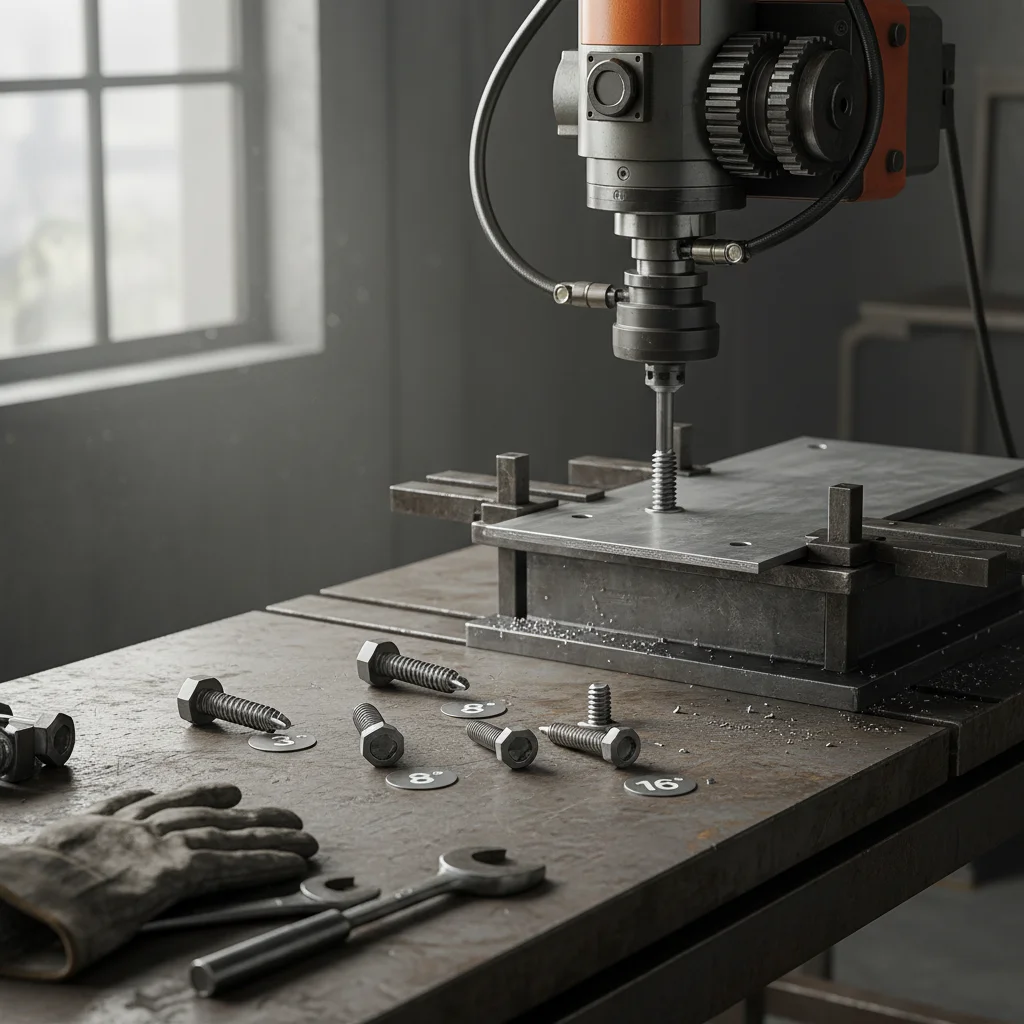
Simply put, these screws have a unique thread geometry designed to "form" new internal threads within aluminum workpieces. Instead of cutting material away (like thread-cutting screws do), they cold-form the aluminum, pushing the metal outward and creating a long-lasting mechanical interlock.
Think of it as sculpting threads with pressure rather than chiseling them out. This is especially relevant in some humanitarian applications, like rapid housing construction, where every minute and material counts.
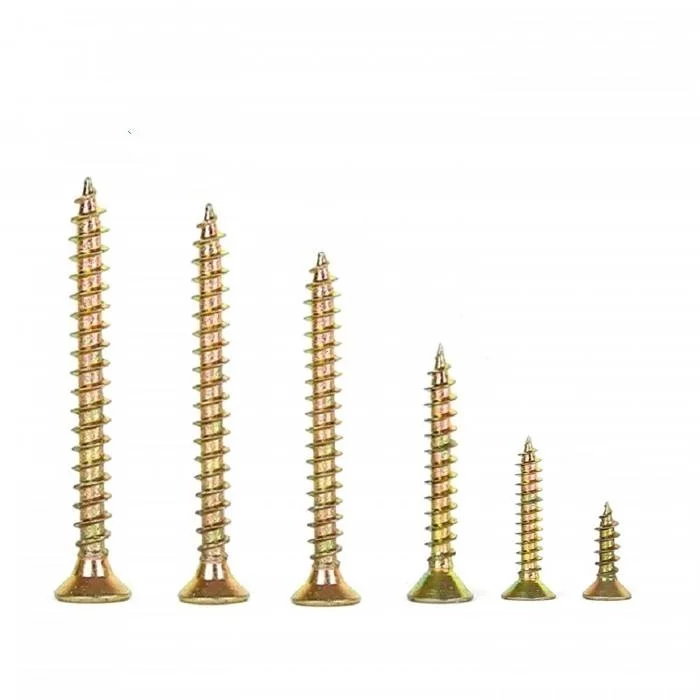
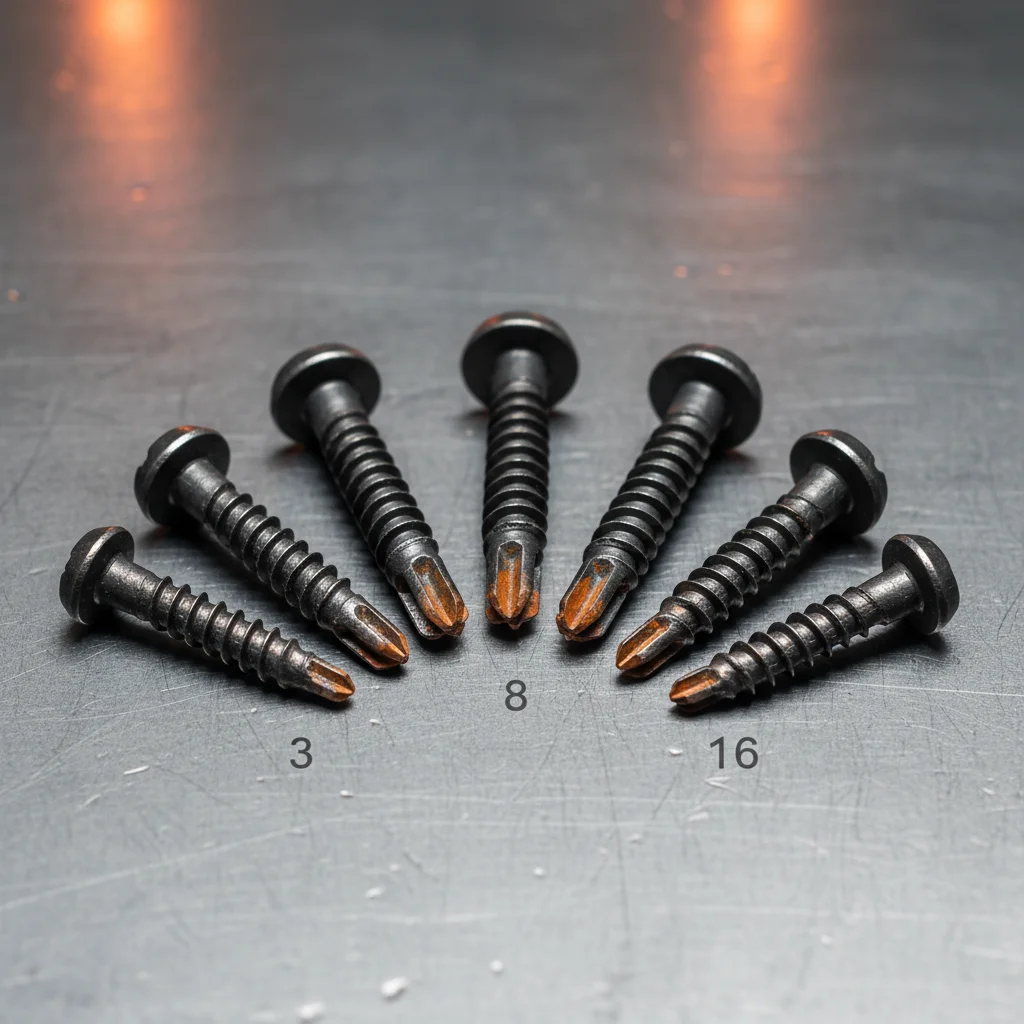
The thread profile is typically lobed or triangular, engineered to create the optimum pressure points for forming aluminum threads without cracking.
Most of these screws are made from hardened steel with corrosion-resistant coatings (such as zinc or phosphate finishes) to withstand the often harsh environments aluminum parts encounter.
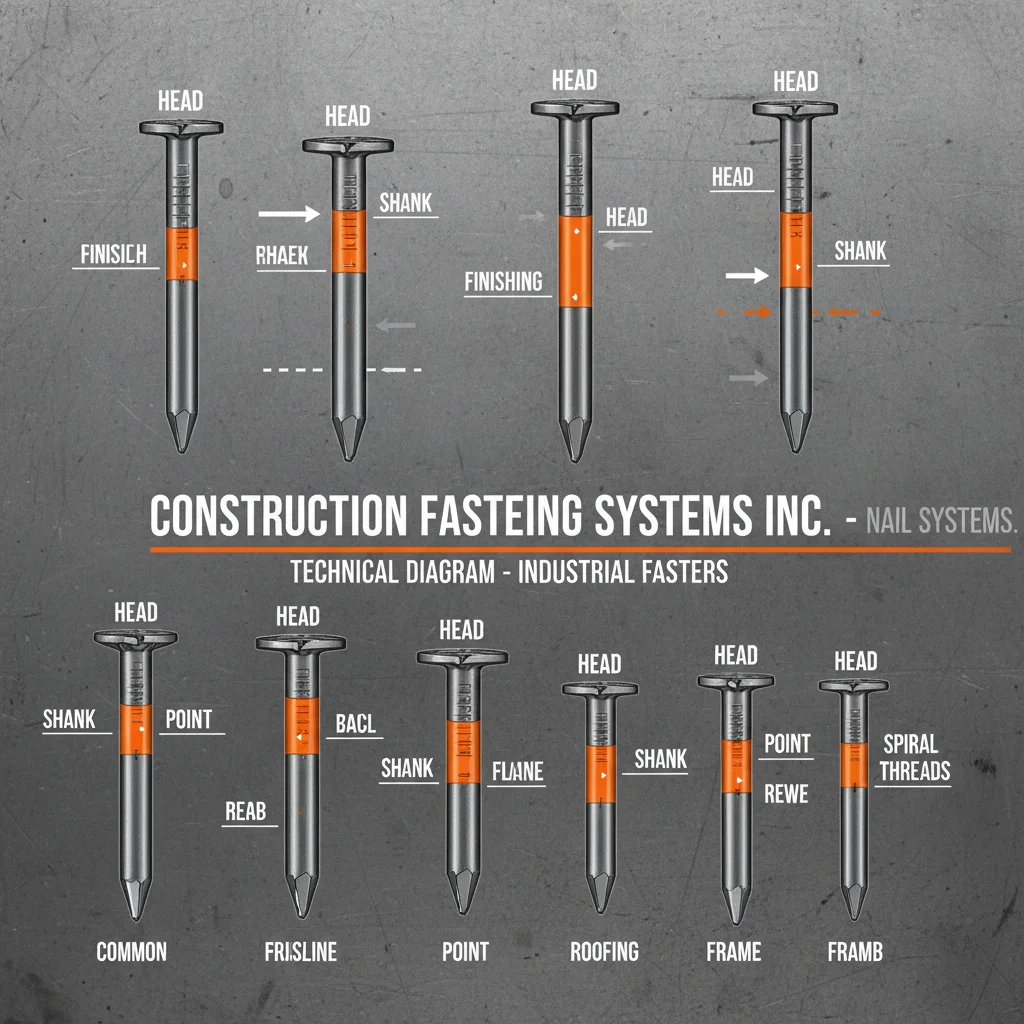
Variety matters. You'll find pan, flat, and hex washer heads among others, each tailored for different tools and surface aesthetics.
Depending on the thickness of the aluminum, and the load requirements, these screws come in a range of sizes—small ones for electronics to heavy-duty fasteners used in vehicles.
From Phillips and Torx to Pozidriv, the driver type affects installation speed and torque control, key for assembly line efficiency.
In real terms, the engineering behind thread forming screws is like designing a miniature sculptor’s tool that fits a tight space but still delivers a strong join — clever and elegant.
Because aluminum is everywhere—from the sunny factories of Germany to the emerging industrial hubs in Southeast Asia—thread forming screws have found a myriad of uses:
For example, NGOs in disaster-hit areas rely on fast assembly kits using these screws, as permanent thread inserts slow down deployment.
Frankly, in industries that operate under tight tolerances or humanitarian scenarios where failure is not an option, these advantages translate into trust and peace of mind.
| Specification | Typical Range / Value | Notes |
|---|---|---|
| Material | Hardened Steel (Grade 8.8-10.9) | Heat treated for strength |
| Diameter | M3 to M10 (metric) | Custom sizes available |
| Length | 6mm - 100mm | Depends on application |
| Coating | Zinc, phosphate, black oxide | Corrosion protection |
| Drive type | Phillips, Torx, Pozidriv | Tool compatibility |
| Vendor | Material Quality | Customization Options | Price Range | Lead Time |
|---|---|---|---|---|
| AlphaFasteners | High-grade hardened steel | Wide (sizes, coatings, drives) | $$$ | 3-4 weeks |
| BoltWorks | Standard grade steel | Limited (stock sizes only) | $ | 1-2 weeks |
| Lianshi WJNail | Premium hardened with custom coatings | Extensive (including OEM) | $$ | 2-3 weeks |
Innovation never sleeps. We’re starting to see screws made from advanced materials like titanium alloys, improving corrosion and weight profiles even further. Additionally, digital manufacturing processes (like laser thread forming and automated torque monitoring) are improving installation accuracy, reducing errors on assembly lines.
Environmental concerns are pushing manufacturers to experiment with greener coatings and recyclable materials, fitting well into global sustainability goals. And oddly enough, the rise of electric vehicles—which rely heavily on aluminum body components—is driving even more demand for specialized thread forming screws.
Despite all this, thread forming screws for aluminum aren’t without their quirks. One issue is that if the screw is overtightened, aluminum can cold flow and deform, leading to slow loosening under vibration. Many engineers recommend torque limiters and specialized driver tips to mitigate this.
On the supply side, lead times can sometimes be slow for custom screws, but vendors like Lianshi WJNail have been improving turnaround by investing in localized tooling and stock management.
Thread forming screws for aluminum might be a niche segment, but their impact on manufacturing efficiency, product durability, and cost savings is undeniably broad. Whether you’re assembling high-tech gadgets or building emergency shelters, their simplicity and strength make a difference. For a deep dive into options, check out thread forming screws for aluminum to explore products tailored for your needs and see how modern fastening can save your project time and money.
JOIN OUR NEWSLETTER


If you are interested in our products, you can choose to leave your information here, and we will be in touch with you shortly.