
Hit enter to search or ESC to close
Dec 3, 2025


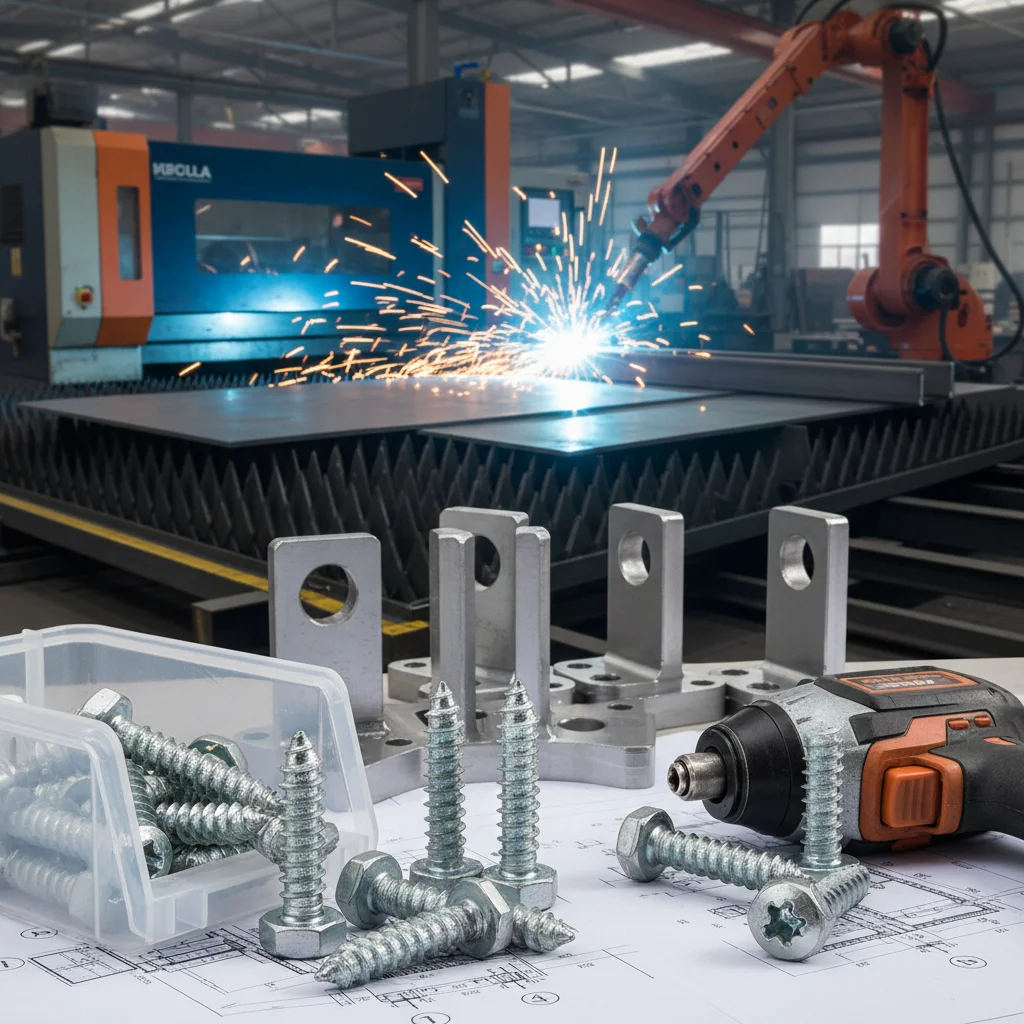
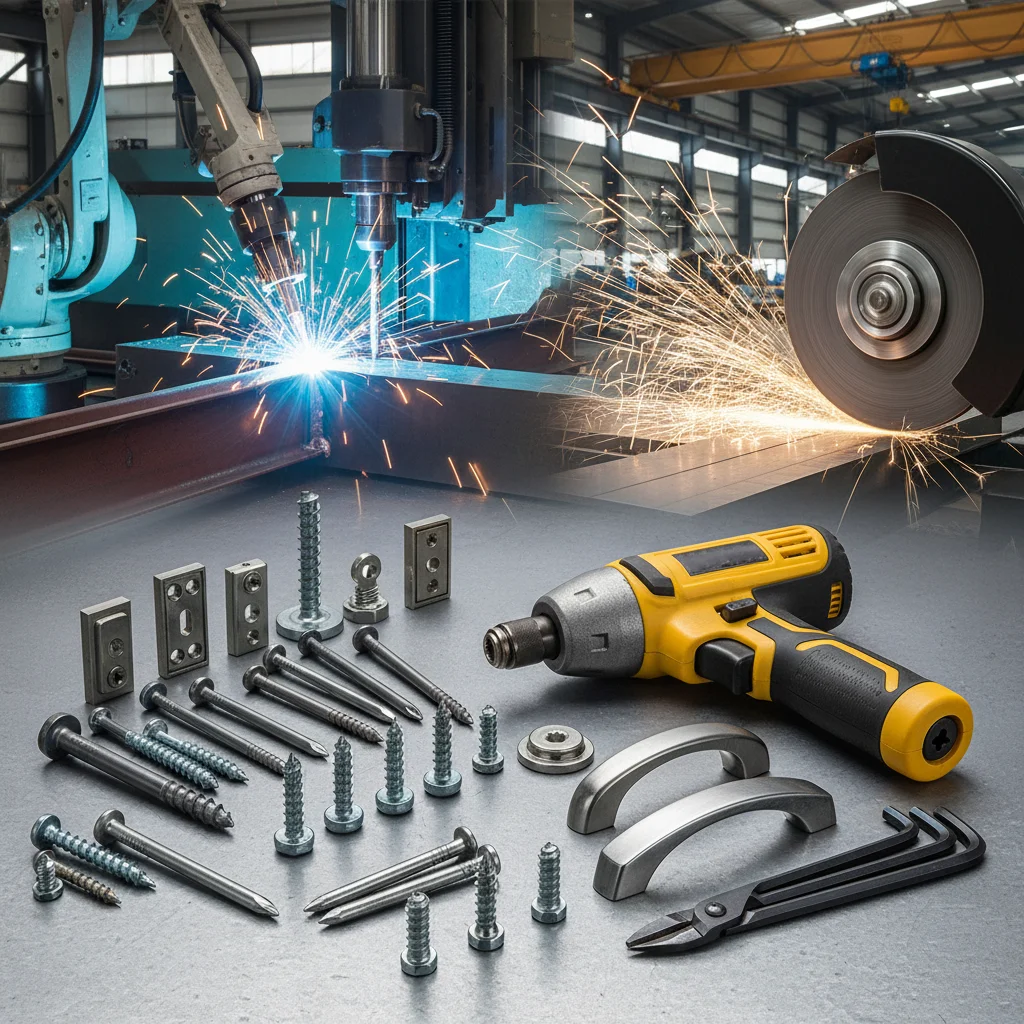
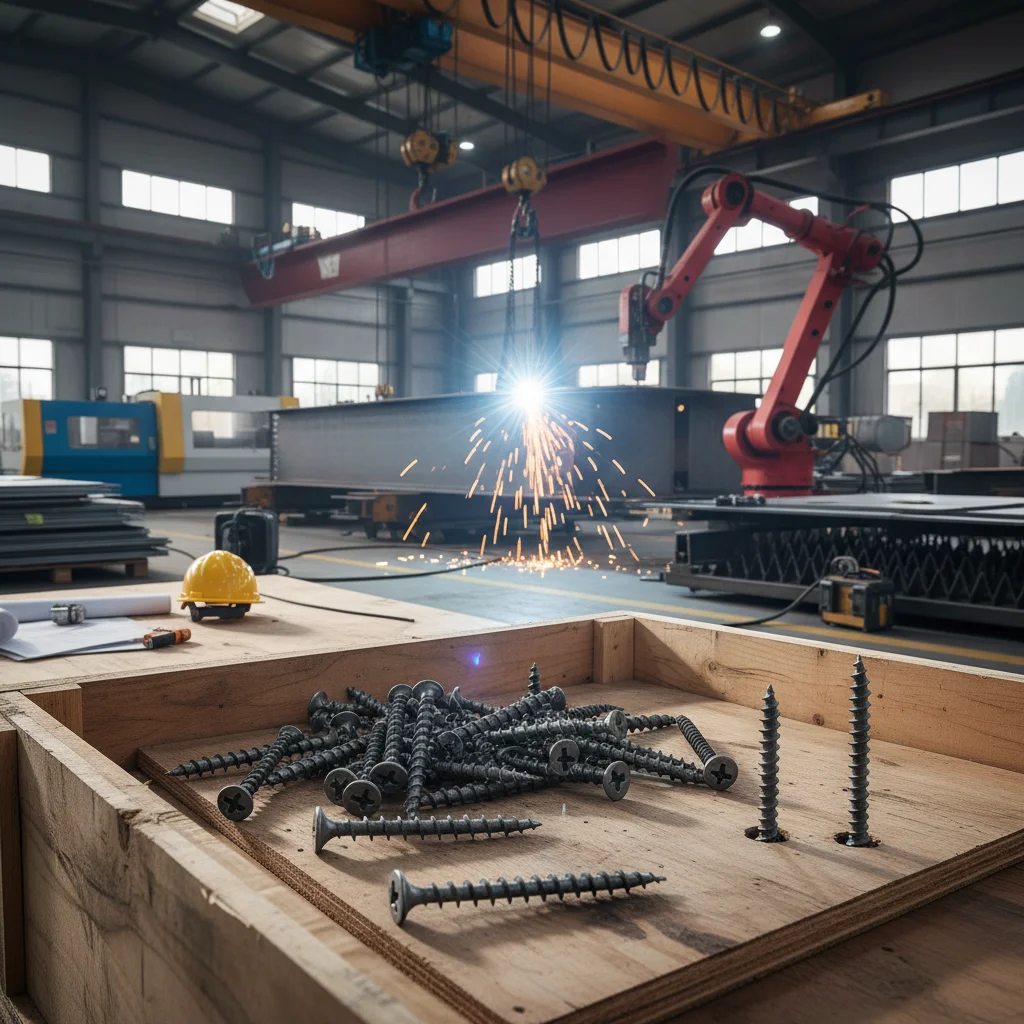
Having spent close to two decades in the industrial equipment world, I’ve handled a fair share of fasteners. Tap it screws have long been my go-to for tasks where reliability truly counts. Frankly, these little bits of metal are unsung heroes on the shop floor and in assembly lines.
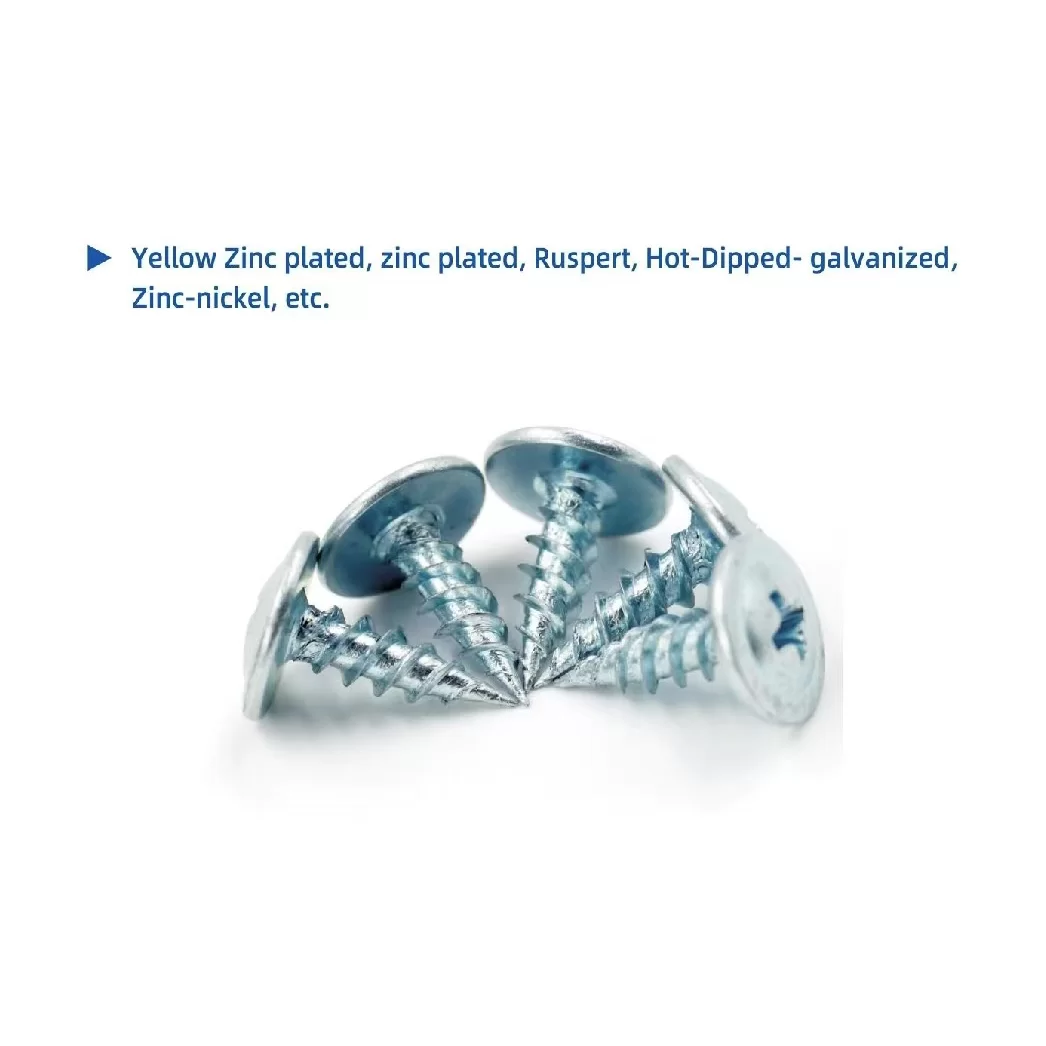
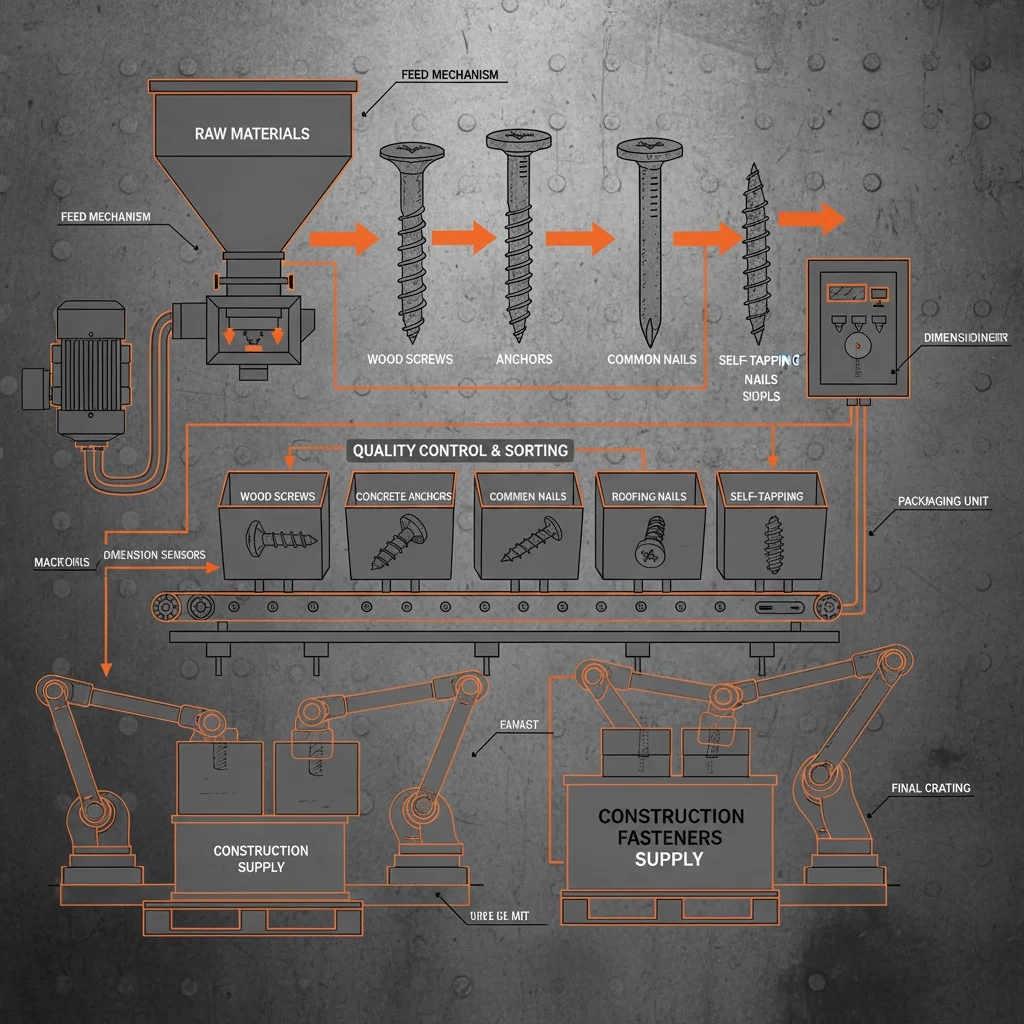
If you’re unfamiliar, a tap it screw is a self-tapping screw designed to cut its own internal thread as it goes into the material. Usually crafted from high-quality steel alloys or stainless steel, it combines strength with corrosion resistance, critical in demanding industrial settings. I remember early on being impressed by how efficiently these screws saved time — no need to pre-drill holes, which in turn minimized potential errors or material damage.
Oddly enough, despite their simplicity, the design of tap it screws isn’t just about sharp threads. The tip geometry, thread pitch, and even the coating are carefully engineered. For example, some versions have a special heat treatment to boost tensile strength and reduce wear, which means fewer replacement parts and less downtime for those of us working on heavy-duty machines.
A lot of engineers I know swear by their reliability in metal-to-metal fastening — especially in thin steel panels or combining dissimilar materials that would otherwise crack or deform under stress. In real terms, this means a more secure assembly and a longer lifecycle for the equipment. And, honestly, I’ve lost count of how many times tap it screws have outperformed conventional bolts, especially in vibration-prone environments.
| Specification | Standard Value |
|---|---|
| Material | Carbon steel / Stainless steel |
| Surface Treatment | Zinc plating / Black oxide |
| Thread Type | Coarse pitch, self-tapping |
| Head Type | Pan head / Hex washer / Flat head |
| Drive Style | Phillips / Torx / Slotted |
| Tensile Strength | > 800 N/mm² (depending on grade) |
Customization options are usually pretty varied as well. Need a titanium alloy version for ultra-corrosion resistance? Some vendors offer it. Want a special coating for heat or chemical resistance? That’s usually negotiable too. This flexibility is a big reason why tap it screws remain popular in aerospace, automotive, and heavy machinery sectors.
Speaking of vendors, choosing your supplier can make or break the final assembly quality. I took the liberty of comparing a few popular tap it screw providers (including Lianshiwjnail) based on quality, lead times, customization, and pricing.
| Vendor | Quality Control | Lead Time | Customization | Pricing |
|---|---|---|---|---|
| Lianshiwjnail | ISO 9001-certified | 2-3 weeks | High (varied alloys & coatings) | Competitive |
| Vendor B | Certified; random testing | 4-6 weeks | Moderate | Higher |
| Vendor C | Basic QC; no certification | 1-2 weeks | Low | Low |
I once worked on a project involving multiple thin-gauge aluminum panels — a challenging assembly due to the risk of cracking. Using tap it screws from Lianshiwjnail, with their consistent thread design and hardness, saved the day. The joint strength was excellent and the installation was smooth, which helped us meet a tight deadline without a hitch. Small victories, but they add up in manufacturing.
In sum, if you’re seeking a straightforward, reliable fastening solution with good versatility, it’s hard to beat tap it screws. Their proven track record across industries speaks volumes. Plus, working with a reputable supplier who understands your requirements makes a tangible difference in the long run.
Sometimes it’s the smallest parts that keep the biggest machines running — and these screws quietly do their bit, every day.
References:JOIN OUR NEWSLETTER


If you are interested in our products, you can choose to leave your information here, and we will be in touch with you shortly.