
Hit enter to search or ESC to close
Nov 27, 2025


If you’ve ever wondered what makes rapid construction efforts—whether in humanitarian relief or industrial projects—tick smoother, self drilling ground screws (SDGS) are a big part of that story. These aren’t your ordinary fasteners; they’re a clever solution to stabilize foundations without the mess and delay of concrete pouring. Globally, as infrastructure demands skyrocket and sustainability becomes a central theme, understanding these screws and their role in construction proves crucial. They cut project times, reduce environmental disturbance, and unlock new territories for development.
Mini Takeaway: Self drilling ground screws are foundational to quicker, cleaner, and more sustainable construction worldwide.
The UN estimates that by 2030, around 5 billion people will live in urban areas—a surge placing unprecedented strain on infrastructure (1). Meeting this demand requires adaptable and efficient foundation technologies. Self drilling ground screws answer this call by enabling rapid setups of everything from solar farms in deserts to emergency shelters after natural disasters.
But here’s the kicker: traditional foundation methods can be slow, labor-intensive, and wasteful. Think concrete that takes days to cure, heavy machinery, and heavy carbon footprints. The ground screw industry, fueled by these challenges, has grown rapidly, with ISO standards now ensuring rigorous quality and environmental benchmarks (2).
Mini Takeaway: The expanding global infrastructure demands and environmental pressures highlight self drilling ground screws as a vital innovation.
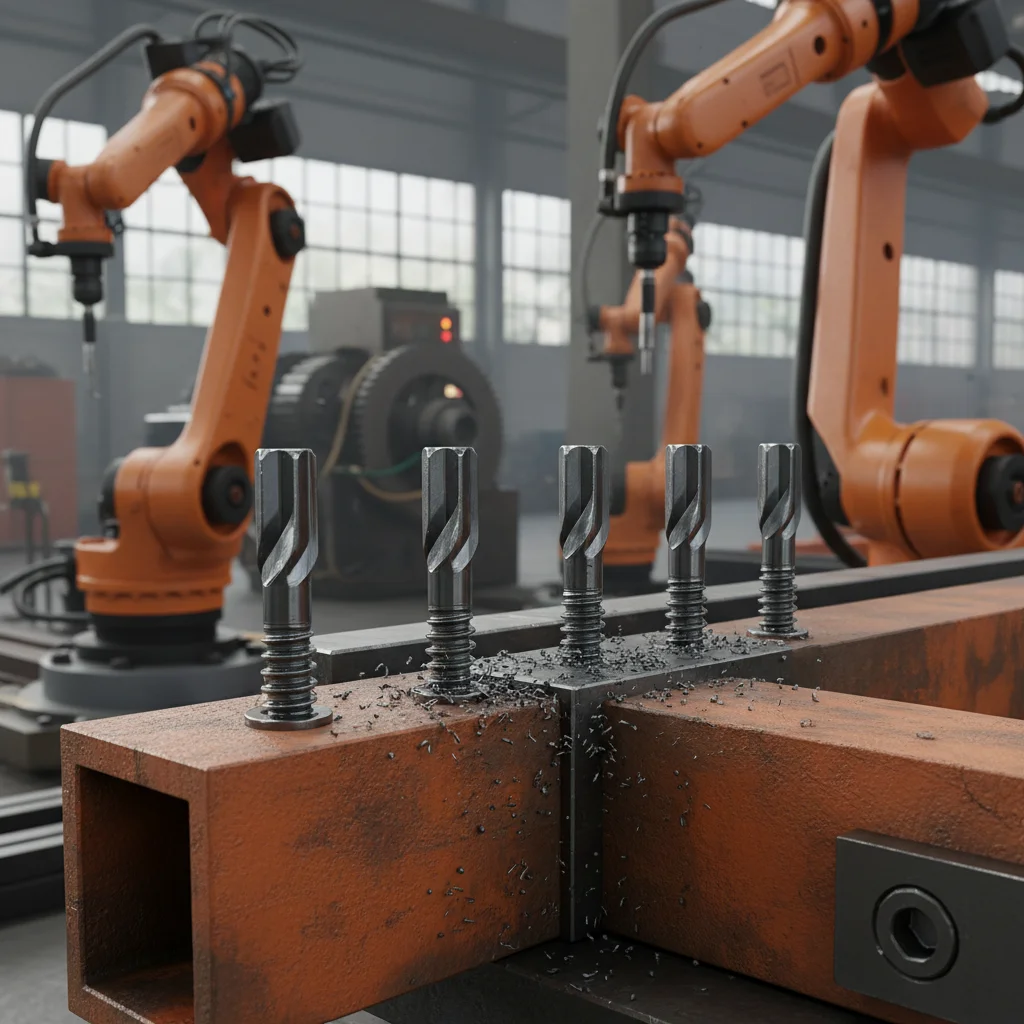
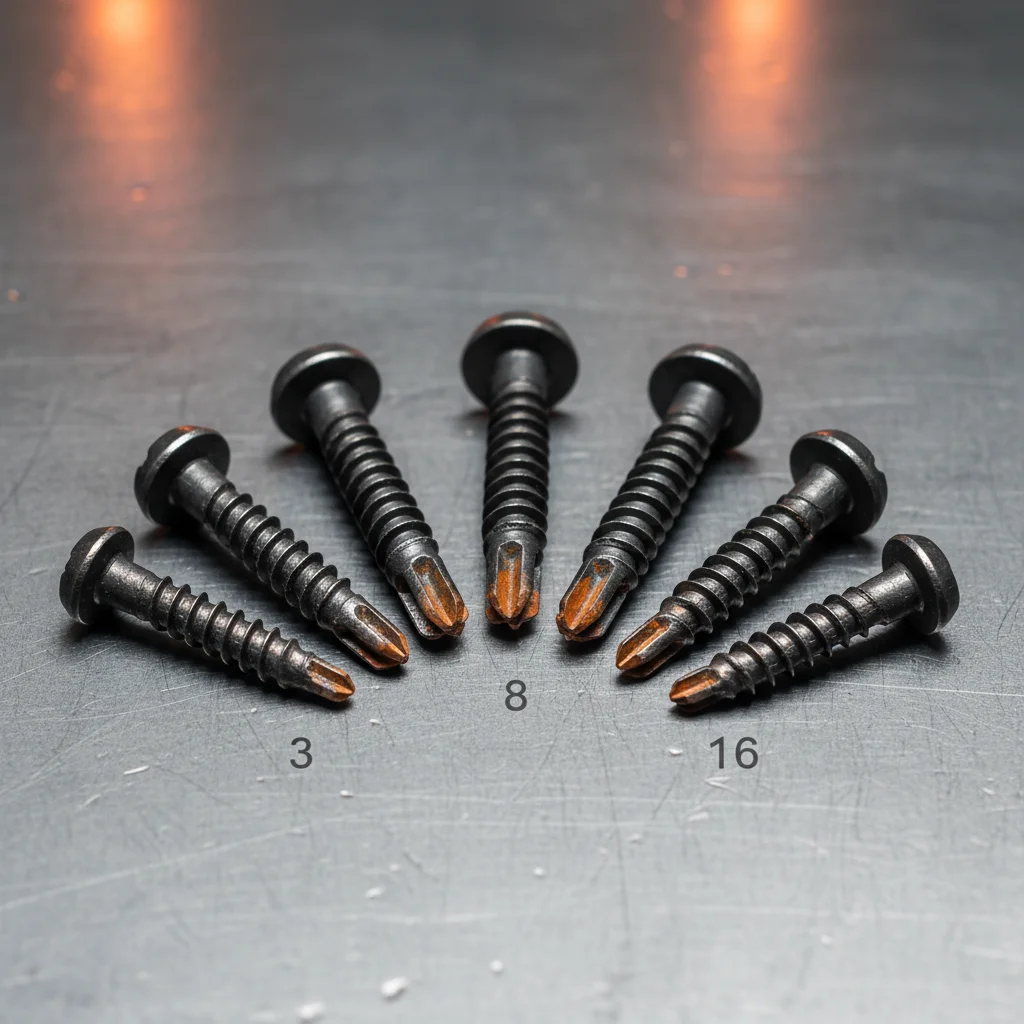
In simple words, self drilling ground screws are screw-like anchors designed to be twisted directly into soil, gravel, or other ground without pre-drilling holes. Imagine a giant, heavy-duty screw that stabilizes structures right where you want them. They're typically made of galvanized steel and often feature a pointed tip with helical threads that “cut” into the earth to provide a strong hold.
Because they avoid concrete and heavy excavation, these screws align perfectly with modern industrial needs such as fast-build environments, temporary or permanent structures, and even ecological preservation efforts.
Mini Takeaway: Self drilling ground screws are essentially high-tech earth anchors designed for speed and versatility.
Many engineers I’ve chatted with swear by the corrosion resistance of hot-dip galvanized steel used in SDGS. It means these anchors last decades, even under harsh weather or salty soil conditions. Note, some premium models add powder coating or stainless steel layers for extra life.
Whether you’re anchoring a small signage post or a multi-megawatt solar array, self drilling ground screws come in varied diameters and lengths. This adaptability makes them suitable for everything from DIY garden fences to industrial pipelines. Manufacturers often offer custom lengths or flange designs, making site adjustments more flexible.
Cutting the need for concrete, heavy machinery, and long crew hours directly translates to lower total project costs. Plus, many contractors notice fewer delays, which often means big savings in labor and logistics.
Compared to poured concrete, these screws reduce soil disturbance and carbon footprint drastically. Projects employing SDGS often require less water and produce less waste, aligning with green building standards.
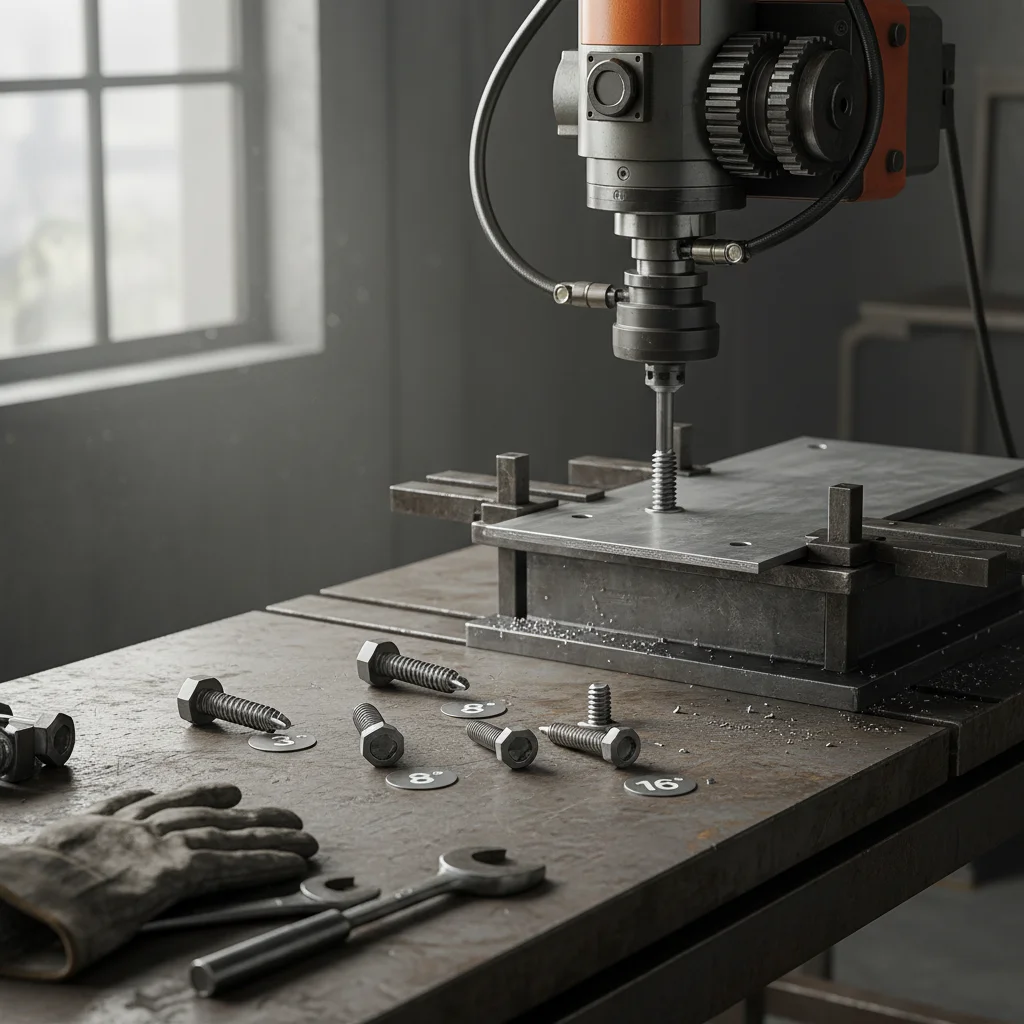
Installation usually needs lightweight, portable torque tools, making remote or sensitive sites easier to manage. Quick setup means projects that would have taken weeks can finish in days.
Mini Takeaway: Durability, scalability, cost savings, and eco-friendliness all come standard with self drilling ground screws.
Mini Takeaway: Diverse industries and regions—from deserts to disaster zones—tap into the value of self drilling ground screws daily.
On a practical level, the upfront cost savings are obvious, but the quiet wins come in longevity and minimal site disruption. Owners often appreciate how these systems maintain soil integrity better than concrete footings, preserving natural drainage patterns and reducing erosion risks.
Emotionally, consider the sense of security knowing your structure is anchored by technology that can withstand shifting soil or weather extremes—a kind of silent, dependable guardian. Innovation breeds trust, and that’s essential especially when rapid shelter means saving lives.
There’s an interesting buzz around integrating IoT and sensor tech into these fasteners—monitoring soil loads and structural integrity in real-time. That might sound futuristic, but it’s happening, mostly in smart cities and highly regulated infrastructure environments.
On the materials front, experiments with composites and recycled alloys aim to make screws lighter yet tougher, and even greener. Plus, as renewable energy installations grow, engineers are developing ground screws compatible with new turbine and panel designs, boosting their efficiency.
While the concept is robust, challenges do exist. Certain highly compacted or rocky soils can resist screw installation, which can raise costs or demand special equipment. Some engineers also worry about removal damage in temporary projects. That said, innovations in drill-tip geometry and better site surveys help reduce these issues.
Also, standardizing global supply chains can be tricky. Different countries have varying specs or certifications, complicating imports. Industry groups and vendors are increasingly collaborating to harmonize standards to smooth logistics.
To wrap things up neatly, self drilling ground screws represent a smart, sustainable, and flexible foundation solution. With growing urbanization, climate change concerns, and technological advancement, their value only rises. For anyone dabbling in rapid construction or sustainable development, this tech is worth a serious look.
If you’re interested to explore high-quality self drilling ground screws and how they might fit your projects, feel free to visit our site: self drilling ground screws. There’s a lot more to uncover about these simple yet game-changing devices.
| Specification | Typical Range | Notes |
|---|---|---|
| Diameter | 38mm – 140mm | Varies by application |
| Length | 500mm – 3500mm | Customized lengths available |
| Material | Galvanized Steel (S235, S355) | Corrosion resistant |
| Load Capacity | Up to 20 kN (Shear) | Depends on soil conditions |
| Installation Torque | 1000–4000 Nm | Using portable torque wrenches |
| Vendor | Product Range | Certification | Special Features | Typical Lead Time |
|---|---|---|---|---|
| Lianshiwjnail | 38-140mm diameter, custom lengths | ISO 9001, CE | Hot-dip galvanizing, custom flanges | 2–3 weeks |
| GroundFix | 50-120mm diameter | ISO 14001, CE | Corrosion-proof coatings | 3–4 weeks |
| ScrewAnchor Co. | 40-150mm diameter | UL Listed | Smart load sensors (optional) | 4–5 weeks |
JOIN OUR NEWSLETTER


If you are interested in our products, you can choose to leave your information here, and we will be in touch with you shortly.