
Hit enter to search or ESC to close
Dec 3, 2025


If you’ve ever been near a construction site or worked in manufacturing, you might have come across structural self tapping screws. They’re these clever fasteners that help hold metal, wood, or other materials securely without pre-drilling — truly handy! Globally, their role isn’t just convenience; it’s about speed, strength, and efficiency in building everything from bridges to temporary shelters in disaster zones. Getting to know these screws may sound niche, but it’s quite revealing for anyone interested in how infrastructure and humanitarian projects come together smoothly.
To appreciate their importance, consider this: according to ISO standards on construction fasteners, billions of screws are produced annually, many of which are self tapping types. The World Bank notes rapid urbanization demands faster, more reliable construction methods. Structural self tapping screws answer this by simplifying connections and reducing labor hours. For disaster relief organizations, these fasteners enable quicker assembly of temporary housing. Oddly enough, despite their small size, these screws help tackle big challenges — like rebuilding after earthquakes or enhancing wind-resistant structures in cyclone-prone regions.
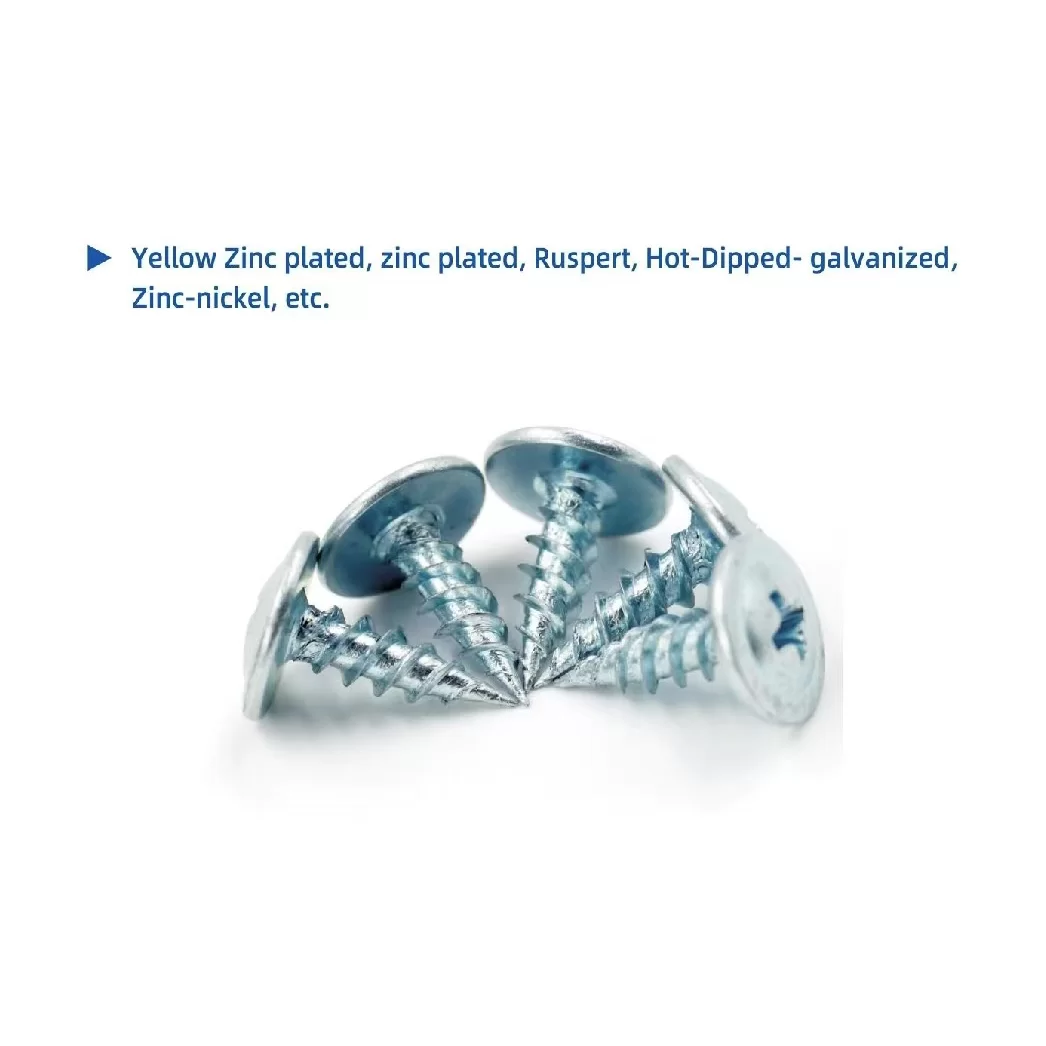
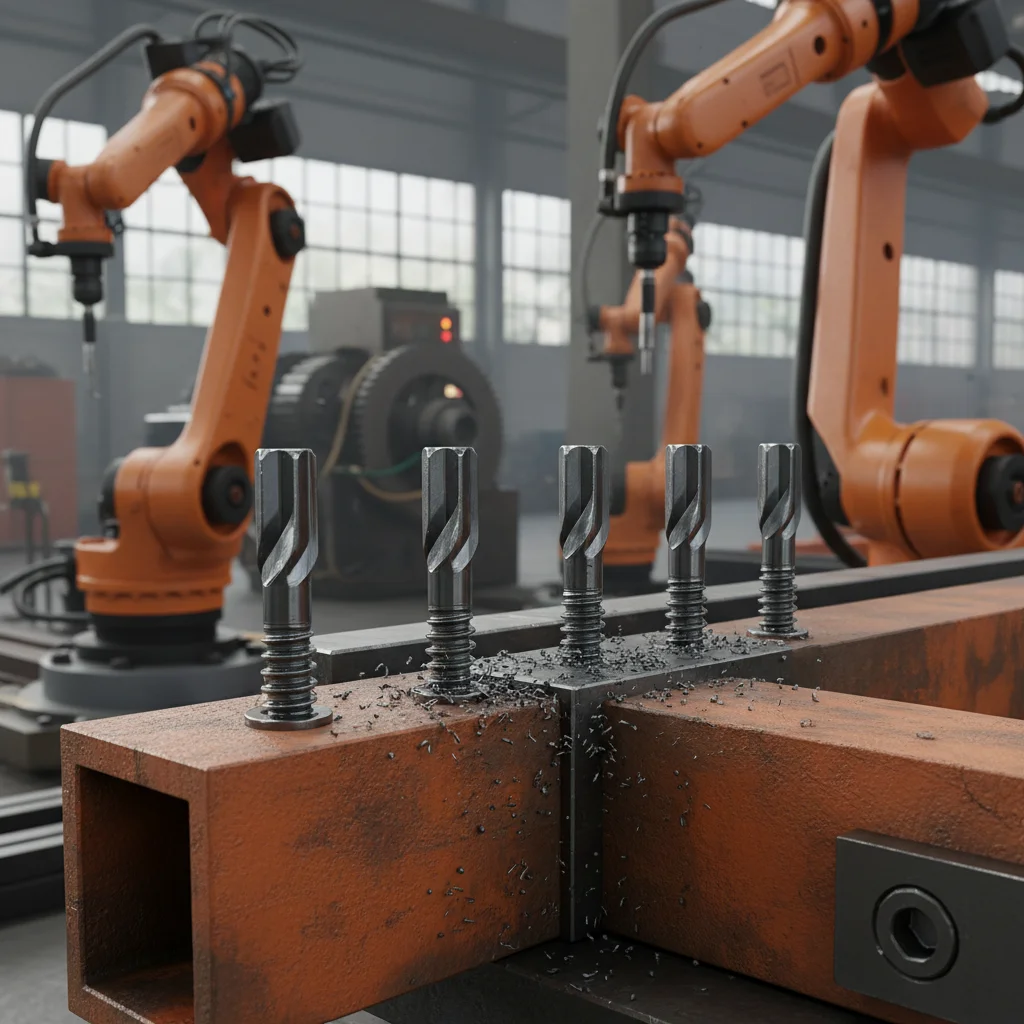
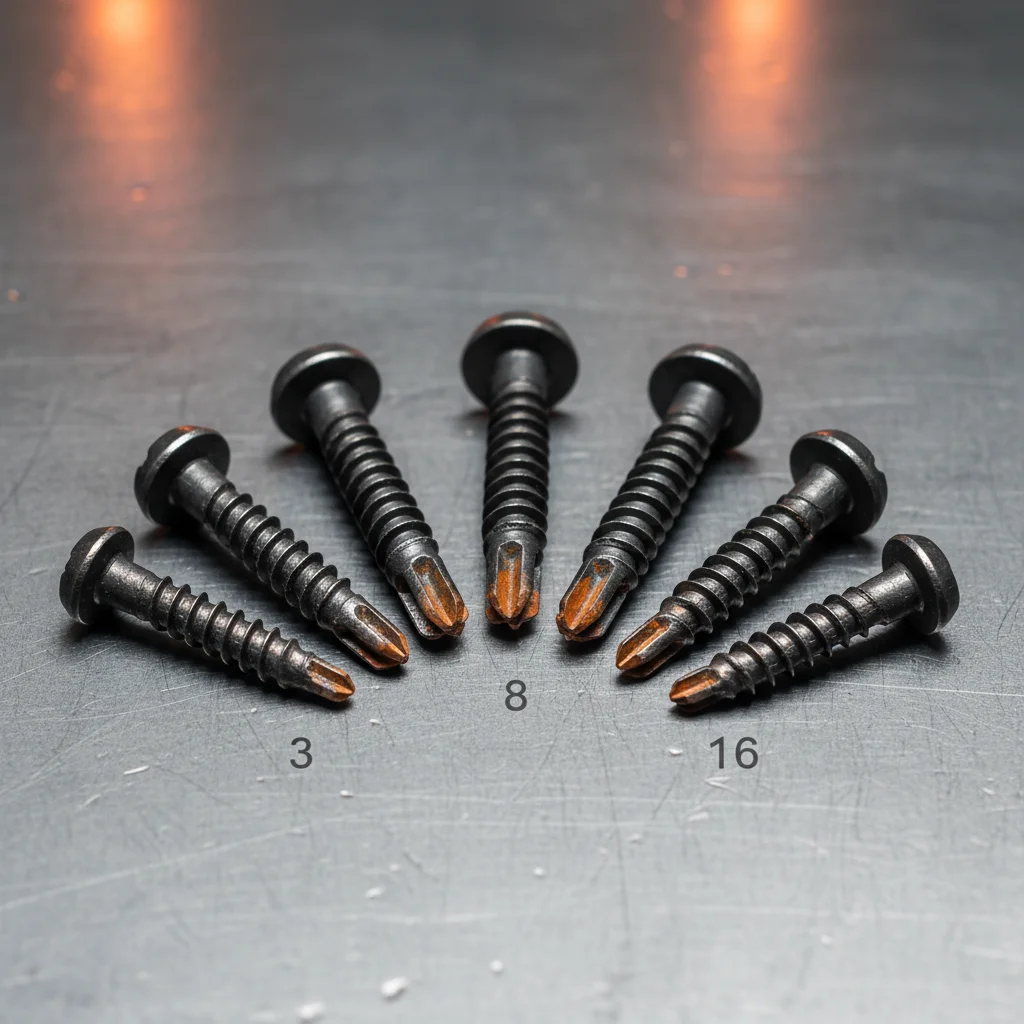
Simply put, these are screws designed to cut their own threads into materials like metal and wood as they are driven in. The “structural” part means they’re engineered to handle load-bearing and critical applications — not just hanging a picture frame on your wall. They often feature hardened threads and special tips to make sure the joint stays strong and durable. They’re integral in modern industries because they reduce the need for pre-drilling and welding, speeding up production lines and onsite assembly.
Structural self tapping screws are often made with hardened steel and sometimes coated to resist corrosion. This means longevity — especially important in outdoor or industrial conditions where moisture and temperature fluctuations are intense.
They meet strict machinery or building codes (like those from ASTM or ISO) ensuring they can safely support structural loads. The design balances screw thread profile and shank size to maximize grip without damaging materials.
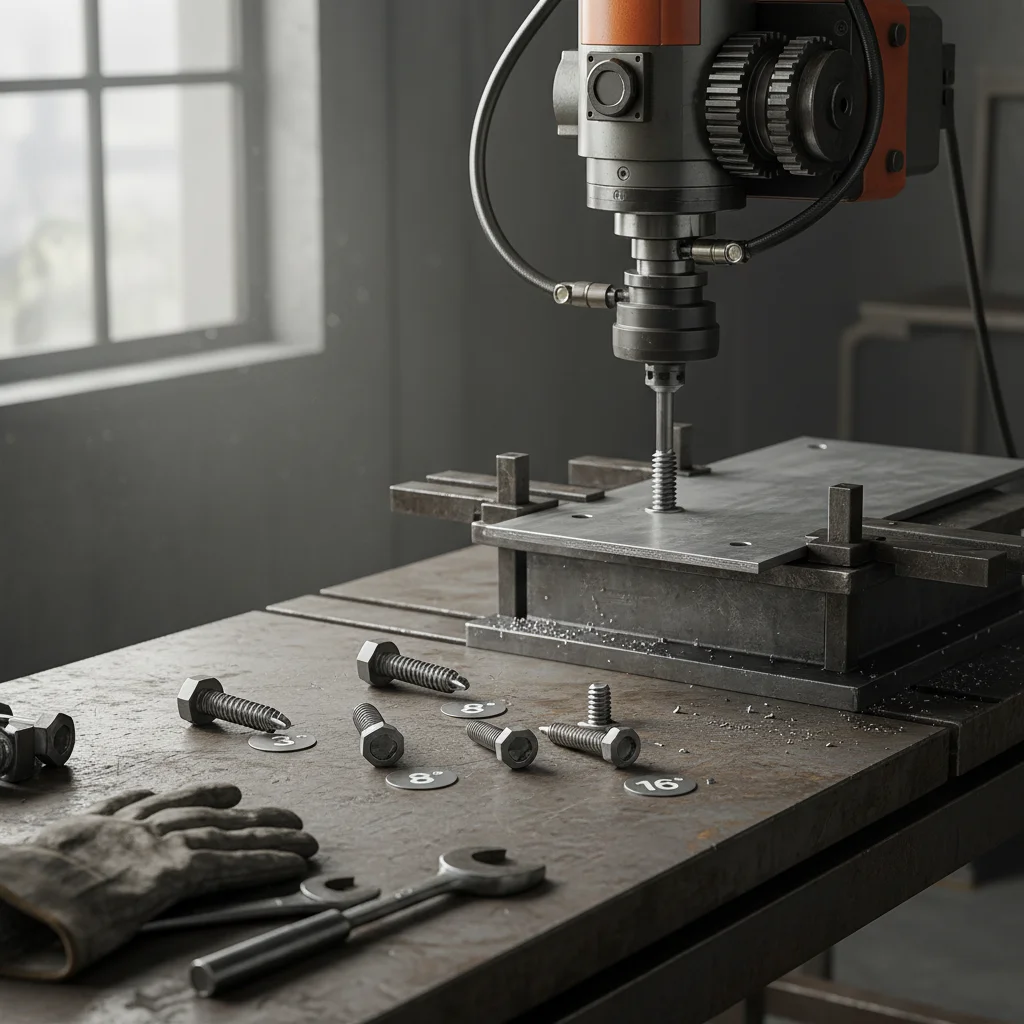
The “self tapping” aspect means workers can fasten materials directly without time-consuming pre-drilling. This cuts down labor costs and accelerates project timelines — crucial in both large-scale infrastructure and emergency setups.
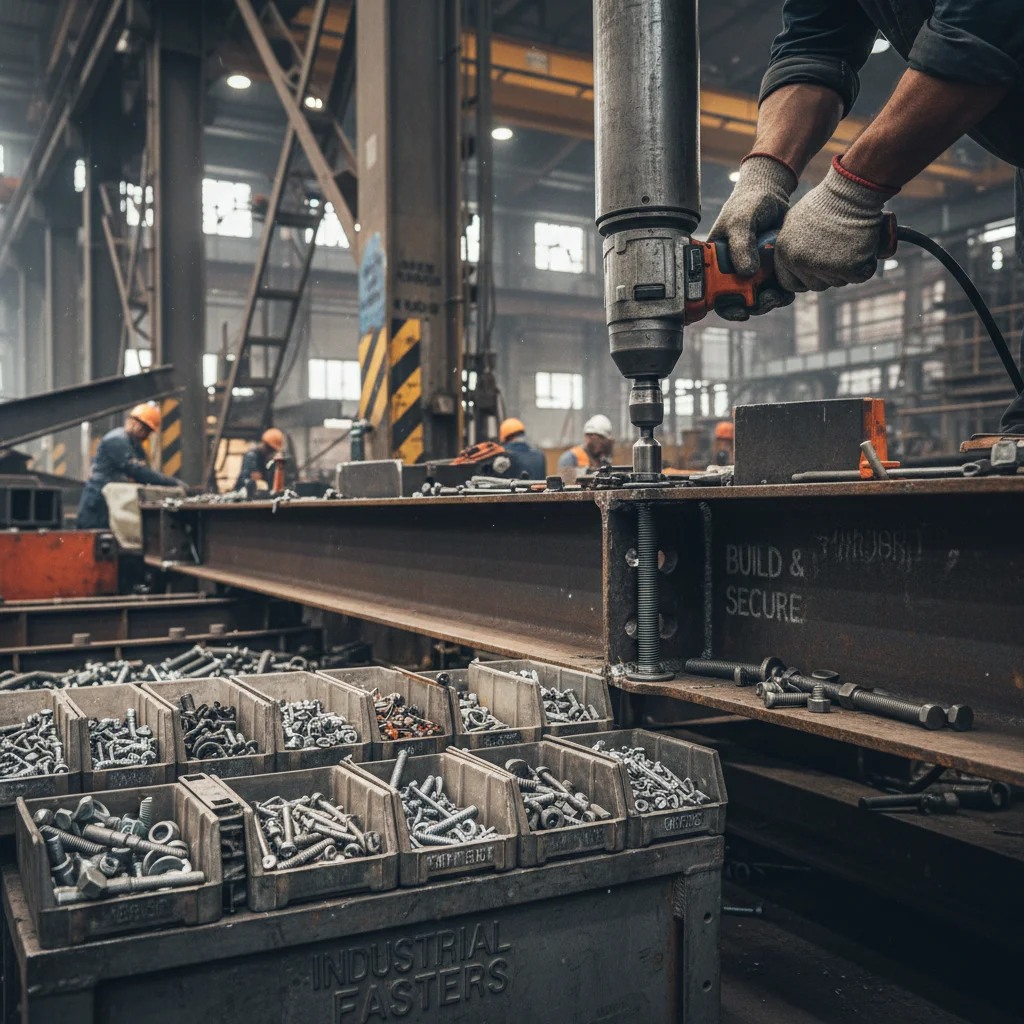
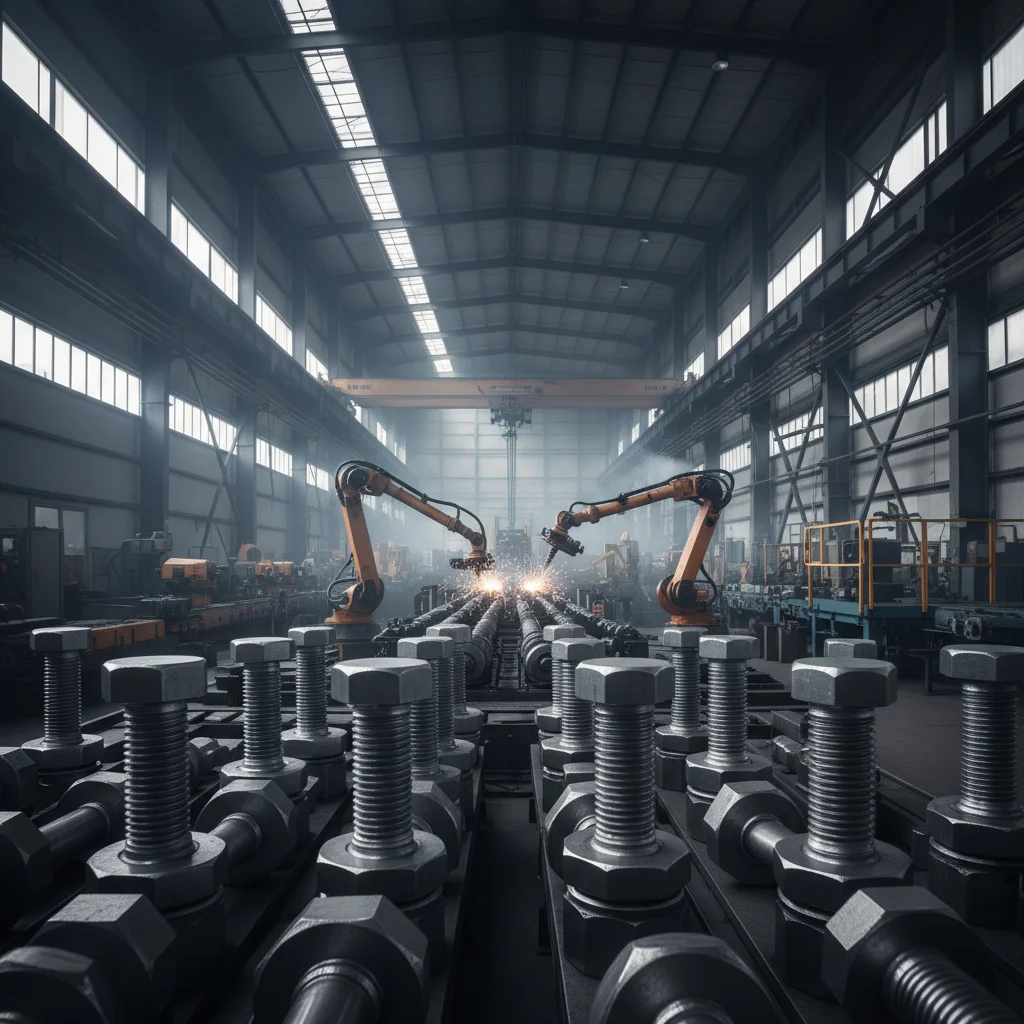
These screws come in multiple sizes, thread types, and coatings, making them adaptable from light gauge steel framing to heavy machinery assembly. You’ll find them in aerospace, construction, automotive, and even renewable energy sectors.
Overall, fewer tools and faster assembly mean companies save money long-term. Plus, the durability reduces maintenance and replacement frequency — a double win.
| Feature | Specification | Typical Use Case |
|---|---|---|
| Material | Hardened carbon steel | Industrial construction |
| Diameter Range | 3 mm to 12 mm | From light panel fixing to heavy steel joins |
| Thread Type | Coarse & fine threads | Metal or composite materials |
| Coating | Zinc, galvanized, or electroplated | Outdoor & corrosive environments |
| Tip Style | Pointed or drill tip | Self drilling vs softer materials |
Each of these examples underscores how structural self tapping screws provide practical benefits, whether you’re building a skyscraper in New York or a school in rural Nepal.
Frankly, the benefits of these screws extend beyond just convenience. There’s the money saved upfront plus the confidence in structural integrity. For large industrial buyers, they mean uptime — machines installed faster and running without failure. For humanitarian groups, they mean safety and dignity: sturdy buildings that resist storms or earthquakes protect lives.
Environmentally, fewer tools and faster assembly translate to less energy consumed on site, which aligns with growing sustainability standards worldwide. It’s this blend of practicality and social impact that makes structural self tapping screws quietly essential, yet often underappreciated.
In the next decade, advances will likely focus on smart coatings that resist extreme corrosion and self-heal minor surface damage. Additive manufacturing (3D printing) may allow custom screw heads and threads suited to unique materials or IoT-enabled fasteners tracking structural health in real-time.
Moreover, policies promoting green construction create incentives for fasteners that reduce steel waste and assembly time. There’s also a growing call for modular building methods, which rely heavily on fasteners like these to connect parts securely but reversibly.
One common limitation is the risk of cross-threading or damaging sensitive materials under high torque. Engineers often point out that improper installation techniques can undermine long-term performance. Innovations like torque-limiting drivers and improved screw tip geometry help address these issues.
Also, supply chain reliability can be a hurdle, especially in remote locations or emerging markets. Partnering with trusted vendors offering consistent quality and certification, such as structural self tapping screws specialists, ensures better on-the-ground outcomes.
| Vendor | Product Range | Certifications | Lead Time | Pricing Tier |
|---|---|---|---|---|
| Lianshi Wjnail | Wide - carbon steel, stainless, coated | ISO 9001, ASTM | 2-3 weeks | Competitive |
| Global Fasteners Inc. | Specialized aerospace-grade screws | NADCAP, ISO 9100 | 4-6 weeks | Premium |
| FastenRight | Medium range, various coatings | ISO 14001, CE Marking | 3-4 weeks | Mid-level |
When you zoom out and look at the bigger picture, structural self tapping screws are quiet workhorses in global construction and manufacturing. They save time, reduce costs, and most importantly, hold structures together safely. Whether it’s a skyscraper or emergency shelter, these fasteners enable resilient, innovative building. If you want the best in quality and supply, do visit https://www.lianshiwjnail.com — they’re quite the experts.
Mini takeaway? It’s amazing how something so small can make such a massive impact worldwide.
References:
1. ISO Standards for Fasteners: iso.org
2. World Bank Urban Development Report: worldbank.org
3. United Nations Office for Disaster Risk Reduction (UNDRR): undrr.org
JOIN OUR NEWSLETTER


If you are interested in our products, you can choose to leave your information here, and we will be in touch with you shortly.