
Hit enter to search or ESC to close
Nov 28, 2025


At first glance, a self forming screw might seem like just another piece of fastener hardware. But consider this: these screws are quietly revolutionizing construction, manufacturing, and even humanitarian relief efforts worldwide. Their ability to create durable threads as they fasten into soft materials — pretty clever, right? — makes them indispensable. Gaining a clear understanding of self forming screws means appreciating how a simple hardware innovation can drive cost-efficiency, reduce assembly time, and support sustainable practices across industries globally.
Globally, manufacturing efficiency and infrastructure resilience are top priorities. According to the International Organization for Standardization (ISO), fasteners like self forming screws reduce waste and improve joint strength in products ranging from automotive parts to electronic housings. Moreover, as worldwide infrastructure investment climbs—over 4.5 trillion USD proposed annually by the World Bank—efficient assembly technologies matter more than ever. Self forming screws help solve common challenges like thread stripping or complicated pre-drilling, streamlining production lines and enabling faster build times.
But beyond factories, these screws also have a role in humanitarian contexts: in rapid shelter construction or improvised repairs where tools or materials are scarce. Frankly, that always feels like a good story to me—how a tiny piece of hardware can help people bounce back after disasters.
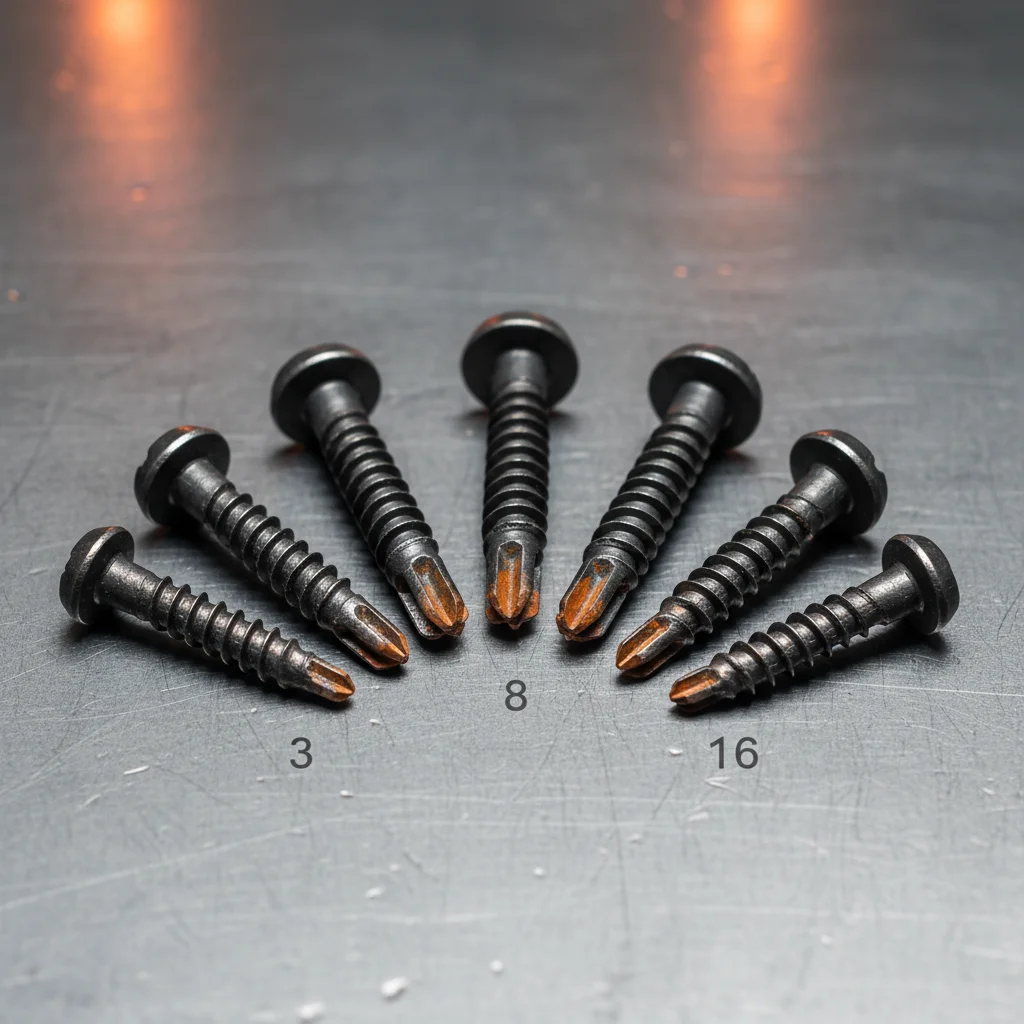
A self forming screw is a specialized fastener designed to form its own mating thread inside soft materials (like aluminum, plastic, or thin metals) as it’s driven in. Unlike traditional screws requiring pre-tapped holes or nuts, self forming screws cut or plastically deform the material to create a tight, reusable thread. This means fewer manufacturing steps, less tooling, and a more secure fit.
This simple definition conceals an impact that goes beyond the factory floor. For industries pushing lightweight design, from aerospace to consumer electronics, self forming screws help maintain strength while keeping weight down. And in sectors like emergency housing or modular construction, their ease of use can drastically reduce build times.
Self forming screws are typically made from hardened steel or stainless steel with coatings to resist corrosion. They excel in softer substrates—aluminum alloys, magnesium, plastics—where thread tapping is difficult or undesirable.
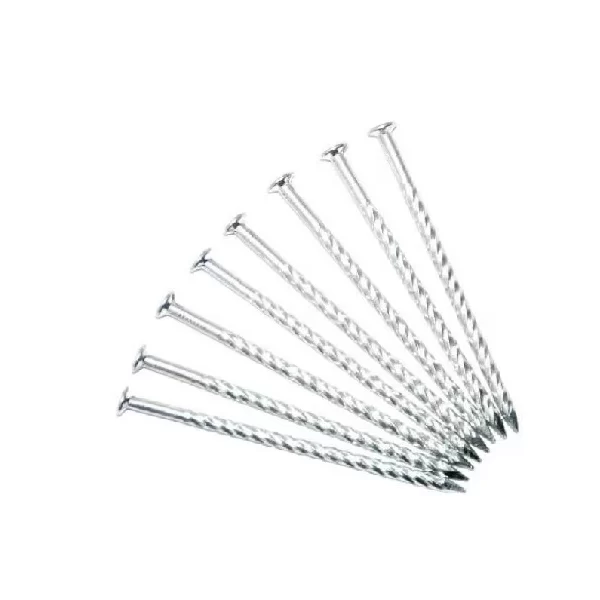
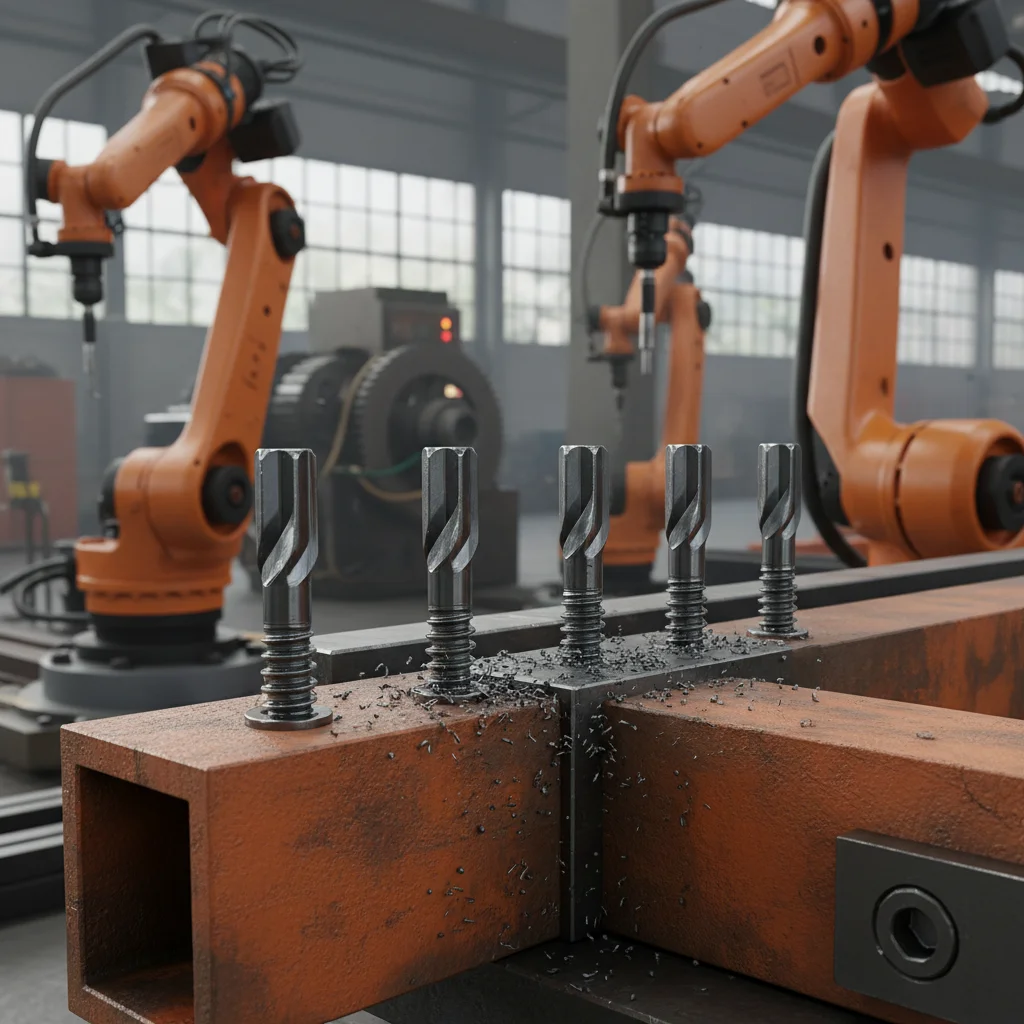
The thread geometry is specially engineered to cut into the substrate without cracking it. You’ll find thread profiles that balance cutting sharpness and thread strength, allowing secure fastening without damage.
From pan heads to countersunk and hex heads, these screws come in a range of styles to suit different applications. For example, a countersunk self forming screw might be chosen where flush surface finish is critical.
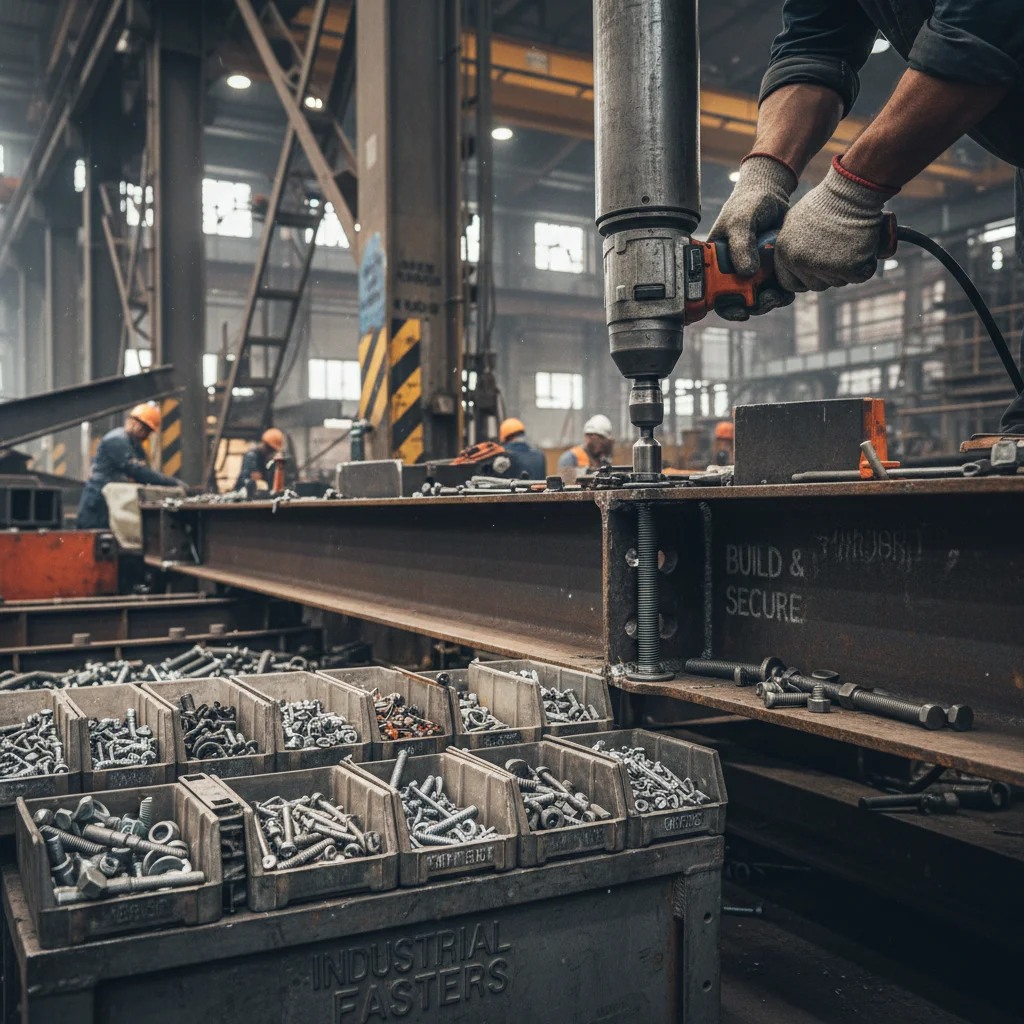
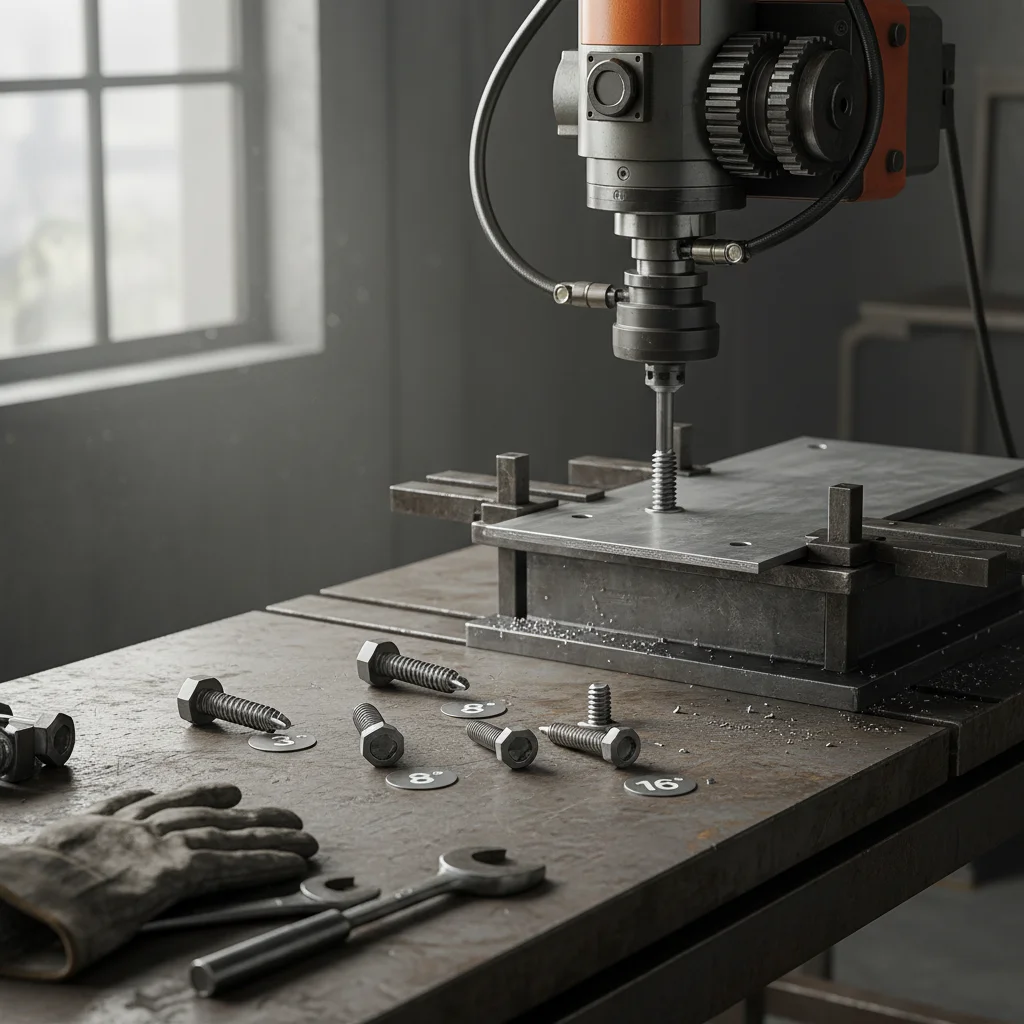
Installation requires no pre-tapping, and these screws often can be installed with regular power drivers. This reduces labor costs and time on site.
Many self forming screws maintain their hold even after multiple removal/reinstallation cycles — a huge plus in service or repair settings.
Mini takeaway: Self forming screws combine clever thread geometry and suitable materials to simplify assembly and improve durability in softer metals and plastics.
So, where are these screws making a mark? Let’s take a quick world tour:
I remember reading a case study about a Mexican NGO which cut setup time for emergency clinics by 30% because their modular units were designed around hardware that included self forming screws. Just goes to show – hardware innovation can be humanitarian, too.
The benefits quickly add up:
At the end of the day, it's not just about getting things together — it’s about safety, dignity, and trust in what you build.
| Specification | Detail |
|---|---|
| Material | Hardened Steel, Stainless Steel |
| Coating | Zinc-plated, Black Oxide, Nickel |
| Diameter Range | M3 to M8 (metric) |
| Head Types | Countersunk, Pan, Hex |
| Thread Pitch | Coarse and Fine options |
| Installation Torque | 5 to 12 Nm (approximate) |
| Vendor | Material Options | Typical Pricing (per 100 pcs) | Lead Time | Customization |
|---|---|---|---|---|
| Lianshi Tech | Steel, Stainless Steel | $18 - $25 | 2 weeks | Custom thread designs |
| FastenRight Co. | Steel, Zinc-plated | $15 - $22 | 3-4 weeks | Standard options only |
| ThreadPro Ltd. | Stainless Steel only | $23 - $30 | 1-2 weeks | Premium coatings available |
Advances in materials science and automation promise exciting developments in self forming screws. Imagine screws designed with bio-inspired coatings that reduce friction and improve corrosion resistance, or smart fasteners embedded with sensors to monitor tightness in real-time. Some manufacturers are exploring eco-friendly materials to fit into circular economy models—important as sustainability pressures mount globally.
Digital transformation in manufacturing also means better quality control and rapid prototyping of screw designs, increasingly customized to exact application requirements. It’s fascinating to think that such a small product could be at the heart of industries embracing IoT and Industry 4.0.
It’s not all sunshine and roses; self forming screws have their quirks. They can be tricky in harder metals and may cause cracking if installed improperly. Variations in the substrate material might lead to inconsistent thread formation.
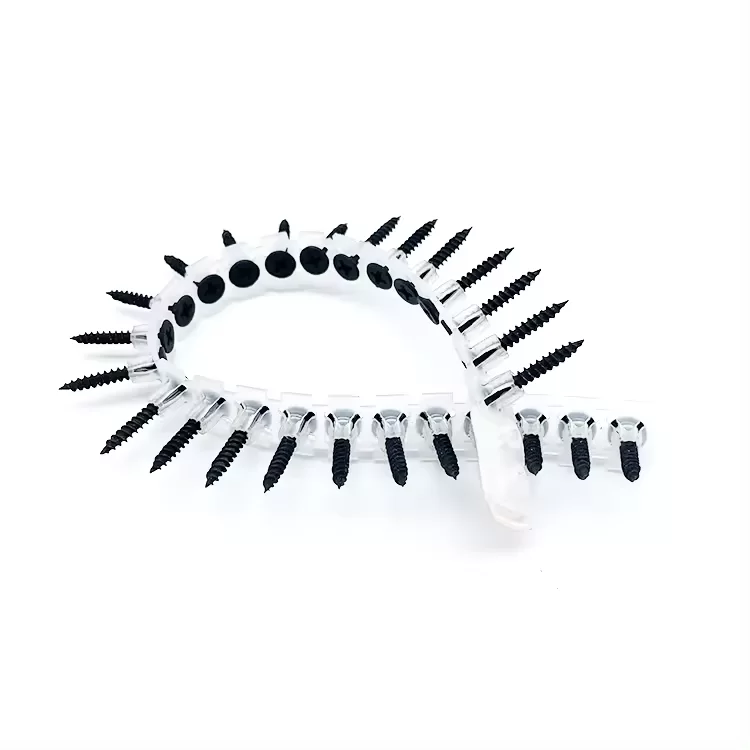
However, many engineers recommend using controlled-drive tools to maintain torque limits and carefully selecting material pairings. Pre-installation testing and using quality screw designs help mitigate performance issues. In large volume production, automated screw feeders and installation monitoring systems boost consistency.
In sum, self forming screws are more than hardware; they're practical solutions for efficiency, sustainability, and resilient design. Whether you're in automotive, electronics, or humanitarian construction, these little fasteners often play an outsized role.
If you want to explore technologically advanced and reliable self forming screw options tailored for your needs, I recommend checking out Lianshi Tech’s range. Because at the end of the day, fasteners might be small but their impact is quite big.
JOIN OUR NEWSLETTER


If you are interested in our products, you can choose to leave your information here, and we will be in touch with you shortly.