
Hit enter to search or ESC to close
Nov 28, 2025


Let’s start off by admitting something — anchors and fasteners aren’t exactly sexy industrial elements you find trending on social media feeds. Yet, if you work in construction, infrastructure, or any fast-paced industrial setting, you know how transformative a self drilling threaded anchor can be. Basically, it’s a fastener that drills its own hole, cuts its own threads, and secures itself without pre-drilling. That might sound niche, but globally, it meaningfully reduces labor time, cuts costs, and ensures safer, stronger installations. In fast-evolving industries where efficiency is king, understanding these anchors isn’t just beneficial — it’s almost mandatory.
Frankly, with global infrastructure spending projected to hit $4.5 trillion by 2025 (World Bank), any tool that promises speed and reliability deserves attention.
Worldwide, the demand for resilient construction and retrofitting solutions is skyrocketing. Whether it’s reinforcing earthquake-prone buildings in Tokyo, securing industrial equipment in remote Arctic facilities, or fast-tracking emergency shelters post-disaster, the challenge is always the same: how to anchor reliably without losing valuable time?
According to ISO standards on fasteners (ISO 898), consistent quality and performance are critical — especially in areas prone to environmental stress. With climate risks growing and urbanization accelerating (UN reports predict 68% of the world population to live in urban areas by 2050), the role of such anchors becomes pivotal. They don’t just hold parts together; they hold together safety, trust, and tomorrow’s infrastructure.
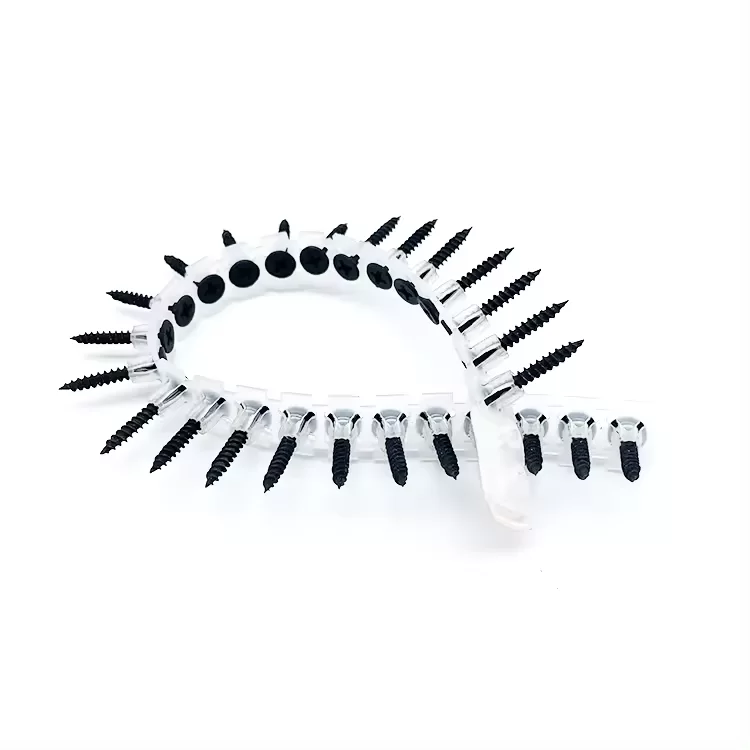
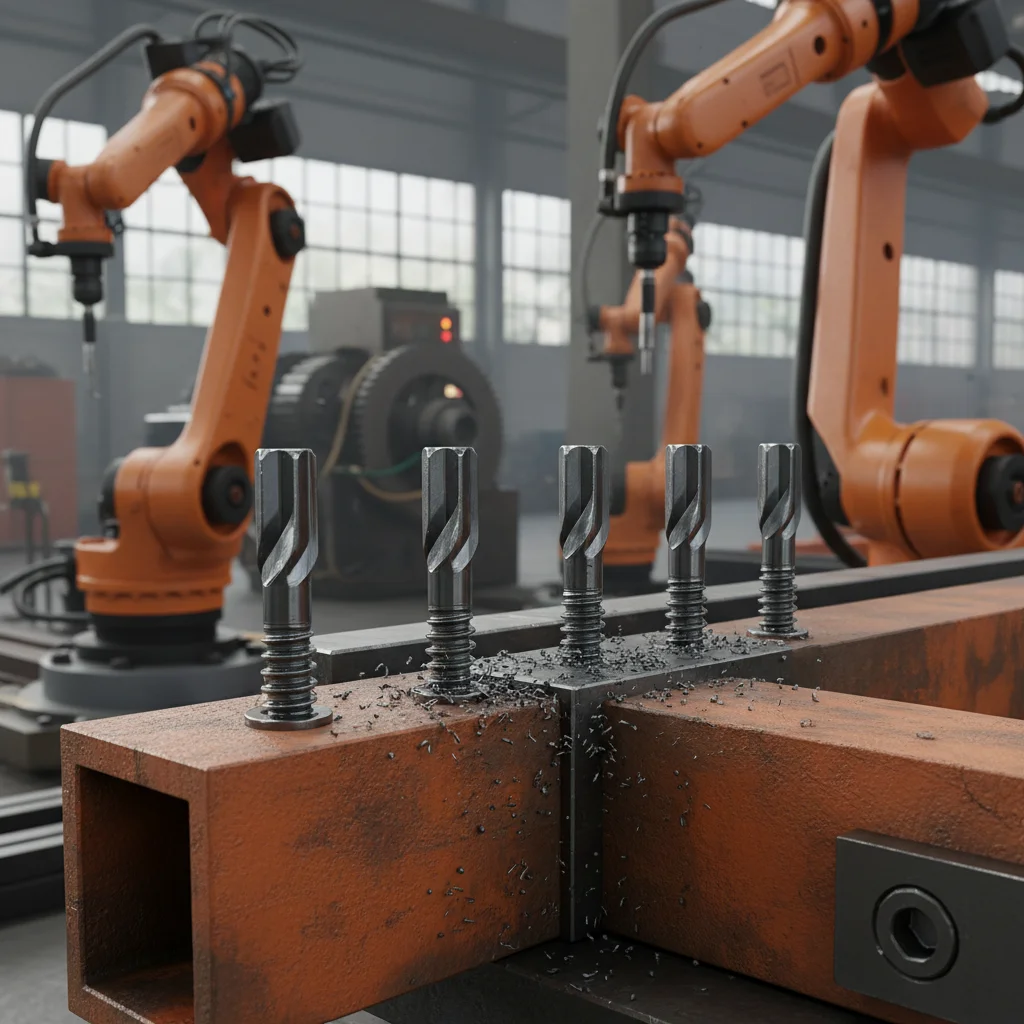
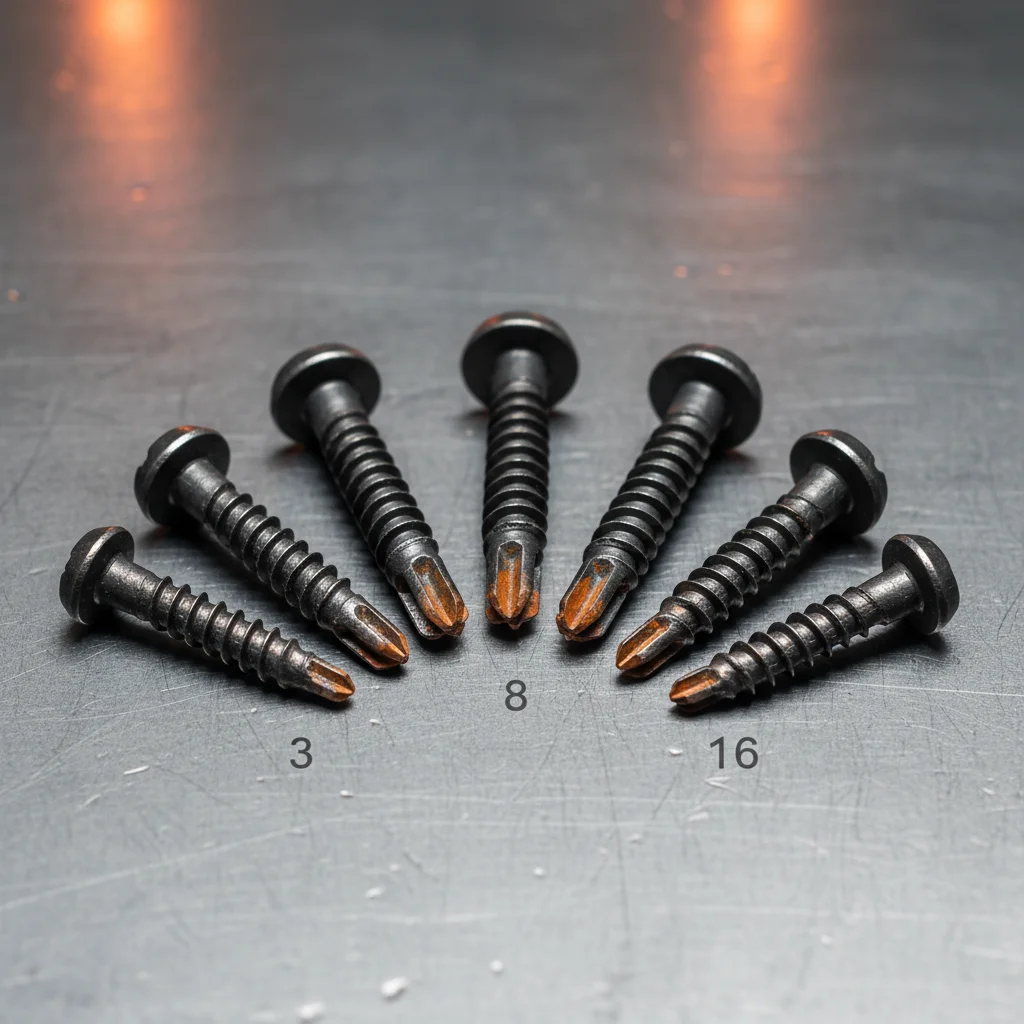
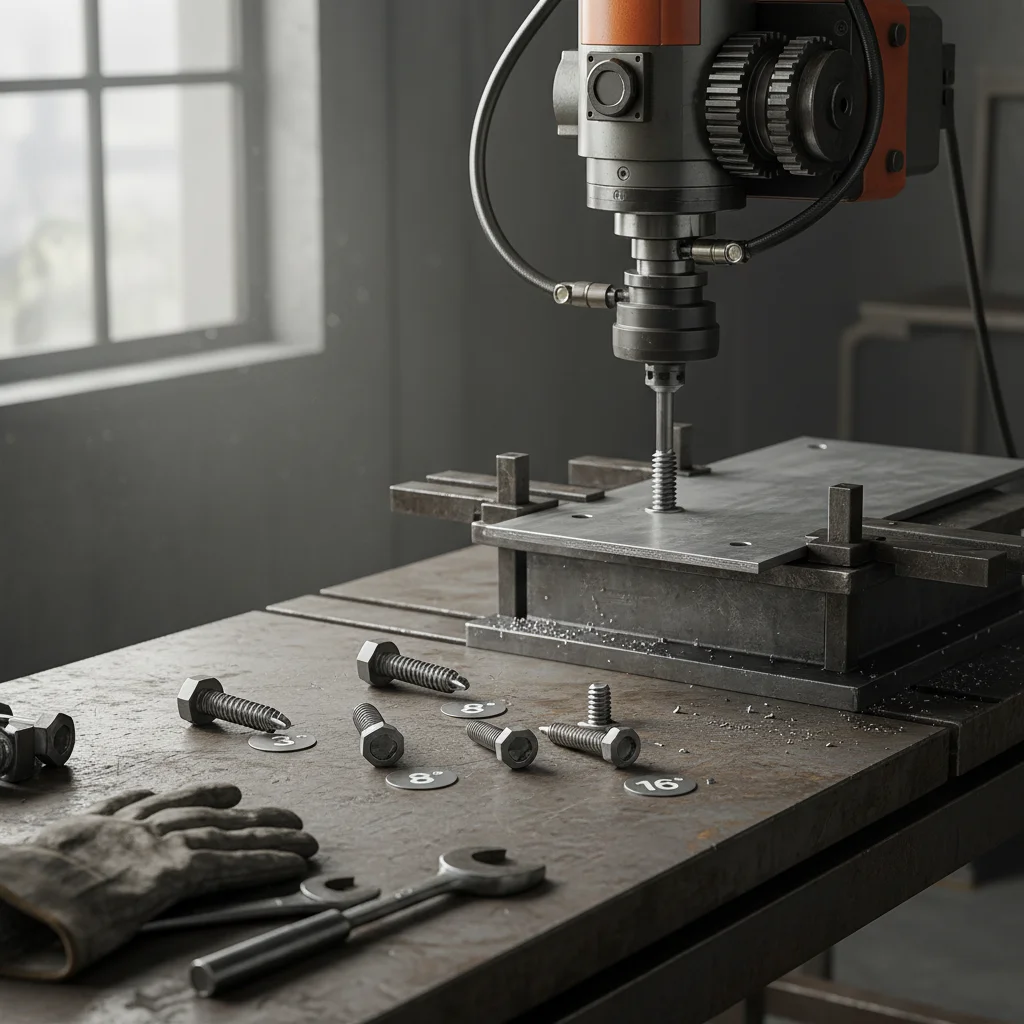
In plain English, imagine a screw with a sharp drill bit tip and cutting threads that can bore into metal, concrete, or masonry without needing a pilot hole. The "threaded" part locks itself securely, creating a mechanical bond fast enough for tight production schedules and heavy-duty applications alike.
Oddly enough, this seemingly simple combination — drill bit and sturdy threaded body — contributes to industries as diverse as aerospace, civil engineering, and humanitarian logistics. For nonprofits building rapid-deploy shelters or rural water towers, this means less reliance on heavy machinery or power tools, opening doors where infrastructure is minimal.
The anchor’s materials usually include engineered steel alloys, often galvanized or coated to resist corrosion. In rough environments like coastal installations, this can make or break the lifespan of the fastener — and frankly, of the entire structural setup.
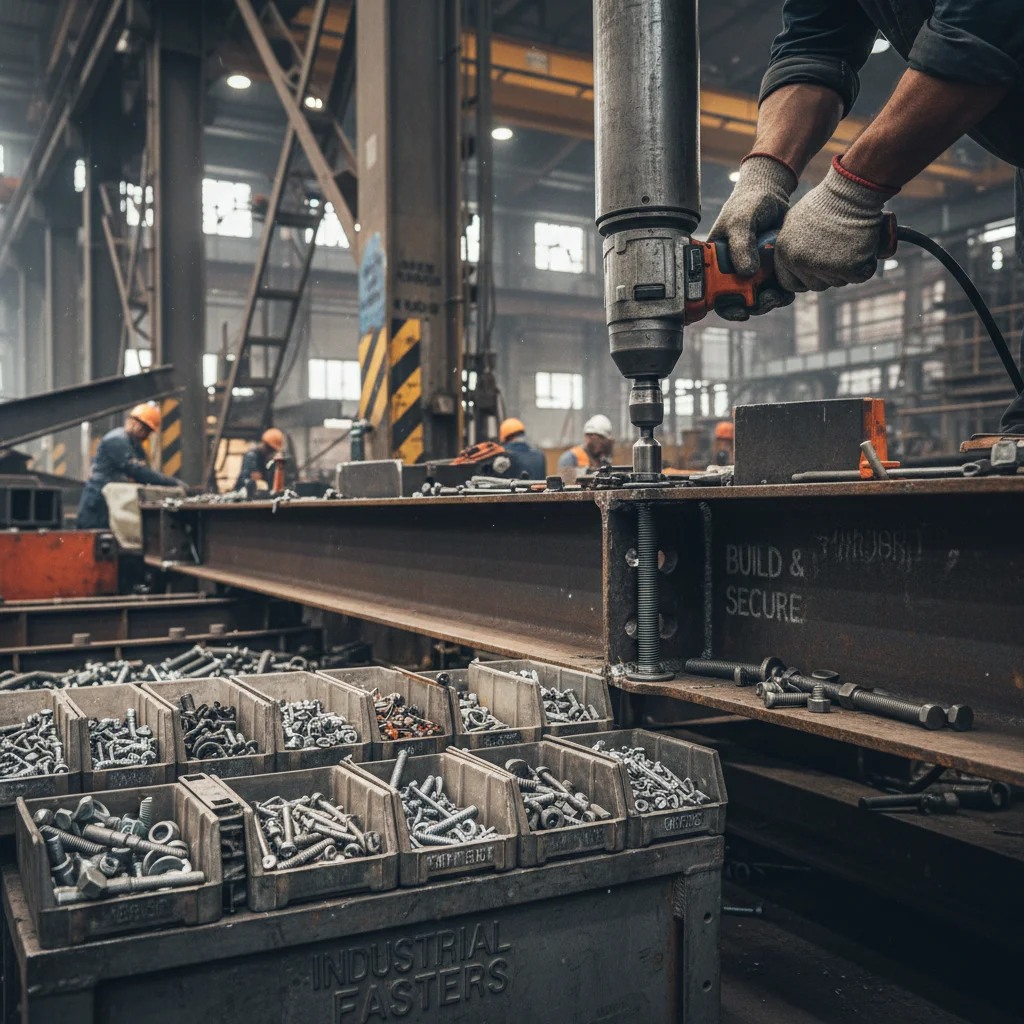
Vendors offer various sizes and load capacities, making them adaptable for everything from light-duty solar panel mounts to heavy industrial pipework. This versatility helps engineers plan stages of construction without juggling multiple fastener types.
No pre-drilling means an enormous time saver. Less equipment on-site translates to fewer errors and less fatigue for installation crews, which can have a direct impact on project timelines and safety statistics.
When you consider labor hours, auxiliary tools, and downtime, the self drilling feature adds up to significant cost reductions. While the anchors might be marginally pricier than standard bolts, the overall savings balance out.
Using fewer power tools means lower energy consumption. Also, reduced waste from fewer damaged or misaligned drilled holes makes it a greener choice compared to traditional anchors.
Self drilling threaded anchors combine strength, versatility, and speed in a package that reduces costs and foots a lot less hassle in the field. They truly earn their spot beyond the toolbox.
Let me take you on a quick world tour:
In one example, an NGO involved in rebuilding schools after floods in Mozambique reported a 30% faster installation time, thanks to these anchors — that’s precious when teaching can resume sooner.
Sure, speed and strength are obvious benefits, but the human factor often slips under the radar. Installers report less fatigue and smoother workflows; owners gain peace of mind knowing that structures hold firm; communities get safer, more resilient environments.
These anchors also support sustainability goals through longer lifespan and reduced material waste. In a time when companies champion ESG commitments more loudly than ever, self drilling threaded anchors tick the boxes for innovation and responsibility.
The industry’s not standing still. New composite materials are being tested to cut weight while enhancing corrosion resistance. Smart anchors embedded with miniature sensors capable of monitoring structural strain in real-time are being prototyped — a bit like a Fitbit for construction joints.
Automation in installation is also expanding, where drones or robotic arms could someday handle anchoring in hazardous or hard-to-reach zones. If sustainability stars align, we might see anchors made from recycled metals paired with biodegradable coatings.
No product is perfect. Self drilling anchors sometimes require precise torque control to avoid over-tightening, which can damage materials. Specialized training and smart tools that give feedback on installation quality are helping mitigate this.
Additionally, varying substrate conditions (different concrete densities, metals) mean engineers must carefully select the right anchor type and size instead of a “one-size-fits-all” approach. Thankfully, ongoing R&D and better standardized testing protocols — like those from ASTM or ISO — guide these decisions.
| Specification | Details |
|---|---|
| Material | High-strength galvanized steel or stainless steel alloy |
| Diameter Range | 6 mm to 25 mm |
| Length Options | 30 mm to 150 mm |
| Thread Pitch | Standard and coarse depending on application |
| Installation Tool | Cordless drill or impact wrench |
| Load Capacity | Up to 10 kN (varies by size & substrate) |
| Supplier | Product Range | Custom Solutions | Global Shipping | Price Range |
|---|---|---|---|---|
| AnchorMax Inc. | Wide (industrial, construction, automotive) | Yes | Yes | $$ |
| FastFix Solutions | Medium (focus on civil and infrastructure) | No | Limited | $ |
| GlobalAnchor Tech | Extensive (including smart anchors) | Yes | Yes | $$$ |
In real terms, self drilling threaded anchors are quietly revolutionizing how we build and repair the physical world around us. Their blend of speed, strength, and sustainability answers a lot of current challenges, and given continuous innovation, they’re not going away anytime soon.
If you want to stay ahead of the curve — whether you’re an engineer, contractor, or even a humanitarian worker — it’s worth diving deeper. For more info, specs, or to explore the latest in self drilling threaded anchors, jump over to our website. You’re likely to be surprised how much difference the right anchor can make.
JOIN OUR NEWSLETTER


If you are interested in our products, you can choose to leave your information here, and we will be in touch with you shortly.