
Hit enter to search or ESC to close
Nov 30, 2025


If you've ever tackled a construction or assembly project, chances are you have come across what might seem like an ordinary screw—but this is no ordinary fastener. The self drilling screw bugle head is one of those unsung heroes in modern industry, quietly keeping structures reliably fastened while saving time and effort. Why should the global community care? Because these screws streamline construction processes worldwide, from skyscrapers to simple repair works, improving construction speed, safety, and durability.
Understanding these fasteners means better project outcomes, cost efficiency, and less waste. Countries investing in infrastructure, humanitarian programs, or even small businesses depend on such innovations — often without realizing how much these tiny components impact their work.
Construction materials engineering is evolving fast. According to the International Organization for Standardization (ISO), fasteners like self drilling screws are integral in enhancing assembly automation and lowering labor costs globally. The global construction market is projected to reach $15 trillion by 2030 (World Bank data), where efficiency tools matter more than ever.
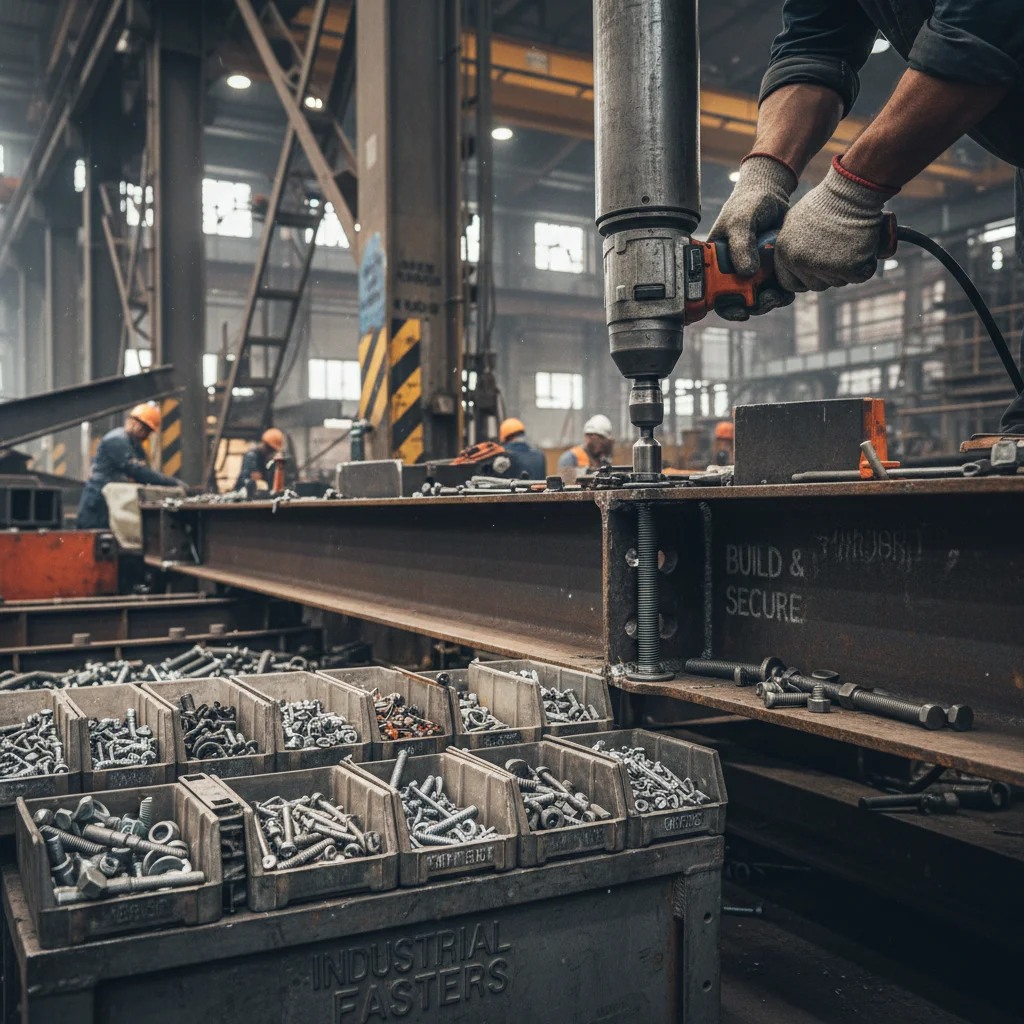
Yet, problems remain. Inefficient fasteners can cause delays, weaker joints, or costly rework. In rapidly urbanizing areas—from Asia's megacities to Africa's expanding industrial zones—building safe, durable structures on tight budgets calls for tech that works reliably. Self drilling screws with bugle heads answer this by combining drilling and fastening in one step, cutting out the need for pre-drilling and reducing installation time.
Simply put, they address one of the construction industry's quiet but costly bottlenecks.
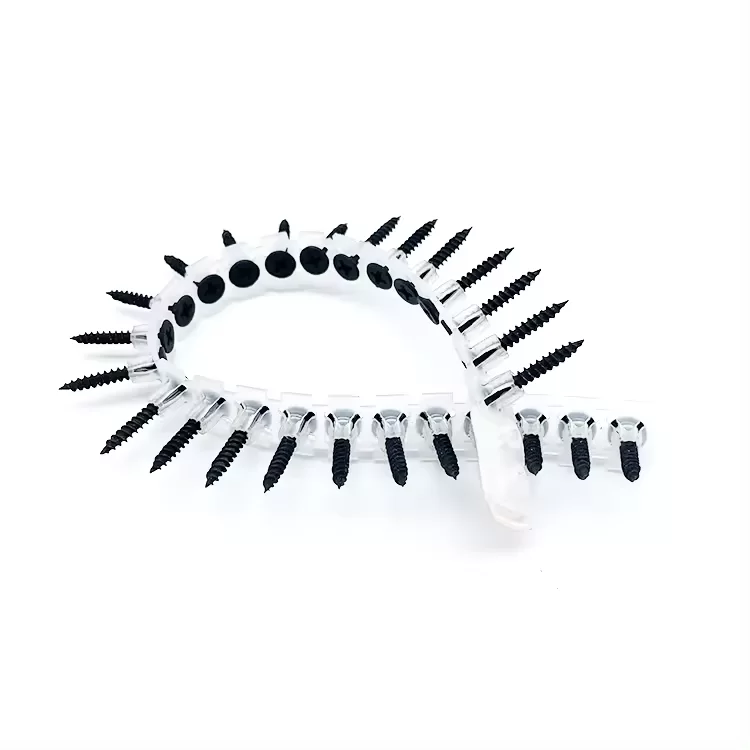
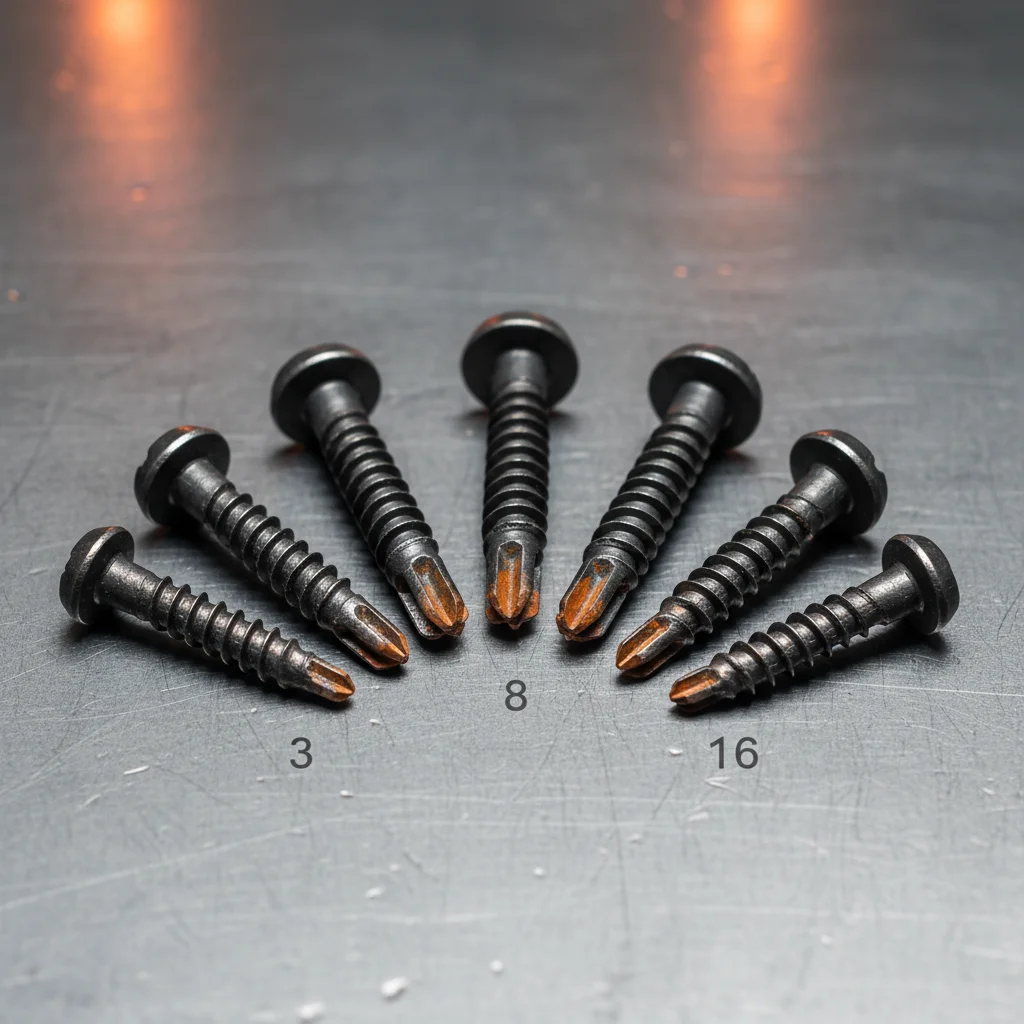
At its core, this fastener is a screw designed to drill its own hole and secure itself in metal or wood surfaces, thanks to a hardened drill-like tip. The “bugle head” refers to its rounded, flared head shape, which allows for smoother countersinking and better load distribution with minimal surface damage.
This design feature, originally tailored for drywall installers, reduces splitting and creates a neat finish. In the bigger picture, these screws help speed up construction, avoid damage to delicate materials, and provide a tighter grip than traditional screws.
These qualities make them essential not just in commercial construction, but also in humanitarian projects such as building emergency shelters or solar panel mounts in remote communities.
Manufacturers typically use heat-treated carbon steel or stainless steel to produce these screws. The material choice ensures corrosion resistance and strength, key for outdoor or industrial applications where the screw may face extreme weather or chemical exposure.
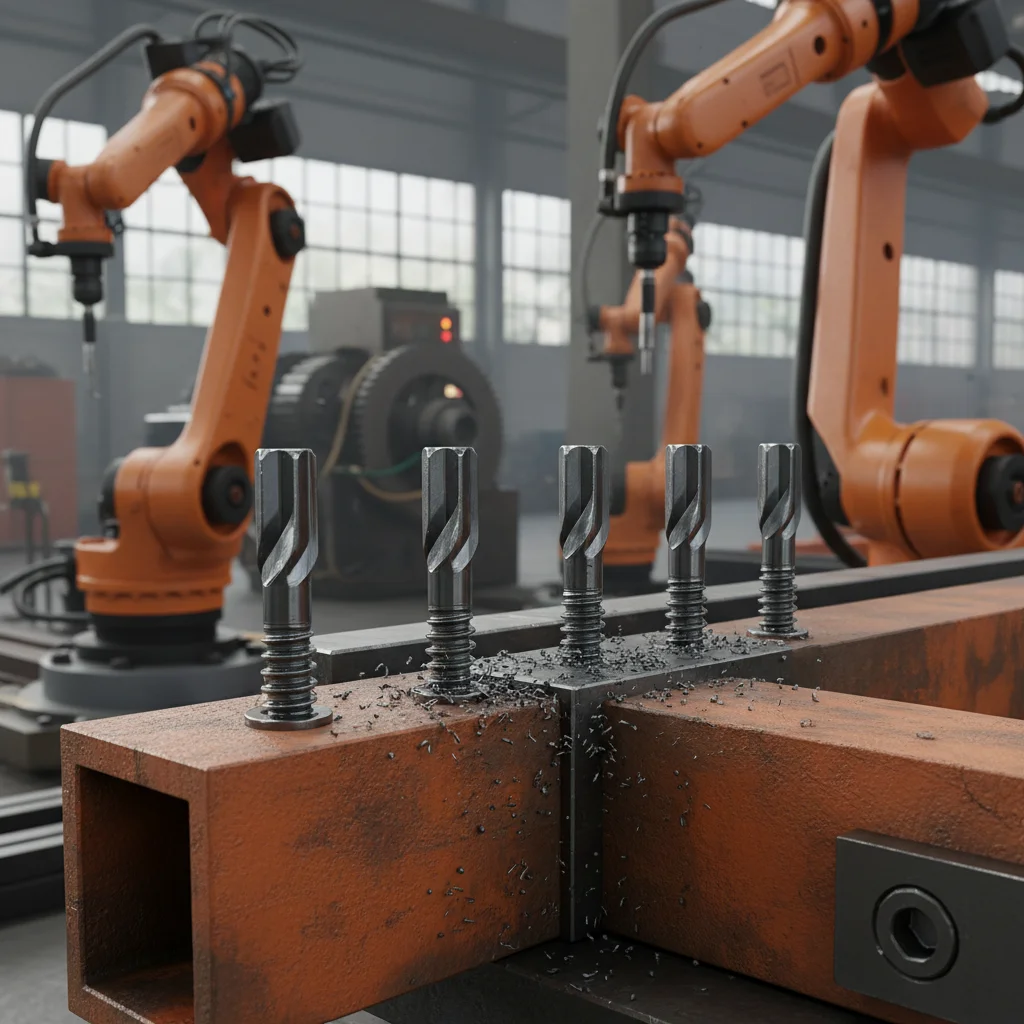
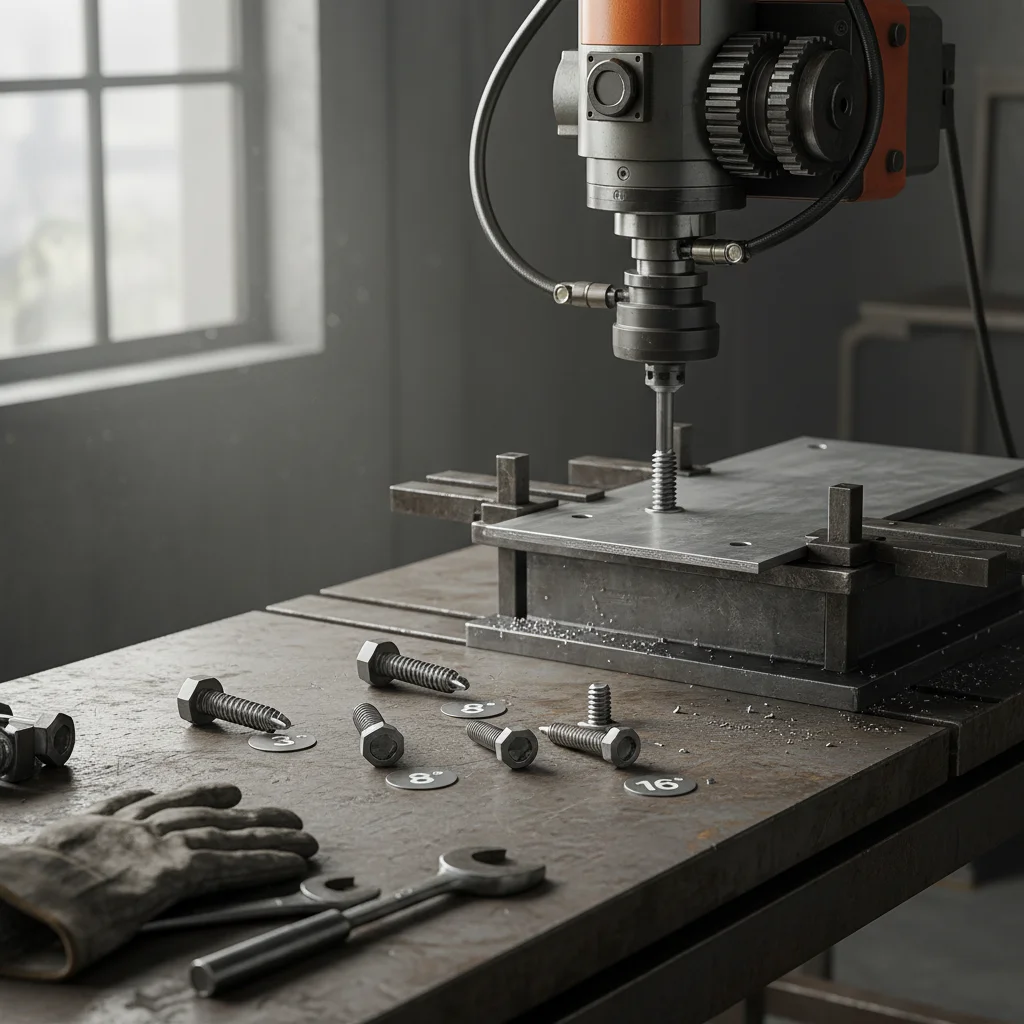
The integrated drill tip eliminates the need for pre-drilling, cutting labor time and tool requirements. It’s designed to pierce through steel sheets up to a certain thickness—usually between 1.2 mm to 6 mm—depending on the screw model.
This head profile helps prevent damage to joining surfaces. Unlike flat or pan heads, it spreads the load across a larger area and helps the screw sit flush or slightly below the surface for cleaner results.
Threads on these screws are often varied: coarse threads for wood, fine threads for metal. This versatility means the same bugle head screw can adapt to many materials, making it a handy universal tool.
From zinc plating to epoxy coatings, finishes protect screws from rust and extend lifespan. Some are even rated for fire resistance or extreme UV exposure.
The magic behind the self drilling screw bugle head lies in a smart combination of design and materials that make installation faster, neater, and more reliable.
From North America to Southeast Asia, from disaster zones to factory floors, these fasteners are everywhere.
For instance, in coastal India, a community solar initiative credits bugle head self drilling screws for making maintenance faster and reducing downtime during monsoon seasons. Similarly, emergency housing NGOs in the Philippines prefer these screws because volunteers with minimal tools can erect durable shelters quickly.
| Specification | Detail |
|---|---|
| Material | Heat-treated carbon steel, stainless steel options |
| Head Type | Bugle head for smooth countersink |
| Tip Style | Self drilling with 1.5 mm point diameter |
| Coating | Zinc plated, epoxy coated, or galvanized |
| Sizes | #8 to #14 diameter, 19 mm to 150 mm length |
| Drilling Capacity | Up to 6 mm thick steel sheets |
| Vendor | Material Quality | Coating Options | Price per 1000 | Notable Feature |
|---|---|---|---|---|
| Lianshiwjnail | Premium Carbon Steel | Zinc, Epoxy | $55 | High durability & fast shipping |
| GlobalFasteners | Stainless Steel | Galvanized | $62 | UV resistant coating |
| BuildPro | Carbon Steel | Zinc plated | $48 | Bulk discounts available |
One big plus? You save on labor time. Fewer tools, fewer steps equals faster build cycles—a big deal no matter if you’re a contractor or a volunteer getting urgent work done.
Then, there’s durability: corrosion resistance means longer-lasting joints, fewer replacements, and less wastage. Emotionally, it’s also about trust. When you know your structure won’t fail because of a loose screw or a cracked wallboard, that’s peace of mind. Plus, on a sustainability note, fewer materials wasted and longer service life makes these fasteners a subtle but important part of greener construction.
Of course, it’s not all perfect. Problems like chip or burr formation during drilling can cause weak joints if not handled right. Also, not every screw is designed for extremely thick metal.
But many manufacturers now offer versions customized for specific materials and thicknesses, and professionals stress proper pilot hole evaluation if needed. Using self drilling screw bugle head products specifically engineered for your purpose often solves common headaches.
All things considered, the humble self drilling screw bugle head plays a surprisingly vital role in the construction and manufacturing world. It’s one of those tools that quietly but effectively improves safety, efficiency, and cost savings.
Whether you’re a builder, project manager, humanitarian worker, or hobbyist, understanding and selecting the right fastener can save time and stress — a win-win, to put it mildly.
Ready to upgrade your builds? Check out more details and order your self drilling screws from our trusted vendor here. Because sometimes, it’s the small things that make the biggest difference.
After all, fasteners rarely get the spotlight—yet every engineer I’ve talked to agrees: the right screw can make or break a job. As construction trends embrace digital tools and sustainability, I wouldn’t be surprised if these workhorse screws become even smarter and greener in coming years.
JOIN OUR NEWSLETTER


If you are interested in our products, you can choose to leave your information here, and we will be in touch with you shortly.