Understanding the Round Head Self Drilling Screw: Why It Matters Worldwide
Ever paused and thought about the tiny hardware that holds up vast skyscrapers, sprawling warehouses, or quick-build relief shelters? That humble protagonist often is the round head self drilling screw. At first glance, it might seem like just another small piece in the construction puzzle, but its impact is surprisingly global and profound. From streamlining industrial assembly lines to accelerating emergency shelters in disaster-hit regions, this screw quietly solves big problems.
Globally, construction and manufacturing account for nearly 13% of GDPs, according to the World Bank, and a huge slice of that is fast, reliable fastening — where the round head self drilling screw shines. Understanding its benefits and nuances isn’t just technical geekery; it’s critical for anyone involved in building, logistics, and infrastructure development. After all, reliability and speed can save lives and money alike.
Mini takeaway: The round head self drilling screw is a small yet vital tool that supports major global industries and humanitarian efforts by enabling quick, sturdy assembly.
Why Should We Care? The Global Context
Around the world, rapid urbanization, industrial expansion, and climate change-induced disasters demand faster building methods. The UN estimates that by 2050, 68% of the global population will live in urban areas, causing building density and infrastructure needs to skyrocket. Within this whirlwind, traditional methods of fastening materials can bottleneck progress — slow, laborious, sometimes unreliable.
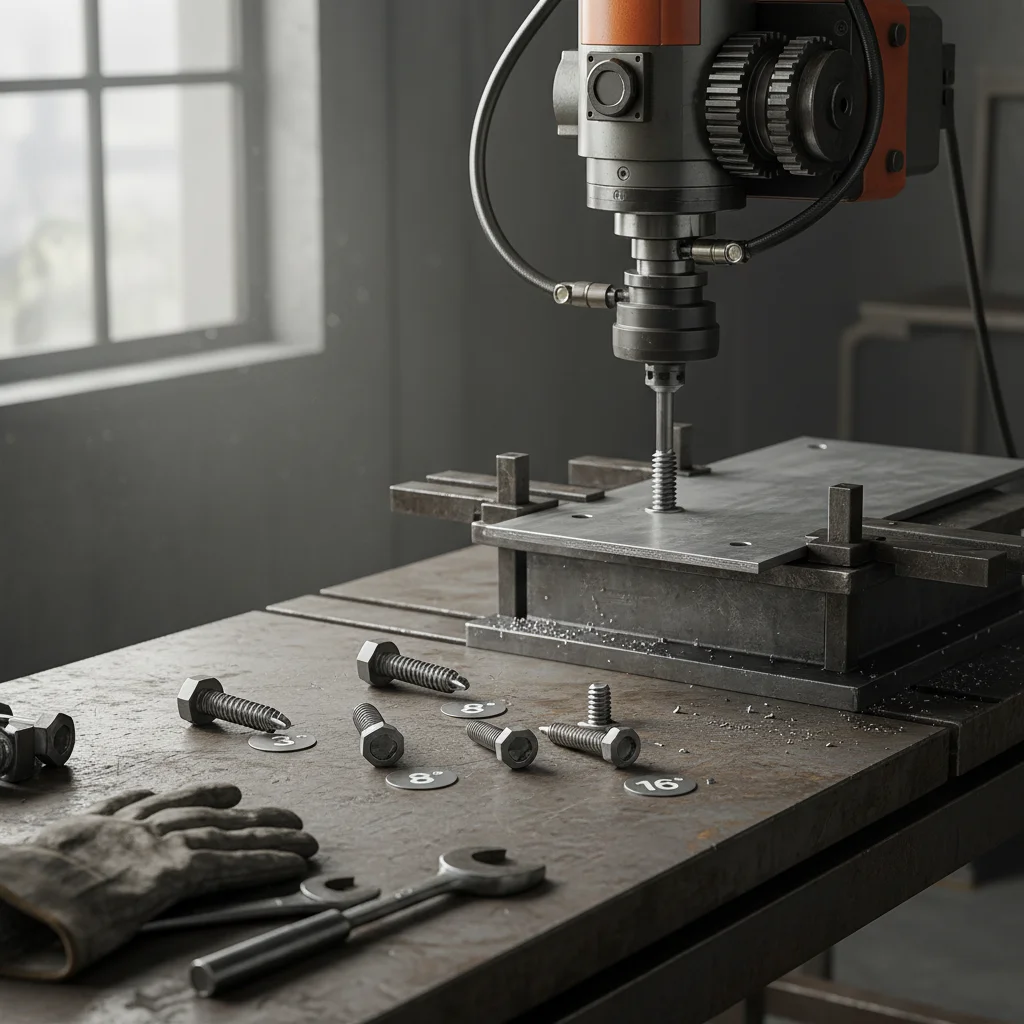
This is where the round head self drilling screw comes in. Unlike regular screws that need pre-drilled holes, these screws drill and fasten in one go — shaving hours or days off projects. Their efficiency is vital for industries from steel construction to HVAC installations. They also play a big role in humanitarian organizations racing against the clock to erect shelters after floods or earthquakes.
So, What Exactly Is a Round Head Self Drilling Screw?
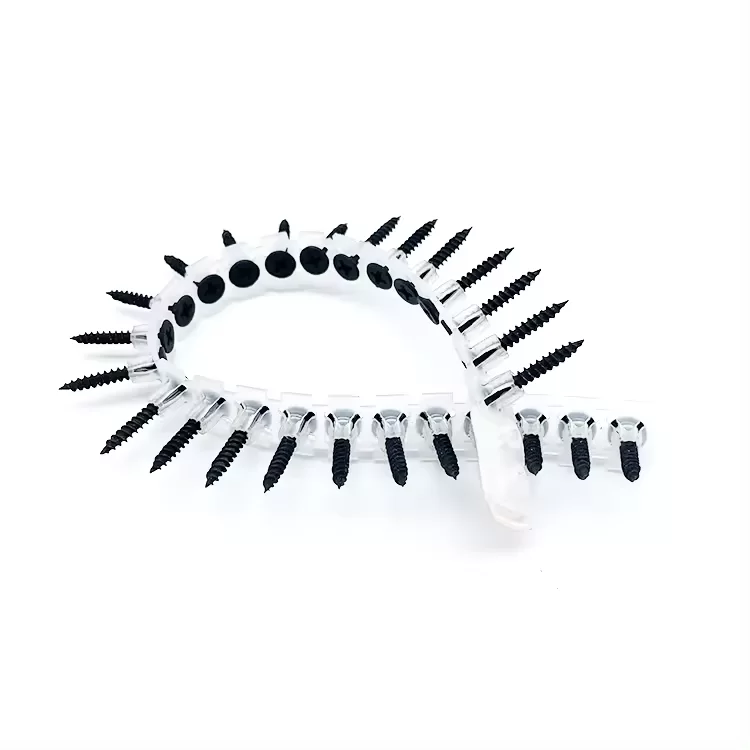
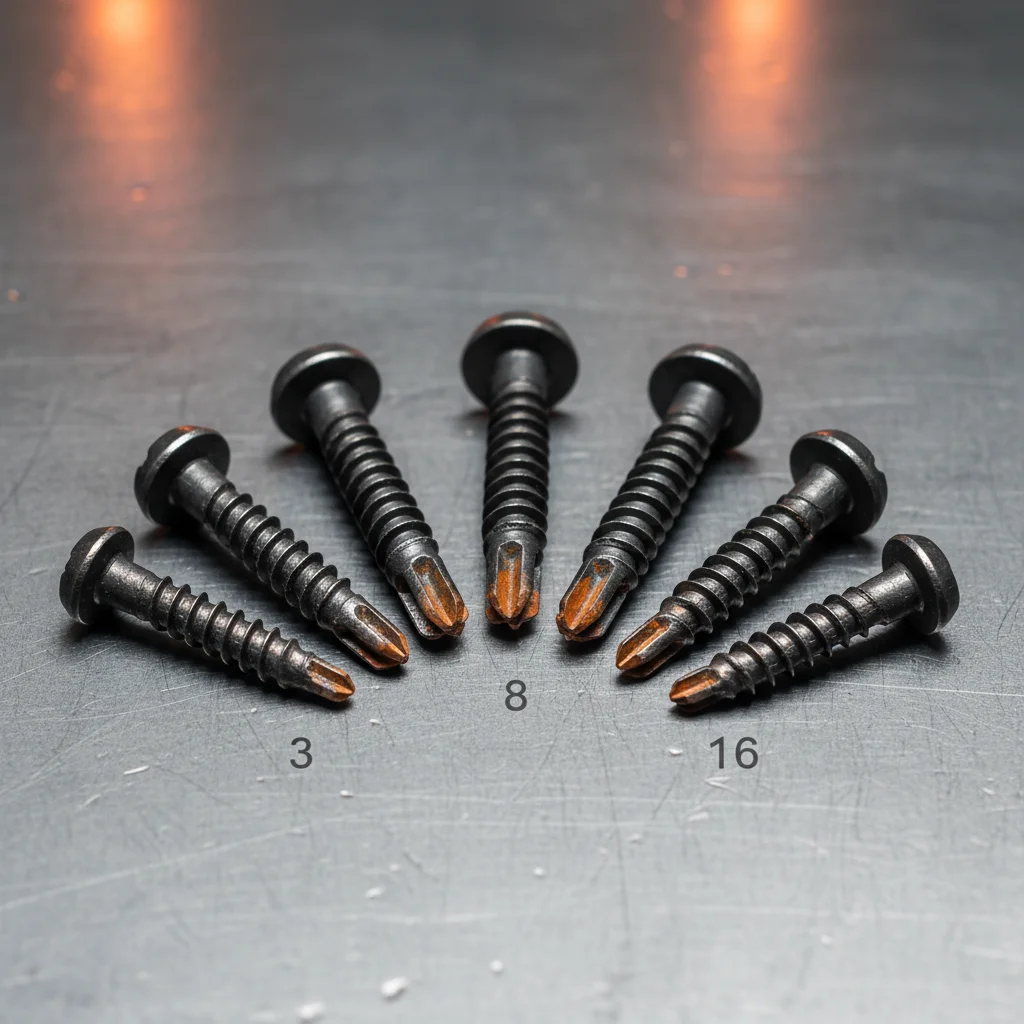
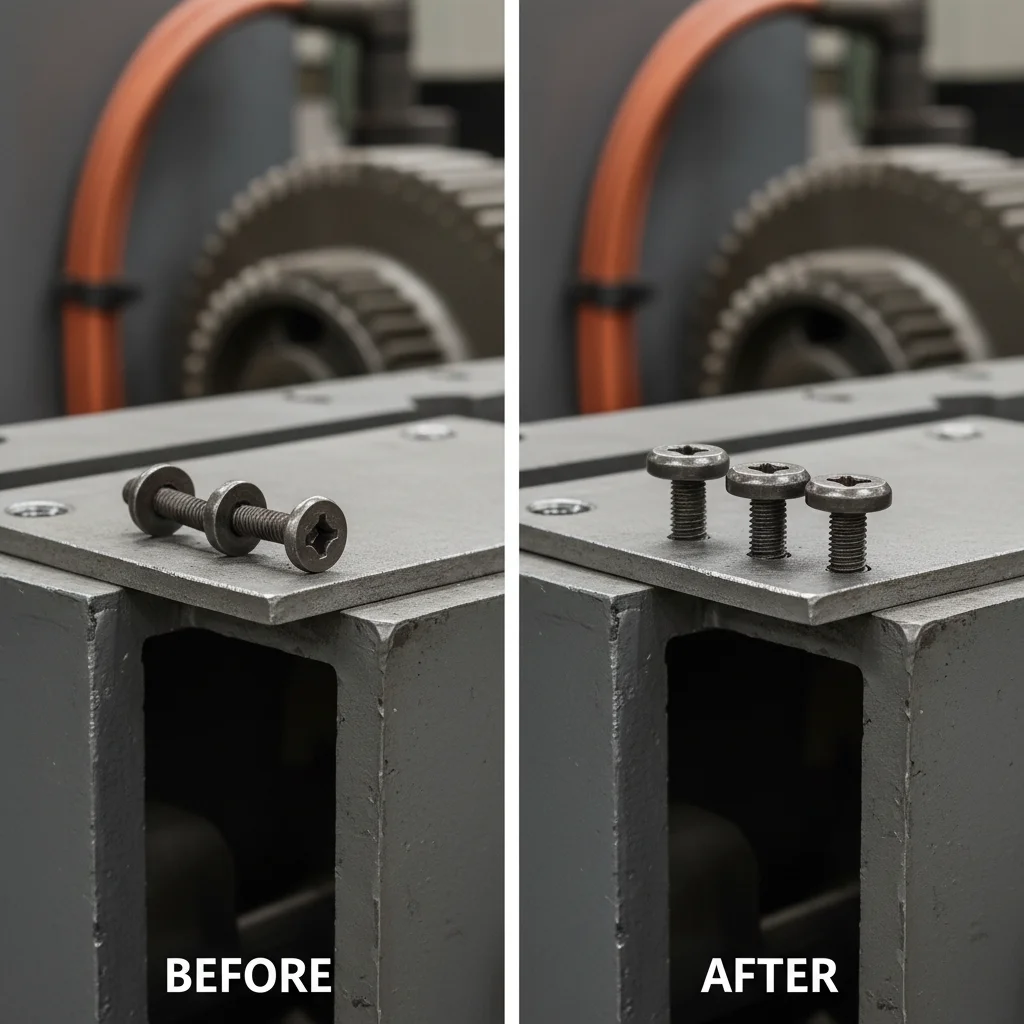
Put simply, it's a screw with a rounded top (as opposed to flat or countersunk heads) combined with a drill-like threaded tip designed to bore through metal or wood without pre-drilling. This design lets workers fasten materials in a single motion— less hassle, less time, fewer tools.
The round head offers a larger surface area for driving force and a neater finish, often preferred when aesthetics matter on exposed surfaces. These screws come coated or treated to resist corrosion, which is essential in outdoor, humid, or steel-heavy environments.
Technically, these fasteners are connected to the modern industrial push for quick, reliable modular assembly. Humanitarian need? Absolutely. When a cyclone flattens a coastal village, for instance, workers need durable fixings to rebuild roofs quickly with minimal tools.
Core Features of the Round Head Self Drilling Screw
1. Durability & Corrosion Resistance
A screw’s strength counts for little if it rusts out in months. Most of these screws use galvanized or stainless steel coatings, sometimes even special polymers, so they stand firm against weather and time.
2. Time Efficiency
Frustratingly, many fasteners require drilling pilot holes first. With self drilling screws, that step disappears. Think of it as skipping a whole dance move — smooth and fast.
3. Load Bearing Capacity
Despite their small size, these screws can handle significant shear and tensile loads, especially in steel framing or panel installations. Many structural engineers swear by their consistency.
4. Versatility in Materials
They don’t just work on metal. Depending on design, these screws can fasten to wood, plastic composites, and even some masonry products, making them flexible for hybrid construction.
5. Cost-Effectiveness
Fewer steps, less labor, and minimal tool wear translate directly to savings. Even when priced higher per unit than a standard nail or bolt, the total project cost usually drops.
Mini takeaway: The round head self drilling screw combines strength, speed, and cost-efficiency, perfect for a broad range of industries and on-site conditions.
Practical Specs: What You Want to Know Before Buying
| Specification |
Details |
| Head Type |
Round Head (domed) |
| Tip Style |
Self Drilling - Drill Point Tip |
| Material |
Steel (often Carbon Steel, Stainless, or Galvanized) |
| Coating |
Zinc Plating, Epoxy, or Polymer Coatings for Corrosion Resistance |
| Length Range |
10 mm to 100 mm (varies by supplier) |
| Common Diameter |
4.2 mm to 6.3 mm |
Where Are These Screws Really Making a Difference?
Globally, they crop up in some unexpected places:
-
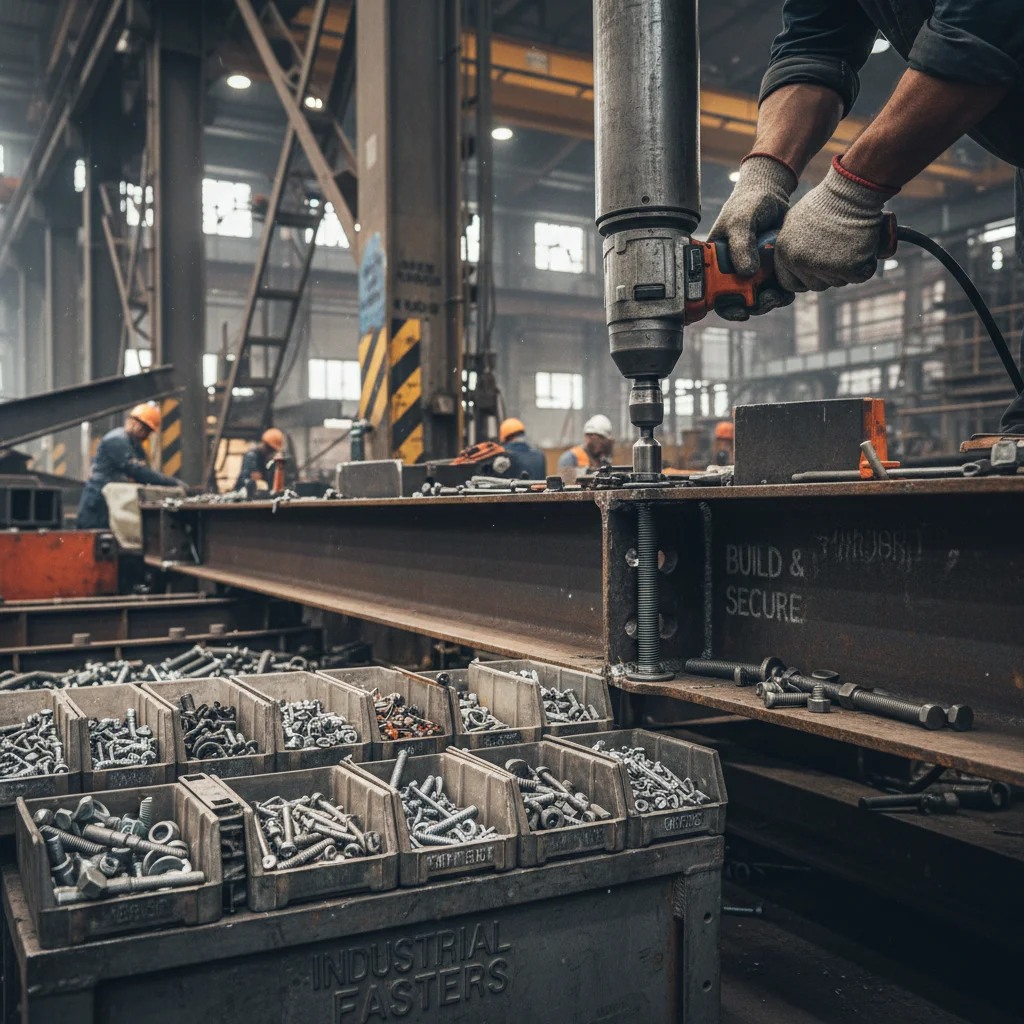
Industrial Construction: Steel frame assembly often uses these screws because they connect metal girders and panels cleanly and quickly.
-
Renewable Energy Farms: Solar panel mounting rails require durable fasteners that resist corrosion, especially in harsh climates.
-
Disaster Relief Operations: Agencies deploying rapid housing solutions prefer round head self drilling screws since no bulky drills or multiple tools complicate setup.
-
Remote Industrial Zones: In mines or oil rigs, where tool access is limited, these screws speed things up.
For example, after a 2019 earthquake in Indonesia, construction teams credited the use of these screws with cutting shelter erection times in half. Small time-saving methods add up — quite literally.
Vendor Comparison Snapshot
| Vendor |
Material Quality |
Coating Options |
Size Customization |
Bulk Pricing |
Global Shipping |
| Lianshiwjnail Corp |
High Carbon Steel |
Zinc, Epoxy |
Yes (length, diameter) |
Competitive |
Worldwide |
| FastFix Supplies |
Stainless Steel |
Polymer Coating |
Limited |
Moderate |
North America, Europe |
| BuildSure Hardware |
Galvanized Steel |
Zinc Plating Only |
Standardization Only |
High |
Asia-Pacific |
The Advantages of Choosing Round Head Self Drilling Screws
Why does this product keep winning hearts and projects worldwide? I think it’s the blend of tangible benefits — like cost savings, time efficiency, and corrosion resistance — plus an intangible feel of reliability. You can trust these fasteners to hold even under challenging conditions: high winds, salty air, or seismic shifts.
They also bring social value:
- Faster building means quicker housing for displaced families.
- Less labor means safer, less strenuous jobs.
- Their durability supports sustainable infrastructure, reducing repair waste.
Looking Ahead: Trends and Innovations Shaping the Future
The future of the round head self drilling screw seems tied to sustainable and smart manufacturing. For instance, new eco-friendly coatings are emerging to reduce environmental impact. There’s buzz about integrating sensors in fasteners to monitor stress in real time — a flashy idea, yes, but it might soon be standard in critical infrastructure.
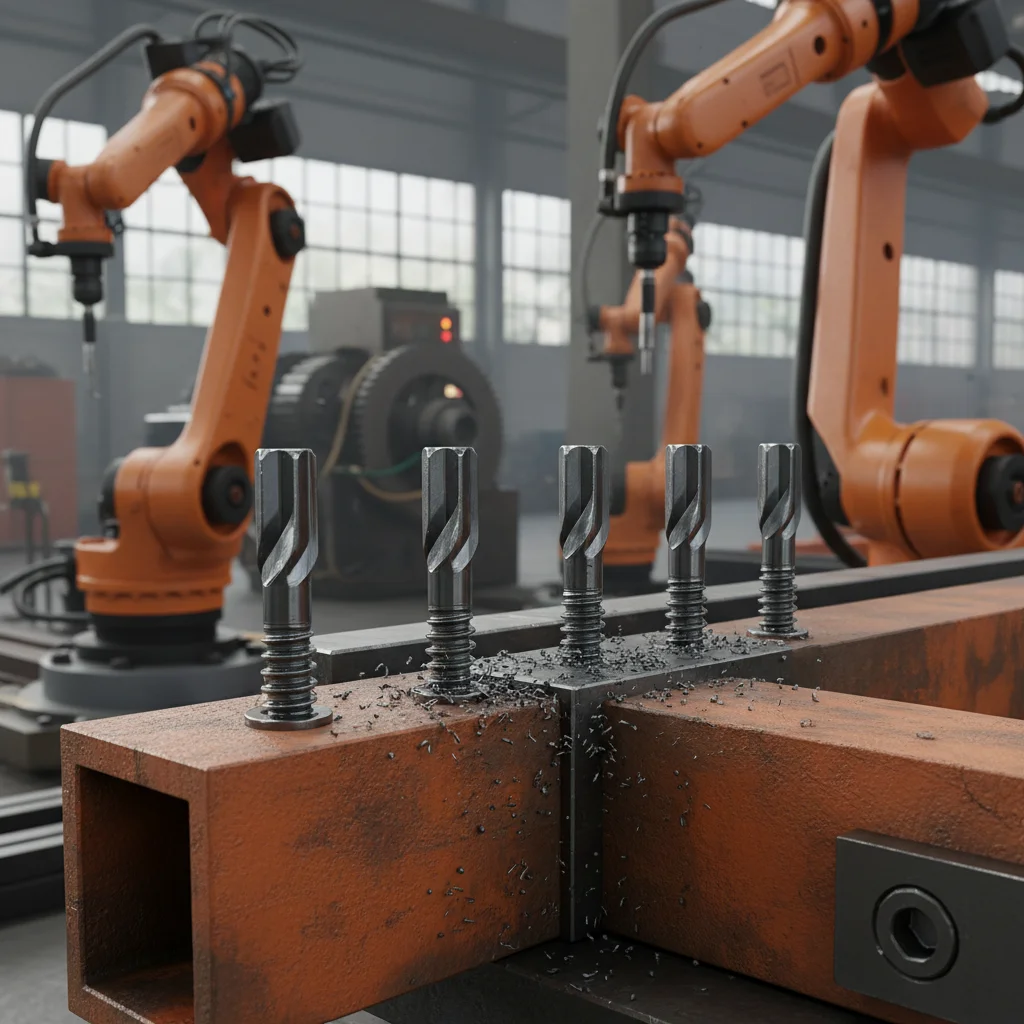
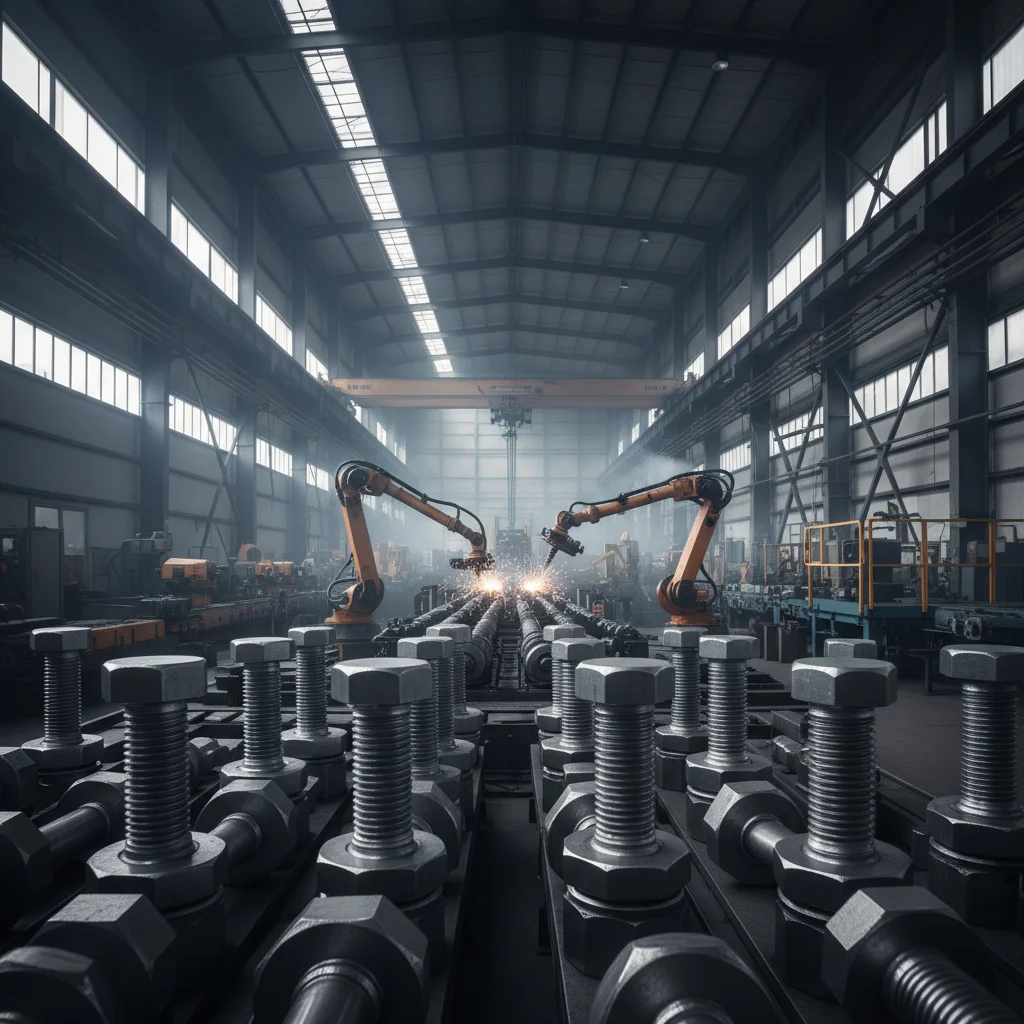
Automation is also a big deal. Self drilling screws are feeding into robotic assembly lines that put roofs and walls up without human hands, just machine precision and efficiency.
round head self drilling screw manufacturers are also experimenting with bio-based polymers and super-strong alloys to tailor screws for specialized uses, from offshore platforms to modular homes.
Challenges in Practice and How We Tackle Them
No product is perfect. Sometimes, these screws struggle with ultra-thick metals or brittle materials where the drill tip can wear quickly or snap. Also, in very high-corrosion environments, coating failures occasionally occur when specs aren’t followed.
Experts suggest these approaches to improve outcomes:
- Employ screw material tailored precisely to the substrate.
- Encourage proper driver bit use to prevent cam-out wear.
- Innovate coatings with nanotech for extreme durability.
FAQ: Your Burning Questions About Round Head Self Drilling Screws
Q1: How does a round head self drilling screw differ from a regular screw?
A: The main difference lies in the tip—the self drilling screw has a hardened, drill-shaped point that can pierce metal or wood directly, eliminating the need for pilot holes. The round head provides a smooth, domed finish that’s often visually preferable and distributes pressure evenly.
Q2: Can these screws be used outdoors?
A: Absolutely. Most round head self drilling screws come with corrosion-resistant coatings like zinc plating or epoxy, designed specifically for outdoor conditions, including humid or salty environments like coastal areas.
Q3: What tools do I need to install these screws?
A: Typically, a power drill or driver with the matching bit size is enough. Since they’re self drilling, no pre-drilling is required, but using the correct torque and bit style is important to avoid slipping or damage.
Q4: Are round head self drilling screws cost-effective for large projects?
A: Yes. Although the unit cost might be higher than nails, their speed of installation and durability reduces labor and rework costs, making them highly economical for large-scale industrial or commercial builds.
Final Thoughts & Next Steps
So, the round head self drilling screw isn’t just a tiny part—it’s a global enabler of speed, durability, and reliability in construction and beyond. Whether you’re speeding up an industrial assembly line or helping communities rebuild after disaster, these screws are more than hardware; they’re a trusted partner.
If you’re interested in top-tier
round head self drilling screw options, don’t hesitate to check out manufacturers specializing in quality and global shipping like Lianshiwjnail.
---
References:
1. United Nations, World Urbanization Prospects 2018 Revision.
2. World Bank, Global GDP by Sector Data, 2023.
3. International Organization for Standardization (ISO), Fasteners Standards.