
Hit enter to search or ESC to close
Nov 6, 2025


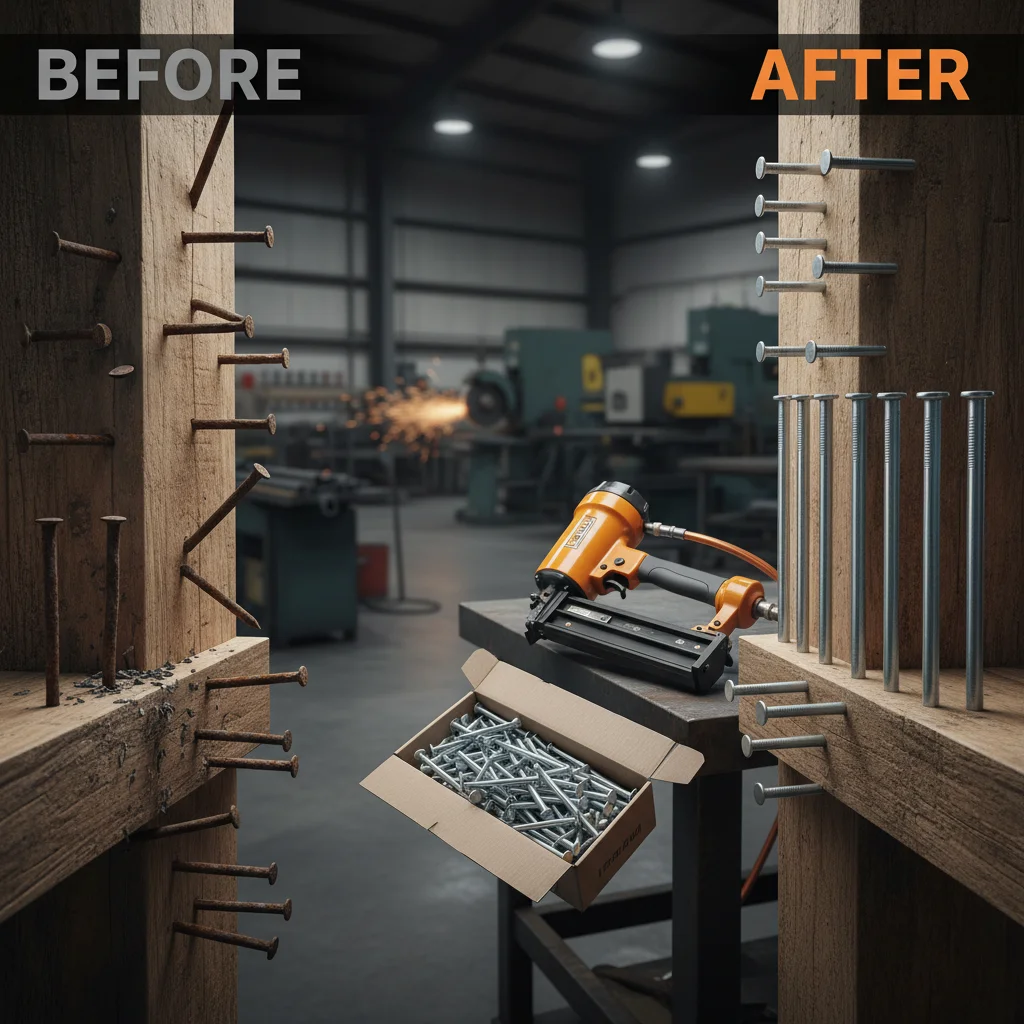
If you’ve been chasing that crisp, heritage look—pressed metal panels, clean seams, no sag—then you’re already searching for Nail Up Ceiling Tiles For Sale. Here’s the insider bit many folks overlook: the tiles are only half the story. The fasteners, especially straight nails that hold to substrate without telegraphing or rusting, decide whether your ceiling still looks sharp in five years. I’ve toured more than a few job sites and, to be honest, it’s usually the nails that made the difference.
Nail-up metal ceiling tiles—often tin or steel with powder-coated finishes—are trending in hospitality, retail fit-outs, and residential kitchens. Designers want texture without the grid lines of lay-in ceilings. Contractors, meanwhile, want predictable install speed. The compromise? Rigid panels over wood battens or plywood, set with straight finishing nails. Many customers say installs go faster than adhesive systems, and surprisingly, rework is simpler too.
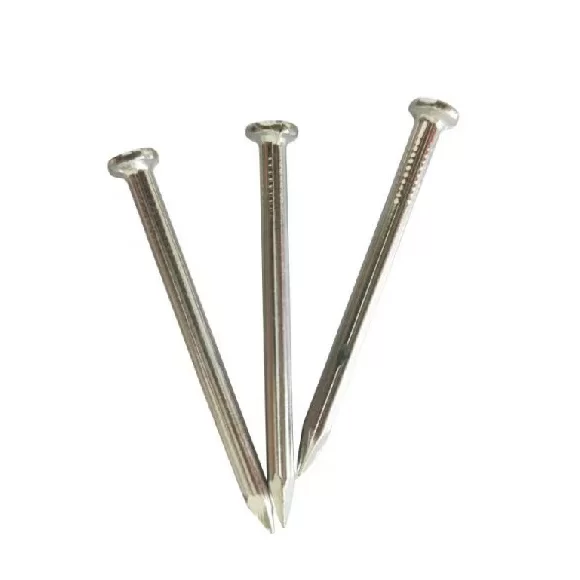
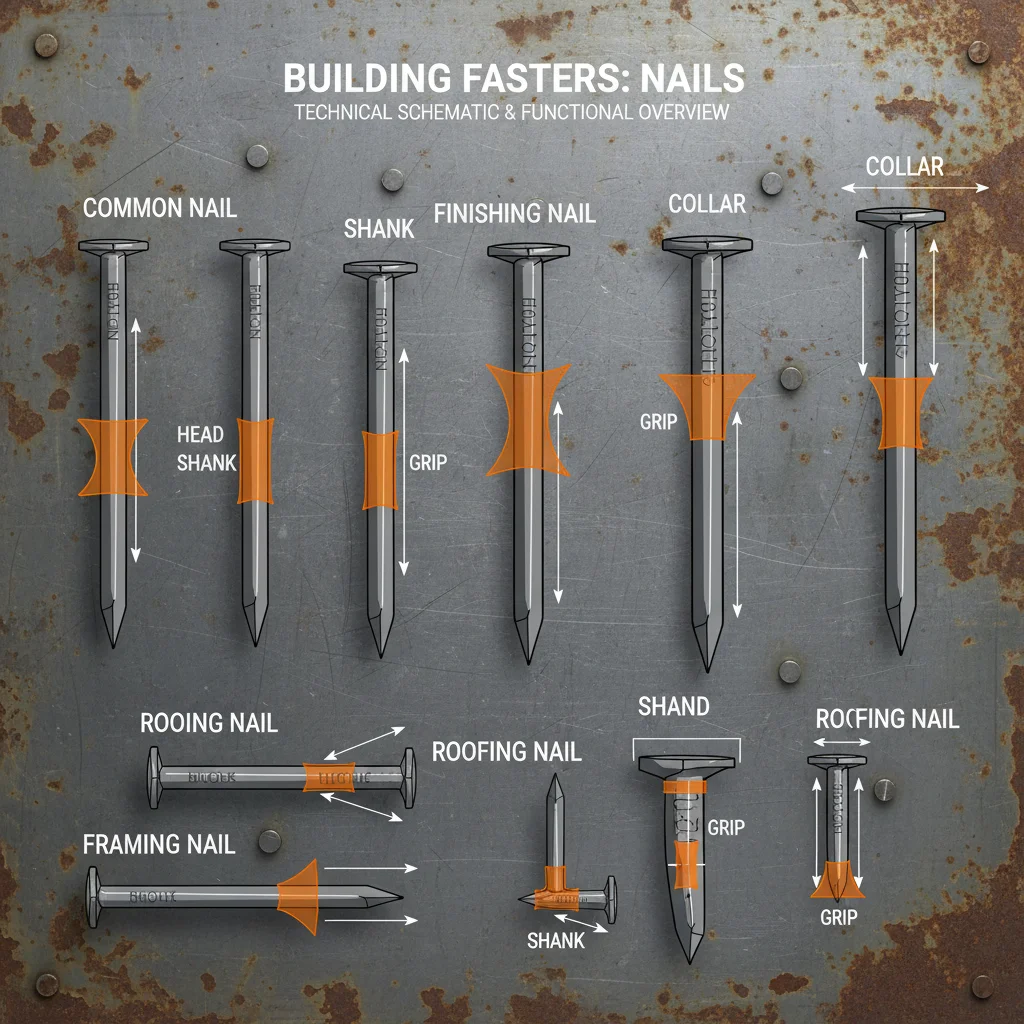
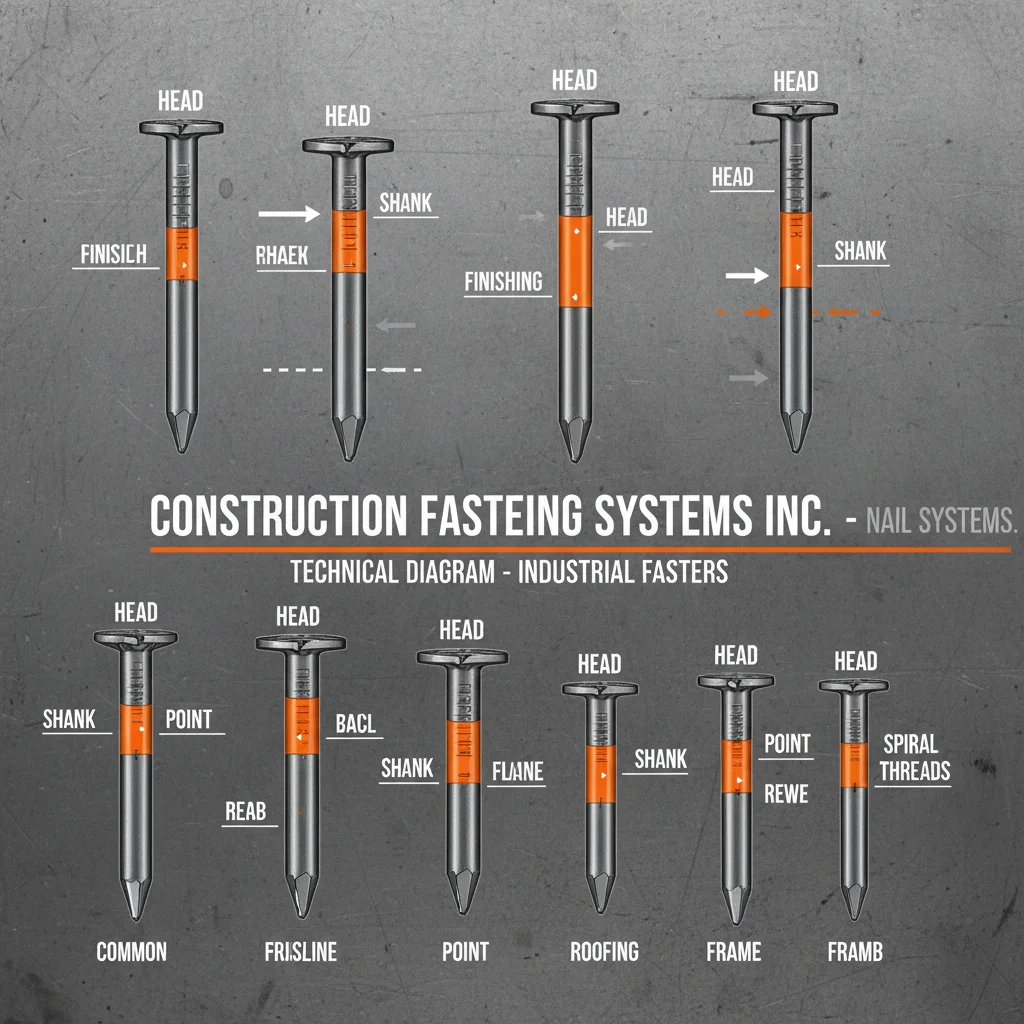
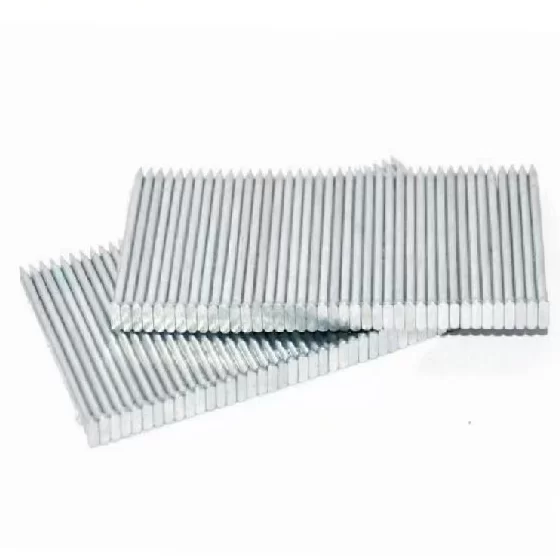
Origin: China. These are versatile straight nails used across woodworking and interior trim. I’ve seen them on heritage tin ceilings, MDF coffers, and even lightweight acoustic facings. They’re available from ST18 through ST64—handy coverage for most ceiling substrates.
| Model | Length (≈) | Wire/Gauge (≈) | Material / Finish | Shank / Head | Typical Use |
|---|---|---|---|---|---|
| ST18 | 18 mm | 18–17 ga | Low-carbon steel; bright/galvanized | Smooth; small finish head | Light trim; thin tin tiles at edges |
| ST32 | 32 mm | 16–17 ga | Galvanized; optional black oxide | Smooth or micro-ring | Main field fastening to 12 mm ply |
| ST64 | 64 mm | ≈16 ga | Zinc-coated; 304 SS on request | Micro-ring; finish head | Thicker batten installs; high-hold zones |
Quick test data (lab-style, indicative only; real-world use may vary): galvanized straight nails show ≈48–96 h neutral salt spray resistance (ASTM B117). Withdrawal from 12 mm plywood often lands around 200–350 N with micro-ring shanks (ASTM D1761 style tests).
| Vendor | Origin | Lead Time (≈) | Certifications | Customization |
|---|---|---|---|---|
| Lianshi ST Series | China | 10–25 days | ISO 9001 (factory level) | Lengths, coatings, packaging |
| Regional Brand A | USA | Stock–7 days | ISO 9001 | Limited sizes; standard finish |
| EU Supplier B | EU | 7–14 days | CE-marked fasteners | Custom coatings on request |
For coastal or high-humidity dining rooms, ask for stainless or heavy zinc coatings. In restoration projects, micro-ring shanks help reduce callbacks. And yes, color-tinted heads exist—useful when you’re blending into dark bronze tiles under low light. This is where Nail Up Ceiling Tiles For Sale conversations get practical: match nail spec to tile finish and substrate, not just price.
A boutique bar retrofit (80 m² ceiling) went from adhesive-only to ST32 nails on 12 mm ply after early-panel creep. Crew reported 22% faster install and cleaner seams. Owner feedback: “no puckering, no visible heads after touch-up.” It seems obvious now, but the fastener choice saved the schedule.
Final word: when you’re browsing Nail Up Ceiling Tiles For Sale, spec your nails with the same care. The ceiling will thank you in a year—so will your client.
JOIN OUR NEWSLETTER


If you are interested in our products, you can choose to leave your information here, and we will be in touch with you shortly.