
Hit enter to search or ESC to close
Nov 27, 2025


If you haven’t worked with self drilling screws for brick, well, you might not fully appreciate just how much these tiny components are quietly revolutionizing building methods globally. Frankly, they’re a bit like the unsung heroes of modern masonry fastening—streamlining projects, cutting costs, and improving reliability in ways that matter. With the world still booming in construction—whether in smart cities, disaster relief housing, or industrial expansions—knowing why self drilling screws matter is surprisingly useful.
On a global scale, construction continues to surge: the Global Construction 2030 report predicts increases in construction output by 85% in emerging markets alone through 2030 — mainly in urban residential and infrastructure projects. That’s huge. But alongside growth comes pressure: tightening deadlines, labor shortages, and a push towards sustainability all collide in brick and masonry work.
Worldwide, masonry remains a staple: traditional bricks and blocks make up a majority of residential and commercial buildings, especially in Asia, Europe, and parts of Africa. But drilling through these hard surfaces is time-consuming and labor-intensive — and often risks damaging delicate materials or losing alignment.
That’s exactly where self drilling screws for brick step in. They promise to reduce drilling and rework times while maintaining strength. This seemingly small hardware innovation turns out to be a problem solver in a big way, especially when factoring in disaster response timeframes or remote area build-outs.
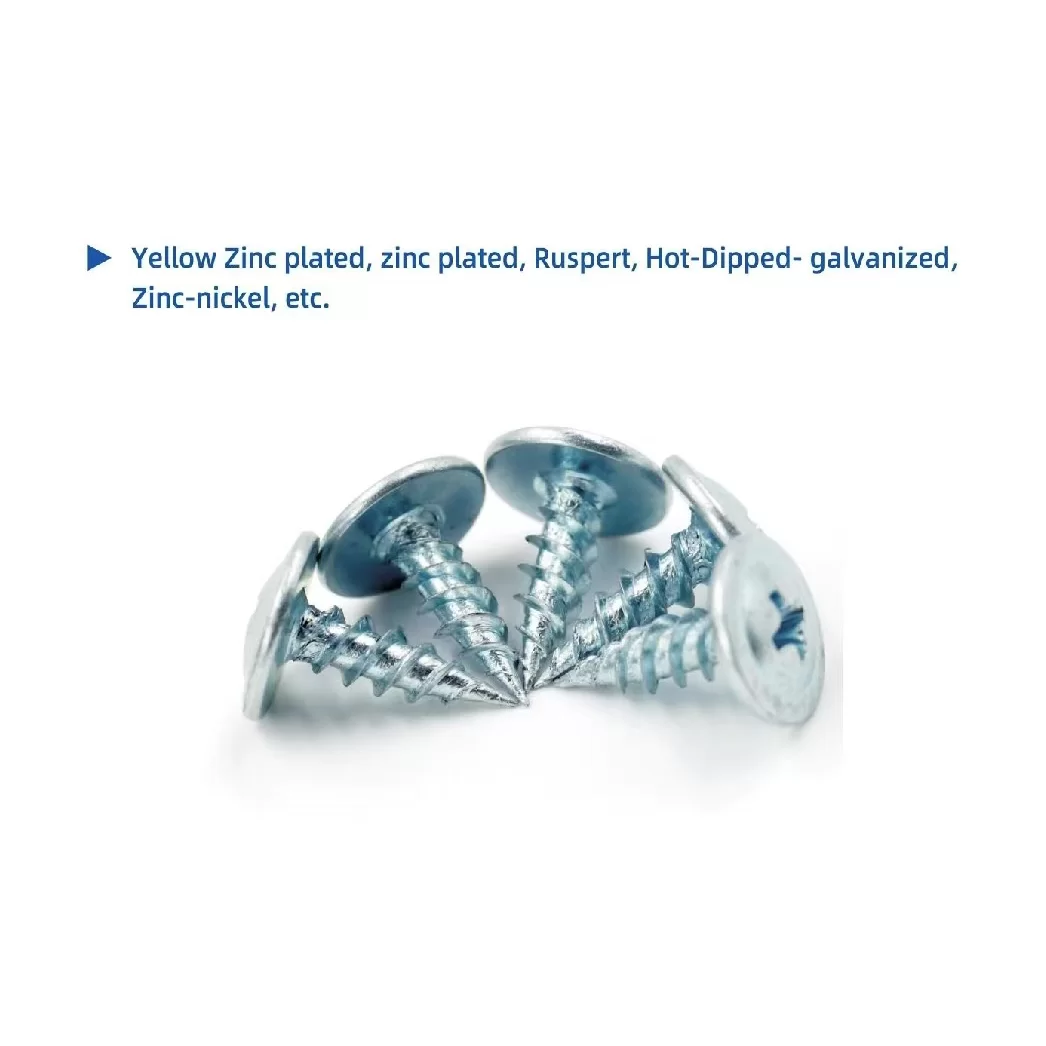
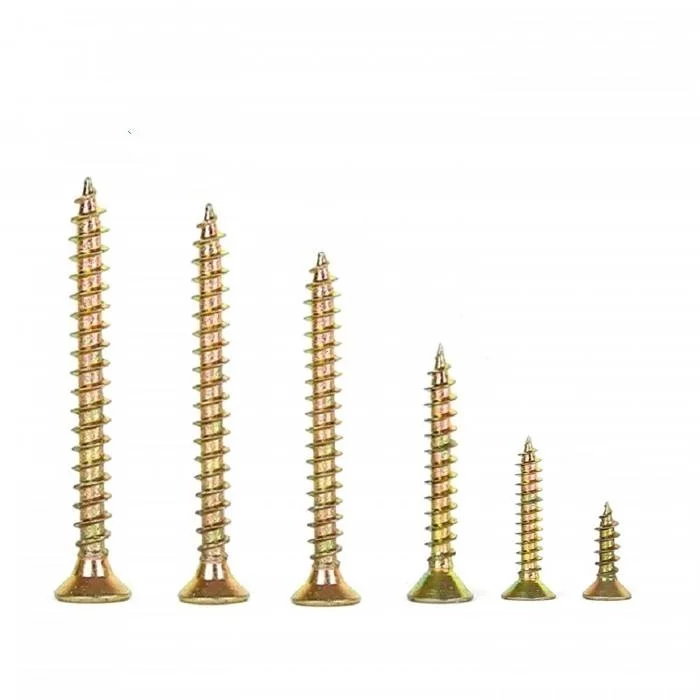
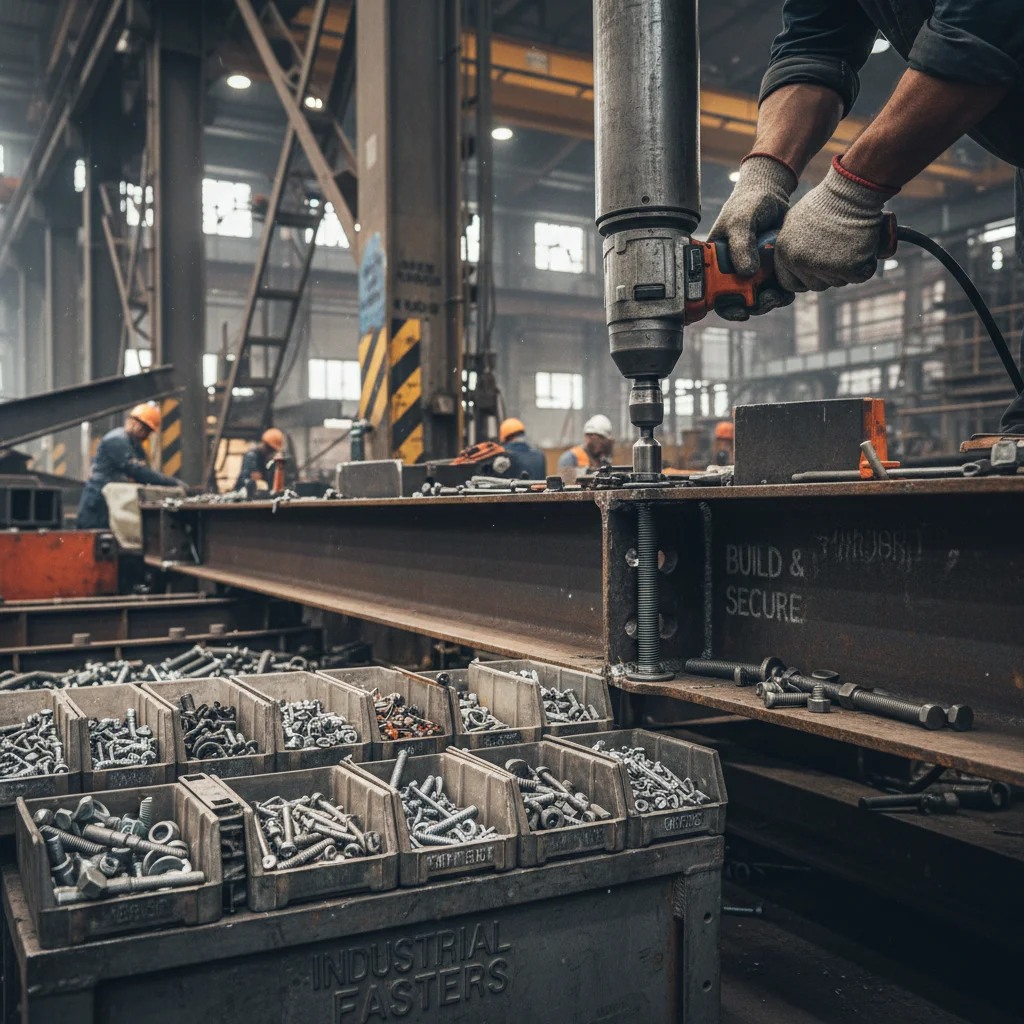
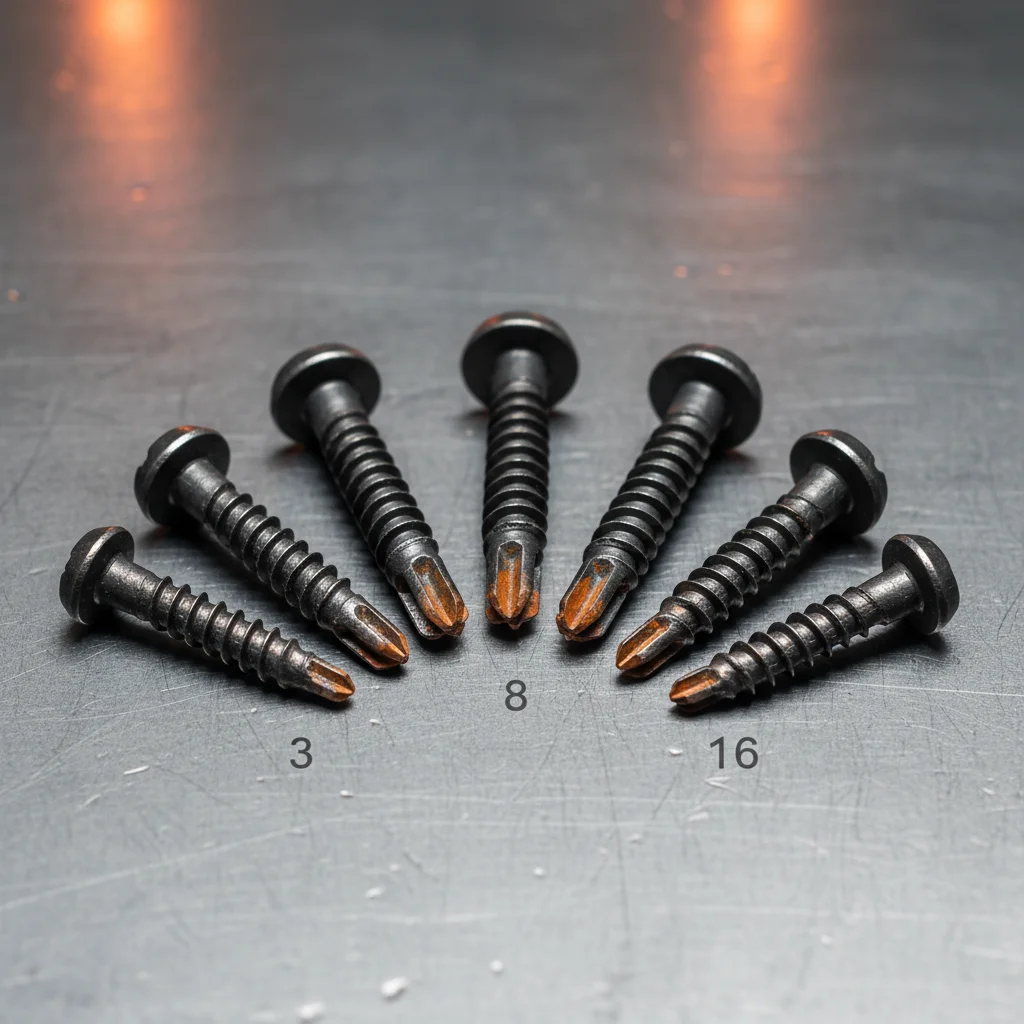
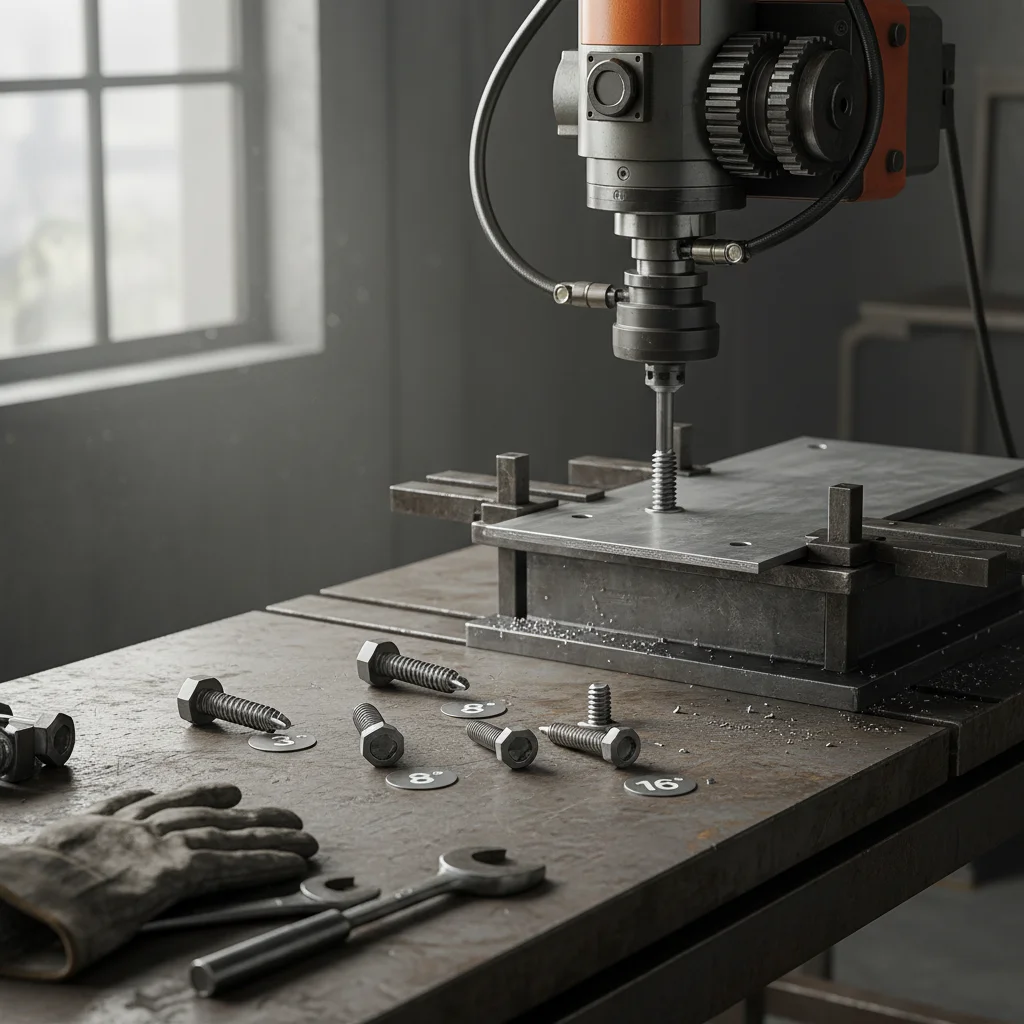
Simply put, these screws come with a hardened drill-bit tip that lets them bore directly into brick or masonry without pre-drilling a hole. Imagine skipping the step where you normally have to get a drill, drill a hole, and then insert a fastener. Instead, one tool and one motion do the job.
They blend the abilities of drill bits and screws into one, fastening into brick, stone, or concrete block with much less fuss. The fact that you only need one tool cuts down on labor and errors — which makes life easier for field workers and contractors alike.
This hardware is becoming increasingly vital, especially where fast, reliable brick fixing is needed such as building façades, shelving installations, and attaching heavy-duty fixtures outdoors and indoors.
Self drilling screws work as a fusion of precision engineering and practical convenience, helping industries meet increasing global demands with streamlined efficiency.
High-grade steel alloys with zinc or ceramic coatings make these screws weather-resistant, vital for outdoor masonry work or coastal regions where rust is a constant enemy.
No more juggling drills and anchor plugs—the self drilling tip means faster, cleaner fixing, which reduces onsite errors and safety risks.
Suitable for standard bricks, hollow blocks, or even stone, they cut across many construction needs without swapping hardware.
Thanks to design advances, certain self drilling screws for brick can support heavy mounting loads required for fixtures like metal frames or signage without loosening.
Though unit prices may be slightly higher, overall project savings on labor, time, and decreased material waste often outweigh upfront costs.
| Feature | Specification | Benefit |
|---|---|---|
| Material | Hardened Carbon Steel or Stainless Steel | Corrosion resistance & durability |
| Coating | Zinc Plated or Ceramic Coated | Weatherproof finish for outdoor use |
| Length | 16mm to 100mm (varies by use) | Adaptable to various fixture thicknesses |
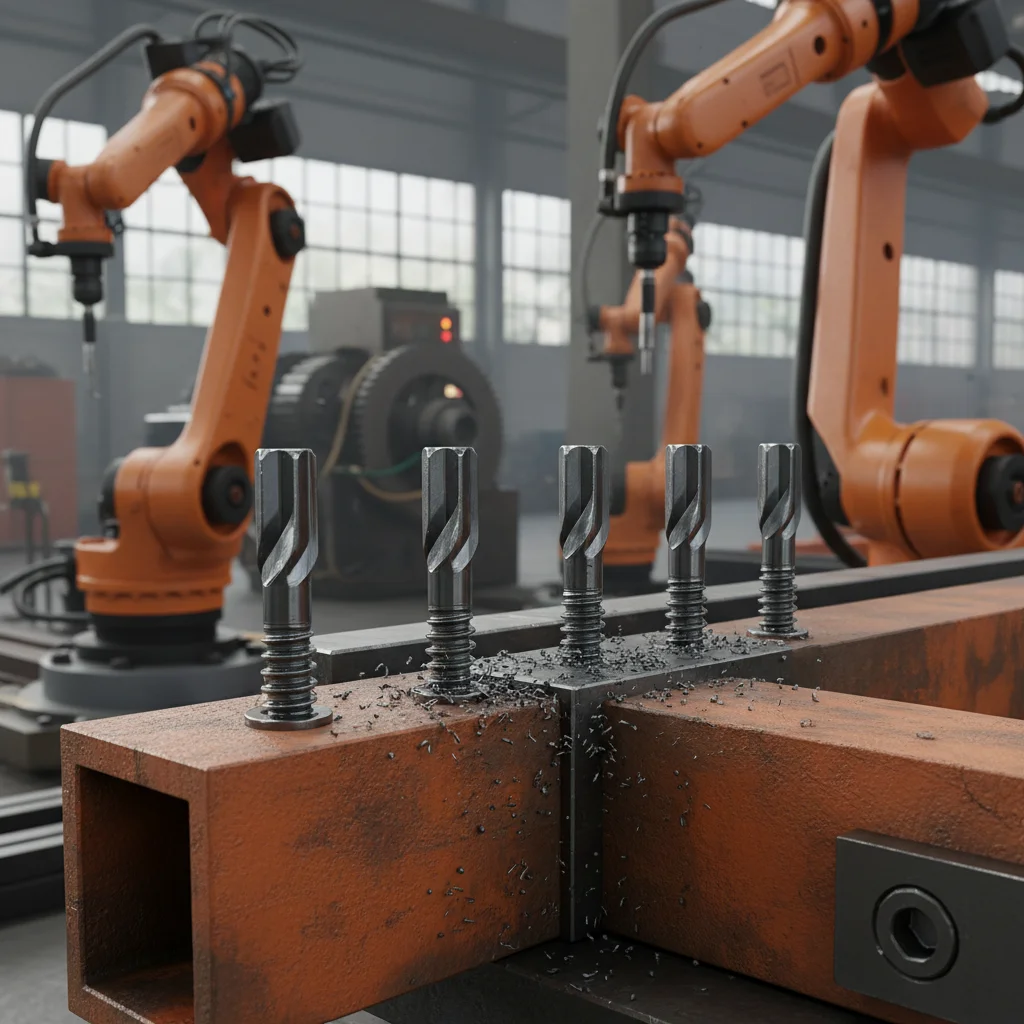
| Drill Tip Type | Fluted, Tapered carbide tip | Efficient penetration into masonry |
| Thread Type | Coarse threads for masonry grip | Increased load holding capacity |
From sprawling urban centers in Southeast Asia to rural community rebuild sites in sub-Saharan Africa, self drilling screws for brick have found their way into demanding work regimes.
These screws aren’t niche; they help keep projects running smoothly worldwide, especially where speed and reliability matter most.
Sure, you get faster installation. But I noticed many contractors and engineers appreciate how these screws also contribute to sustainability by reducing anchoring waste and reusable tools. Plus, they enhance safety by minimizing manual drilling errors.
Emotional trust also plays a part — clients feel assured knowing their installations won’t fail prematurely or cause damage to expensive materials. It’s innovation that marries logic with peace of mind.
Looking ahead, material science is pushing towards composite coatings offering longer life in corrosive environments and even antimicrobial properties for hospital settings. Automation in fastening tools leads to digitally controlled drilling torque and depth to avoid structural harm.
Green building certifications are nudging manufacturers toward eco-friendly production methods while maintaining the strength engineers demand. Oddly enough, even 3D printing of custom fasteners might be around the corner, changing the game completely for special applications.
Not all self drilling screws are created equal. In very dense or reinforced bricks, penetration can be slow or cause thread stripping. Similarly, cost can be a barrier for large public projects on a tight budget. And if you’re working in extreme cold or chemically aggressive atmospheres, picking the right screw is still a challenge.
Experts suggest pairing these fasteners with pilot holes for exceptionally hard bricks, or using variable tip geometries tailored by region and brick composition. It’s a rapidly evolving field where practical knowledge still beats theory.
| Vendor | Product Range | Average Pricing (per 100 pcs) | Lead Time | Special Features |
|---|---|---|---|---|
| Lianshi WJNail | Comprehensive sizes & coatings | $35–45 | 1-2 weeks | Customizable lengths & anti-rust |
| FastMount Inc. | Limited sizes, zinc coating | $30–40 | 2-3 weeks | Standard drill tips |
| BrickFast Solutions | High-end stainless steel | $50–60 | 1 week | Premium corrosion resistant |
A1: Generally yes, but some very dense or hard-fired bricks might require pilot holes first. Masonry blocks and softer bricks work especially well — always check with the screw manufacturer’s guidelines to avoid splitting.
A2: Nope! Standard electric drills or impact drivers with the right bit work perfectly. The benefit is you skip pre-drilling, so you actually carry less gear onsite.
A3: Upfront, they might be a bit pricier per unit, but savings come from faster installation, fewer mistakes, and less material waste, often making them more cost-effective overall.
A4: Yes, but picking screws with appropriate coatings like zinc plating or ceramic finishes is key to preventing rust, especially in humid or coastal environments.
A5: Construction, disaster relief, industrial maintenance, and even DIY home improvement all find value, especially where brick or masonry fastening speed and strength matter.
Honestly, these fasteners feel like the kind of small yet smart tool that can silently save projects — labor hours, cost, and headaches. For builders chasing efficiency, safety, and simplicity across continents and industries, they’re a quiet revolution in fastening.
If you want to explore reliable options or custom sizes, I recommend checking out self drilling screws for brick at Lianshi WJNail. Their range covers all the bases.
Here’s to smarter building and those little innovations that make all the difference.
JOIN OUR NEWSLETTER


If you are interested in our products, you can choose to leave your information here, and we will be in touch with you shortly.