
Hit enter to search or ESC to close
Nov 30, 2025


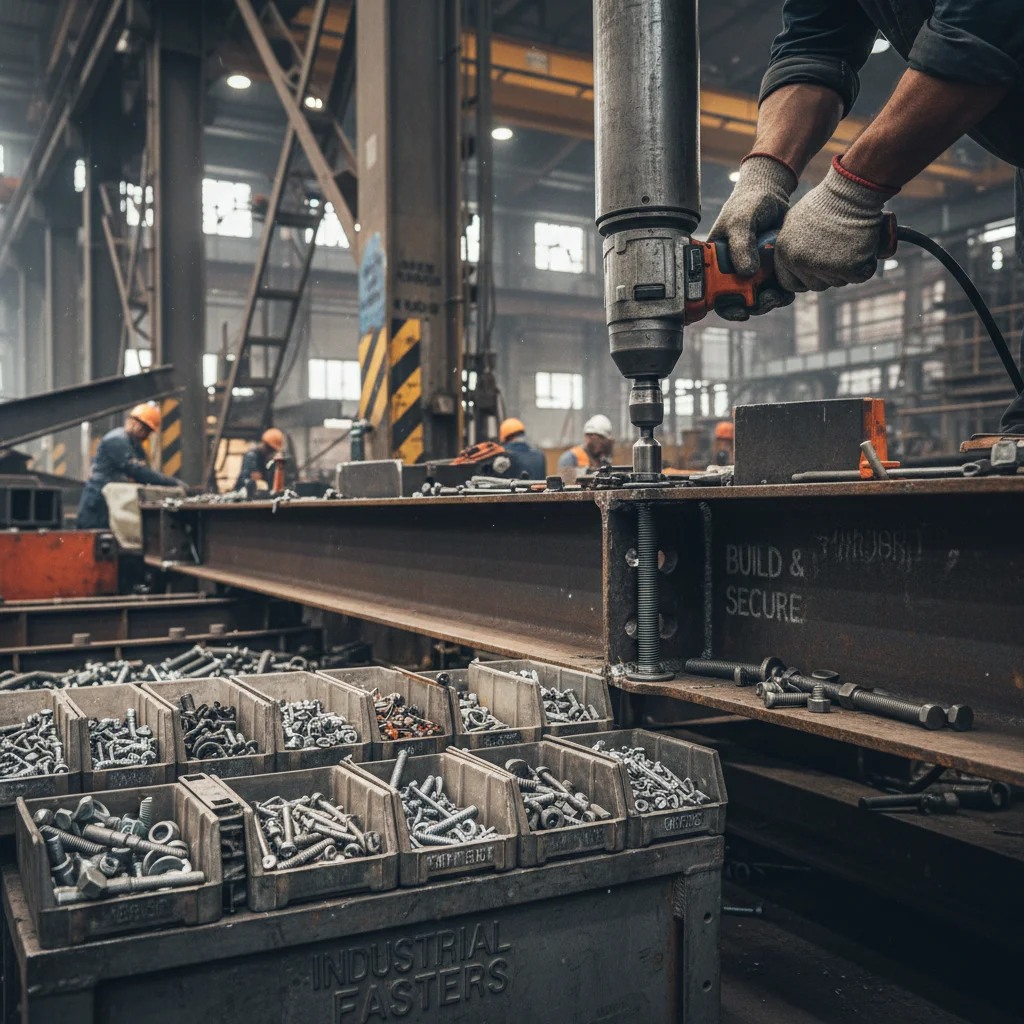
At first glance, a self drilling screw countersunk head might sound like a tiny, obscure part lost in the sea of construction materials. Yet, these small screws pack a punch when it comes to efficiency and precision fastening across a range of industries worldwide. They are essential, especially in applications where time, strength, and aesthetics all converge — think of roofing sheets, steel framing, or assembly line structures. Understanding these screws is kind of like knowing the secret ingredient that keeps massive buildings, bridges, or even humble shelters truly secure.
According to the International Standards Organization (ISO), fasteners like self drilling screws see global demand surging, roughly 7% annually, driven by rapid urbanization and industrial expansion (1). Governments and NGOs alike rely on fast, reliable construction methods, particularly in disaster relief or green energy projects. Without a doubt, the efficiency these screws bring shapes outcomes in construction quality, timeline, and cost — a subtle but game-changing detail behind the scenes.
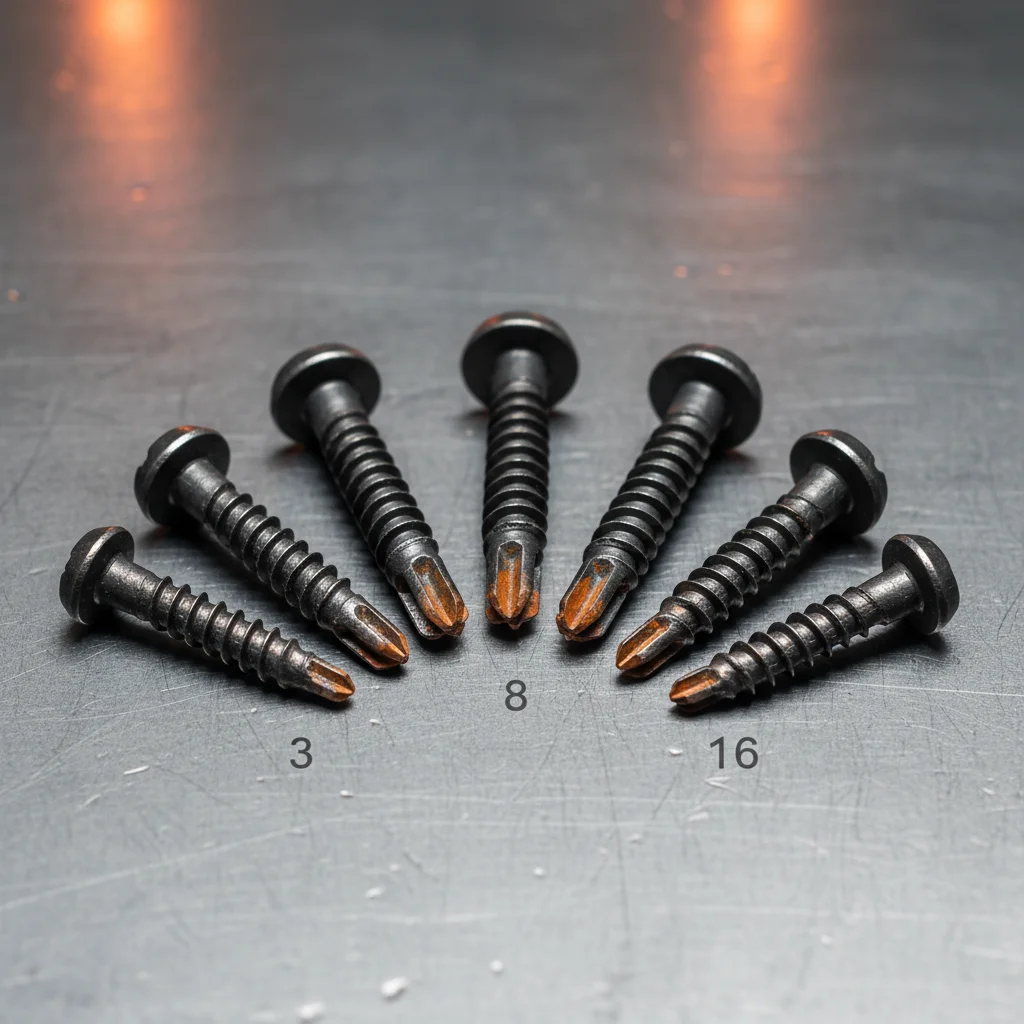
So, what exactly is a self drilling screw with a countersunk head? Simply put, these screws have a point that drills its own hole, eliminating the need for a pilot hole — basically a time-saver for installers. The “countersunk head” bit means the screw sits flush or slightly below the surface, achieving a neat finish without protrusions that snag or look clunky.
This combination is indispensable in modern fabrication, where speed and a clean surface appearance matter — for example, when fixing metal to metal in construction or automotive industries. They address both the practical need for strong fastening and an aesthetic or functional demand for smooth surfaces.
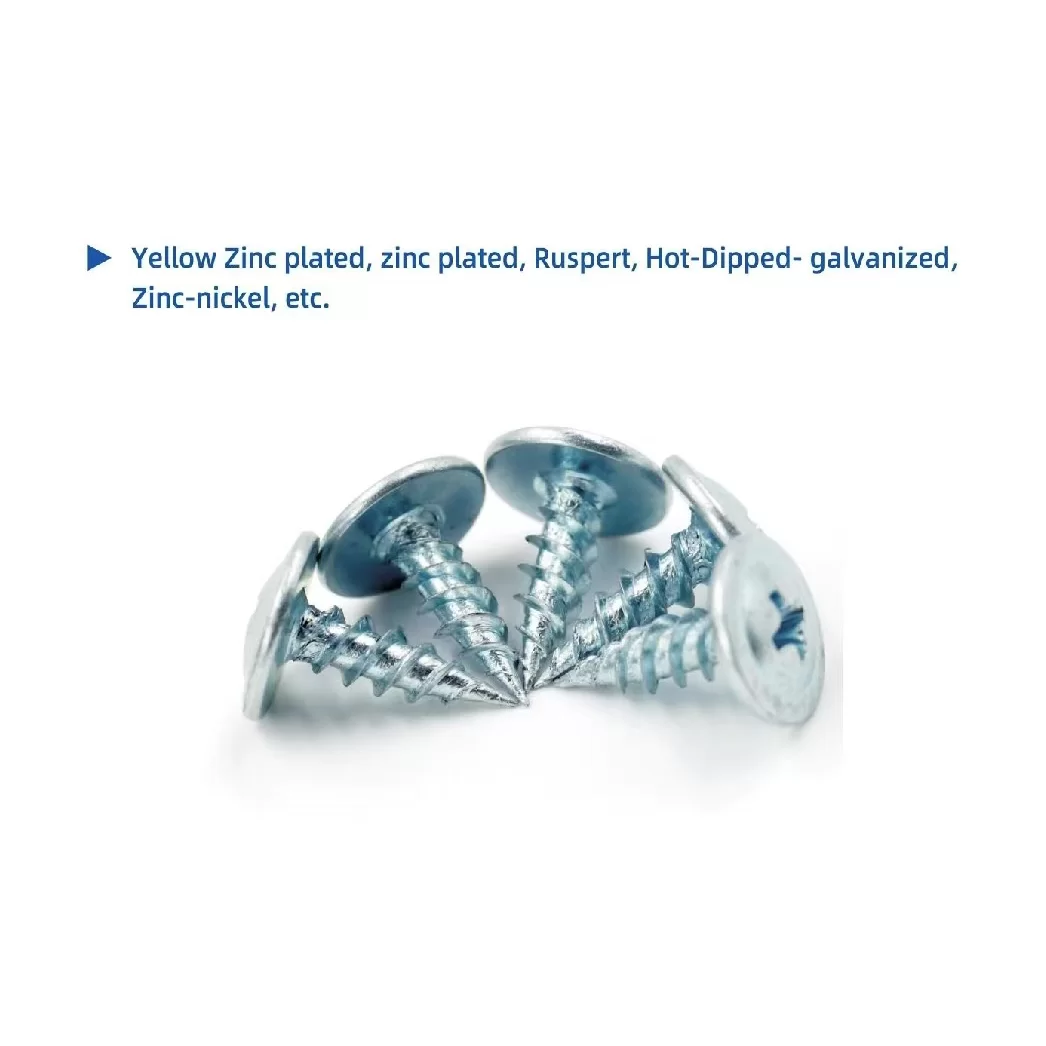
Usually made of hardened steel with corrosion-resistant coatings like zinc or PTFE, these screws handle extremes of weather and stress. Durability ensures fastenings last decades without rusting or failing — which engineers appreciate, especially in coastal or industrial zones.
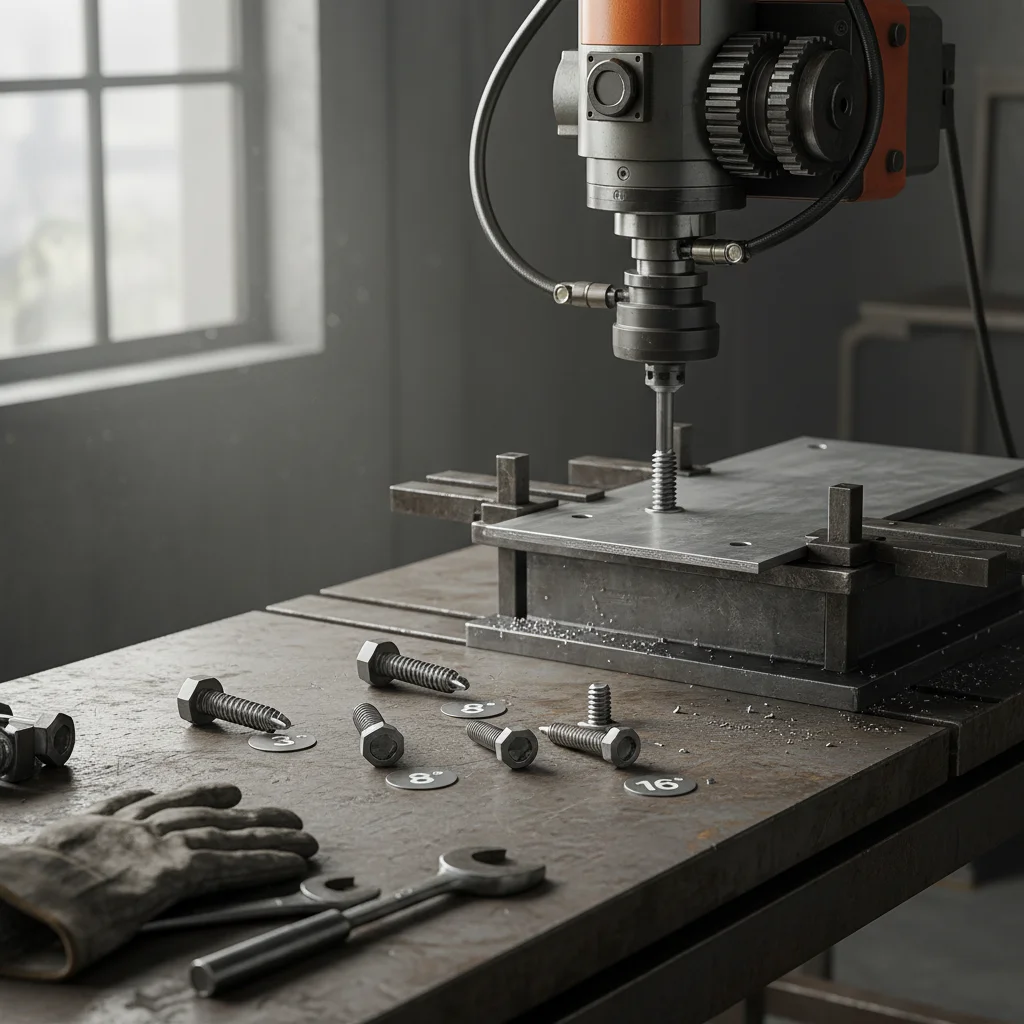
The party trick is the self drilling tip: it’s like having a mini drill embedded in the screw. That means no pre-drilling, fewer tools, and quicker assembly times. Contractors sometimes joke that these screws “do the heavy lifting” themselves.
The design offers impressive pull-out resistance and shear strength, which really matters in structural applications where safety is non-negotiable.
With the countersunk head, the fastener doesn’t stick out, making the finished surface look cleaner and reducing hazards of snagging on clothing or equipment.
These screws come in various diameters, lengths, and thread types to suit different materials — from steel to composite panels.
While slightly pricier than standard screws, the savings from faster installation and reduced tool needs pay off.
Choosing the right self drilling screw countersunk head boils down to balancing durability, usability, strength, and finish—qualities that often intertwine but can’t be compromised.
Behind every sturdy roof, every factory frame, and every temporary disaster shelter, chances are, you’ll find these little heroes quietly doing their job.
In fact, working in remote industrial zones, engineers have noted installation speed nearly doubles with self drilling screws, leading to better use of labor — a crucial factor when time is money, and safety even more so.
| Specification | Typical Range | Notes |
|---|---|---|
| Diameter | 4.2mm – 6.3mm | Common sizes for metal roofing |
| Length | 19mm – 100mm+ | Custom lengths available |
| Material | Hardened carbon steel, stainless steel | Depends on corrosion requirements |
| Coating | Zinc plated, PTFE coated, galvanized | Extra corrosion resistance |
| Head Diameter | 7mm – 12mm | Countersunk design |
| Drive Type | Phillips, Pozidriv, Torx | Based on tool compatibility |
| Vendor | Product Range | Quality Certifications | Lead Time | Notable Clients |
|---|---|---|---|---|
| Lianshiwjnail Co. | Wide - carbon steel & stainless | ISO 9001, CE | 2–3 weeks | Global construction firms, NGOs |
| FastFix Hardware | Mostly carbon steel | ISO 14001 | 1 week | Local manufacturers |
| SteelPro Supplies | Extensive stainless steel line | CE, RoHS | 3–4 weeks | Automotive assembly plants |
In real terms, self drilling screw countersunk head fasteners combine performance with aesthetics. They drastically cut labor costs while ensuring structural integrity, kind of a win-win for project managers focused on budgets and safety. Because they minimize surface protrusions, they reduce wear and tear on materials and equipment — which not only prolongs lifespans but also reduces waste.
Emotionally, it feels reassuring knowing your metal roof or shelter is not held together by clunky, rusty fasteners but by precision-engineered components built to last. Trust in these small parts translates to trust in the broader structure — be it a hospital or a school.
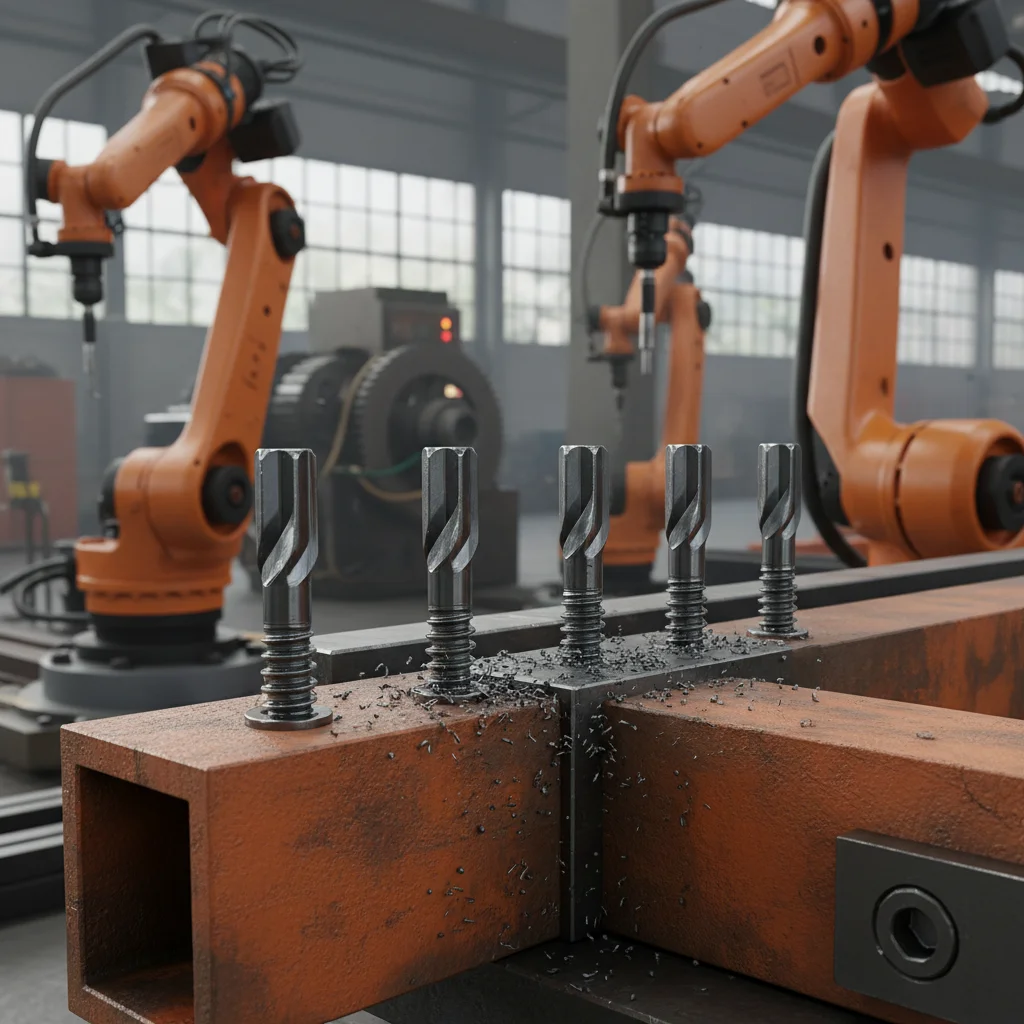
The future is shaping up interestingly for these screws, with innovations in coatings reducing environmental footprint and boosting corrosion resistance under extreme conditions. Some vendors are experimenting with biodegradable lubricants and using IoT-enabled fastening tools to monitor torque and screw placement during automated assembly.
Additionally, as the shift toward sustainable construction grows, so too does demand for fasteners that match the longevity and recyclability standards of green building materials. The integration with BIM (Building Information Modeling) systems for smarter inventory and installation tracking is also on the horizon.
No product is perfect: challenges include difficulty driving screws into ultra-hard materials, or compatibility with certain surface finishes. Also, misjudging screw length or coating can cause premature failures.
Innovative solutions often involve better site assessment before purchasing, using variable torque drivers, or choosing custom coatings depending on the environment. Training workers to understand the nuances of these screws can prevent costly mistakes. Frankly, it's a small investment compared to the cost of rebuilding or repairs.
In the grand scheme, the self drilling screw countersunk head is a subtle hero in construction and manufacturing. Its long-term benefits in durability, efficiency, and clean finishing support everything from towering skyscrapers to lifesaving emergency shelters. When you think about how much smooth, swift fastening can save in costs and lives, it’s clear why many industries keep turning back to this reliable tool.
If you want to explore the variety and technical specs available in today’s market, check out self drilling screw countersunk head suppliers. Better hardware truly makes for stronger, safer projects — and that’s worth knowing.
JOIN OUR NEWSLETTER


If you are interested in our products, you can choose to leave your information here, and we will be in touch with you shortly.