
Hit enter to search or ESC to close
Dec 1, 2025


If you’ve ever worked with metal constructions or light structural applications, chances are you’ve encountered self drilling screws — especially the popular 50mm size. While they might look like humble fasteners, these screws actually play a surprisingly crucial role in modern industry and infrastructure worldwide. Understanding what makes 50mm self drilling screws unique isn’t just for engineers or hardware nuts — it matters globally because they solve real problems in construction speed, durability, and cost management. In this post, we’ll unpack why these tiny fasteners have such a big impact, explore their core features, and peek at their promising future.
Globally, infrastructure development is booming. According to the United Nations, roughly 3 billion people will need adequate housing by 2030, pushing construction projects to be faster, safer, and more reliable. This rise in construction demands better fastening solutions — especially for metal-to-metal work often found in roofing, framing, and fabrication. 50mm self drilling screws answer this call by combining drilling and fastening in one step, cutting down labor time and skill requirements dramatically. The International Organization for Standardization (ISO) has documented the increasing reliance on these fasteners in industrial construction standards, signaling their broad acceptance.
Yet, challenges remain, like ensuring material compatibility and preventing corrosion over time — and that’s where the specs matter most.
Mini takeaway: The growing global infrastructure needs and the drive for efficient constructions place 50mm self drilling screws front and center in industrial fasteners.
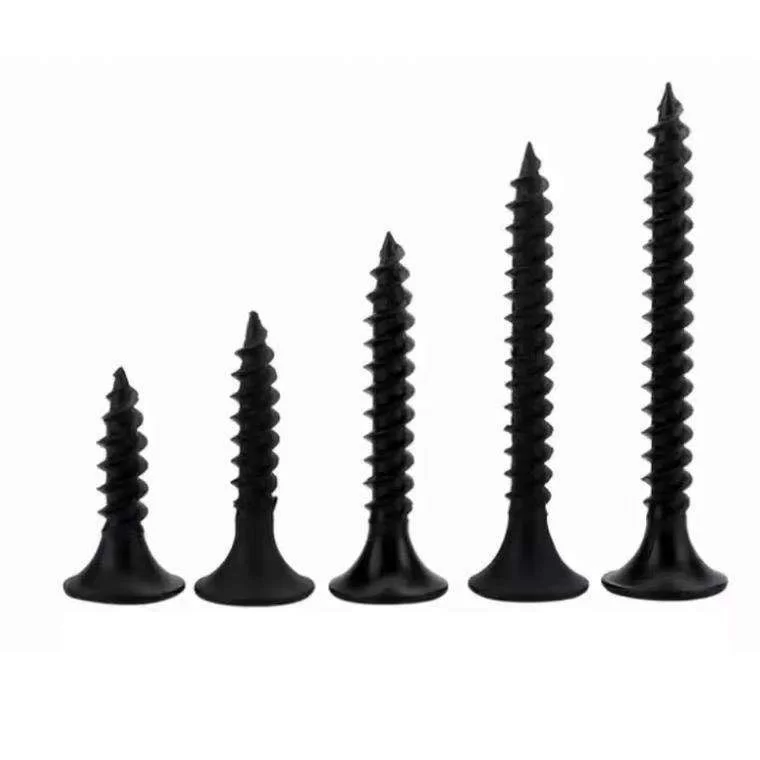
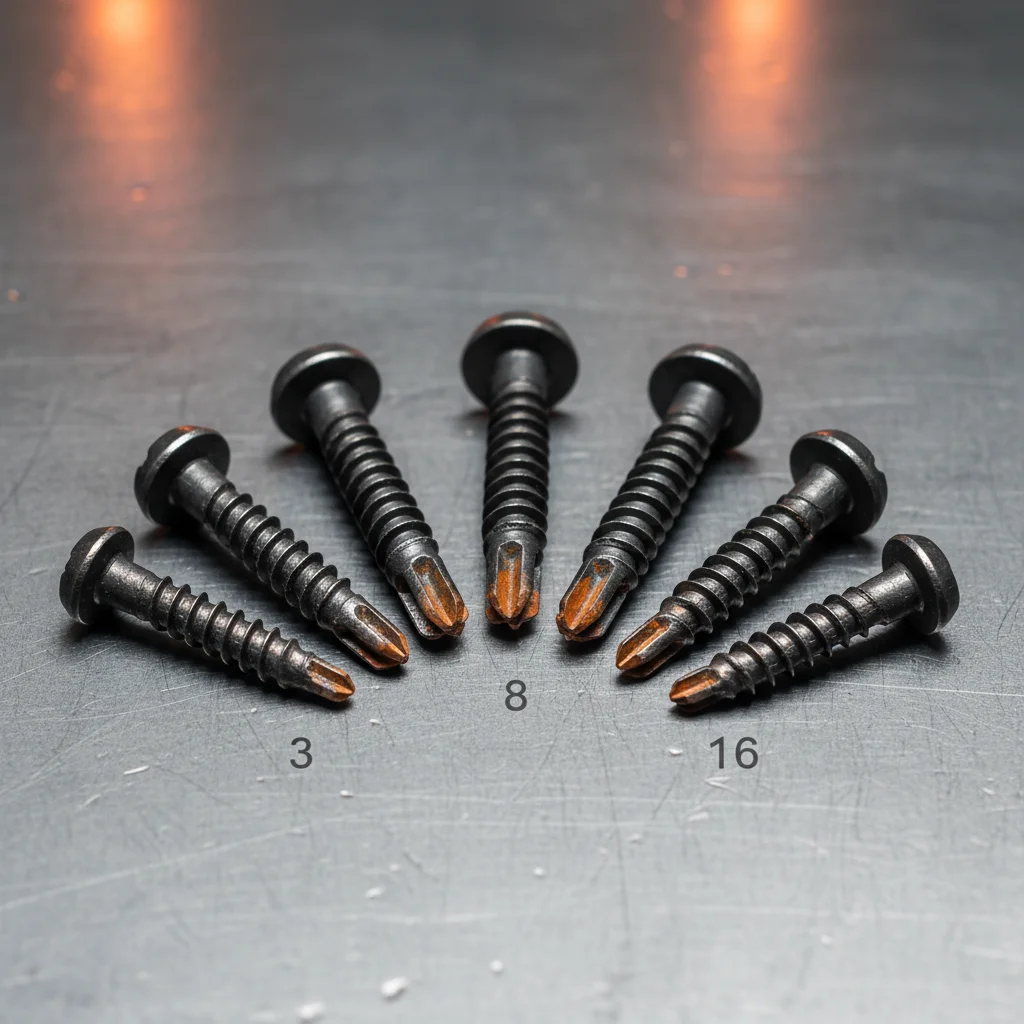
So, what exactly is a 50mm self drilling screw? Simply put, it’s a screw 50 millimeters long equipped with a drill bit tip that can bore its own hole as you tighten it — no pre-drilling required. This dual-action makes them invaluable for attaching metal sheets to steel frameworks or joining different metals quickly.
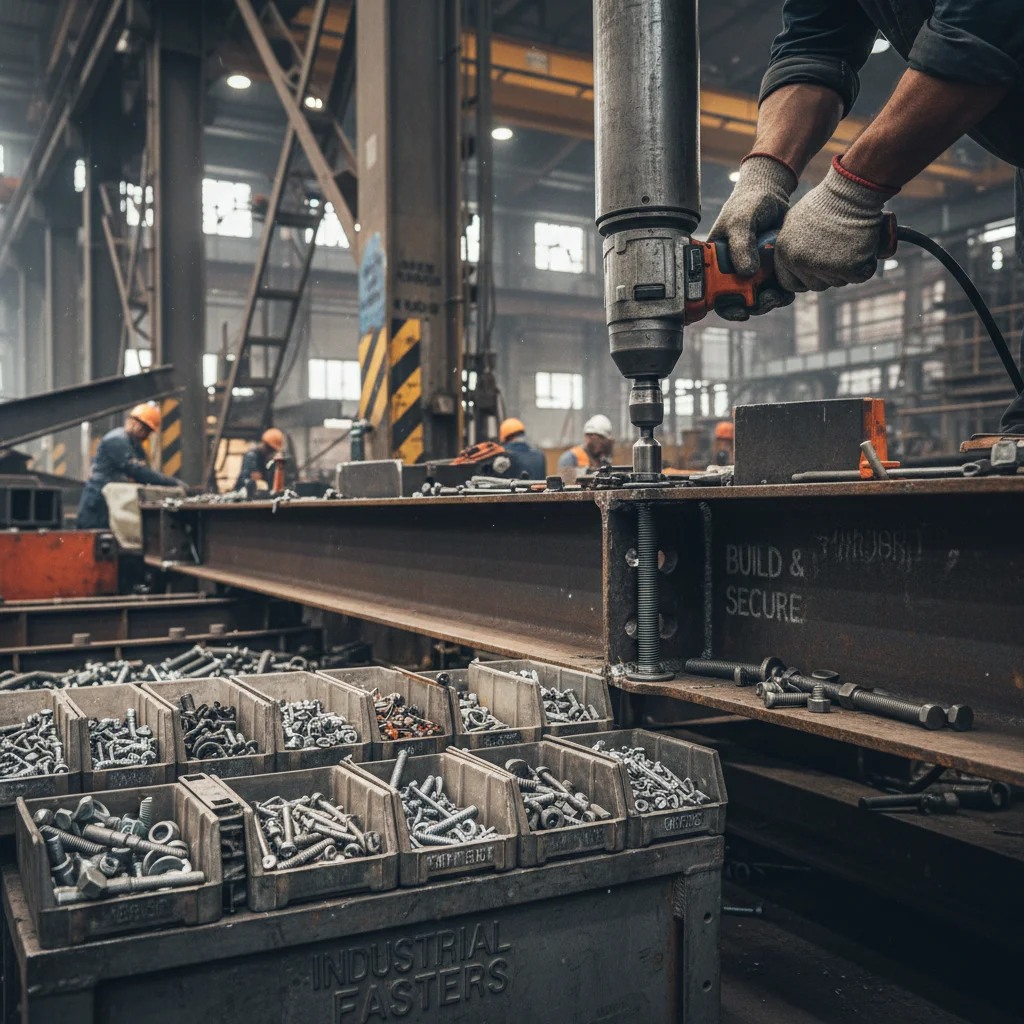
Industries from automotive assembly to emergency humanitarian shelters rely on these screws for their ease of use and reliable strength. Their unique design also means fewer tools and less specialized skill needed on-site, which is a boon in remote or rapidly changing environments.
Most 50mm self drilling screws come made from hardened steel or stainless steel, often coated for corrosion resistance. This means they last even in harsh outdoor climates, salty coastal areas, and industrial pollution zones. Durability isn’t just about materials, though — the design aims to minimize fatigue and loosening under vibrations.
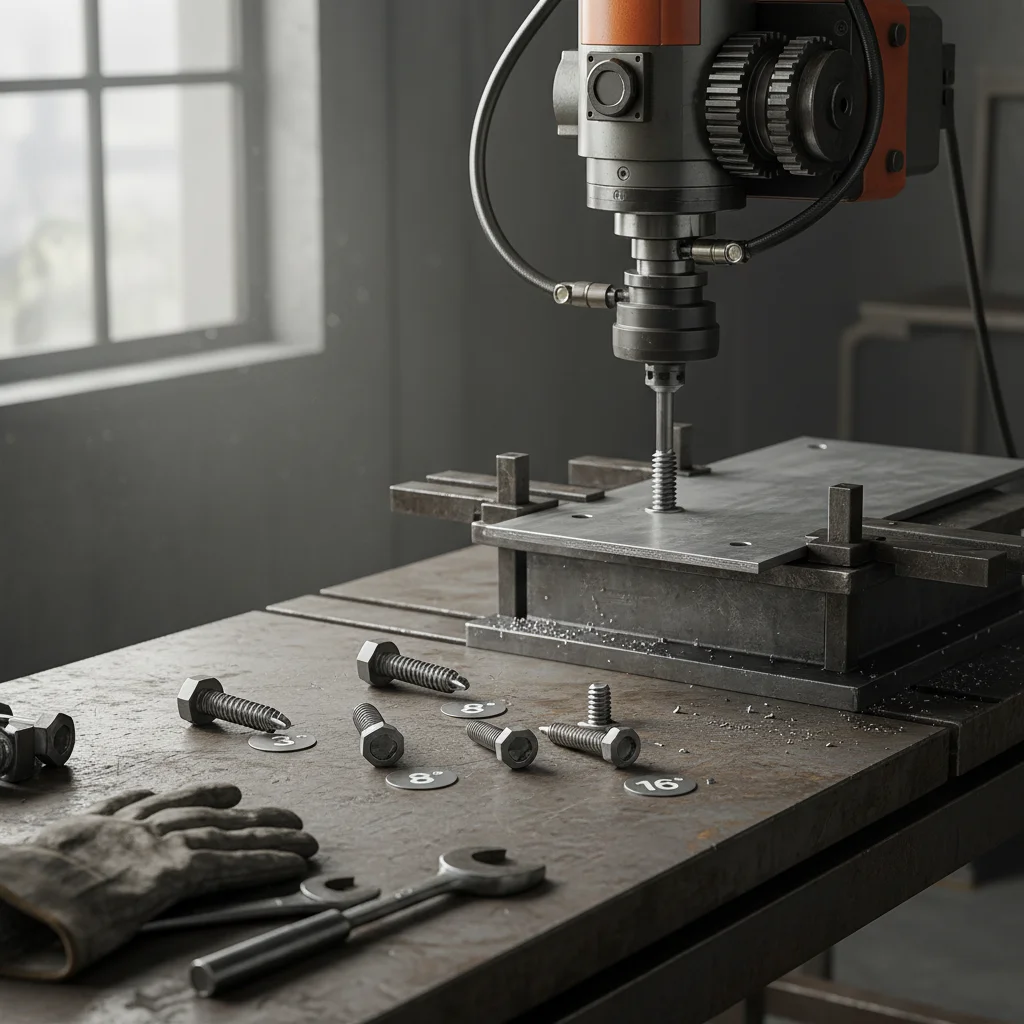
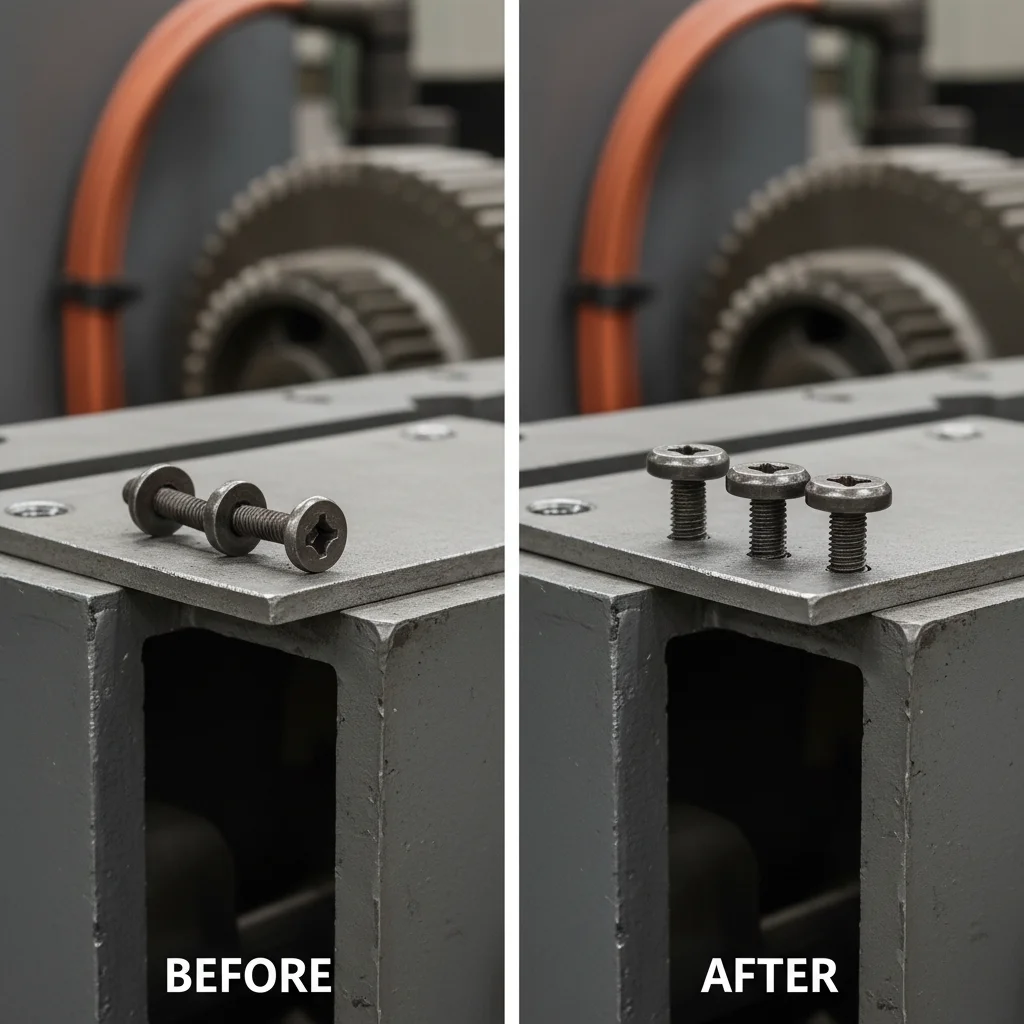
Thanks to their self-drilling tip, these screws eliminate the need for pilot holes which is a major time saver. For builders working on tight deadlines or in challenging conditions, this efficiency translates to cost savings and safer job sites.
While 50mm length is common, variations in thread design allow for use in thin to medium gauge metals, plastics, and composite boards. This makes them go-to elements in construction projects, HVAC installations, and even furniture manufacturing.
These screws reduce labor expenses by combining drilling and fastening, and their high holding strength cuts down on rework. Also, the reduced tool requirement means less investment in equipment and maintenance.
By speeding up assembly, these screws lower onsite energy consumption and reduce hazards associated with multiple tool handling. Moreover, many manufacturers now use eco-friendly coatings consistent with international standards to minimize environmental impact.
Their practical use cases span continents and industries:
Oddly enough, despite the tech in these screws, the real magic is how they empower projects in tough environments where precision tools and pre-planning are luxuries rather than norms.
Practically, these screws mean projects get done faster and stronger, but the effects ripple further:
Emotionally, there’s also something reassuring about using fastening technology that you know won’t fail unexpectedly — especially in critical infrastructure or shelters. It’s a quiet kind of trust that engineers and builders swear by.
Material scientists are experimenting with new coatings that resist corrosion even better, like nano-ceramic layers. Additionally, digital manufacturing is allowing screws to be customized to exact project specs rapidly, optimizing thread pitch or tip style for specific metals or composites.
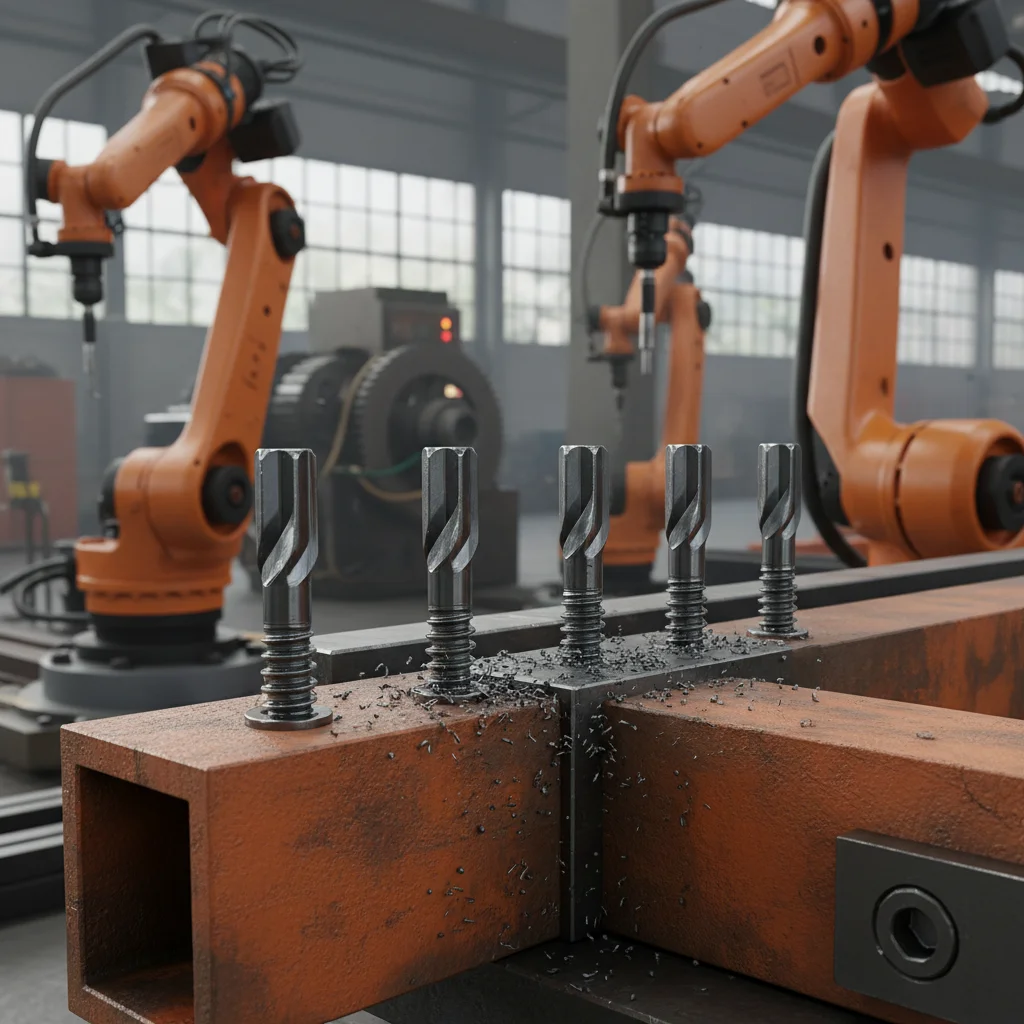
From a sustainability viewpoint, recycling-friendly designs and biodegradable alternatives are slowly coming into play. Also, automation in installation robots means these screws will increasingly be part of faster, smarter construction workflows.
No product is perfect, even these versatile screws. Issues like thread stripping in softer materials or compatibility with highly galvanised steels can cause hassle. However, manufacturers now offer variants with variable thread designs or reinforced tips to address these problems.
More broadly, educating users on the correct screw choices and installation torque prevents many failures. Some companies bundle training or online guidance with their products, helping clients get the best performance.
| Specification | Details |
|---|---|
| Length | 50 mm |
| Material | Hardened Steel / Stainless Steel |
| Drain Tip Diameter | 4.2 - 5.5 mm (varies with model) |
| Coating | Zinc Plated / Galvanized / Zinc-Nickel |
| Thread Type | Fine / Coarse thread options |
| Head Style | Hex, Pan, or Countersunk |
| Supplier | Material Grade | Coating Options | Certifications | Typical Lead Time |
|---|---|---|---|---|
| Lianshiwjnail Co. | A2, A4 Stainless Steel | Zinc Plated, Zinc-Nickel | ISO 9001, REACH | 1-2 Weeks |
| MetalFast Solutions | Hardened Carbon Steel | Galvanized, Electroplated | RoHS, ISO 14001 | 2-3 Weeks |
| GlobalFix Industrial | Stainless Steel A2 | Plain, Zinc Plated | ISO 9001, ANSI | 3-4 Weeks |
Ultimately, it’s the combination of speed, strength, and simplicity that ensures the 50mm self drilling screw remains a cornerstone of metal fastening technology. Whether you’re an engineer rushing to finish a critical infrastructure project or part of a relief team setting up shelters after a calamity, these fasteners make a tangible difference. And with ongoing advancements in materials and coatings, their relevance won’t just endure — it’ll grow.
So next time you pick up a 50mm self drilling screw, remember you’re holding a tiny powerhouse that helps build bigger, stronger, and faster. Curious to learn more or source quality screws for your next job? Visit us at https://www.lianshiwjnail.com to explore our range.
JOIN OUR NEWSLETTER


If you are interested in our products, you can choose to leave your information here, and we will be in touch with you shortly.