
Hit enter to search or ESC to close
Nov 27, 2025


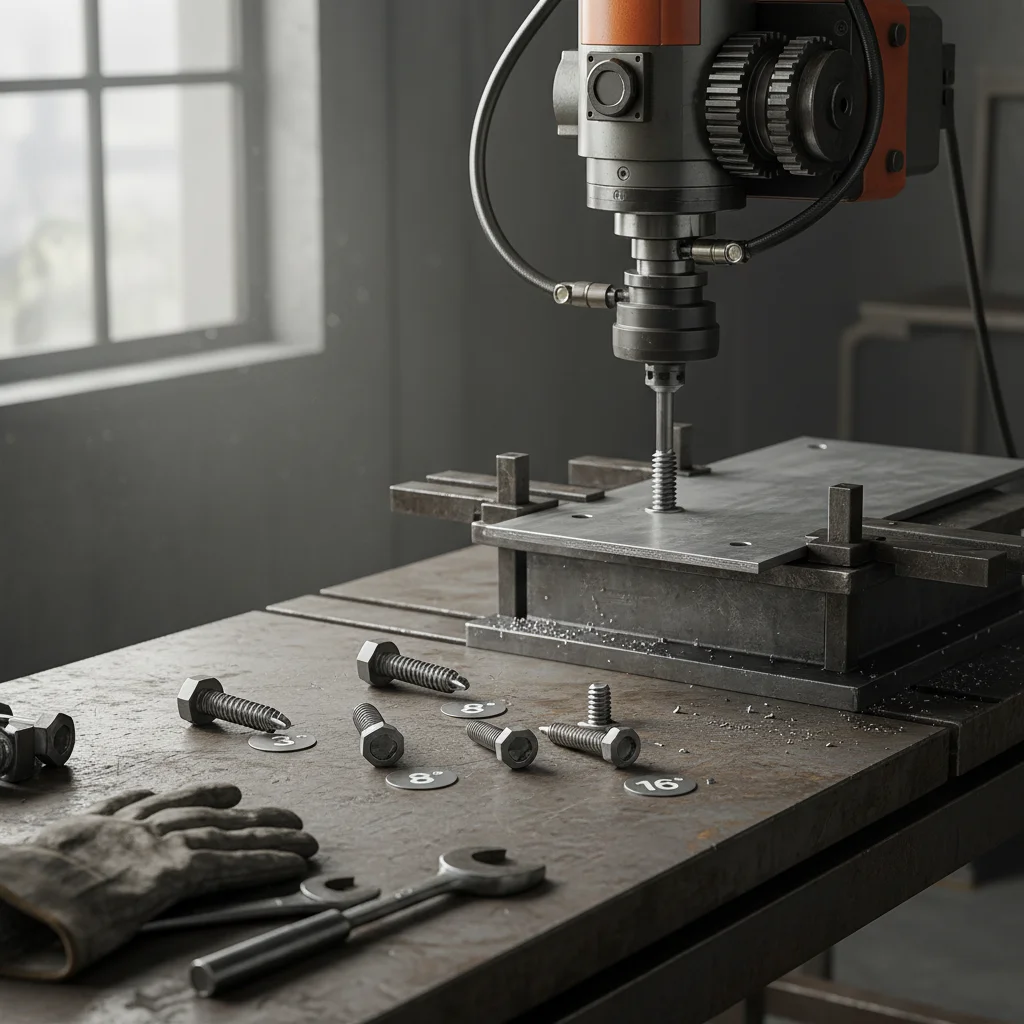
Self drilling screws for thick metal might not be the headline grabber in construction chatter, but their quiet power is everywhere industrial and infrastructure projects take shape. Simply put, these specialized fasteners drill their own pilot holes, cutting out the need for pre-drilling and speeding up assembly - especially for thick metal sheets that resist ordinary screws.
Globally, as construction scales up and metal fabrication expands, the demand for efficient, reliable fastening solutions continues to rise. According to the metal industry overview by Wikipedia, metal production worldwide hit over 1.8 billion tonnes in 2023 alone. With growth comes the challenge of fastening thicker materials faster and more securely — that’s where self drilling screws step in and shine.
Understanding these screws leads to improved project timelines, sturdier structures, and less wastage — all crucial for industries from high-rise construction to disaster relief housing. So, why should you pay attention to self drilling screws for thick metal? Because they help solve the classic challenge of “how do we fasten heavy-duty metals quickly and reliably without compromise?” That’s a question answered by innovation, engineering, and a little bit of metal magic.
Mini takeaway: Self drilling screws for thick metal matter because they combine speed, reliability, and strength — essential in today’s heavy-industry and infrastructural demands.
It’s easy to overlook how global trends affect something seemingly small like a screw. However, with urbanization accelerating—UN data suggests that nearly 70% of the global population will live in urban areas by 2050—the construction sector is under pressure to deliver faster, safer, and more sustainable builds.
Moreover, thick metal applications span various sectors—renewable energy structures, transportation infrastructures, industrial plants, and even post-disaster shelters. For instance, the International Organization for Standardization (ISO) standards increasingly emphasize quality and safety in metal fastening. This creates a growing demand for self drilling screws designed specifically for thick metal.
Challenge alert: Traditional fastening methods are time-consuming and prone to errors, especially on thick metals prone to cracking if pre-drilled incorrectly. Self drilling screws address this by enabling “one-step” installation - reducing labor, tool needs, and error margin.
Mini takeaway: Given global urbanization and industrial growth, self drilling screws for thick metal are a vital piece in the puzzle of efficient, safer construction worldwide.
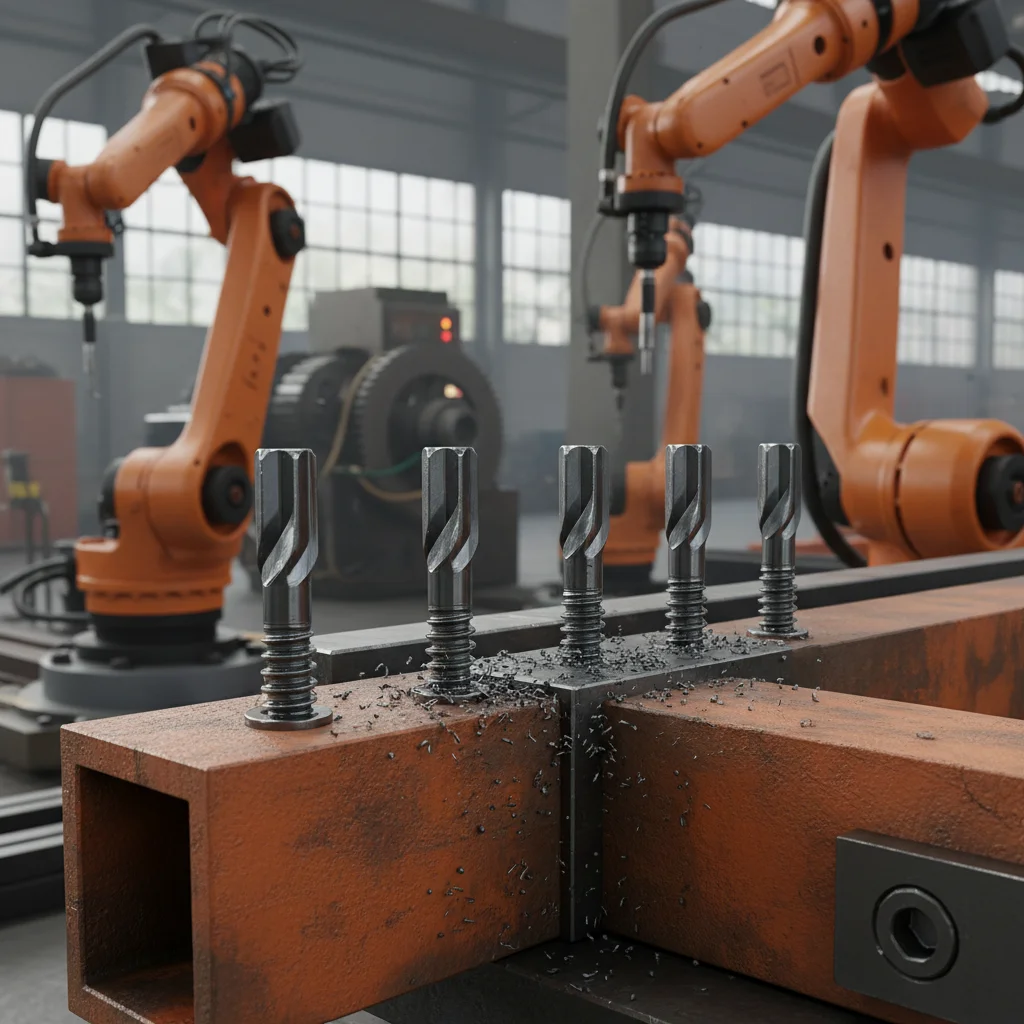
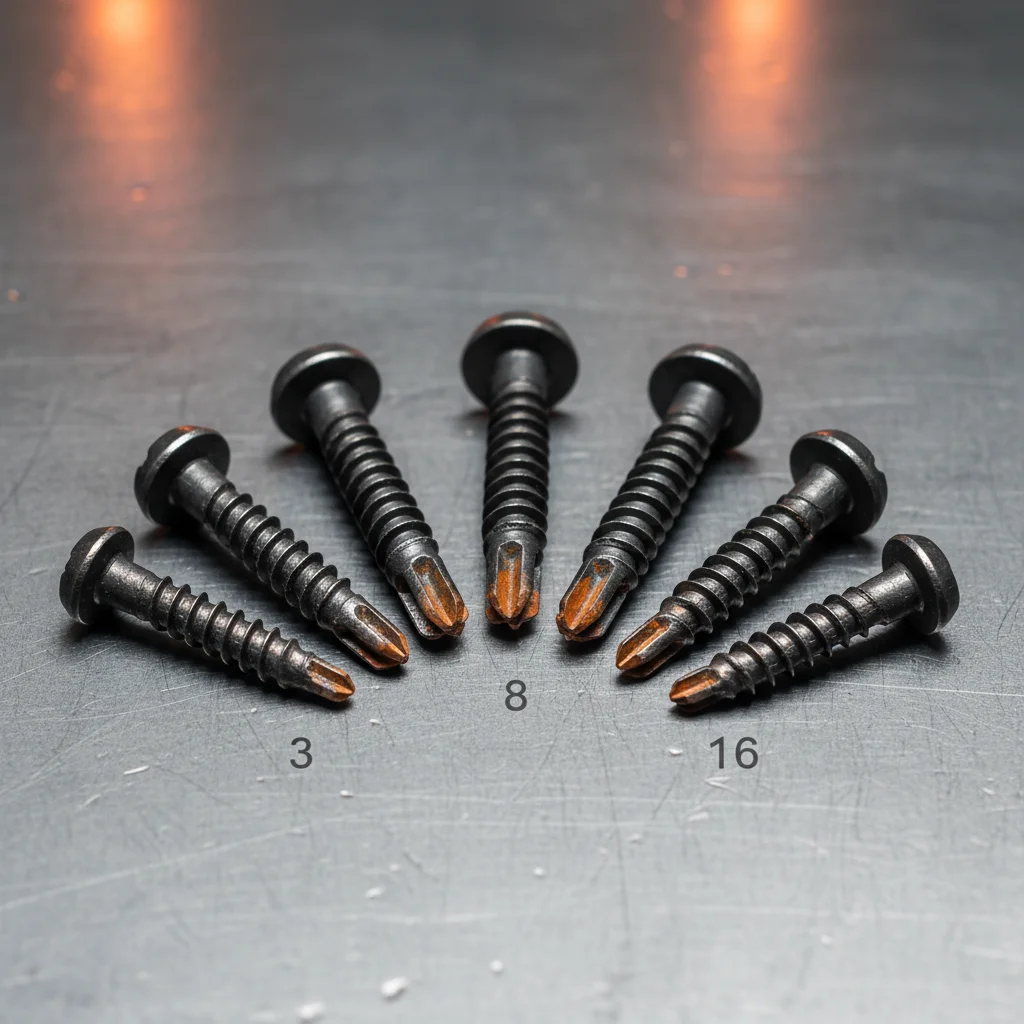
At its core, a self drilling screw is essentially a screw with a drill bit tip. That means it drills its own hole and then fastens itself tightly — no separate drill bit or pilot hole needed. When we say “for thick metal,” it means these screws are engineered with specific geometry, materials, and coatings to handle thick metal panels, often several millimeters or more.
These screws feature hardened drill points that can pierce through tough metals without dulling quickly. The threads are designed to grip securely in thick, dense materials to prevent loosening over time. Coatings might include corrosion resistance for outdoor or marine use.
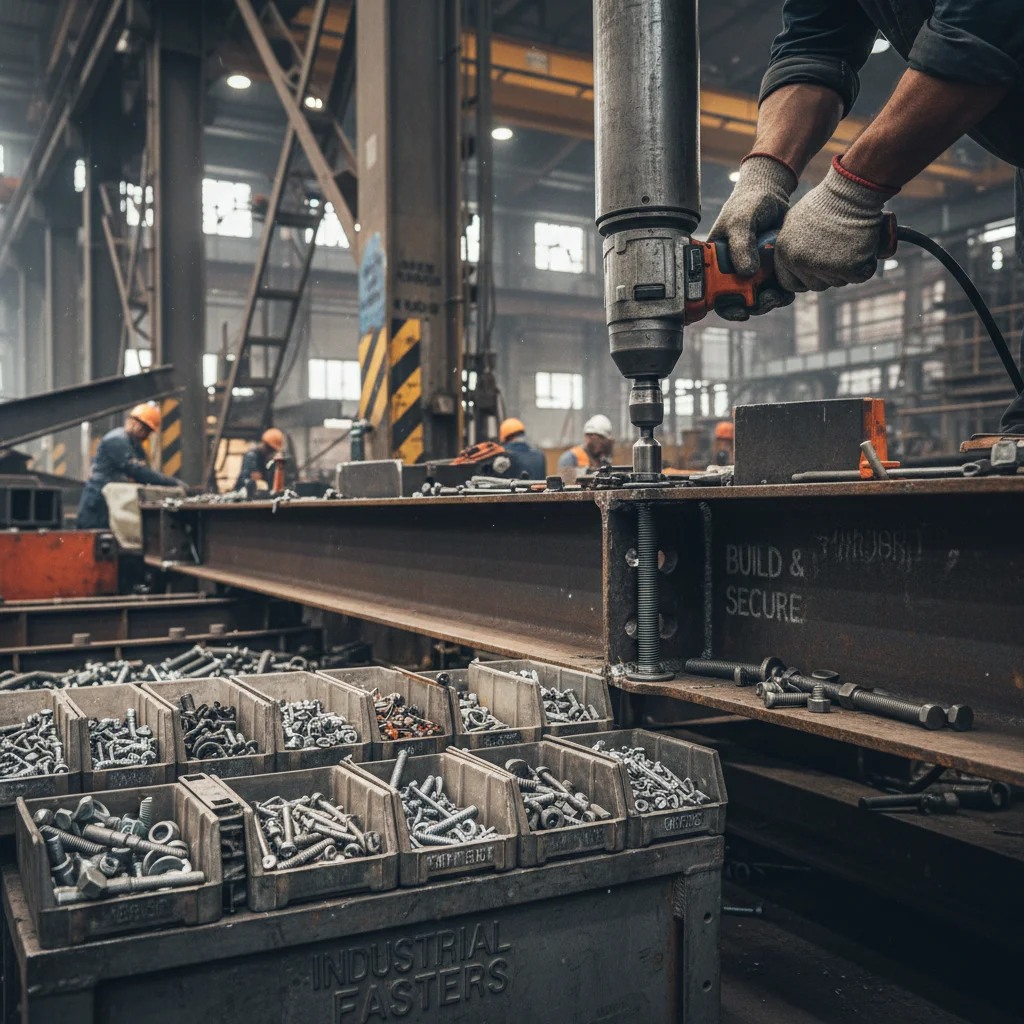
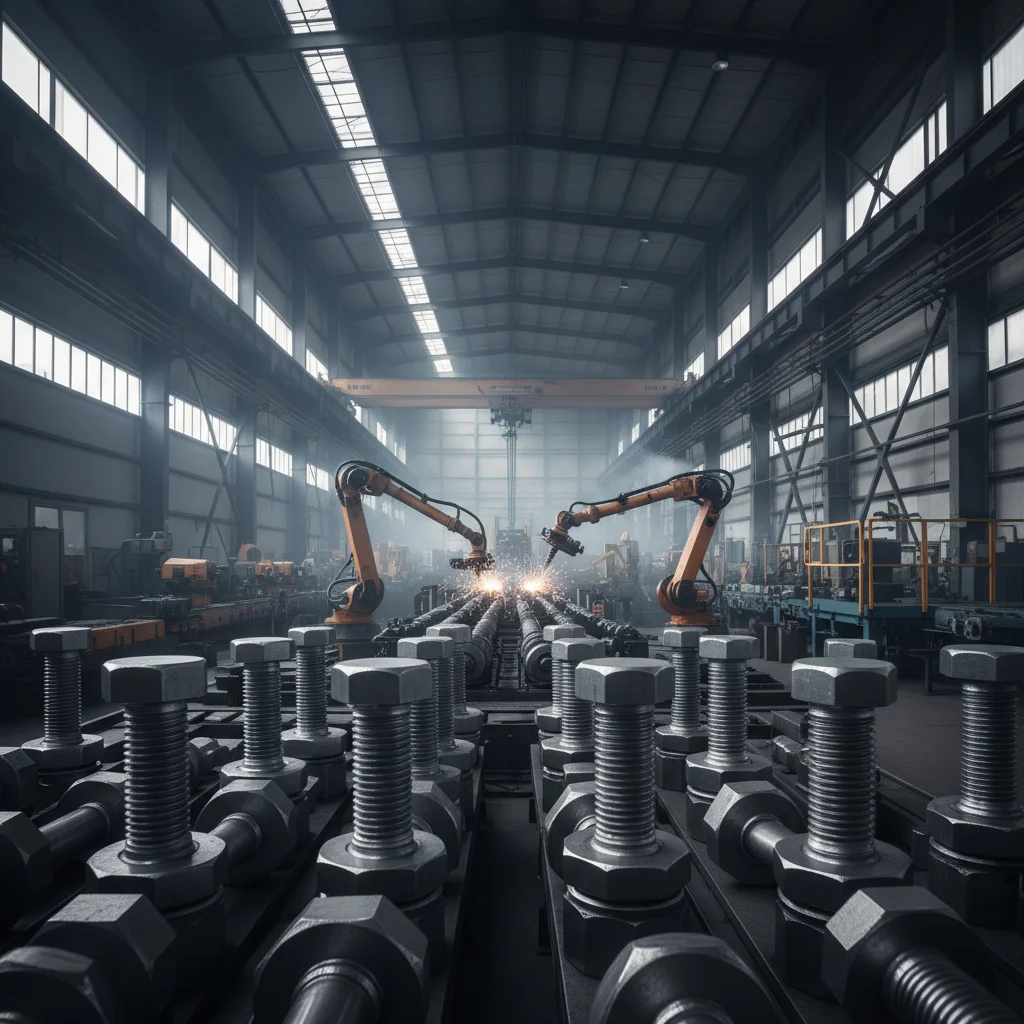
In modern industry, they’re a bridge between function and efficiency. They’re crucial in sectors that demand strong metal joins where time is money and reliability is safety — from fabrication shops on factory floors to emergency relief organizations erecting temporary shelters fast.
Mini takeaway: Think of them as multi-taskers: drilling and fastening in one nimble package — optimized for heavy-duty metal.
The shape and hardness of the drill tip determine how well the screw can pierce thick steel without pre-drilling. For thick metals, sharper and reinforced points (like a “Type B” or “Type BF” drill tip) are common.
Threads must provide strong grip over thick metals, resisting vibration and loosening. Coarse or specialized threads designed to bite into metals minimize slipping and improve hold.
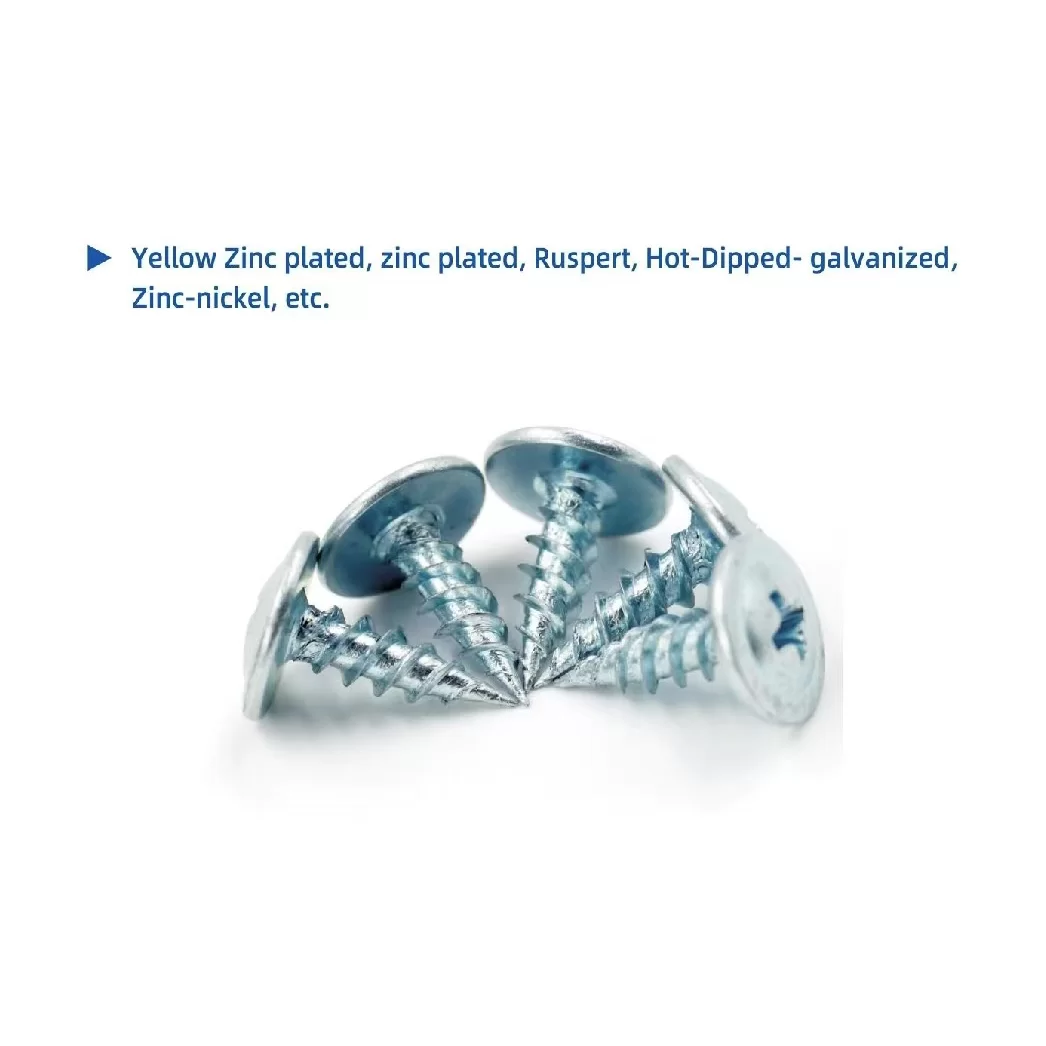
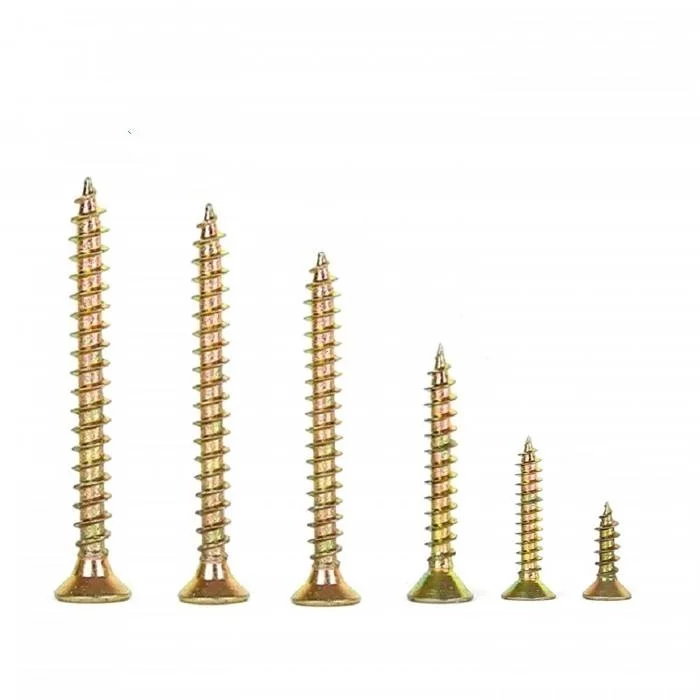
Typically made from hardened steel, sometimes stainless or alloy steel, these screws often feature zinc plating or weather-resistant coatings to prevent rust and wear—critical in harsh environments.
Commonly hex heads or pan heads, the screw’s head must allow high torque applications without stripping, while fitting snug tools for quick assembly.
Self drilling screws for thick metal are available in longer lengths (sometimes exceeding 3 inches) and thicker diameters to ensure they span and fasten multi-layered thick metals securely.
Mini takeaway: From the tip’s shape to corrosion-resistant coatings, every detail matters to ensure these screws deliver punch and durability on thick metals.
Across continents, these screws find homes in projects that need speed and reliability:
A quick example: After flooding in Southeast Asia, relief teams built modular metal shelters using self drilling screws, cutting construction time by 40% compared to traditional fasteners.
Mini takeaway: Whether it’s powering cities, harvesting wind, or building shelters, these screws are quietly at work globally.
Here’s what you get, frank and simple:
Emotionally, contractors often say it “feels like you’re cutting through resistance” — both literally and figuratively. It’s innovation that earns trust on every site.
Mini takeaway: They deliver speed, strength, and safety — crucial for today’s demanding metal construction projects.
Believe it or not, there’s a buzz of new materials and smart manufacturing tweaks shaping these screws’ future. Some innovations to watch:
These trends are driven by sustainability goals, Industry 4.0 digitalization waves, and green energy infrastructure needs.
Mini takeaway: The humble screw is evolving with smarter, greener, and more connected features, fitting tomorrow’s tech-driven industries.
Not all sunshine. Some issues come up:
Pro tips: Engineers often recommend pairing screws with torque-controlled drivers and custom coatings per application. Also, for very thick metals, hybrid solutions or pre-drilled pilot holes may still be advisable.
Experts keep refining material specs and installation protocols — it’s an iterative, collaborative field.
A: Generally, they handle metals up to about 12mm thick effectively. For thicker or hardened steel, pre-drilling may be needed to prevent damage or screw breakage. Always check manufacturer guidelines.
A: Zinc plating, galvanization, and advanced polymer coatings are common. For harsh environments, epoxy or PTFE coatings offer extra protection. Choose coatings based on exposure conditions.
A: Usually no. The drilling tip and threading often deform on use, so reuse isn’t recommended to maintain structural integrity.
A: While the unit price is typically higher than plain screws, the installation speed, reduced labor, and fewer tools needed often make them more cost-effective overall.
A: Trusted vendors who specialize in industrial fasteners are key. You can start exploring options at self drilling screws for thick metal.
| Specification | Detail |
|---|---|
| Material | Hardened Alloy Steel |
| Tip Type | Type BF Drill Point |
| Length | 50mm (2 inches) |
| Diameter | 6.3mm (1/4 inch) |
| Coating | Zinc Plated with Epoxy Layer |
| Head Type | Hex Washer Head |
| Vendor | Product Range | Pricing | Coating Options | Delivery Speed |
|---|---|---|---|---|
| Lianshiwjnail Co. | Extensive (100+ variants) | Competitive | Zinc, Epoxy, PTFE | 5–7 days worldwide |
| MetalFasteners Inc. | Moderate | Mid-range | Zinc, Galvanized | 7–10 days US only |
| EcoScrew Ltd. | Specialized Eco-Coated | Premium | Nano coatings, Green finish | 10–14 days worldwide |
Honestly, self drilling screws for thick metal don’t get enough praise for the role they play in making high-stakes construction practical and safe. Speeding up projects, reducing error, and ensuring strong joins all the while battling the challenges thick metals throw at you — that's their daily grind.
Interested to see how these screws can streamline your metalworking projects? Visit our site for detailed demos, product lines, and expert guides.
Mini final thought: Sometimes, the smallest tools build the biggest futures.
JOIN OUR NEWSLETTER


If you are interested in our products, you can choose to leave your information here, and we will be in touch with you shortly.