
Hit enter to search or ESC to close
Dec 1, 2025


If you’re involved in construction, manufacturing, or even humanitarian logistics, you’ve likely come across various fastening solutions designed to save time, cost, and effort. Among these, the 1 4 14 self drilling screw stands out as a fascinating little workhorse. But why is this tiny piece of hardware so globally relevant? Well, for starters, it streamlines assembly and cuts down on specialized equipment needs — all while boasting impressive durability. In an era where efficiency is king and sustainability is a must, understanding this screw’s role can lead to smarter, more resilient building practices worldwide.
Across continents, industries are embracing smarter fastening tech. The global metal fastener market is expected to surpass $100 billion by 2027, driven largely by innovations like self drilling screws.1 These screws eliminate the need for pre-drilling, speeding installation by an estimated 30% or more, based on industry reports. That’s significant when you consider large-scale infrastructure projects or disaster relief constructions where every minute counts.
Yet, globally, a core challenge persists: labor shortages and rising raw material costs make rapid, error-proof assembly more essential than ever. The 1 4 14 self drilling screw addresses these hurdles by enabling fast, secure attachments to metal and wood substrates without extra steps. This makes it a favorite, notably in regions with limited access to high-end tooling like parts of Southeast Asia and Africa.
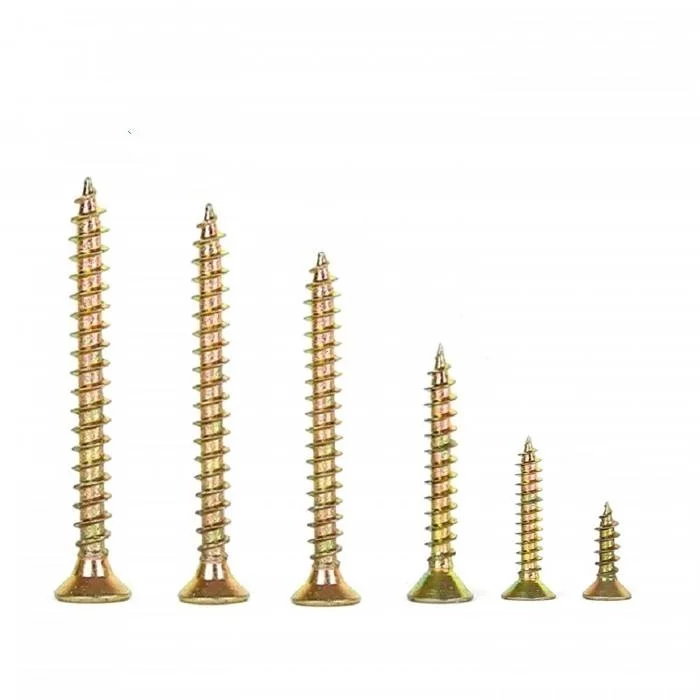
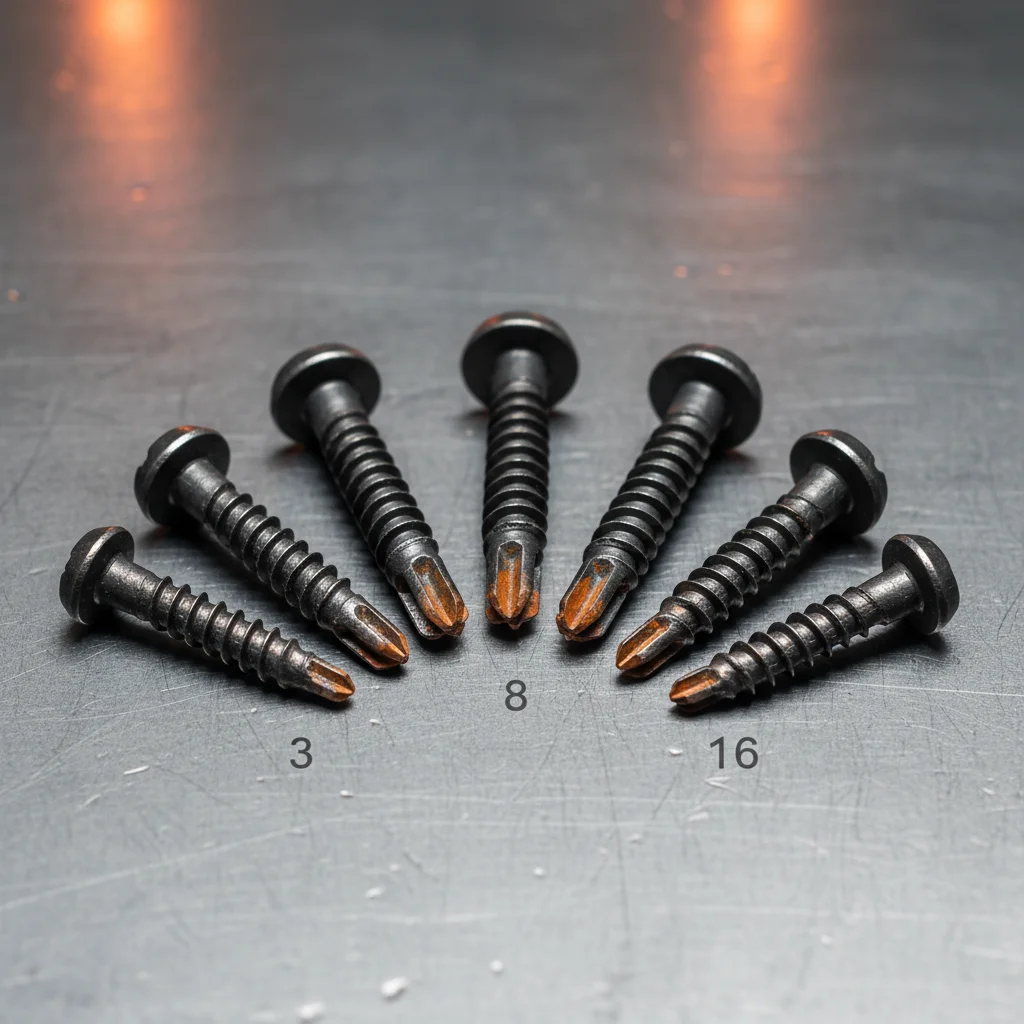
Put simply, a 1 4 14 self drilling screw is a specific type of fastener designed with a drill-like tip that allows it to bore into materials such as metal or wood without pre-drilling. Its name comes from standardized sizing: "1/4" refers to its diameter (quarter inch), and "14" denotes the thread count per inch, giving it a medium-coarse grip.
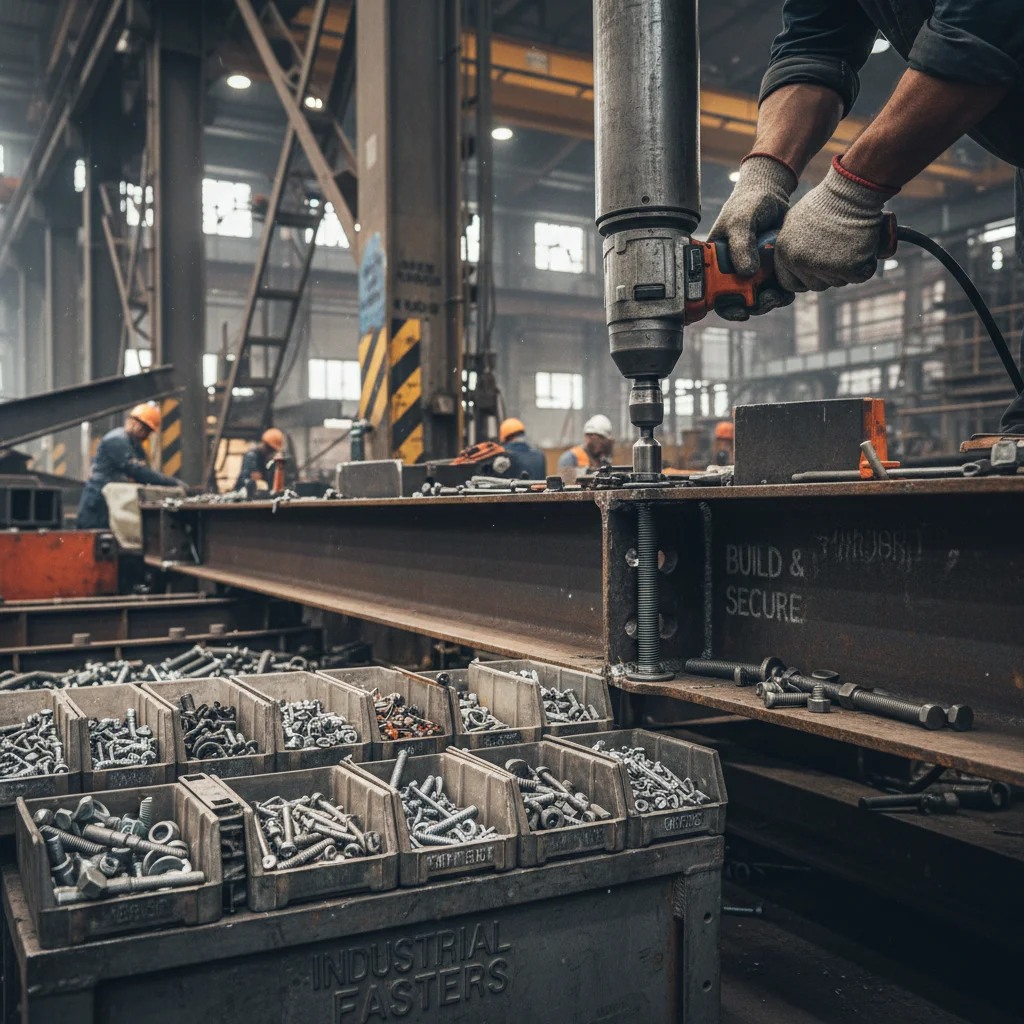
This screw bridges the gap between traditional screws and power-tool-driven assembly, making it pivotal in modern industries ranging from automotive assembly lines to prefab construction units. And oddly enough, beyond just saving time, it contributes to humanitarian needs — think quick-assembly shelters or emergency infrastructure that improve lives by reducing setup times and tool dependency.
These screws come coated with zinc or other rust-resistant materials to survive harsh environments — salty coastlines or humid zones, for example. Durability ensures structures last longer without the worry of loosening or corrosion.
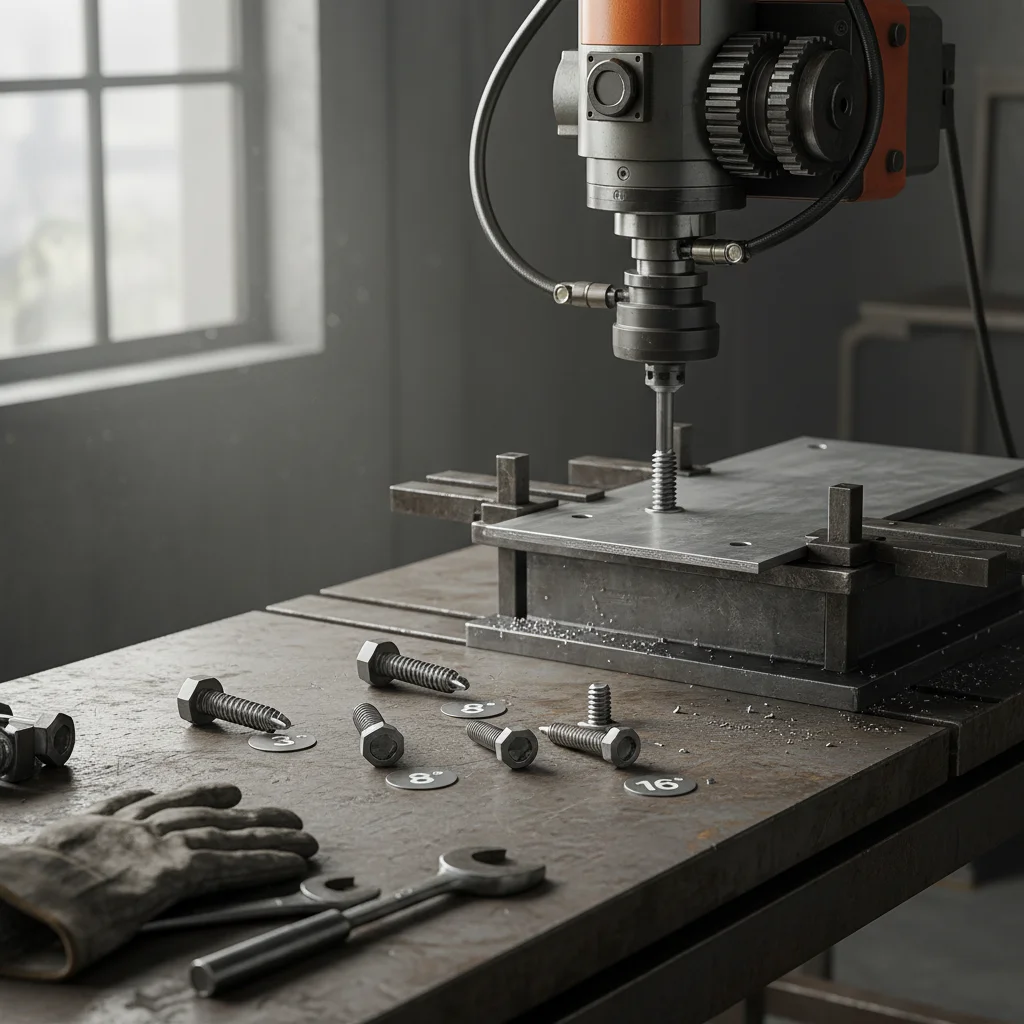
Because they have a self-drilling tip, there's no need for pre-drilling pilot holes, which lowers labor intensity and keeps assembly workflows smooth. Many users note it feels like a “plug-and-play” approach for fastening.
Fewer steps equals less labor cost, lower tool investment, and fewer mistakes. In large projects, this can add up to substantial savings.
From attaching sheet metal to wood studs, these screws handle a variety of substrates, making them favorites for multi-material frameworks.
The thread design combined with appropriate torque prevents loosening under vibrations — critical in automotive or machinery assembly.
The utility of these screws spans a surprising range of fields:
Particularly in emerging markets, the adoption is notable. In places like Southeast Asia, where metal fabrication is a growing sector, the 1 4 14 self drilling screw keeps projects on schedule despite resource constraints.
Honestly, the value goes beyond the obvious time and cost savings. Workers report feeling safer and less fatigued because they don’t wrestle with clunky drills or excessive pre-work. From a sustainability angle, reducing operational time and tool energy consumption means a smaller carbon footprint.
Furthermore, securing joints that won’t loosen over time maintains structural integrity — which directly translates to safety and peace of mind for occupants and operators. Engineers often cite these screws as an elegant, low-tech innovation that builds trust across industries.
We're starting to see coatings that resist ultra-aggressive environments, like industrial chemicals or saltwater spray, using nano-technologies. Some manufacturers are even integrating IoT sensors into large fastening systems, enabling real-time integrity checks — fascinating stuff.
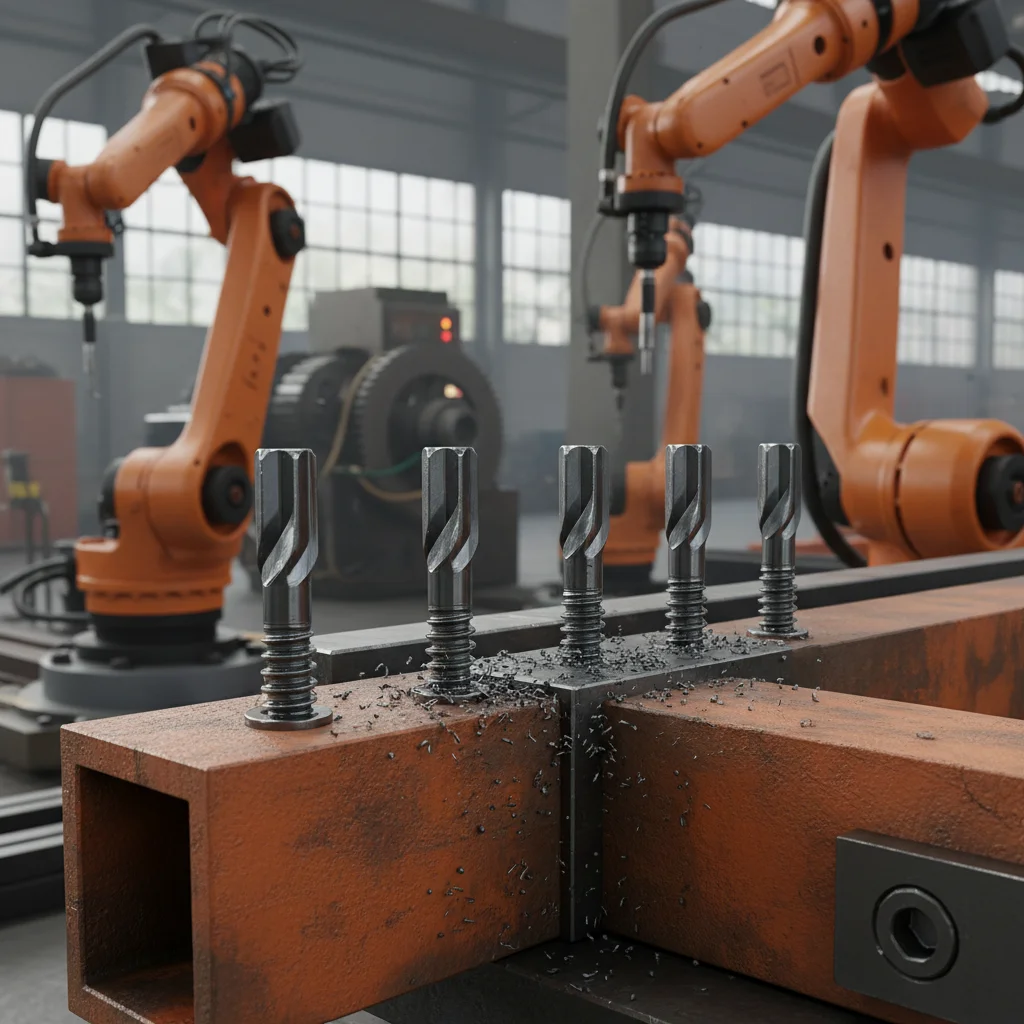
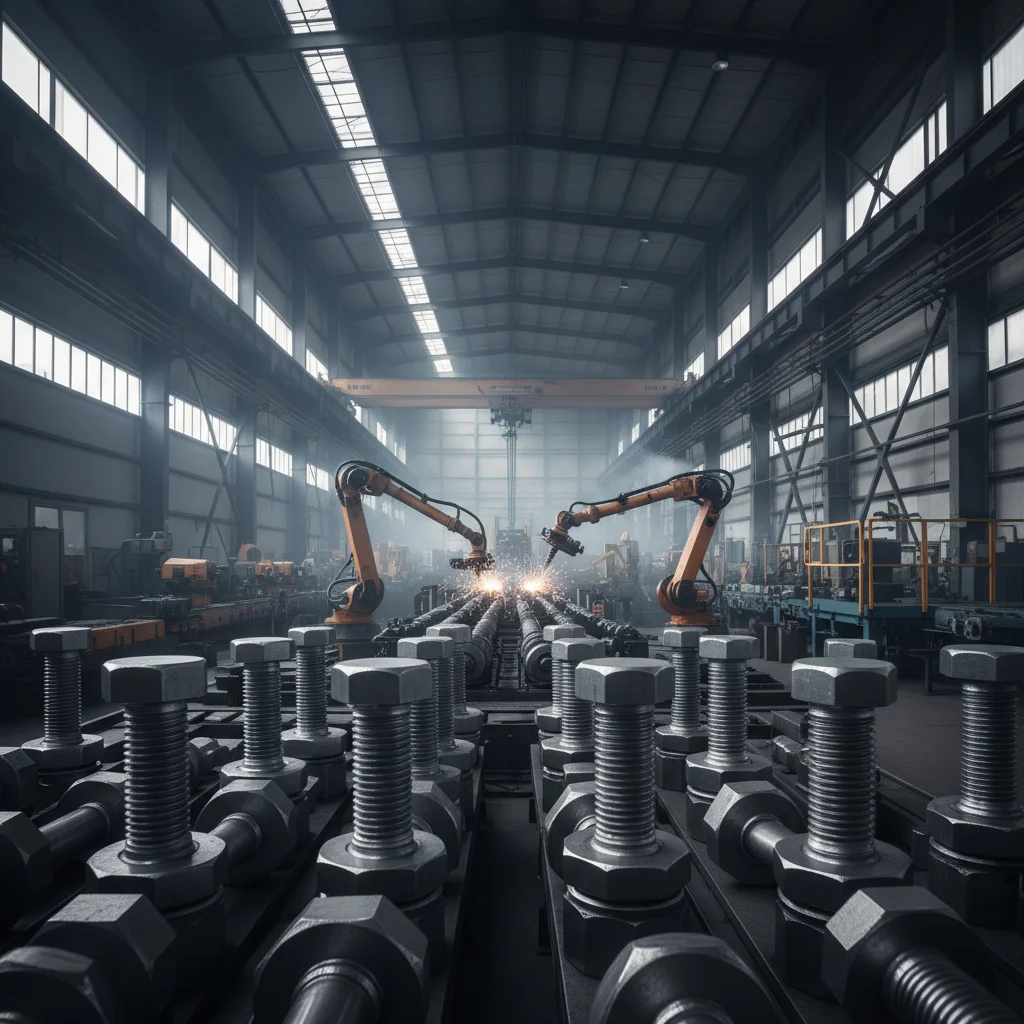
Automation trends also drive the adoption; smart robots rely on standard, multifunctional screws to speed assembly. With green building codes tightening globally, suppliers experiment with eco-friendlier materials without compromising strength.
One lingering issue with 1 4 14 self drilling screws is their performance with super-thick metal plates, where drilling capacity may be limited. Users sometimes hit the edge of the drill-tip’s capability, requiring hybrid fastening methods.
But experts suggest combining these screws with power-driven pre-drilling in such tough cases or choosing screws with slightly larger diameters for improved penetration. Also, working with reputable suppliers ensures quality control; cheap fasteners can cause thread stripping or brittle failures.
| Specification | Details |
|---|---|
| Diameter | 1/4 inch (6.35 mm) |
| Thread Count | 14 threads per inch |
| Material | Heat-treated steel with zinc coating |
| Length | 1 inch to 3 inches (25–75 mm) typical range |
| Drive Type | Phillips or Torx |
| Drilling Capacity | Up to 3.5 mm metal thickness |
| Vendor | Price per 1000 Screws | Coating Type | Lead Time | MOQ (Minimum Order Qty.) |
|---|---|---|---|---|
| Lianshi Fasteners | $95 | Zinc Galvanized | 2 weeks | 500 pcs |
| GlobalScrew Co. | $110 | Electro-plated Zinc | 3 weeks | 1000 pcs |
| SteelFast Ltd. | $90 | Zinc + Passivation | 1.5 weeks | 750 pcs |
A: Typically, these screws efficiently drill through metal up to 3.5 mm thick. For thicker materials, specialized drill bits or larger diameter screws are recommended to avoid damaging the screw or reducing fastening strength.
A: Standard 1 4 14 self drilling screws come zinc-coated for rust resistance, which works well in most indoor and partial outdoor scenarios. For harsh outdoor or marine conditions, look for screws with enhanced coatings like galvanization or passivation treatments.
A: Yes, one of the benefits is their ease of use with standard cordless power drivers. Just use the correct driver bit (Phillips or Torx), and you can install them quickly without pre-drilling holes.
A: The screw length should be long enough to securely fasten the materials you’re joining — generally 1 to 1.5 times the thickness of the combined materials. Too short, and you risk weak joints; too long, and you may cause protrusions or material damage.
A: Many vendors, including Lianshiwjnail.com, offer international shipping and bulk discounts ideal for NGOs. It’s essential to confirm customs and import regulations to ensure smooth delivery.
In the winding story of fasteners, the 1 4 14 self drilling screw might seem a small character, but its impact is outsized. It saves time, reduces labor needs, and enables secure, lasting assemblies across sectors. Whether you’re streamlining a factory line or setting up emergency shelters, these screws offer reliable solutions — which in my experience, often makes the difference between a project delivered on time or dragged down by avoidable delays.
Curious? Explore more about this versatile product on Lianshiwjnail.com. Maybe a tiny screw is all you needed to make a big difference.
JOIN OUR NEWSLETTER


If you are interested in our products, you can choose to leave your information here, and we will be in touch with you shortly.