
Hit enter to search or ESC to close
Dec 3, 2025


At first glance, a tapping screw machine may sound like a niche piece of hardware, but its influence is surprisingly broad and critical. Globally, tapping screw machines play a pivotal role in manufacturing, construction, and assembly lines — industries that underpin almost every product we use daily. Why does it matter? Because streamlined and efficient screw fastening processes impact production speed, cost-efficiency, and ultimately, the quality of many goods and infrastructure. Understanding these machines is not just for engineers but anyone interested in the rhythms of modern industry and manufacturing innovation.
Industries worldwide rely heavily on automated fastening solutions, with the tapping screw machine being central among them. According to the International Organization for Standardization (ISO), efficient fastening systems contribute significantly to reducing assembly times and improving product consistency in factories, impacting global supply chains. For example, the automotive and electronics sectors, which together make up a huge portion of the global manufacturing economy, have seen tapping screw machines help cut costs by up to 25% in assembly lines (ISO, 2022).
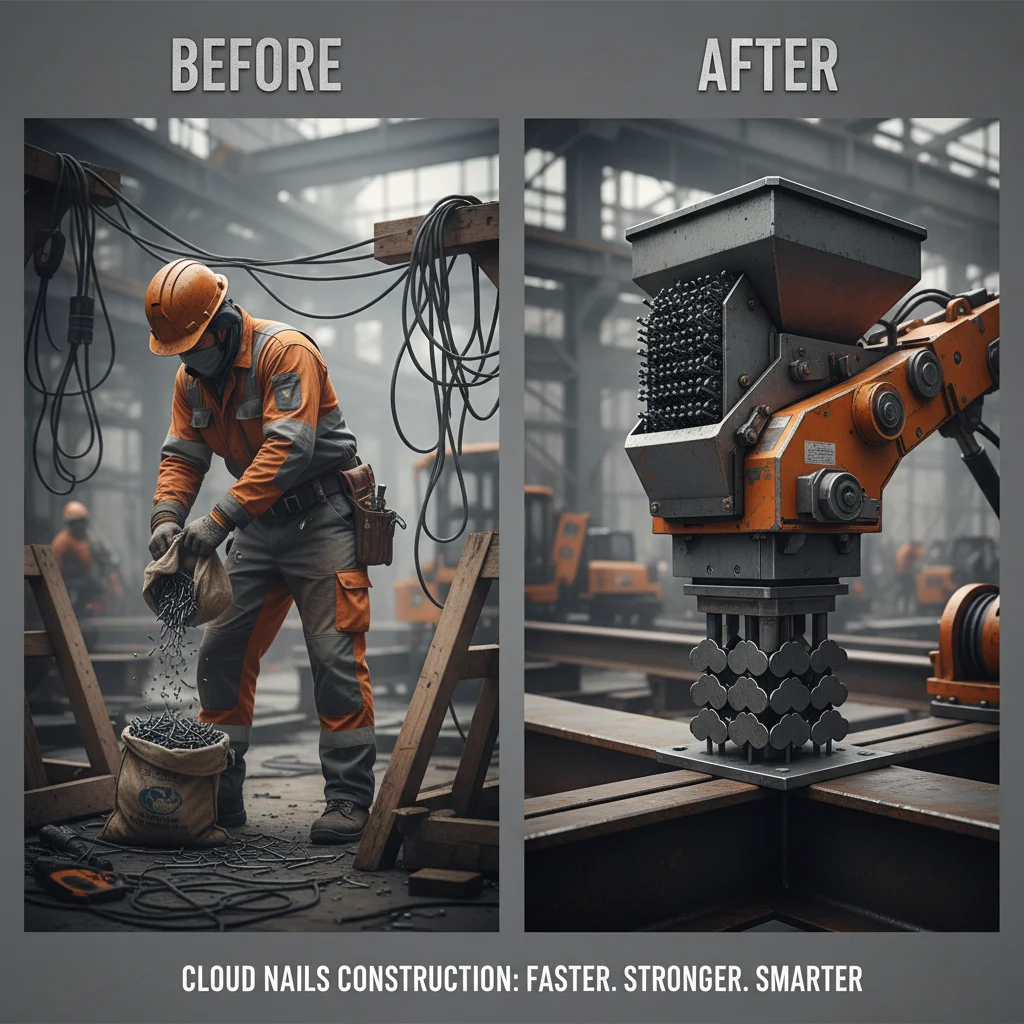
But there’s a real challenge too—manual screw fastening is laborious and inconsistent, especially when quality control and speed are paramount. Tapping screw machines address this by automating threading and driving screws in precise patterns, reducing workforce strain and boosting safety in hazardous factory environments. Frankly, they’ve become an unsung hero worldwide in improving manufacturing reliability.
In simple terms, a tapping screw machine is a specialized device used to automatically insert and drive tapping screws into materials without requiring a pre-tapped hole. These screws create their own thread in the substrate — metal, plastic, wood, you name it — enabling faster assembly. Think of it as a tool that combines drilling and fastening in one seamless process.
This machine’s significance goes beyond factories: it’s closely linked to modern industrial advances where speed, precision, and cost effectiveness are key. In humanitarian contexts, these machines support rapid construction of shelters or infrastructure, where fast deployment can save lives and restore communities quickly.
A tapping screw machine offers finely adjustable torque and depth settings, ensuring screws don't strip materials or underperform. This control is crucial in delicate assemblies or safety-critical products.
Because these machines often operate in tough industrial environments, robustness is a must. Stainless steel components and shock-resistant casings help maintain long-term use without frequent downtime.
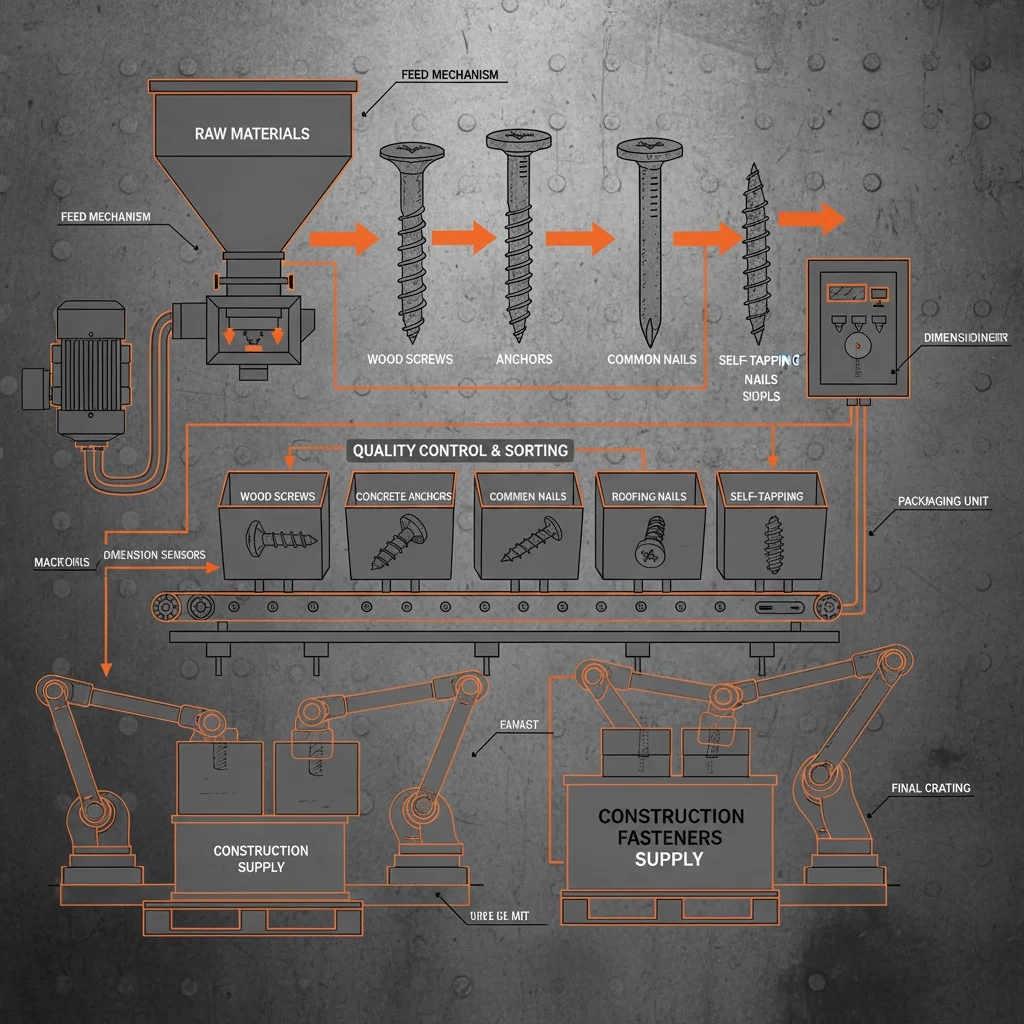
Many systems integrate with larger automation lines, able to handle varying screw sizes and types automatically. This flexibility helps manufacturers scale up or pivot product designs efficiently.
Even initial investment is recouped fairly quickly via savings on labor costs, reduction in errors, and higher production throughput.
Modern machines often feature digital displays and programmable settings, minimizing operator training time and error rates.
| Spec | Detail |
|---|---|
| Screw Diameter Range | 2 mm to 6 mm |
| Torque Range | 0.5 – 5 Nm (Newton meters) |
| Cycle Speed | Up to 1,200 screws per minute |
| Power Source | Electric (220V) / Pneumatic options |
| Control Type | PLC with touchscreen interface |
Mini Takeaway: The tapping screw machine blends mechanical precision with user-friendly automation, driving application efficiency across industries.
Tapping screw machines have spread far beyond traditional industrial hubs in Europe and North America. In Asia’s booming electronics factories and automotive plants, these machines enable remarkable throughput and quality consistency. Construction companies in the Middle East use them for rapid assembly of modular buildings, while in Africa, NGOs deploying temporary clinics rely on such machines to speed assembly under tight timelines.
Take for instance post-disaster relief scenarios: organizations need quick-to-assemble shelters that maintain structural integrity. Tapping screw machines help volunteers efficiently fix panels and components — sometimes in harsh weather or low-light conditions — enabling safer, quicker builds that save lives.
Similarly, remote mining or offshore sites find these machines invaluable for equipment assembly and repairs, where skilled labor is scarce, and efficiency is paramount.
On a human level, it feels reassuring that these machines contribute to building safer homes, vehicles, and devices. The trust in products assembled with precision machinery echoes the values of innovation and dignity in work.
Looking ahead, tapping screw machines are moving into digitally connected domains. Industry 4.0 integration means machines will talk to production lines, self-calibrating and predicting maintenance needs, cutting downtime. Using AI-driven controls could optimize torque parameters for new alloys and composite materials emerging in sustainable manufacturing.
Green energy integration is beginning too — solar-powered or low-energy pneumatic options to reduce carbon footprints. Materials science advances may soon bring corrosion-resistant screws matching these machines’ precision, lengthening product lifecycles notably.
Despite their sophistication, tapping screw machines sometimes struggle with extremely soft or brittle materials, where screw threads can damage substrates. Manufacturers are experimenting with hybrid fastening techniques combining adhesives and screws to improve quality.
Another challenge comes from the steep initial investment for small to medium enterprises. Here, “machine-as-a-service” rental models are gaining ground, lowering entry barriers and allowing flexible scaling.
| Vendor | Product Range | Price Range | Notable Features |
|---|---|---|---|
| Lianshiw Jnail | 2-6 mm screw diameters | $10,000 - $25,000 | Custom programmable controls, energy efficient |
| FastThread Corp. | 1.5-8 mm screw sizes | $15,000 - $30,000 | High-speed operation, remote diagnostics |
| Screwtech Ltd. | 3-7 mm screw diameters | $9,500 - $20,000 | Compact design, easy maintenance |
In sum, the tapping screw machine is more than just industrial equipment—it’s a vital enabler of efficiency, quality, and safety in manufacturing and construction worldwide. As industries evolve toward smarter factories and sustainable production, these machines will only gain in importance.
If you’re ready to explore solutions that can revolutionize your assembly process, visit our website to discover the latest tapping screw machine options tailored for your needs.
Mini Takeaway: Embracing tapping screw machines means investing in smarter, safer, and more sustainable manufacturing.
JOIN OUR NEWSLETTER


If you are interested in our products, you can choose to leave your information here, and we will be in touch with you shortly.