
Hit enter to search or ESC to close
Dec 2, 2025


At first glance, screws might appear mundane — just everyday hardware you pick up at a local store without much thought. But, particularly in industrial and construction circles, the standard self tapping screw sizes hold significant meaning. They determine compatibility, ensure structural integrity, and even affect cost efficiency across projects worldwide. Understanding these sizes isn’t just a technicality; it’s a cornerstone of safer, more reliable assembly — relevant from small DIY tasks to massive infrastructure enterprises.
Globally, construction and manufacturing industries are booming (the World Bank forecasts steady growth in infrastructure investments across Asia and Africa). According to ISO, standardized fasteners like self tapping screws reduce project delays and errors, crucial given the scale of modern development. These screws enable rapid installation without pre-drilling, a lifesaver in emergency repair or remote-area construction where speed matters. However, the challenge lies in selecting the right size: improperly sized screws can compromise strength or increase costs due to wastage or rework.
Frankly, standardizing self tapping screw sizes bridges design and execution, making projects smoother and safer.
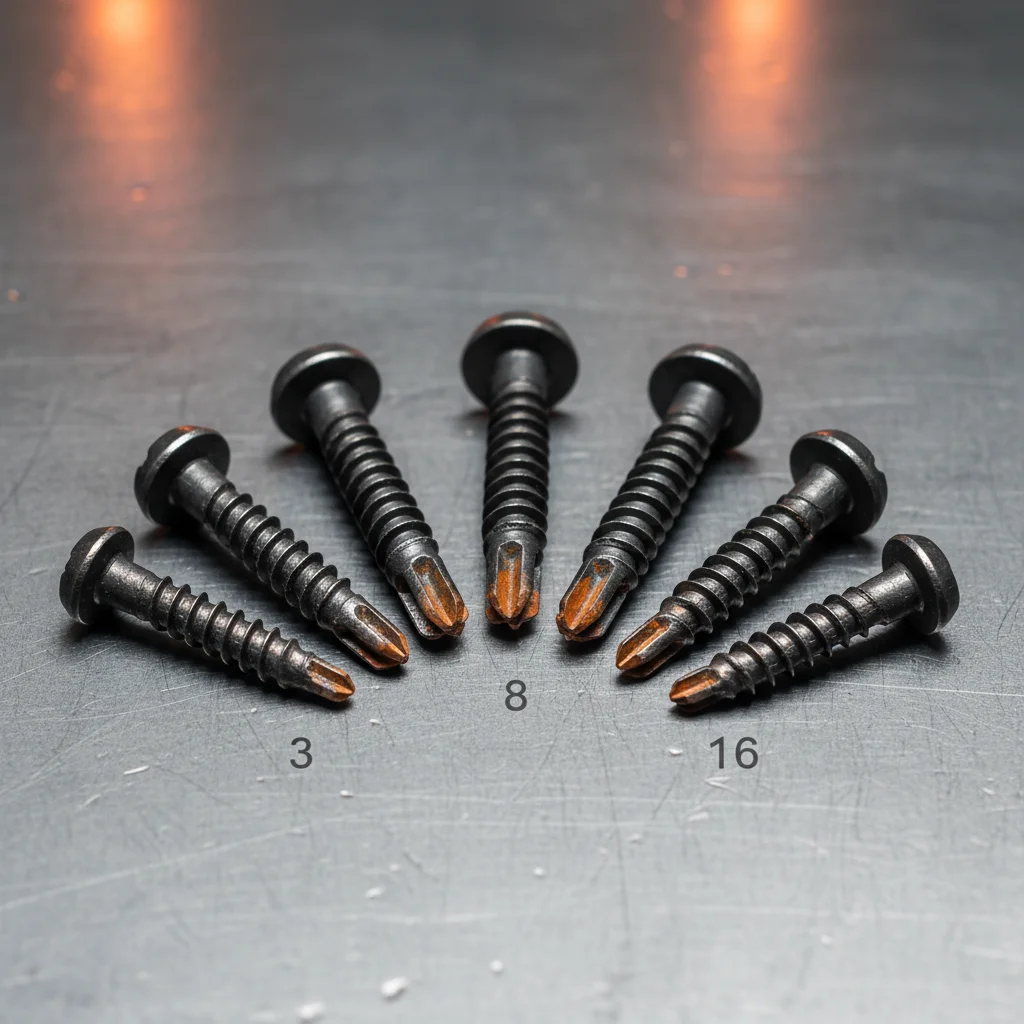
Put simply, self tapping screws are threaded fasteners designed to “tap” or create threads in the material they enter — metal, wood, plastic, etc. The standard sizes refer to the widely accepted dimensions defining their diameter, thread pitch, length, and head type. These standards ensure compatibility across tools, machinery, and materials globally. For example, a #8 self tapping screw with a 1.5mm thread pitch means any manufacturer complying with standards will produce screws that fit the same way.
This standardization supports modern industries that rely heavily on interchangeable components. From assembling electronics in Shenzhen factories to erecting solar farms in Spain, the right screw size underpins both efficiency and durability.
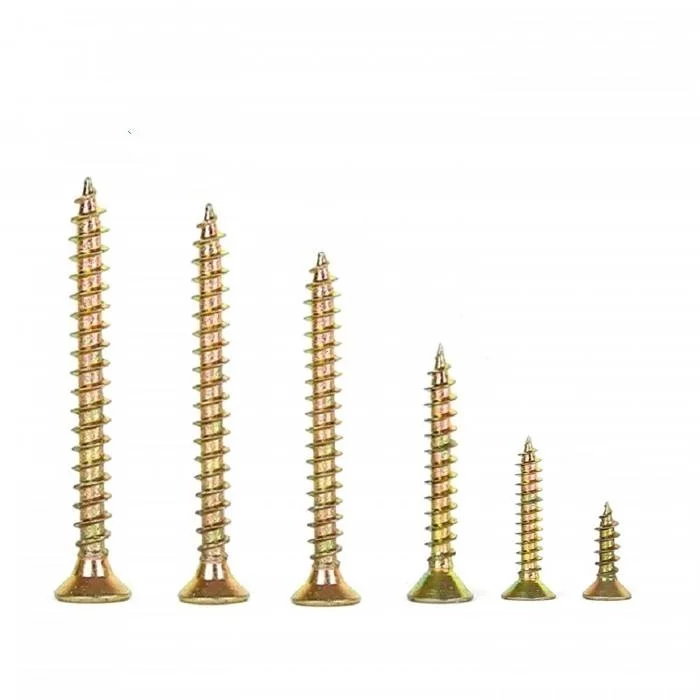
The diameter (e.g., #6, #8, M4, M5) indicates the screw’s thickness, while thread pitch measures the distance between threads. Matching these ensures the screw grips firmly without cracking or stripping the material.
Length varies based on the material’s thickness and the required holding force. Head types (pan, flat, hex washer) affect tool compatibility and aesthetic finish — important in visible assemblies.
Stainless steel, zinc-plated, or brass screws are common. Coatings improve corrosion resistance — vital for outdoor or marine applications.
Phillips, Torx, or hex drives affect torque transfer and ease of installation — crucial for automated assembly lines.
While not standardized the same way as size, understanding the load each screw can bear ensures safety and longevity.
Mini takeaway: Selecting the right size goes beyond simple measurement — material, finish, and usage environment play equal roles in a screw’s effectiveness.
Oddly enough, while the applications differ widely, they all underscore one truth: standardized screw sizes enable predictability in supply chains and performance.
From a cost standpoint, standardized sizes reduce the need for diverse inventory, improving procurement efficiency. Socially, they build trust between suppliers and users — customers know what they’re getting, and engineers can specify parts with confidence. Environmentally, better-sized, corrosion-resistant screws last longer, reducing waste and replacement frequency. Plus, there’s an intangible benefit in peace of mind, especially for safety-critical structures.
In real terms, choosing the right standard screw size isn’t just about nuts and bolts — it’s about enabling innovation, preserving safety, and enabling global collaboration.
Looking ahead, digital transformation is reshaping how screws are specified and used. Smart fasteners embedded with RFID tags are emerging to track installation history and integrity. New eco-friendly materials, such as biodegradable polymer coatings, aim to reduce environmental impact without sacrificing durability. Furthermore, AI-assisted design tools help engineers model optimal screw sizes for given applications, speeding up product development.
Green energy projects, like solar and wind installations, increasingly demand screws designed to withstand extreme elements over decades, so standards continue to evolve accordingly.
Despite progress, challenges remain: mismatched standards between countries can cause confusion, and counterfeit screws threaten safety. Also, in some regions, low-cost screws might be sold without proper sizing data, risking structural failures. Experts suggest more global harmonization of standards (ISO has ongoing efforts) and improved authentication technologies. Training and education also ensure that end-users understand which screw sizes to pick for specific jobs.
| Vendor | Compliance Standards | Material Options | Price Range | Global Availability |
|---|---|---|---|---|
| ScrewTech Ltd. | ISO 9001, DIN | Stainless Steel, Zinc-Plated | $$ | Asia, Europe |
| Global Fasteners Inc. | ISO, ASTM | Brass, Alloy Steel | $$$ | Worldwide |
| EcoScrew Solutions | ISO 14001 | Recycled Steel, Biodegradable Coatings | $$$ | Europe, N America |
| Specification | Example Values | Notes |
|---|---|---|
| Diameter | #8 (4.2mm), M5 | Common in light-duty applications |
| Thread Pitch | 1.2mm to 1.5mm | Varies by diameter |
| Length | 12mm to 50mm | Depends on material thickness |
| Head Type | Pan, Hex washer, Flat | Chosen based on installation needs |
| Material | Stainless Steel, Zinc-Plated | Corrosion resistance differs |
Ultimately, knowing and applying the right standard self tapping screw sizes is a small step with big consequences for quality and efficiency. It feels like such a niche topic, but it’s emblematic of how precision in even the smallest components shapes our built environment.
And if you’re curious to dive deeper or explore sourcing options, just head over to our website for more insights.
Final thought: Even the tiniest standard screw size is a big deal — it fastens not just materials, but trust and safety across industries worldwide.
References:
1. ISO International Standards for Fasteners
2. World Bank Infrastructure Data
3. Wikipedia: Screw
JOIN OUR NEWSLETTER


If you are interested in our products, you can choose to leave your information here, and we will be in touch with you shortly.